

•
Discover the cost to install washer and dryer hookups. Learn about price factors, labor, materials, and tips to save on your laundry room project.
Appliance repair costs depend on your project and location. Check with a local pro for your specific job.

Washer and dryer hookup relocation costs average $1,200 for your home, and reach $5,000 with new venting and drain work.
Your new laundry spot’s distance to existing plumbing and electrical lines decides long extensions or short connection runs.
You should budget for drywall patching and permits, which add $150 to $1,000 to your total.
Hiring a local appliance installation professional prevents electrical shock and water damage by ensuring your hookups meet code and function safely.
In 2026, the national average cost to relocate washer and dryer hookups is $1,200. Most homeowners spend between $850 and $1,800, with costs driven by distance to existing plumbing and electrical lines, new venting or drain work, and permit requirements. Installing a new unit runs around $50 to $175 per unit, and you should also budget $150 to $1,000 for drywall patching and permits.
Depending on the complexity of your project, moving washer and dryer hookups may involve costs such as drywall repair ($300 to $1,000) and installing a new drain line ($360 to $1,840). Expect tasks like adding plumbing features, a dryer vent, and electrical outlets, with gas line costs added if you have a gas-powered dryer. Installing the machines themselves is a separate expense on top of these hookup costs.
Here is a breakdown of what each component of this project typically costs:
| Project | Average Cost in 2026 |
|---|---|
| Cut-off valve installation | $10–$30 per line |
| New drain line | $360–$1,840 |
| New outlets and circuits | $100–$500 per outlet |
| New gas line | $200–$5,000 |
| New dryer vent | $100–$1,000 |
| Repairing drywall | $300–$1,000 |
| Appliance installation | $50–$175 |
A washing machine cut-off valve, which stops the water supply to the machine, costs $10 to $30 per line. This is one of the more straightforward components of a washer relocation, but it is essential for controlling water flow safely at the new hookup location.
Building a new drain line is one of the most significant plumbing costs involved in relocating a washer, ranging from $360 to $1,840, depending on how close the new location is to existing plumbing. Attempting this work yourself and making a mistake means calling in a plumber under pressure. Emergency plumbing costs up to three times as much as typical plumbing costs, so professional installation from the start is the smarter financial choice.
Washers run on a standard 120-volt outlet, while dryers require a high-powered 240-volt outlet, and the cost to install a new outlet reflects that difference—around $300 for a washer outlet and $500 for a dryer outlet. The type of dryer plug on your unit will also affect electrical costs. If you are switching from a gas dryer, you may also need to cap an existing gas line, which costs around $125.
Installing a gas dryer requires running a gas line to the new laundry location, with the cost for a new gas line ranging from $200 to $5,000 or more depending on the distance. Most homeowners can expect to pay around $20 per linear foot for this work.
A new dryer vent costs an average of $100 but can reach $1,000 depending on the length of vent run required. Every dryer needs a vent to expel hot air, making this a required part of any hookup relocation.
Installing new hookups almost always leaves minor drywall repair needs behind, and minor drywall repair can cost as low as $100, though your plumber or electrician may include it in their labor cost. Moving a washer and dryer can also reveal hidden mold or water damage behind walls. In those cases, calling a mold remediation pro to assess and recommend a course of action is the safest next step.
After hookups are in place, the final step is installing the units themselves, which costs about $50 to $175 per unit if not included with a new appliance purchase. Many retailers bundle installation with the sale of new machines, so confirm this before booking a separate appliance installation service near you.
Where you move your washer and dryer within your home has a direct impact on total project cost, since access to existing plumbing and utilities varies significantly by location. The cost to move your washer and dryer upstairs, for example, differs considerably from moving them to a garage or basement. A few common relocation scenarios and their associated costs are outlined below.
Moving your washer and dryer to a new wall or a different room on the same floor is the most common relocation project, typically costing $1,000 to $1,500 depending on the connections already in place. These projects usually leverage existing plumbing and electrical infrastructure, with costs limited to adding new venting or extending pipes a short distance.
Moving your washer and dryer to an upper floor is the most complex and costly relocation scenario, with costs reaching upward of $15,000 depending on your home's setup. This price reflects the need to extend pipes, install new faucets, and run a longer drain line, much of which ties directly to the cost of installing new washer and dryer hookups.
The cost to move your washer and dryer to the garage or basement typically falls between $1,060 to $4,475, covering hookup installation, a new drain line, a dryer vent, and an outlet. If the project requires additional construction work such as redoing flooring or tiling walls, costs can rise to anywhere between $2,000 to $15,000.
Additional factors can influence the cost of this project, including:
Adding utility lines
Purchasing necessary parts and materials
Location of installation
Cutting through flooring or foundation
Upgrading or adding an additional appliance
Permits
Delivery and removal
According to Angi data, the most common service request for an appliance installation is split between a dishwasher and a microwave or oven, both at 17% of customers. Other common appliances homeowners request help installing include washers, dryers, and a refrigerator or freezer.
Moving washer and dryer hookups is not a DIY job. Contact a professional plumber near you to help you set up the necessary plumbing, and a local electrician for electrical tasks.
Taking on the project yourself can result in serious plumbing and electrical dangers that put your safety and appliances at risk. Especially in a room that sees a lot of water and high heat, the potential dangers of electrical shock, water damage, and house fires are heightened by improper installation.
Relocating washer and dryer hookups requires advanced plumbing and electrical expertise. Here's why you should always hire a pro for the job:
Professionals know how to reroute water supply lines, drain lines, and venting systems safely.
Hiring a reputable pro ensures your project complies with local plumbing and electrical regulations.
DIY relocation can lead to flooding, mold growth, electrical shock, and costly repairs.
Pros have the specialized tools and expertise to handle gas lines, outlets, and heavy appliances.
Hiring a pro saves you time and stress by ensuring the job gets done right the first time.
Let your pro know where your washer and dryer hookups are currently located, and their new location.
Explain any plumbing or electrical modifications you require.
Ask your pro about the permit and inspection process.
Confirm if your pro carries warranties or insurance for added protection if anything goes wrong.
Home is the most important place on earth, which is why Angi has helped more than 150 million homeowners transform their houses into homes they adore. To help homeowners with their next project, Angi provides readers with the most accurate cost data and upholds strict editorial standards. We extensively research project costs to develop the pricing data you see, so you can make the best decisions for you and your home. We rely on reputable sources, including the U.S. Bureau of Labor Statistics, academic journals, market studies, and interviews with industry experts—all to ensure our prices reflect real-world projects.
Want to help us improve our cost data? Send us a recent project quote to [email protected]. Quotes and personal information will not be shared publicly.
Positive experience. As previously stated, the replacement/repair could not be completed (no fault of the plumbing tech) b/c misinformation was rec?d by property management maintenance. Thanks to the plumbing tech for your efforts. Appreciate you!
 The Waterworks
Carpet repair done well. Scheduling was easy. Showed up on time.
 BR Flooring Installation
As usual with ECO, tech Jordan was outstanding, very professional, very knowledgeable, and very thorough with repairs made to tankless water heaters. Very highly recommend ECO!!!
 Eco Plumbers, Electricians, and HVAC Technicians
I would recommend this company to anyone! He showed up on time, was friendly, completed a very difficult repair on our dryer vent cover, was responsive, and pricing was extremely fair and competitive. I would have him back to do any of our repairs or cleanings without hesitation!
 U.S.A. Dryer Vent, LLC
Everything from initial contact to completion was absolutely top notch. We contacted the business during off hours to leave a message, and the owner still reached out to feel out the issue within minutes. We were scheduled and repaired within 48 hours. I cannot say enough about the...
 Supreme brick & chimney
Ace Fireplace Services came to the rescue for my chimney repair. They were quick to pinpoint the issue and worked their magic to fix it. My chimney is now in excellent shape, and I'm a satisfied customer.
 Ace Fireplace Services
On Sunday 2/26 I requested quotes via Angi from 4 refrigerator repair businesses. Northwest Appliance responded to me Monday morning (2/27) and my refrigerator was repaired by noon the same day. Great communication, they did everything they said they would. The technician had the parts on...
Excellent! We were very satisfied with the service provided and the entire experience from start to finish. Very friendly and professional staff. I was able to instantly get in contact with them for a quote and the response time and overall communication remained quick and easy throughout the...
 Prime Cleaning Service
Description says they handle window repair including rotten hardwood - they called me back right away but didnâ t leave a voicemail. I followed up 3 days later and they said they donâ t do that kind of work.
 Window-Gurus
I needed reliable, affordable help the day of with moving a couple of appliances and misc items. It was a relief to hear back from Tanzillo almost instantly that morning so I could stop looking and move on to plan and prepare. Every part of the move was friendly and professional. Next time I...
 Tanzillo Concrete & Landscape
From average costs to expert advice, get all the answers you need to get your job done.
Discover the cost to install washer and dryer hookups. Learn about price factors, labor, materials, and tips to save on your laundry room project.
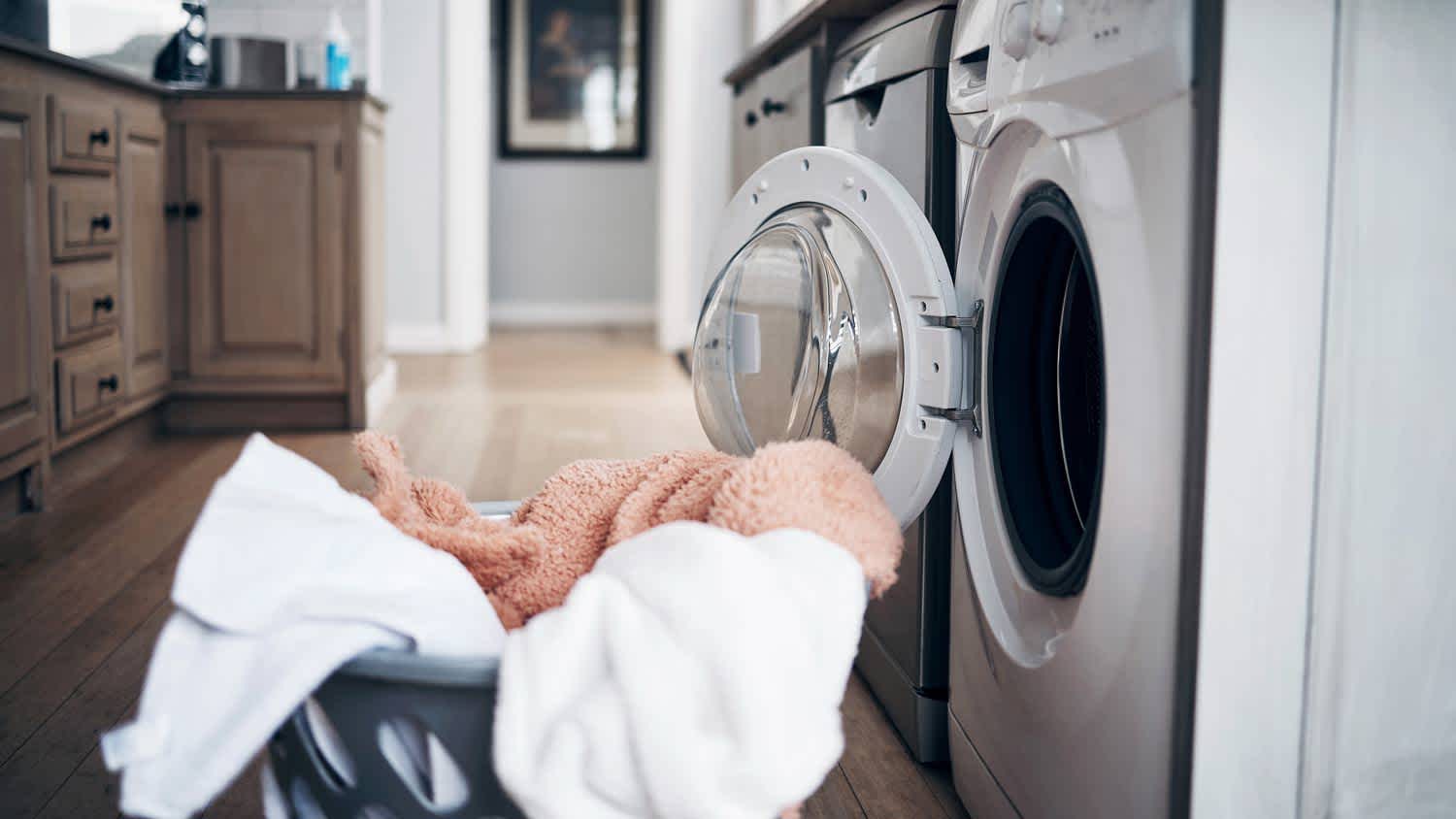
Dryer repair costs as little as $10, but sometimes, replacing your dryer is more cost-effective. But if you have to make repairs, here’s how much it’ll cost.
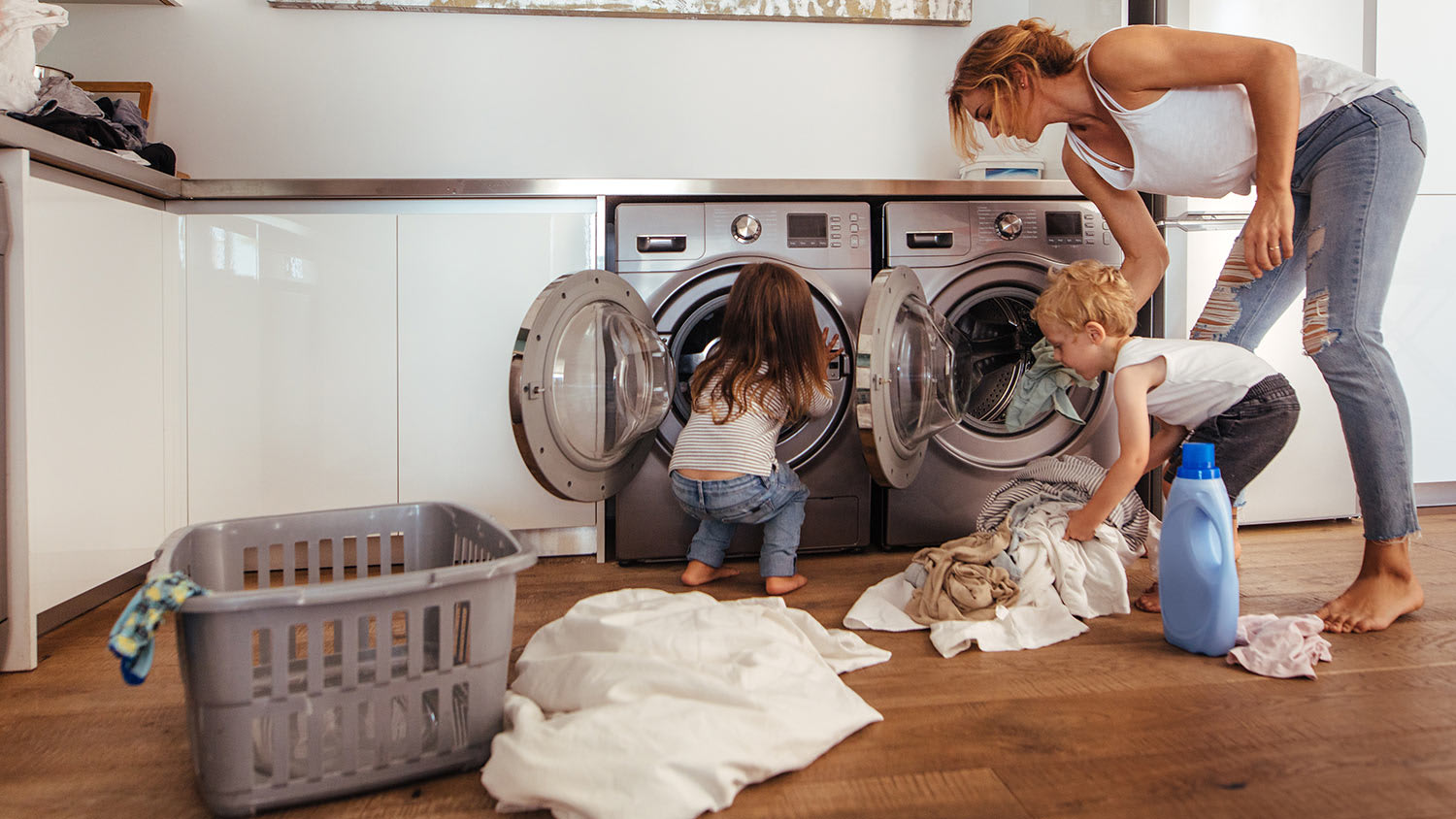
Installing a gas dryer can help you save on your monthly energy bills. Depending on whether you need a new gas line, gas dryer installation costs will vary greatly.
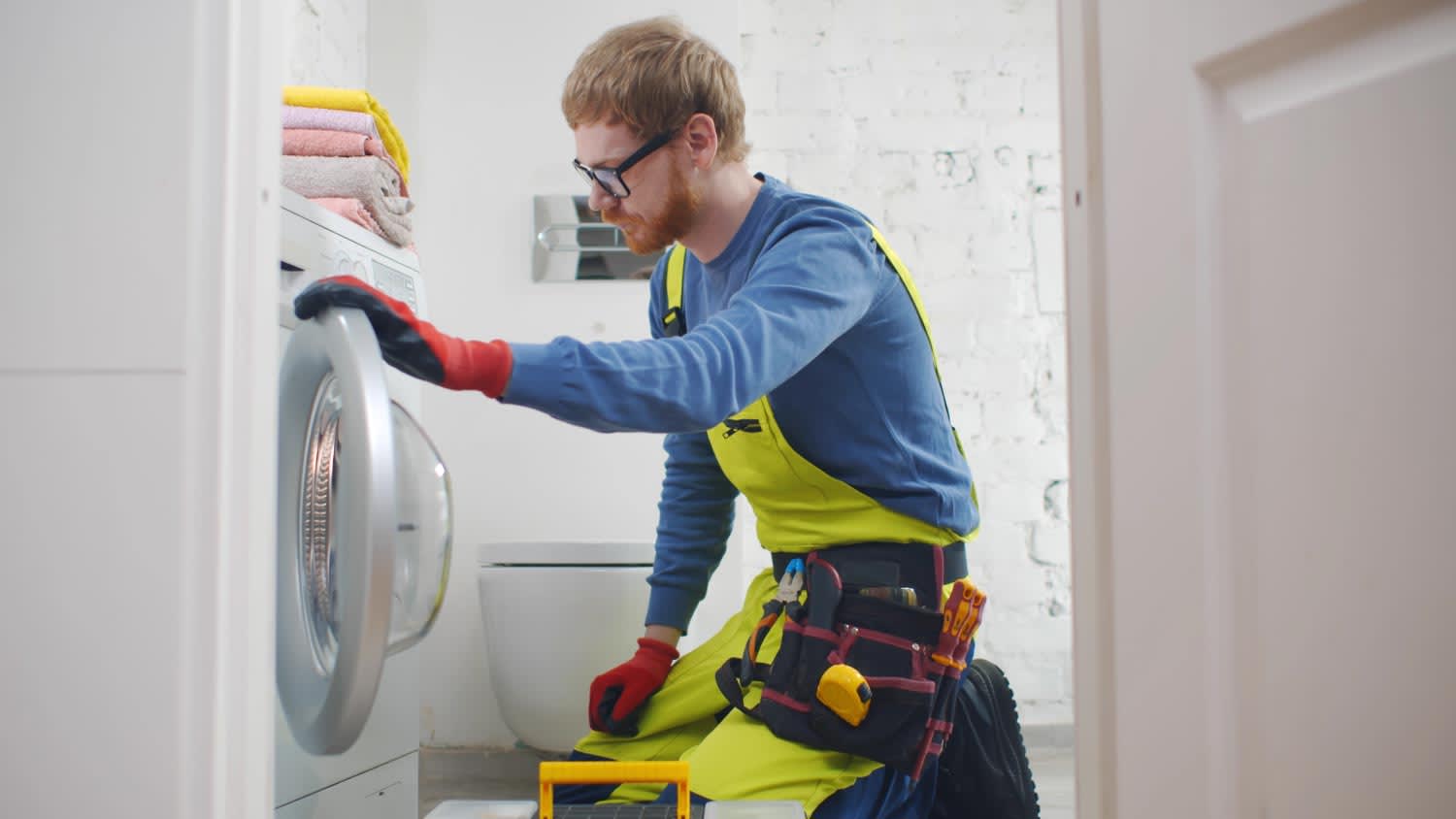
Finding the right pro to install your new washer and dryer will help the machines work better, last longer, and ensure everything is connected correctly.
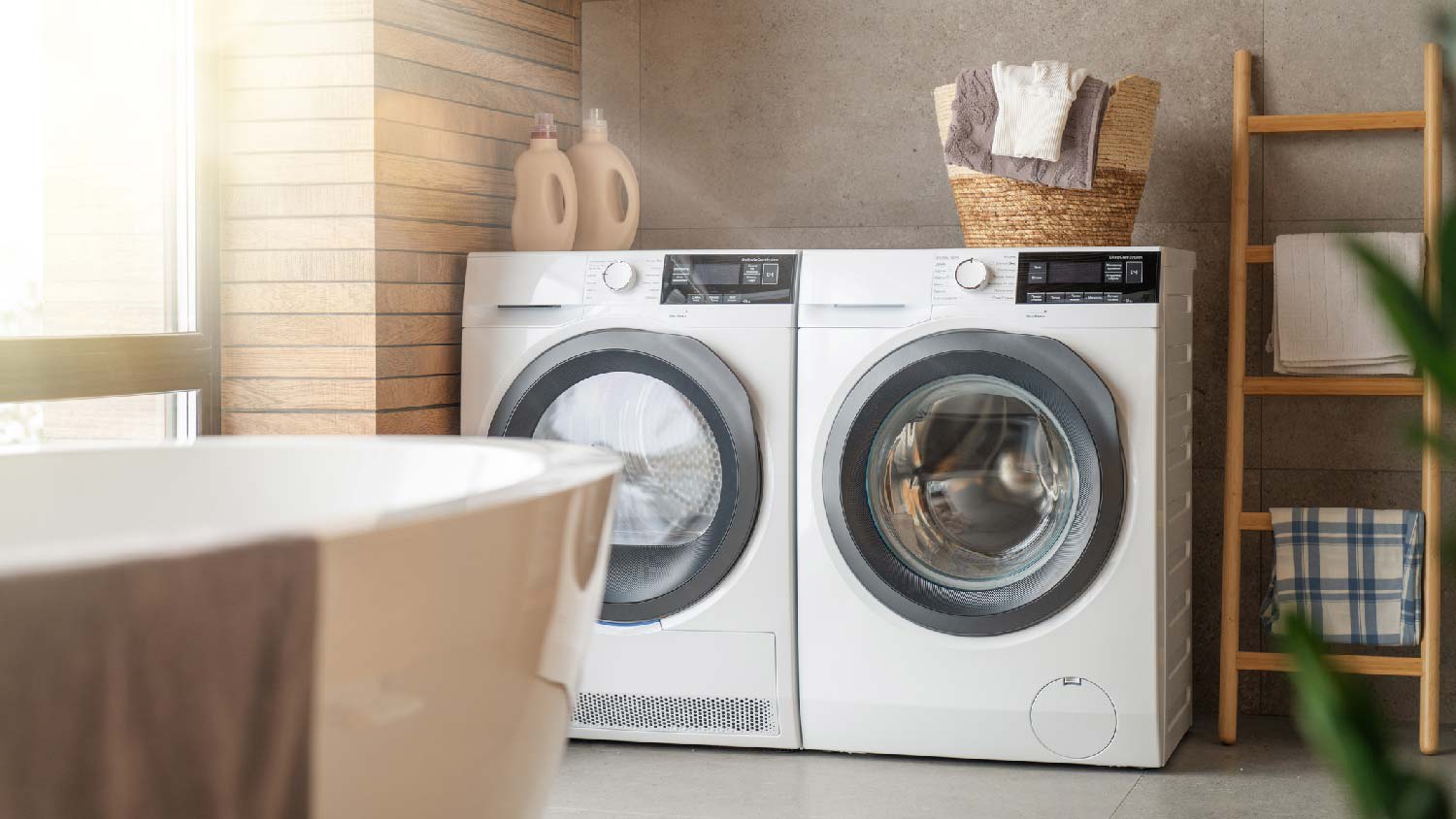
The best option for who to hire to relocate a washer and dryer is a washing machine repair pro, but you also may need an electrician, plumber, and contractor.
Looking for a new washer or dryer to keep your clothes fresh and clean? Learn how to choose a washer and dryer by knowing what to consider.