
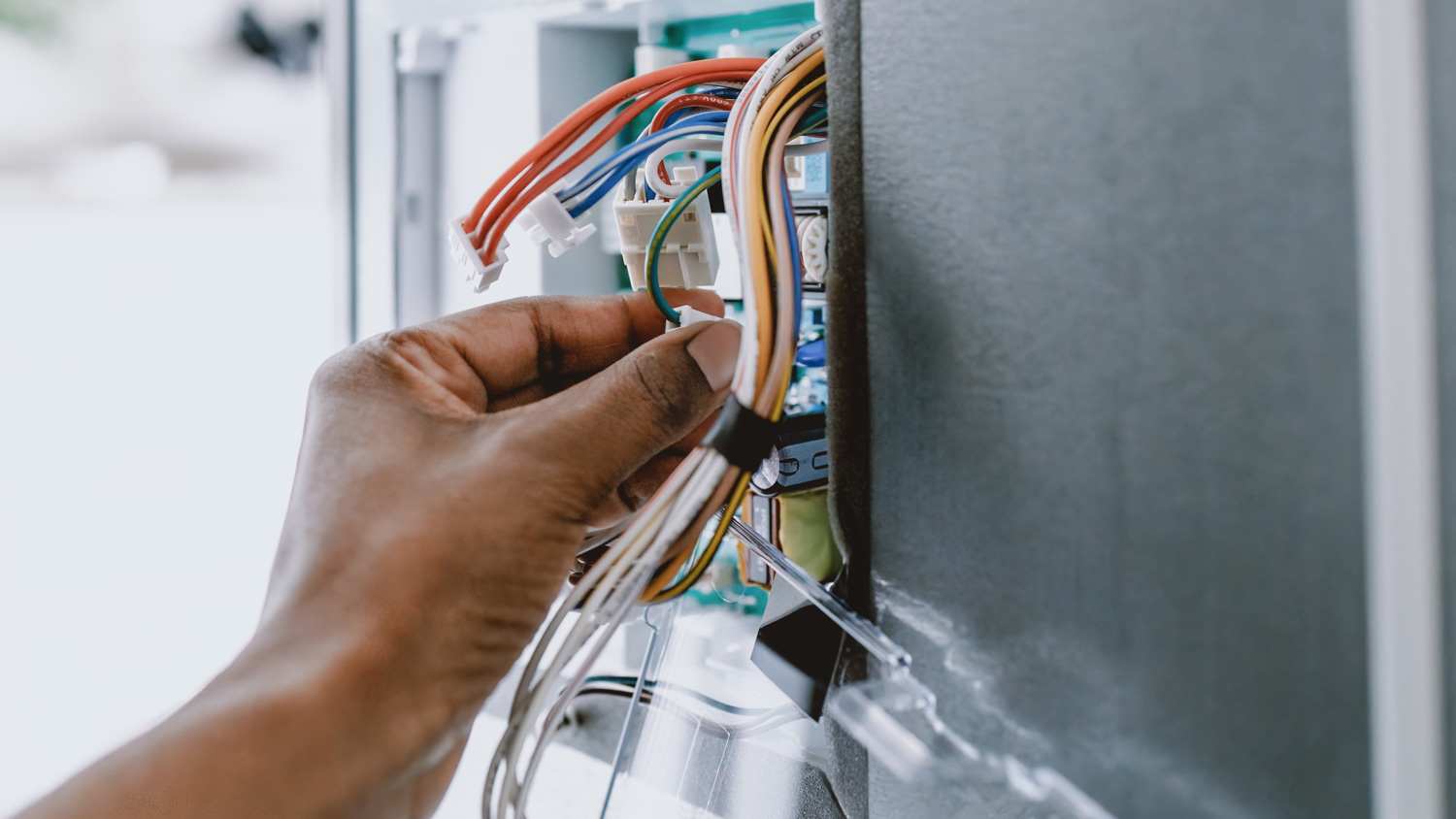
Whether you’re shopping for a new home or simply doing a safety check on your current place, learn what factors influence an electrical inspection cost.
Keep tabs on potential electrical dangers in your home

Exposed electrical wires and damaged extension cords increase your risk of electrical shocks and fires, especially when you spot fraying, rodent damage, or weathering.
Overheated light fixtures from incorrect bulb wattage can ignite fires in your home, so check that every bulb matches the fixture's recommended wattage rating.
Loose outlets spark and shut off your appliances unexpectedly, signaling worn receptacles that need replacing before the danger of electricity escalates into serious electrical hazards.
Hiring a local electrical professional provides reliable support for breaker panel damage, GFCI troubleshooting, and exposed wire repairs that keep your home safe.
One of the critical duties of homeownership is to keep a vigilant watch for common, and sometimes dangerous, electrical problems. It may sound scary, but if you make it a habit to check for potential hazards, you’ll catch small problems before they become big issues.
Here’s the good news: Most electrical issues give away a few hints early on. Let’s review eight common electrical safety issues, plus how to spot their warning signs.
Holiday lights and DIY projects wouldn’t be the same without an assist from extension cords. But since they’re in constant use, damaged or exposed wires are common in worn-out extension cords. The visible damage serves as a warning sign that bigger problems, like an electrical shock, could be right around the corner.
If you ever pick up an extension cord and it feels hot, it means it's conducting too much power for its rated capacity and potentially could start a fire from overuse. Your extension cords should have a rating that supports the appliance you’re using.
Homeowners often mistakenly remove the extension cord by tugging the line from the wall instead of pulling the plug from the outlet. Over time, this action loosens the connection and exposes the wires inside the coating, leading to accidental burns or shocks.
If your extension cord has loose ends, or you've bandaged it with electrical tape, it's time to replace the extension cord. Damaged cords may have exposed live wires that can lead to electrical shock and fire hazards. When inspecting your extension cord, you should also look for other types of destruction, such as rodent bite marks, cuts from a wayward slice of a utility knife, and weathering from exposure to the outside elements.
A ground fault circuit interrupter (GFCI) is an outlet usually found in kitchens and bathrooms within six feet of a water source. This device prevents you from getting electrocuted if your plugged-in appliance comes in contact with water.
These outlets immediately stop the flow of electricity, also known as tripping, when they sense the slightest change in the electrical current. If your GFCI starts tripping repeatedly, you probably have a faulty appliance plugged in or have a worn-out GFCI outlet receptacle.
To see whether your appliance is the problem, unplug it and reset the GFCI by pushing the center button. If you plug it in again and the GFCI still trips, it works correctly and your appliance is faulty. But, if you think the GFCI isn’t working correctly, contact an electrician to replace it. Working with electricity isn’t a job for a DIY homeowner.

The kitchen may be considered the heart of the home, but your breaker panel gives the house life. Any damage to this powerful panel shuts down important conduits of electricity, like air conditioning and heat.
Ensuring that the panel remains in excellent condition helps you ward off any unwanted electrical disruptions. Keep in mind, electrical fire risks increase during the winter, so take a look at the condition of the unit well before the cold temperatures set in. Call an electrician if you see rust, corrosion, and damage from rodents, which all increase the chance of an electrical fire.
If you find exposed wires inside or outside of your house, it’s a good idea to investigate them for damage. They might have been chewed by animals or split and cracked from age. If so, exposed wires could cause sparking and possibly a house fire.
If you find damaged wires in the basement, attic, or any entrance leading from the outside, it’s best to call a local electrician for repairs to avoid precarious situations, such as an electrocution.
Light bulbs are such a common household item that you may overlook them as a potential fire hazard. But, if you use a light bulb with a higher wattage than recommended, it could overheat the light fixture and catch on fire. If you have a light fixture with multiple bulbs or a strand of lights, check all of the bulbs individually and replace them as they burn out. Consistent bulb wattage avoids the risk of fire.
If your outlet faceplate is warm to the touch, you probably have an oversized electrical load operating on that unit. So, you’ll need to monitor any warm faceplates to avoid burns or fire hazards from an overheated outlet or wires. If the problem persists or the faceplate becomes hot, call an electrician.
There is one exception to this rule: If the faceplate has a dimmer switch and it’s warm (not too hot to touch), it's okay to use. This is a normal trait of a dimmer switch because electricity moves through the circuit and redirects the power to dim the lights, which makes the plate feel warm.
It’s easy to write off a wobbly ceiling fan as just being old or worn out. But an unbalanced fan with warped blades can loosen the connection to the attached electrical box, which can fray the interior wiring. With damaged wiring, gravity could take over and the fan could fall, risking injury from the landing, or at least hang precariously, inviting electrical shock.
If you think your fan still has life left in it, call an electrician to fix the damaged wires. If not, take this as a sign to replace your ceiling fan and install a new one.

Has your vacuum ever shut off suddenly? You weren’t doing anything out of the ordinary, like swinging the cord like a jump rope, but the plug still fell out of the outlet from the vacuum vibrations. It’s most likely because the outlet is loose. Yes, they can wear out and need replacing.
Sometimes, loose electrical outlets spark. Consider this a mild warning sign of future danger. For a quick fix, check to see if the outlet receptacle or the outlet in the electrical box is unscrewed. Adding plastic shims to the outlet could fix the problem, or you might need to hire an electrician for a new outlet receptacle or outlet replacement.
I recently had Mosby Electric perform an electrical installation on 8-14-2026, and I couldn’t be more satisfied with the service. From the moment I called, their team demonstrated fast arrival and professionalism. The electricians were highly knowledgeable, completing the installation...
 Mosby Electric
Great company! Price was competitive, technician showed up on time and completed the job (exterior electric Radon fan replacement) quickly. Would hire them again.
 MaGen Property Inspections and Radon Mitigation
I conferred with 2 other contractors before Armstrong Electric. Nick and his crew showed me that the project was not as convoluted as the other contractors made it appear to be. They completed the entire project on time. They were professional, friendly and cleaned up after at completion. I...
 ARMSTRONG ELECTRIC, LLC
The techs on my project, Shawn and Cliff, were great. They were prompt, courteous, and efficient. I am very happy with the results and would definitely contact Mr. Electric for any future electrical projects.
 Mr. Electric of Columbus
Victor was wonderful. He was on time, professional, and explained everything he was doing. He was thorough and figured out that the problem was electrical instead of with my HVAC system. Very knowledgeable. I will be using this company in the future for any HVAC needs. Thanks!
 Hubbs Heating & Air LLC
They were excellent. They did a great job. I was totally satisfied. They put tremendous effort in making sure the work was completed. They were great. They provided immediate response to any inquires I made. I would hire them again. I would recommend them to anyone who needs electrical work....
 JCB & Associates, LLC DBA Property-Tech Industries
Initially, the repairman could not find the problem. Apparently, there was some electrical shortage, but he could not find the definite problem. He left, but called back later to say he had a new idea. He returned and replaced the light switches on the doors. The refrigerator seemed to return...
 Appliance Pro LLC
The initial quoted price from a walk-through seemed high, but we discussed that the quote represented worst case scenario (re-wiring to two floors) and we were excited about the opportunity to have the work done in a timely manner with closing for fire safety reasons, etc. When the job was...
I have to tell you I am all about customer service - I will go out of my way and even pay more for it if you give me great customer service. <br> <br>In a world where this is hard to find, these guys were awesome! I can not sing their praises enough. They were prompt, personable, funny, got...
 Waibel Electric
When I challenged the markup on the generator, Bruder Electric withdrew its bid. They only want naïve customers.
From average costs to expert advice, get all the answers you need to get your job done.
Whether you’re shopping for a new home or simply doing a safety check on your current place, learn what factors influence an electrical inspection cost.
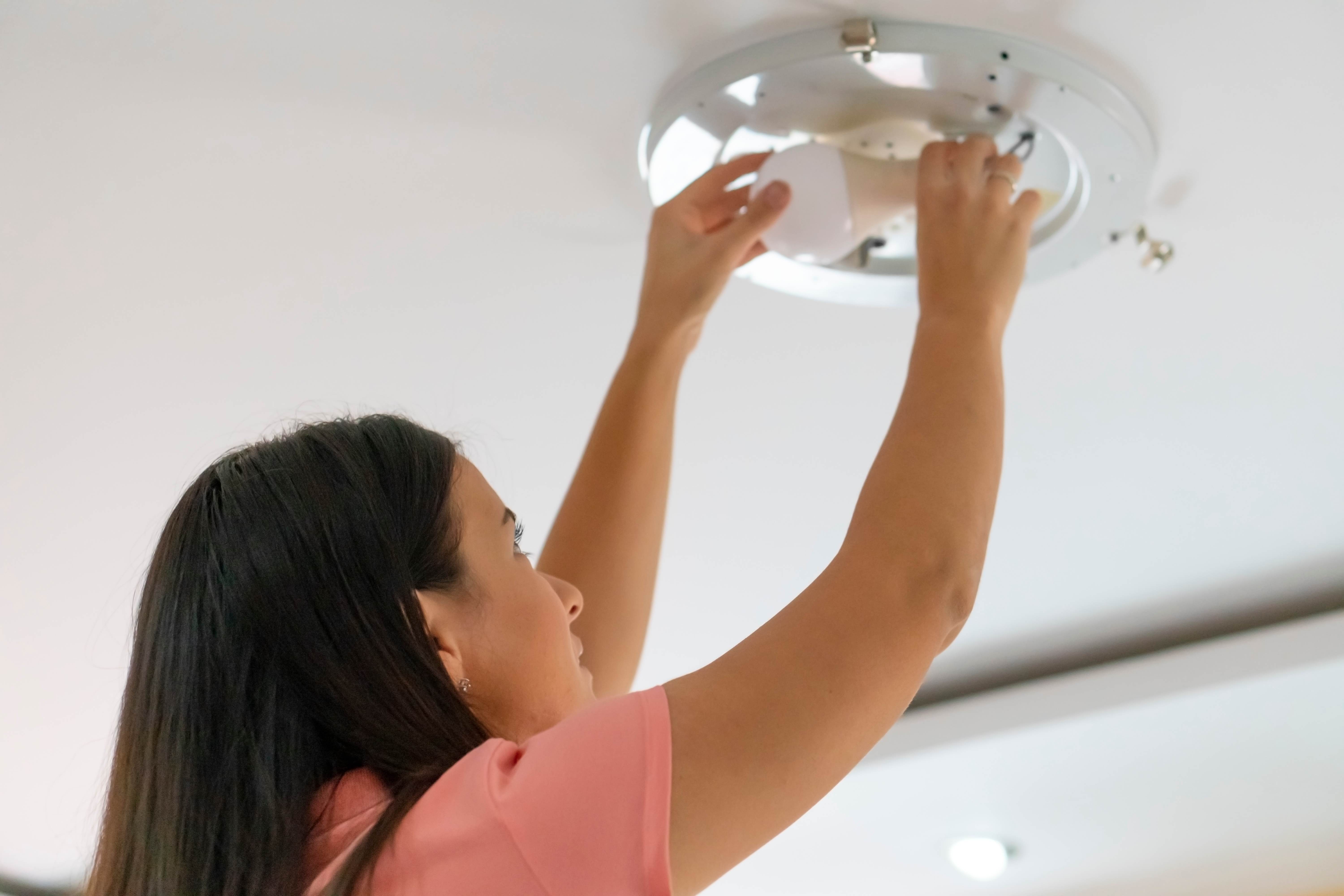
There are a few signs to look out for if you think you might be experiencing an issue with your electric system. Here are some common warning signs for electrical problems, plus what issues you can tackle yourself and when you should call a pro.

Our guide can help you determine the source of the circuit tripping and how to correct it in order to keep you and your home safe.

Faulty wires, warm chargers, and hot outlets mean something is wrong with your outlet. While some of these problems are easy fixes, others are safety risks. Find out how to fix an outlet fast so you can use your electronics with ease.

Cloth wiring is common in older homes, and it can be a hazard to your health in more ways than one. Here’s what you should know about this electrical covering.

You can find several types of electrical wires in your home, but do you know which one is which? This chart of electrical wire types will help you identify the wires you’re working with.