
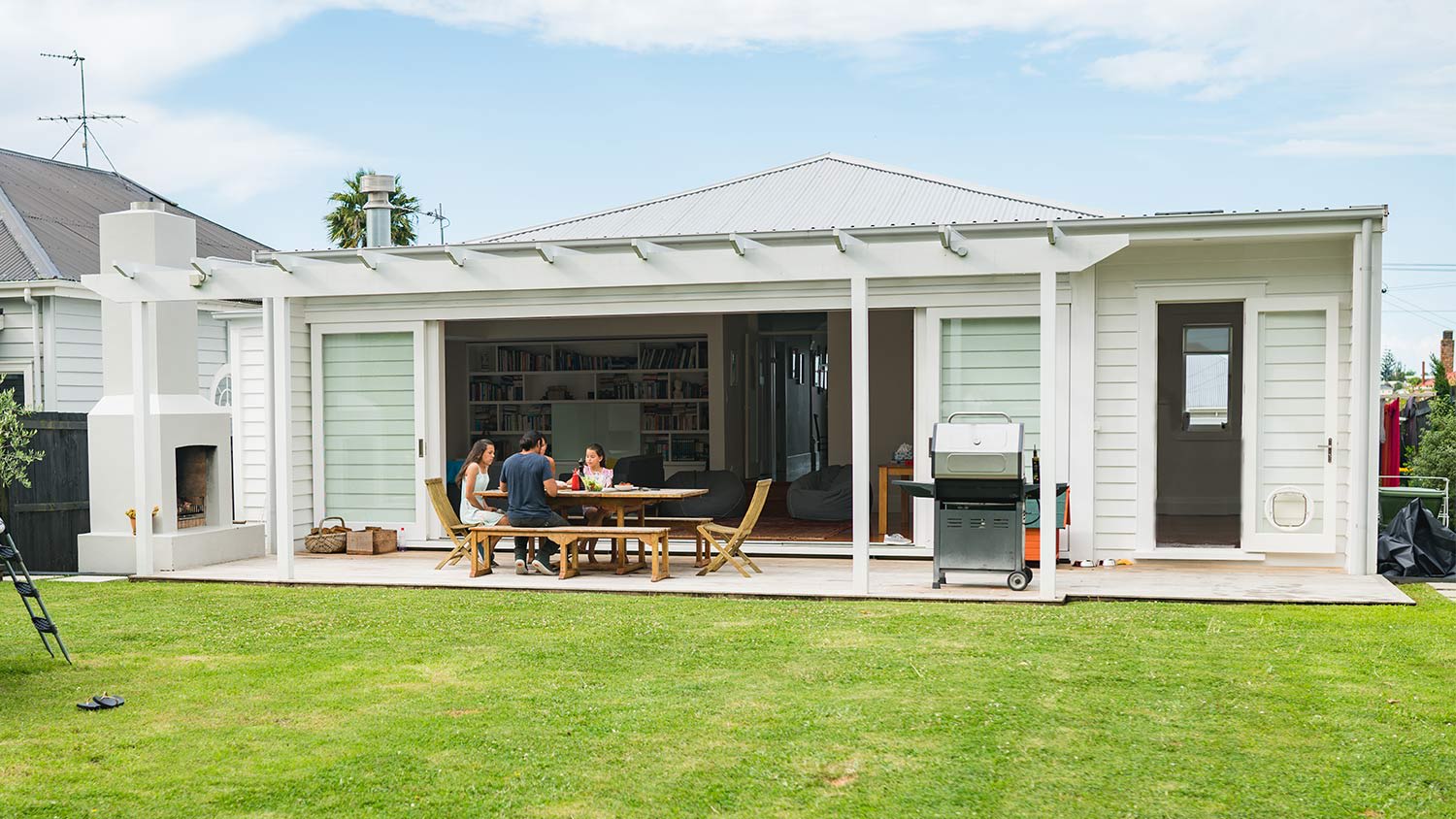
Dreaming of building your own home from the ground up? Learn how much it costs to build a house yourself and if it’s worth it to skip the pro on this project.
Contractor service costs depend on your project and location. Check with a local pro for your specific job.

Building permit costs range from $525 to $3,114 for your project, with simple permits around $150 and complex renovations reaching $8,500.
Your permit fees depend on project type, size, local rules, and whether electrical, plumbing, or structural work needs approval.
Your budget should include add-on fees like certificates of occupancy or renewals, plus an expeditor fee of $200 to $1,000.
Hiring a local air conditioner installing professional pulls required permits, helping you avoid fines and stop-work delays.
In 2026, the national average cost of a building permit is $1,688, based on 167 verified projects from Angi Pros. Most homeowners pay between $525 and $3,114, driven by project type, local jurisdiction rules, and whether electrical, plumbing, or structural work requires separate approvals. Simple permits for plumbing or rewiring can run as low as $150, while large, complex projects requiring multiple permits—like new construction—can reach $8,500.
The cost of obtaining a building permit depends on several factors, much like the cost of building a house. Project type, size, location, and the number of permits required all influence what you'll pay. Understanding these factors upfront helps you build a more accurate budget before work begins.
Completing a project without a permit could result in major fines or having to tear it down and start over. A reputable contractor can pull the necessary permits for you prior to starting a project.

In some cases, especially with new construction or a remodel, your local building department might charge you based on the square footage you're building. In most cases, the cost will increase incrementally rather than be a per-square-foot fee, meaning your price can go up as your project size increases.
Building permits can cost anywhere from $10 to $2,000, with prices varying widely across permit categories. Simple single-trade permits like electrical and plumbing sit on the lower end, while mid-range specialty work like HVAC and roofing fall in the middle. Comprehensive construction projects and major structural changes (such as garage or basement conversions) carry the highest price tags due to their multi-stage approval requirements.
The table below breaks down the average permit cost based on type:
| Type of Permit | Average Cost in 2026 |
|---|---|
| Construction | $150–$2,000 |
| Roofing | $250–$500 |
| Garage and Basement Conversion | $1,200–$2,000 |
| Electrical | $10–$500 |
| Plumbing | $50–$500 |
| Window | $50 per window |
| HVAC | $250– $400 |
| Demolition | $200 |
Some authorities will only charge a flat rate for permits. For example, pulling a plumbing permit for repairs could cost $150, regardless of how expensive the actual repair is. Others may charge a flat fee in addition to a percentage of the project budget or the contractor's quoted price.
Your local building department sets the fee schedule for all permits in your area, making location one of the biggest drivers of what you'll pay. Major metropolitan areas generally charge more than rural areas, though this isn't a universal rule. Some authorities also require permits for types of work that others don't, meaning all-in costs can vary significantly depending on where you live. The table below shows average building permit costs across several U.S. cities:
| City | Average Building Permit Cost in 2026 |
|---|---|
| Boise, ID | $460–$2,940 |
| Chicago, IL | $430–$2,700 |
| Dallas, TX | $410–$2,600 |
| Houston, TX | $410–$2,600 |
| Los Angeles, CA | $640–$4,080 |
| New York City, NY | $560–$3,520 |
| Philadelphia, PA | $430–$2,710 |
| Phoenix, AZ | $500–$3,180 |
| Portland, OR | $500–$3,200 |
| San Antonio, TX | $410–$2,610 |
Residential building permits are required for projects involving single-family homes, duplexes, and multi-family residences. On the other hand, commercial permits are used for non-residential buildings, such as offices and retail shops. Most residential building permits cost less than commercial ones.
Building permits ensure that projects comply with local safety codes, but they might also protect the environment or preserve historic structures. Specialized historical or environmental permits often cost more because they require additional, rigorous local agency inspections. The added fees for these types of permits will vary widely based on your state and local municipality.
Expedited building permits can speed up project approval, but they often cost more than standard permits. In areas where expedited permits aren't available, hiring an expeditor is an alternative—though it can add $200 to $1,000 to your permit total depending on project size. If you find an architect with existing relationships at the building department, they may be able to expedite your permits for less. Some municipalities offer expedited permits for specific projects, such as solar installations, at no additional cost.
Some projects require additional application or approval fees beyond the base permit cost, depending on the project type and the state you live in. Common add-on fees include certificates of occupancy, investigation fees, and permit renewals. The table below outlines the most common additional fees you may encounter when getting a building permit:
| Type of Fee | Average Cost |
|---|---|
| Certificate of occupancy | $250 |
| Investigation fee | $300 |
| Revision fee | $150 |
| Certificate of appropriateness | $150 |
| Technology fee | $70 |
| Permit renewal/extension | $800 |
| State surcharge | $70 |

There are many types of permits, and you may need to apply for more than one depending on the project you're undertaking—for example, permit costs for a remodel versus a renovation can be drastically different.
Be aware that the average prices outlined in the examples below are a useful guide, but every local authority has its own pricing structure. Always do further research to get accurate fees for populating your project budget spreadsheets. Your contractor may be able to help, or you can visit your local building department's website or call their office.
Construction permits for major renovations and new builds typically cost $150 to $2,000, with large-scale projects running higher. These main building permits cover structural changes—such as adding extensions, removing or building interior walls, or altering kitchen and bathroom layouts. Local municipalities calculate fees using a flat rate, a per-square-foot model, or a percentage of total project costs. When you hire a pro, they'll often include permit costs in your total cost to build a house or home addition estimate.
The table below shows average construction permit costs by project type:
| Construction Project | Average Cost in 2026 |
|---|---|
| Basement finishing | $500 |
| Bathroom remodel | $600 |
| Concrete patio | $400 |
| Deck | $100 |
| Dormer | $1,500 |
| Fence | $150 |
| Finishing an attic | $800 |
| Home addition | $1,300 |
| Kitchen remodel | $1,000 |
| Pergola | $100 |
| Pool (above-ground) | $250 |
| Pool (in-ground) | $1,250 |
| Shed | $150 |
| Whole-home renovation | $2,000 |
A standalone roofing permit costs $250 to $500 on average, though a general building permit will often cover roofing work when it's part of a broader renovation. If you're re-roofing your home as a one-off project, you'll need to apply for this permit before work can begin. Roofs over 1,000 square feet may carry additional charges beyond the standard fee.
Adding or converting a garage or basement costs $1,200 to $2,000 in permit fees, as main building permits are usually bundled with separate electrical, plumbing, and HVAC approvals. Complex additions that require new sewer lines or specialized waterproofing might need additional permits. If you're keeping the conversion simple with minimal added features, permit fees can be more modest, ranging from $50 to $500.
Electrical permits are required when you rewire or add new wiring, circuits, or outlets, and they cost $10 to $500. These are among the more affordable permit types, making them a manageable addition to most electrical project budgets. If your electrical work is part of a larger renovation, it may be covered under a general construction permit rather than requiring a separate application.
Plumbing permits for kitchen remodels or bathroom remodels involving new piping or drain installation cost $50 to $500. Permits for changes to your water main or main sewer line tend to run higher than standard plumbing work. The most expensive plumbing permits involve septic system installations or alterations, since environmental concerns often trigger additional inspection fees.
Window permits cost around $50 per window and are required when replacing windows in your home—and sometimes even for repairs—to ensure replacements meet current safety and energy-efficiency standards. These permits are often easier to obtain than most other types and are sold on a per-window basis. Replacing several windows at once typically proves more cost-effective than pulling permits for individual windows over time.
HVAC permits cost $250 to $400 on average and are required any time you're installing or moving air ducts and vents, or having heating or air conditioning installed or upgraded. If you've already applied for a main building permit, HVAC work may be covered under that initial fee. Always confirm with your local building department before paying for a separate HVAC permit.
A demolition permit costs around $200 and is required before tearing down an outbuilding with foundations or knocking down a home for new construction. Demolition contractors often include this cost in their quote, but you should always confirm, since failing to obtain the permit can result in significant fines. If you plan to build a new structure on the site after demolition, you'll also need to apply for separate construction permits.
Outdoor project permits vary widely in cost depending on the scope of work, with fence permits running $100 to $200 for structures over 6 feet tall. Patio and deck permits range from $100 to $500, though paver patios are often exempt since they don't require a foundation. Shed permits can start as little as $150, while a larger project like an in-ground pool can cost an average of $1,250—and built-in pools always require a permit before work begins.
While pulling a permit yourself could save you some money, it might be worth hiring a pro to ensure that you get the proper permits for your particular project. Consider reaching out to a general contractor near you to avoid having to pull additional permits and pay more fees down the road.
It’s also important to note that many municipalities will only allow licensed professionals to pull permits. For example, if you need electrical or plumbing work done, and you don’t have an electrical or plumbing license, you might legally have to hire a professional to pull the permits for you.
Unfortunately, building permit costs are often unavoidable and aren’t negotiable, so there are just a few things you can do to save on the cost of a building permit.
Pull permits yourself: If your building department allows, you can save money on building permit costs by pulling it yourself, as opposed to having a contractor do it for you. Contractors may charge added fees for the application process if they have to pull permits for you.
Don’t rush the process: You can often get permits approved more quickly by hiring an expeditor or paying for expedited permits, but both of these will drive up the cost of your permits. Plan ahead for how long it takes to get a building permit in your area to avoid these fees.
Know your timeline: Building permits last for six months, on average, unless the construction starts within that time frame. Once construction starts, the permit is often good for one to two years, depending on the specific project and your location.
Don’t try to avoid permits: While forgoing the permitting process might seem like a good way to save money, you’ll often end up paying more in the long run. You could be subject to building code violations if your municipality finds out about illegal construction, and these often total more than the initial permit cost.
Home is the most important place on earth, which is why Angi has helped more than 150 million homeowners transform their houses into homes they adore. To help homeowners with their next project, Angi provides readers with the most accurate cost data and upholds strict editorial standards. We survey real Angi customers about their project costs to develop the pricing data you see, so you can make the best decisions for you and your home. We pair this data with research from reputable sources, including the U.S. Bureau of Labor Statistics, academic journals, market studies, and interviews with industry experts—all to ensure our prices reflect real-world projects.
Want to help us improve our cost data? Send us a recent project quote to [email protected]. Quotes and personal information will not be shared publicly.
Exquisite workmanship from Custom Paint Jobs LLC. My home has never looked better.
 Custom Paint Jobs, LLC
Visited my home for estimate same day that I called. Painted on Saturday. Great job. Good price!
Window Depot did an amazing job on my deck. I wasnt sure what I wanted to do, but their composite decking was affordable and will last a long time. I am excited to have family over, and I am no longer embarrassed by my backyard. Jeff and the ground crew were polite, respectful, and caring for...
 Window Depot USA of Central Ohio
The guys did an outstanding job and we had a great experience with CarifaTile. I appreciated that Joe reviewed the quotes with me and set expectations prior to the install. The crews showed up as scheduled and always left the areas clean upon leaving the house. We will definitely use...
 CarifaTile
Beginning with the estimate, Larry and Peyton were super helpful in getting my new condo's interior re-painted. Not only was the job well done, but also done in a super timely manner as promised.
 Five Star Painting of Plain City and Powell
BJ Trim Carpentry rescued me in the middle of a do-it-yourself project. I found I needed more expertise than I had...and more TOOLS! BJ Trim Carpentry responded quickly and completed what I needed expertly, politely and with a little humor!
This brownstone is historical and the carpentry work is very detailed. I was very happy to secure a company in NY and living in OH to complete the request. Wood work on this brownstone has been existing since approximately 1888 and West side did a GREAT JOB. I will not be able to...
 Westside Home Improvement
We had a great experience with Mark Rodgers Construction. We were in the process of seeking out estimates for possible foundation work for our front porch. Mark came out himself to provide the estimate. Turned out that the company deals mainly with concrete, so we wouldn't be getting an...
 Mark Rodgers Construction
Overall this experience was incredible! I looked on Angies List for a cleaning service because I was planning a holiday party and wanted to make sure we found a reliable, thorough and efficient cleaning service to make sure everything was perfect for the party since we had co-workers and...
From beginning to end our experience with Joe was very good. He was professional and prompt in his estimate for the job and worked hard to meet our schedule so that he could remove our old backsplash the day before our new countertops were removed and return shortly after they were removed to...
From average costs to expert advice, get all the answers you need to get your job done.
Dreaming of building your own home from the ground up? Learn how much it costs to build a house yourself and if it’s worth it to skip the pro on this project.
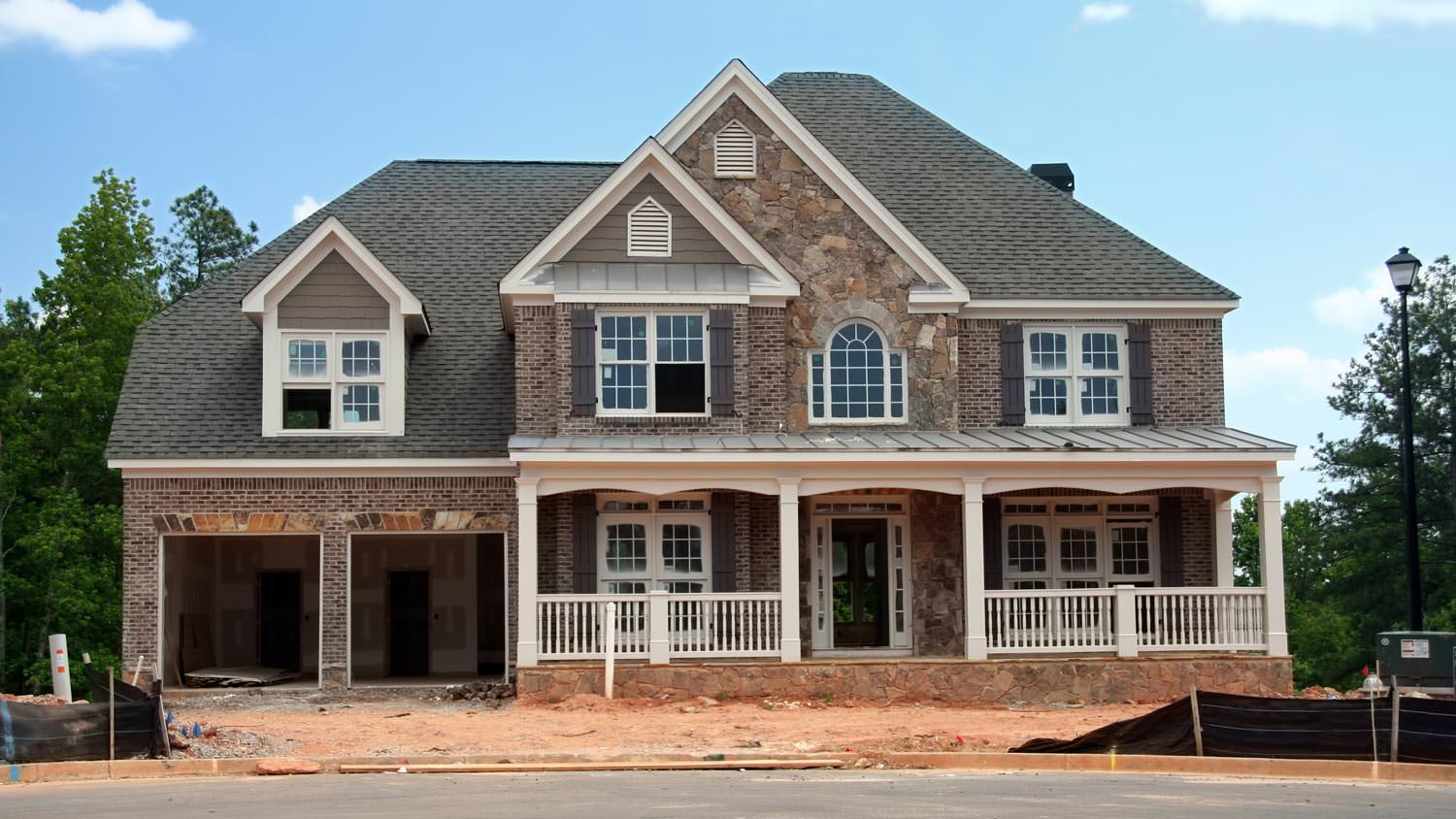
Wondering how much it costs to build a house? Use this guide to cover all your bases, from permits and planning to construction and finishing touches.
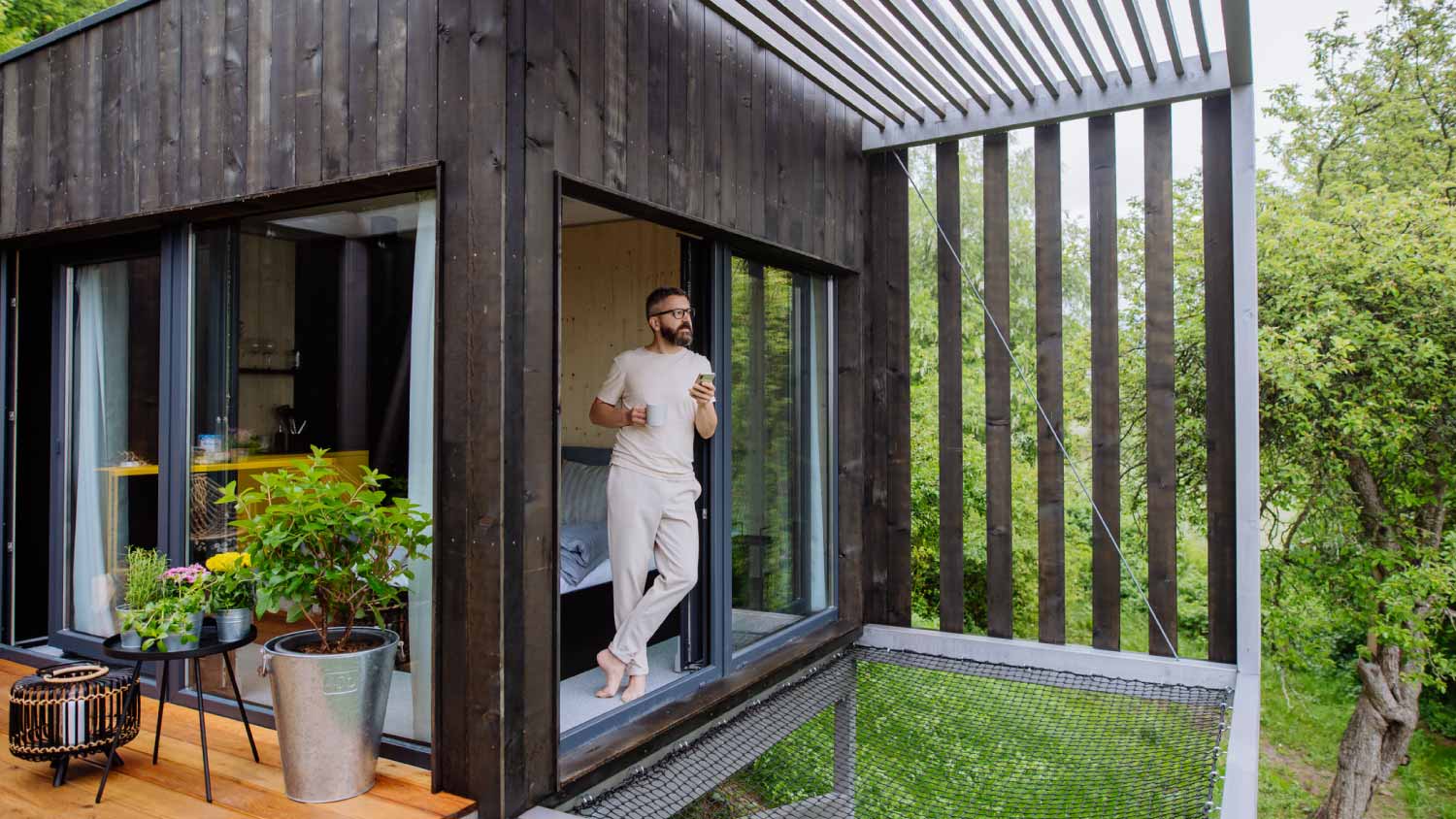
Building a home and looking to go as green as possible? Learn about the cost to build a green home and how energy-efficient features will affect the total.
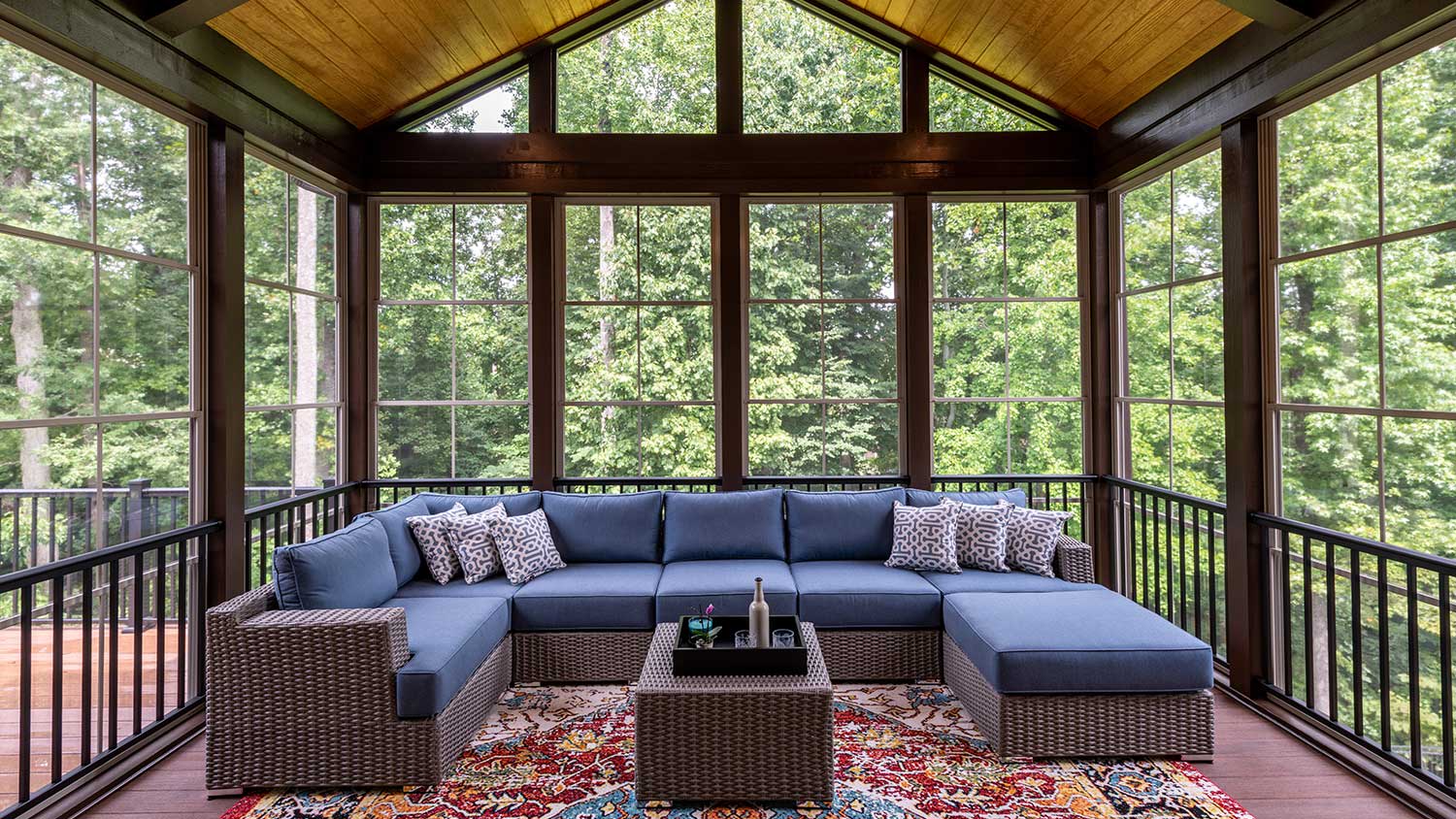
Most home projects that add or change the physical structure of your house, such as removing or adding a wall, require a building permit from your municipality.
Before breaking ground or tearing down that wall, consider an important question: when do you need a building permit for your project? Here's what to know.
When it comes to a building project, ensuring local regulations are met is key. Zoning permits ensure that your project is fit for the land.