

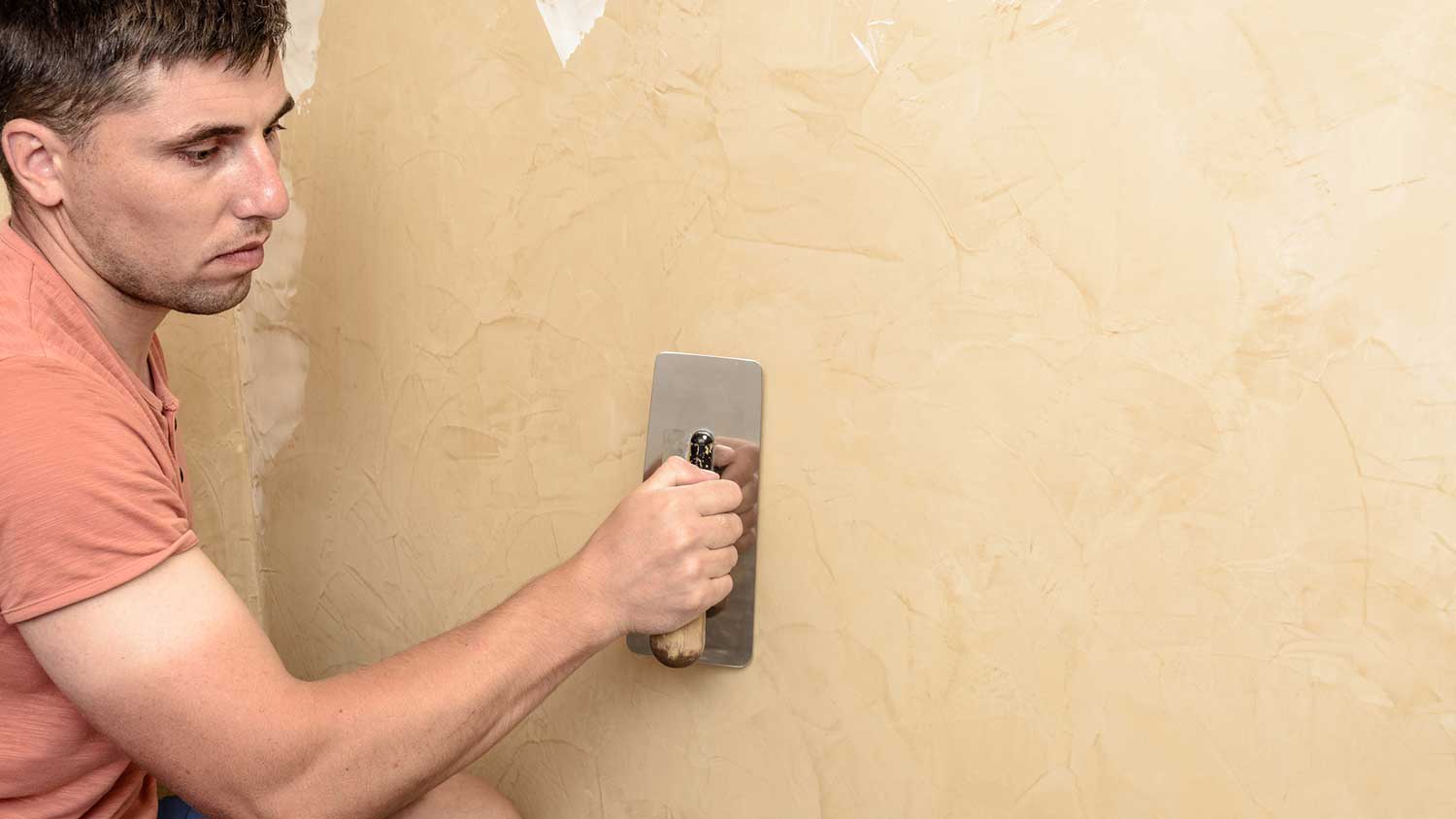
Drywall texture can create an attractive finish and add dimension to your home’s walls. This guide breaks down the factors that influence the cost to texture drywall.
Drywall service costs depend on your project and location. Check with a local pro for your specific job.


Professional drywall repair costs between $296 and $930, while handyperson services cost about $60 per hour for your smaller projects.
The size and location of your drywall damage are the primary factors that determine your total repair bill and project timeline.
Account for the cost of painting, retexturing, and debris removal when you create your budget for larger drywall repair projects.
Hiring a local drywall repair professional provides reliable help with complex repairs and saves you time while ensuring a smooth finish.
In 2026, the national average cost to repair drywall is $613, based on 36,945 verified projects from Angi Pros. Most homeowners pay between $296 and $930, with some contractors charging between $50 and $75 per square foot or $60 and $90 per hour—driven primarily by the size of the damage, its location, and the complexity of the repair.
Several factors shape your total drywall repair cost, including the size and scope of the damage, its location, the materials required, and whether additional repair work is needed. The extent of the damage and how accessible the area is are two of the biggest drivers of price. Here is a look at how the costs break down.
The size and scope of your drywall damage are the primary cost drivers, with repairs ranging from $10 to $30 for a DIY kit on a small hole up to $1,300 for a large ceiling repair. The total cost depends on the extent of the work and how long it takes to complete.
Here is how costs break down by square footage:
| Square Footage | Average Cost for Materials and Labor in 2026 |
|---|---|
| 1 | $50–$75 |
| 2 | $100–$150 |
| 4 | $200–$300 |
| 5 | $250–$375 |
| 8 | $400–$600 |
| 10 | $500–$750 |
| 20 | $1,000–$1,500 |
For small repairs, a drywall repair kit works well, but larger jobs call for purchasing materials separately, with a basic supply bundle—drywall, spackle, a putty knife, wood, screws, and sandpaper—running about $45. Budget an additional $15 to $25 for a quart of paint or $20 to $55 for a gallon. Here is a breakdown of common drywall repair material costs:
For more significant drywall issues, some of the materials you will need include drywall sheets, screws, drywall tape, and spackle. You may hear the term drywall and Sheetrock® used interchangeably. Sheetrock is actually a specific brand that costs slightly more than generic drywall.
The following are average costs for the materials:
| Drywall Repair Materials | Average Cost Range in 2026 |
|---|---|
| Patches | $7–$10 |
| Drywall tape | $4.50 per roll |
| Spackle | $5–$15 per container |
| Sandpaper or sanding sponge | $5–$10 |
| Drywall repair kit | $10–$30 |
| Standard drywall | $10–$25 per sheet |
| Drywall screws or nails | $5–$10 per box |
| Paint | $15–$55 per gallon |
| Putty knife | $2–$15 |
| Drywall mud (joint compound) | $5–$10 |

Handypeople are the right fit for smaller projects and charge about $60 per hour. For extensive damage or full wall replacement, a contractor is the better choice at around $90 per hour. Most local drywall repair companies will have these pros as two main options.
Remember to budget for hiring other pros as needed. If the drywall damage extends to the wiring behind the wall, contact an electrician for repairs. The average cost to hire an electrician is $50 to $100 per hour. If your wall needs painting and you don't want to do it yourself, you can hire a painter for about $70 to $130 per hour.
Drywall and plaster work require extensive practice and talent. You can try a DIY repair if a patch is small enough or where you won’t mind looking at a less-than-professional job when it’s done. If an entire wall needs repair, trust the pros to do the work so you're happy with the results.
Damage in hard-to-reach spots—such as tall walls, ceilings, or under sinks—typically costs more to repair because the work requires extra time and equipment like ladders. Some repair professionals add a flat fee for difficult access, while hourly workers simply charge for the additional time the job requires. If your repair involves an awkward or elevated location, ask your pro upfront whether they charge an access fee.
Larger drywall repairs generate significant debris, and your contractor will typically charge an additional $200 for construction debris removal. Smaller jobs usually cost much less to clean up, so the total cleanup fee scales with the scope of the project.
If your walls have texture, you will need a pro to reapply drywall texture after repairs are complete, which costs about $1 per square foot. Factor this into your budget whenever a repair affects a textured surface, since skipping retexturing will leave a visible mismatch.
Painting the interior of your house costs $2 to $6 per square foot or $70 to $130 per hour. After drywall repairs, painting is almost always necessary to blend the patched area with the surrounding wall. Getting paint matched to your existing wall color before the project starts will save you time and help achieve a seamless finish.
Depending on the scope of your project, several add-on services may increase your total drywall repair cost. Your contractor can help identify what your specific project requires, but here are some of the most common add-ons:
Popcorn ceiling removal: If you want popcorn ceilings removed, expect to spend about $6 per square foot to hire a pro. If your home has high ceilings or other factors that make the removal more difficult, plan to spend more. You can DIY it for less, but be sure you know how to do it correctly and rule out the presence of asbestos before you begin.
Spray foam insulation: Adding insulation can be a long-term money saver, but you’ll need to budget for the installation. If you choose polyurethane spray foam, expect to pay between $0.45–$1.50 per board foot (a board foot is a piece of lumber measuring 12 inches wide, 12 inches long, and 1 inch thick). Other, more eco-friendly options can double the cost.
Blown insulation: Blown-in insulation averages $0.50–$2.30 per square foot for materials alone, depending on the type of insulation you choose. Add another $2–$8 per square foot for labor when you hire a pro. The benefits can outweigh the cost, as blown-in insulation can increase your home’s energy savings.
Professional drywall repair costs between $150 and $1,800, with the final price depending heavily on the type and severity of the damage. Drywall installation costs vary widely for the same reason—a few small nicks from furniture sit at the low end, while serious water damage or mold push costs significantly higher.
Here are some common repair types and their associated costs:
| Type of Drywall Damage | Average Cost Range in 2026 |
|---|---|
| Small holes | $20–$120 |
| Large holes | $50–$200 |
| Cracks | $60–$400 |
| Dents | $20–$150 |
| Tears | $20–$120 |
| Joints and seams | $40–$200 |
| Beads | $50–$160 |
| Ceiling | $220–$1,300 |
| Water damage | $600–$1,550 |
| Nail pop repair | $10–$60 |
Repairing small holes in drywall (those up to 4 inches across) typically costs between $20 and $120, though fixing several holes at once can run as much as $300. These figures do not include extra work like retexturing or repainting. Most contractors charge a minimum trip fee, so very small repairs like fixing loose drywall anchors may not be cost-effective on their own.
If you want to tackle the project on your own, a DIY drywall repair kit costs $10 to $30.You might even end up with leftover materials you can use the next time something nicks your drywall.
Repairing large drywall holes—those measuring 5 inches or greater in diameter—costs an average of $50 to $200. Most pros price this work at $50 to $75 per square foot to fix large drywall holes measuring 5 inches or greater in diameter. Large holes are common results of heavy furniture impacts or accidental wall damage, and professional repair ensures a structurally sound, smooth finish.
Drywall crack repair costs range from as little as $60 for a hairline crack to upward of $400 for large cracks and corner repairs, with the size and underlying cause being the key cost factors. Costs can climb further if a structural or moisture issue is driving the cracking. Consulting a drywall repair company early helps prevent the problem from worsening and keeps repair costs manageable.
Sometimes, a crack occurs because a new home has settled. Other times, it's because your home has a structural problem. If there's an underlying cause, you'll need to fix it so the cracks don't return. Make sure to consult a drywall repair company before the issue worsens.
Drywall dent repair typically costs between $20 and $150, though severe dents that require removing and replacing the drywall can push costs higher. Small dents are straightforward enough that many homeowners handle them as a DIY project for less than $30, using a trowel ($15) and joint compound ($8). For anything beyond a minor surface dent, a professional repair ensures a smooth, even result.
Drywall tears—caused by ripped mud or tape layers, or a hard scrape against the surface—typically cost between $20 and $120 to repair. Because drywall is brittle, tears tend to stay localized rather than spreading, but they still require cutting out the damaged section, applying drywall compound, sanding, and repainting. The repair process is multi-step, so hiring a pro ensures a clean, seamless result.
Repairing joints and seams where two drywall boards meet costs between $40 and $200 in total, though fixing an underlying foundation issue will add significantly to that figure. Small cracks along the seam can be filled with joint compound, sanded, and painted for around $20 in materials. Larger cracks may signal foundation concerns or excess humidity, so it is worth investigating the root cause before completing the repair.
Repairing drywall beads—the L-shaped corner joints sealed with joint compound and painted over—runs a total of $50 to $160, with materials alone costing around $40. Beads themselves are inexpensive, but the replacement process is time-consuming because the old bead must be removed carefully to avoid tearing the surrounding drywall. Hiring a pro for this repair helps protect the integrity of the corner finish.
Drywall ceiling repair costs between $220 and $1,300, with the total depending on the extent of the damage and the hourly rate of the pro you hire. Most professionals charge between $60 and $90 per hour, so a small patch sits at the lower end of that range while extensive repairs push toward the top. Ceilings present real safety risks for DIY work and often require specialized tools, making this a repair best left to a professional.
Water damage repair costs an average of $600 to $1,550 for drywall, making it one of the more expensive repair types. The process involves cutting out the damaged drywall, assessing for mold, potentially replacing insulation, and installing a new panel. If your contractor uncovers mold during the repair, expect costs to increase substantially beyond that range.
If your contractor uncovers mold, costs can dramatically increase. Mold remediation costs $10 to $20 per square foot, but the total cost depends on the type of mold and the location.
Nail pop repair fixes the holes or bumps caused when nails dislodge and puncture the drywall surface and costs around $10 to $60 as a DIY project. You can remove the nail and patch the hole yourself, or you can hire a drywall pro for a cleaner, more reliable result. This is one of the more manageable drywall repairs for confident DIYers, but a pro is worth considering if you have multiple nail pops to address.
Drywall is brittle, making it susceptible to damage. Even brushing against it too hard with a vacuum or tripping and falling into it can lead to a needed repair. Swinging door knobs, moving furniture, and slamming doors are all common causes of drywall damage.

Think of drywall as a sheet of thin ice. If the pressure is spread out, it’s less likely to crack or break. When objects exert a strong force—like a swinging door knob—on a single small area, it will dent or even break through the drywall.
Foundation issues are less common but almost always result in long cracks. If you notice peeling drywall where there is no damage, make sure the room's humidity level is within normal parameters (25% to 50%).
An Angi survey found that the most common DIY projects gone wrong include drywall repair, plumbing work, electrical repair, and flooring installation. Mistakes can lead to costly or timely fixes, so if you’re not confident about tackling these projects yourself, consider hiring a pro.

Extensive drywall repair can get costly, but luckily, there are some things you can do to lower costs. If you have even minor home improvement skills, it’s time to roll up your sleeves.
You can use a DIY drywall repair kit if you have a tiny dent or hole in your wall. This kit costs as little as $10 and is relatively straightforward. Make sure you have the paint to match your wall to hide the patched area after the repair.
It’s harder to get a smooth finish if you have larger cracks and holes. Instead, bring in a pro for the drywall repair and take on smaller tasks yourself. If you paint the wall and remove the construction debris on your own, you could save a few hundred dollars.
Contractors often have a minimum rate for a job. For this reason, it’s not always economical to hire a pro for a small repair like a single crack or tiny hole. To get the most out of your budget, wait to fix your drywall until you can group multiple small jobs together.
Bundling services is the best way to save money on drywall installation, repair, and texturing. It’s also more convenient to get everything done by the same team. It’ll save you time, which, when you’re paying labor costs, will also save you money—plus, the results will be more consistent.
For minor drywall damage, you'll spend $10 to $55, depending on whether you also need to purchase paint for a touch-up. Most DIY repair kits include spackle, wall patches, a putty knife, and sandpaper.
Drywall repair can be complex, especially if you don't have experience with larger repairs that require cutting out broken drywall to add a new piece—a repair often encountered when fixing holes in drywall. It's best to hire a local drywall contractor for $60 to $90 per hour to ensure the repair is done correctly.
Here is a breakdown of typical labor rates by professional type:
Handyperson: $60 per hour
Contractor: $90 per hour
Electrician: $50 to $100 per hour
Painter: $70 to $130 per hour
Repairing drywall isn’t a simple DIY task. Here’s why it’s best to hire an experienced pro for the job:
Professionals have the tools and expertise to repair water damage and large holes properly.
DIY repairs can lead to visible seams, uneven surfaces, and costly damage.
Experienced pros can quickly identify hidden problems like moisture and structural damage.
Hiring a pro saves you time and stress while ensuring a professional-quality finish.
If you want to assist with the process, consider helping out with the following tasks:
Clean and prep the wall before your pro arrives.
Tackle minor sanding or spackle jobs with your pro's guidance.
Keep tools and equipment nearby and easily accessible for your pro.
Clean up the area after the repairs are complete and dispose of any debris or packaging.
Clearly explain to your pro which sections need patching or replacement.
Let your pro know of any signs of water damage or structural problems.
Ask about upgrades like moisture-resistant drywall or skim coating.
Confirm the total costs, warranty coverage, and included services with your pro.
Home is the most important place on earth, which is why Angi has helped more than 150 million homeowners transform their houses into homes they adore. To help homeowners with their next project, Angi provides readers with the most accurate cost data and upholds strict editorial standards. We’ve surveyed over 30,000 real Angi customers about their project costs to develop the pricing data you see, so you can make the best decisions for you and your home. We pair this data with research from reputable sources, including the U.S. Bureau of Labor Statistics, academic journals, market studies, and interviews with industry experts—all to ensure our prices reflect real-world projects.
Want to help us improve our cost data? Send us a recent project quote to [email protected]. Quotes and personal information will not be shared publicly.
Cancelled appointment two hours after they were supposed to come for drywall work.
 Hutch And Sons Drywall Services
Cole has been handling plumbing and general contracting for our four properties over the past three years, and he’s always done a great job. Most recently, he installed a sink and countertop in our retail store where none existed before, and it turned out exactly how we needed. He’s...
 ANB Renovations LLC
I would recommend this company to anyone! He showed up on time, was friendly, completed a very difficult repair on our dryer vent cover, was responsive, and pricing was extremely fair and competitive. I would have him back to do any of our repairs or cleanings without hesitation!
 U.S.A. Dryer Vent, LLC
I cant stop admiring my newly painted walls. Custom Paint Jobs LLC made my house feel brand new.
 Custom Paint Jobs, LLC
Excellent experience with hiring Tether House to Mount our 77’ Samsung TV in our bedroom. Fast, friendly, and knowledgeable. Highly recommend.
 Tether House
Excellent customer service and knowledge. I was recommend to him from my neighbour. My front door and window came in great and were installed beautifully perfectly, I m very satisfied with their excellent work, so decided to order one more big bow window for my living room. I cant wait for...
 Window Depot USA of Central Ohio
Would hire again. Wall looks great. Happy with job.
 Central Paving
Involved an extensive bathroom remodel, including removing tub & installing walk in shower, new drywall, custome tile work to ceiling, plumbing, etc. Overall, job was done on time and on budget. Nick & his team were very professional and had high attention to detail. Quality was great. Highly...
 Stamos Flooring and Remodeling LLC
We have had a great experience with Rising Height for the past five years on a number of miscellaneous renovation projects. They laid flooring for us and had a very good sub do the finish. Installed drywall for a vaulted ceiling, finished an attic/loft with new subfloor, framing and drywall,...
 Rising Height Unlimited
Mr. Lopez was super nice and professional. He repaired our drywall just as he described during the estimate phase. Our dining room wall looks great again! Thanks Mr. Lopez!
From average costs to expert advice, get all the answers you need to get your job done.
Drywall texture can create an attractive finish and add dimension to your home’s walls. This guide breaks down the factors that influence the cost to texture drywall.

Installing drywall is the most common way to finish your home’s interior. Use this drywall installation cost guide to see what your project is likely to cost.
The cost to drywall a garage depends on the size, materials, labor, and more. This guide will help you budget for installing drywall in your garage.

Should you repair your damaged drywall yourself or leave it to a professional? This guide breaks down the benefits to each and how to choose.
To install electrical plugins, you may need to cut outlet holes in drywall. Follow these steps to ensure you cut a perfectly sized hole.

Fixing up your drywall can make a big difference in your home. Unless you have a large hole or a damaged corner, drywall repair is usually straightforward. Learn the best drywall repair tips along with the tools and supplies you need.