


The costs for common plumbing issues are determined based on parts, labor, and expertise level. Read our guide to find out how much you should budget.
Plumbing costs depend on your project and location. Check with a local pro for your specific job.

Emergency plumber services cost between $100 and $500 per hour, with rates reaching $600 for your holiday calls.
The timing of your emergency and the type of repair needed are the two largest factors that impact your final bill.
You should account for additional costs like drywall repairs, water damage restoration, or pipe replacement when creating your emergency plumbing budget.
Hiring a local plumbing professional keeps your household safe by quickly diagnosing the problem and preventing further damage to your home.
In 2026, the national average cost to hire an emergency plumber is $170 per hour. Most homeowners pay between $100 and $500 per hour, with rates reaching $600 for holiday or after-hours calls. The type and timing of the emergency are the two largest factors that drive your final bill.
Plumbers cost $40 to $200 per hour on average, but emergency plumbers charge 1.5 to 3 times as much, depending on the timing of the call and the type of work required. The plumbing problem itself, your plumber's experience level, and local labor rates all shape what you'll pay. Understanding these factors before an emergency strikes helps you budget more confidently when the unexpected happens.
Shaddai Plumbing team is great! They are very professional, they keep their word, they complete job without delays. Great quality. We had to replace old water pipes across 2-story home and their service was great. We asked to add additional water switches to be able to switch hot/cold water on and off in separate parts of home - and they did it. Now if it will be leak or other problem - we can switch off kitchen area, or second floor without impacting other parts of our home. Highly recommended!
The timing of your emergency is one of the biggest factors in what an emergency plumber will charge. An after-hours weekday call may result in time and a half, while plumbing problems on Thanksgiving or another holiday can push rates to three times the normal price. Knowing that standard plumber rates run $40 to $200 per hour, here's how timing affects what you'll pay:

Local plumbers may also charge more during regular business hours if you need them to prioritize coming to your home and fixing a problem immediately, as it may cause them to adjust their schedule and put other clients on the back burner.
So, how much more expensive does this make emergency plumbing? Knowing that the average cost of a plumber is $40 to $200 an hour, here's how the timing of emergencies can impact hourly costs:
| Timing of Emergency | Typical Hourly Cost Range in 2026 |
|---|---|
| Evening | $60–$300 |
| Weekend | $80–$400 |
| Holiday | $120–$600 |
How much you spend also depends on the type of plumbing emergency you're facing. The labor involved, tools required, and materials needed vary significantly from one emergency to the next. Some issues are straightforward fixes, while others—like sewer backups or gas leaks—demand more time and specialized expertise.
Common plumbing emergencies include:
Sewer backups
Gas leaks
No hot water
Overflowing toilet
Sudden water hammer sounds
The amount of labor and type of tools and materials needed to address these issues can vary. Here's a look at what each of these may cost to fix:
Burst pipe repair cost: $150–$5,000
Main sewer line clog repair cost: $1,325–$5,000
Gas line repair: $120–$1,350
Water heater repair cost: $225–$975
Toilet repair cost: $150–$375
Depending on the issue, you may have additional costs to budget for as well, such as drywall repair costs and water damage restoration costs , or pipe replacement costs .
Where you live directly affects what emergency plumbers charge, since local labor markets set the baseline for both standard and after-hours rates. Rural areas with fewer available plumbers can be even more expensive, as limited competition reduces your options for immediate repairs. The table below shows estimated emergency plumbing costs across several major U.S. cities:
| City | Estimated Emergency Plumbing Costs in 2026 |
|---|---|
| Austin, Texas | $265–$1,350 |
| Boston, Massachusetts | $300–$1,650 |
| Chicago, Illinois | $300–$1,575 |
| Cincinnati, Ohio | $265–$1,350 |
| Denver, Colorado | $300–$1,575 |
| Los Angeles, California | $300–$1,800 |
| Las Vegas, Nevada | $265–$1,500 |
| Minneapolis, Minnesota | $265–$1,500 |
| New Orleans, Louisiana | $265–$1,425 |
| New York, New York | $300–$1,575 |
| Orlando, Florida | $225–$1,125 |
| San Francisco, California | $300–$1,800 |
| Seattle, Washington | $415–$2,250 |
| Washington, D.C. | $300–$1,575 |
| Indianapolis, Indiana | $250–$1,275 |
| Phoenix, Arizona | $300–$1,400 |
| St. Louis, Missouri | $275–$1,245 |

Plumbing emergencies can cause a lot of damage in a short period of time and can even be dangerous. Hiring a local emergency plumber will ensure your issue is handled quickly and correctly, preventing further damage or health risks to your household.
Emergency plumbing repair can be critical to save your home from costly damage, so here's why it's best to hire a pro:
A qualified plumber can quickly diagnose the cause of your problem and immediately begin repairs.
Plumbing requires specialized tools and equipment—a pro will have the tools and expertise to handle any emergency situation.
Plumbing problems may have underlying causes that a homeowner won't know to look for.
DIY plumbing repair can result in serious damage if the job isn't done right.
A professional will ensure all repairs are up to code.
Waiting until regular business hours to address a plumbing issue can compound an already serious problem.
A plumbing pro will take precautions to mitigate any safety risks to your home and household.
It's best to leave emergency plumbing repair to the pros, but if you want to help fix the situation, some things you can do while you wait for the plumber include:
Turn off your home's water supply at the main shutoff valve or the supply to a damaged fixture. Do not attempt to turn off your gas supply—let the pros handle that potentially dangerous task.
Mop up water overflow in your home.
Clean up the area around any fixtures or appliances the plumber will need to access and ensure adequate lighting.
When hiring a plumber, it's a good idea to chat with multiple contractors and get multiple quotes. In an emergency situation, you may not have as much time to do your due diligence and ask your plumber all your questions —especially if you're dealing with flooding or a gas leak.
However, it's still important to ask a few questions before the emergency plumber begins work, such as:
What is your emergency rate, and how long do you think the problem will take to fix?
Is there anything I can do now to mitigate damage from the problem?
Is there a short-term fix we can move forward with before we discuss longer-term solutions?
Are you licensed and insured to perform this service?
Does the work you're doing require any kind of permit?
What can I do to avoid issues like this in the future?
At 1.5 to 3 times the normal cost of plumbing repair, emergency plumbing can be expensive. Here are a few tips to cut costs:
Develop a good working relationship with a plumber: Try to use the same plumber for routine plumbing maintenance and the occasional plumbing repair that pops up, assuming you like their work. If you're a loyal customer, the plumber may be more willing to cut you a deal in an emergency situation.
Ask for a short-term fix: If you don't have the time to get multiple quotes from plumbers, ask your emergency plumber to do the bare minimum to resolve the issue temporarily. This will give you more time to review multiple quotes from plumbers to perform a long-term fix—and during normal business hours, when rates are more affordable.
Turn off the water: If you're dealing with a burst pipe or any other pipe leak, turn off the water to mitigate water damage until the plumber arrives.
Review your home warranty and homeowners insurance: If an appliance malfunctions (or is damaged during the plumbing emergency), check your home warranty to see if it's covered. Some home warranties even cover water heaters. In addition, depending on the cause of the plumbing emergency, your homeowner's insurance may cover the repair. Review your policy and submit a claim for reimbursement if you think your plumbing issue is covered by homeowners insurance.
Clearly explain to the pro what the problem is, where it seems to have started, and how long it’s been going on.
Be prepared to find out if you need to replace fixtures or appliances or if they can be repaired.
Notify the pro of any hazards in the work area, such as sewage or a potential gas leak.
Find out if the repair is a short-term fix or a permanent solution.
Home is the most important place on earth, which is why Angi has helped more than 150 million homeowners transform their houses into homes they adore. To help homeowners with their next project, Angi provides readers with the most accurate cost data and upholds strict editorial standards. We extensively research project costs to develop the pricing data you see, so you can make the best decisions for you and your home. We rely on reputable sources, including the U.S. Bureau of Labor Statistics, academic journals, market studies, and interviews with industry experts—all to ensure our prices reflect real-world projects.
Want to help us improve our cost data? Send us a recent project quote to [email protected]. Quotes and personal information will not be shared publicly.
Positive experience. As previously stated, the replacement/repair could not be completed (no fault of the plumbing tech) b/c misinformation was rec?d by property management maintenance. Thanks to the plumbing tech for your efforts. Appreciate you!
 The Waterworks
If you want to pay the most exorbitant prices possible for your job, this is the company for you. “By the job” pricing is a rip-off, at least how these people use it. Every job is plugged into a category and prices are set by category. You might have a job that takes half an hour or one that...
 Benjamin Franklin Plumbing
Cole has been handling plumbing and general contracting for our four properties over the past three years, and he’s always done a great job. Most recently, he installed a sink and countertop in our retail store where none existed before, and it turned out exactly how we needed. He’s...
 ANB Renovations LLC
Matt is a consummate professional. The work turned out to be far more difficult than expected and rather than turn the job down, Matt rose to the occasion and completed a near impossible task. I can not recommend Greene's Plumbing Service more highly. On a scale of 1-5 I would give Matt a...
 Greene's Plumbing Service
Involved an extensive bathroom remodel, including removing tub & installing walk in shower, new drywall, custome tile work to ceiling, plumbing, etc. Overall, job was done on time and on budget. Nick & his team were very professional and had high attention to detail. Quality was great. Highly...
 Stamos Flooring and Remodeling LLC
Awesome company. Had a jacuzzi tub taken out and replaced with huge walk in shower with partial glass enclosure. Onyx to the ceiling with a decorative border, moved plumbing and installed hand held shower, new ceiling, flooring, and paint. Replaced window with glass block. Everything was done...
 Columbus Bath Design
The initial quoted price from a walk-through seemed high, but we discussed that the quote represented worst case scenario (re-wiring to two floors) and we were excited about the opportunity to have the work done in a timely manner with closing for fire safety reasons, etc. When the job was...
Initially, I called the Service People to have a leaking garbage disposal replaced. I had purchased a special deal through Angie's List: $79 for $200-worth of plumbing services. <br /> When I went to schedule the work, the earliest date I could get through Angie's List was after the upcoming...
This company did a very good job on the brick wall and it looks just amazing. The staff was always professional and was practically OCD on how the bricks were stacked and how they were laid. Although it took longer than expected, I am willing to sacrifice time over perfection anyday. The...
 My Handy Mate LLC Improvement & Remodeling
<p>I am so glad we called Rotor-Rooter. I was hesitant to call them because we usually prefer to give business to local providers. But when we had sewage back up in our basement on a Saturday evening, I had a hard time getting a hold of someone, not to mention the high weekend/evening rate...
 Roto-Rooter Plumbing & Water Cleanup
From average costs to expert advice, get all the answers you need to get your job done.
The costs for common plumbing issues are determined based on parts, labor, and expertise level. Read our guide to find out how much you should budget.
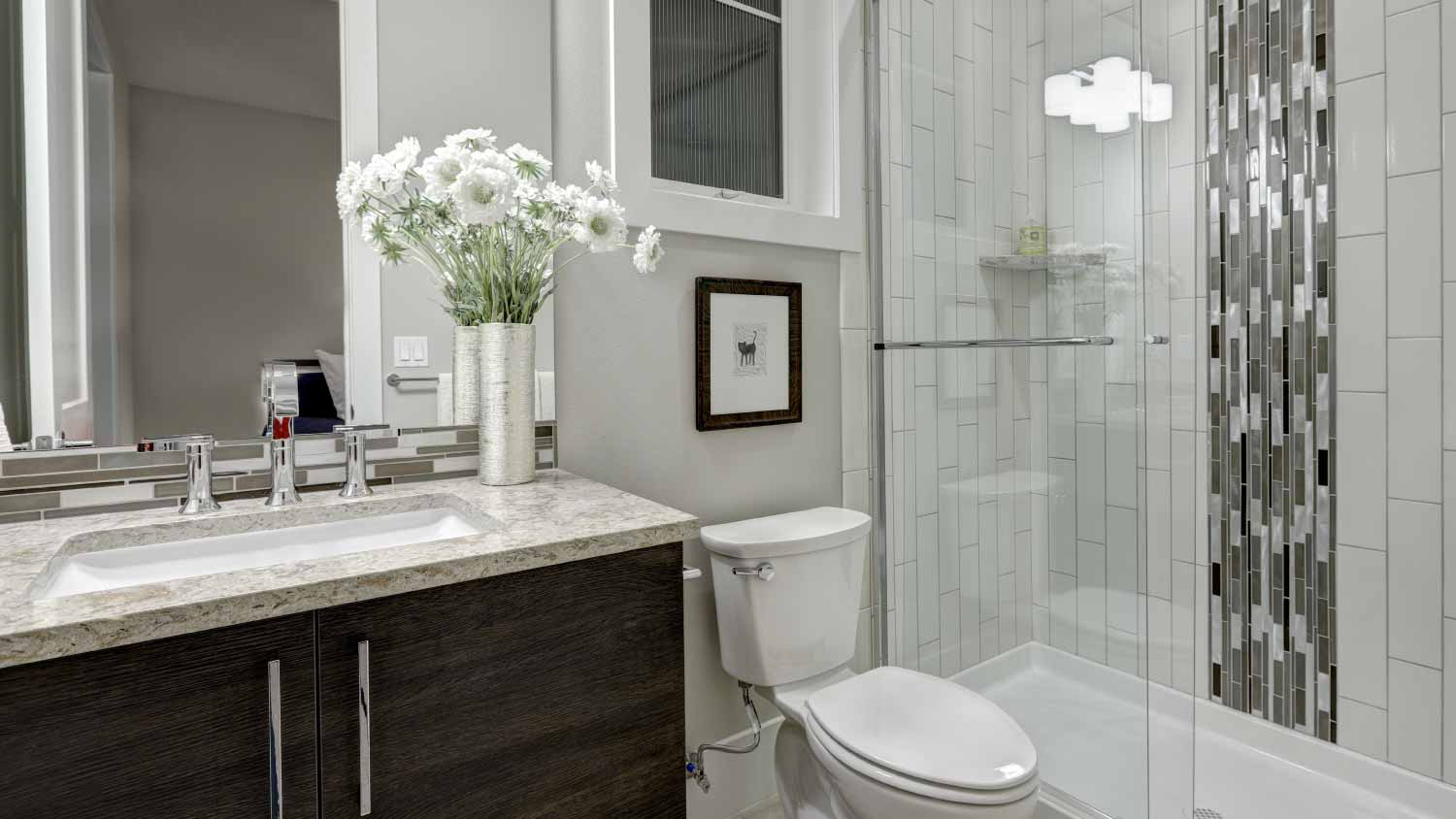
Need a plumber to carry out repairs to your system but want to know pricing first? Check out this guide on how much plumbing repairs cost first.
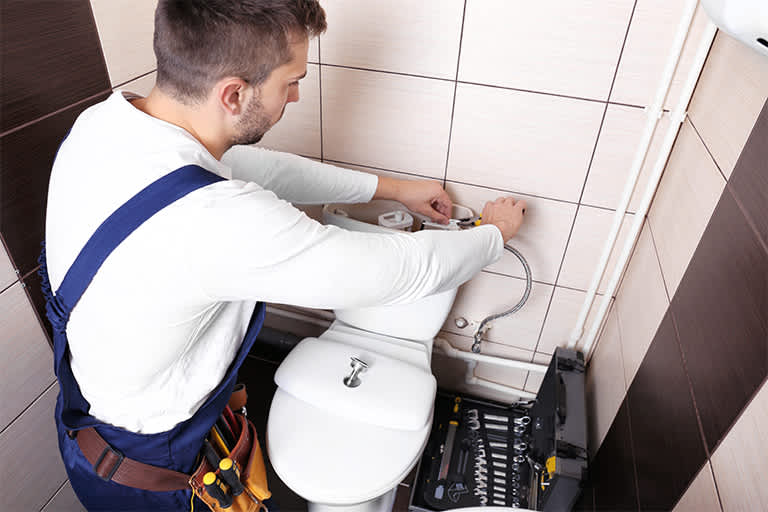
Roto-Rooter plumbing services can help you unclog drains, fix leaks, or provide remediation services after a flood. Learn the average cost to hire a local specialist and how they can help you.

Plumbing problems usually require a very quick fix. Learn how to find and hire an emergency plumber before the problem gets worse.
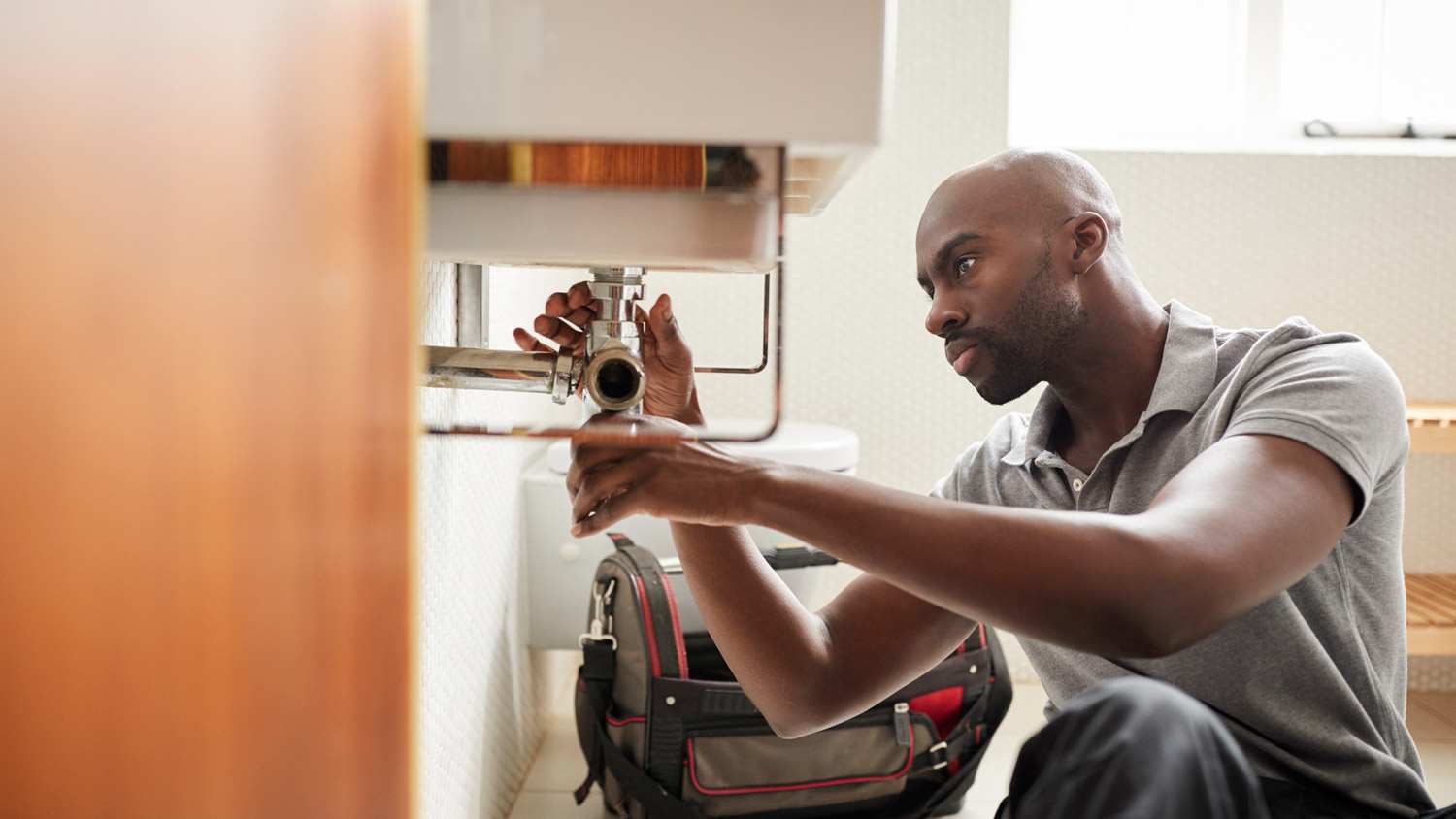
To pick an emergency plumber, you need to ensure you’re not taken advantage of. Learn how to pick an emergency plumber with this informative guide.
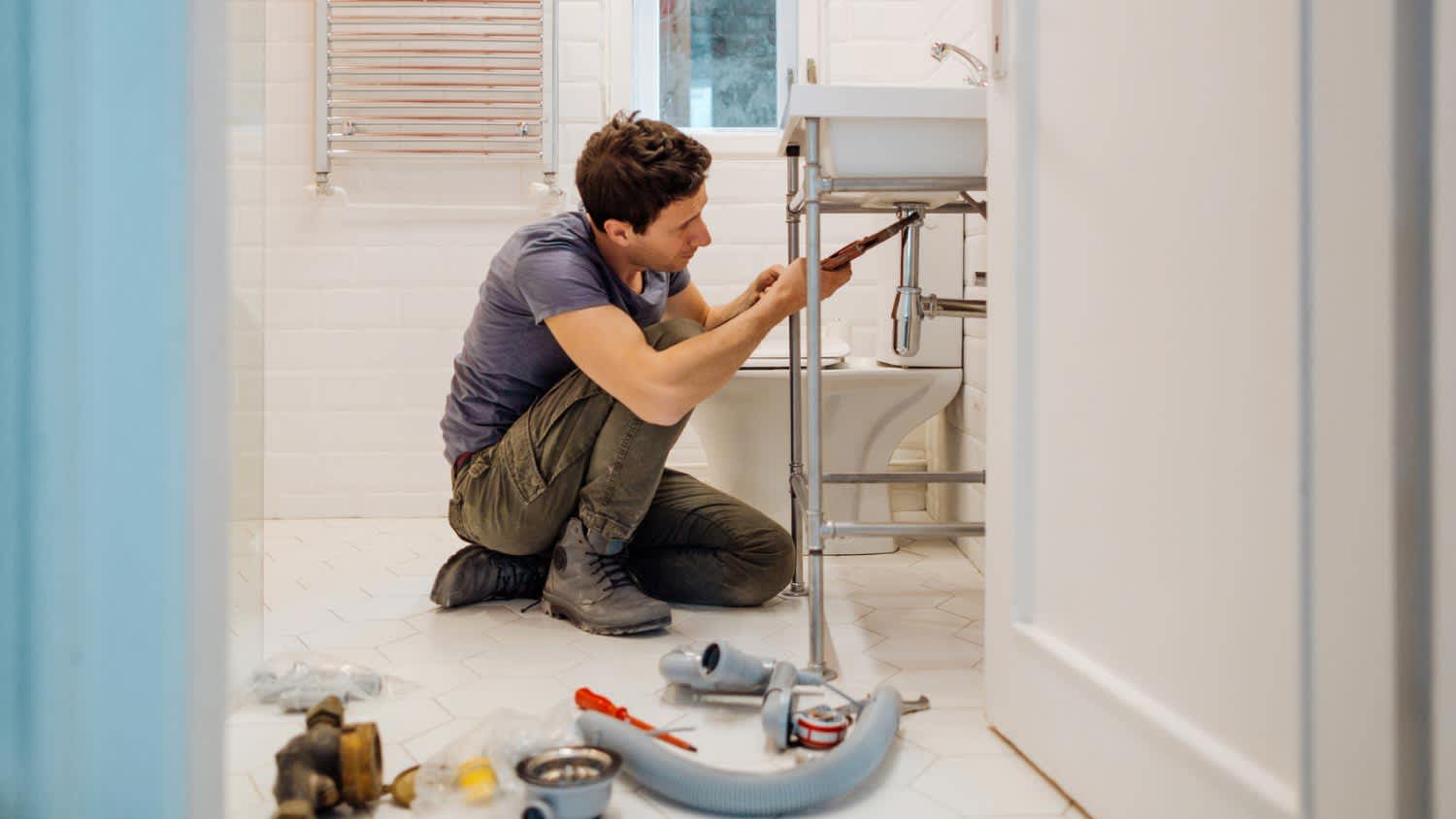
Are you unsure what counts as a plumbing emergency? Keep reading to learn about common plumbing issues and how much an emergency plumbing repair service costs.