

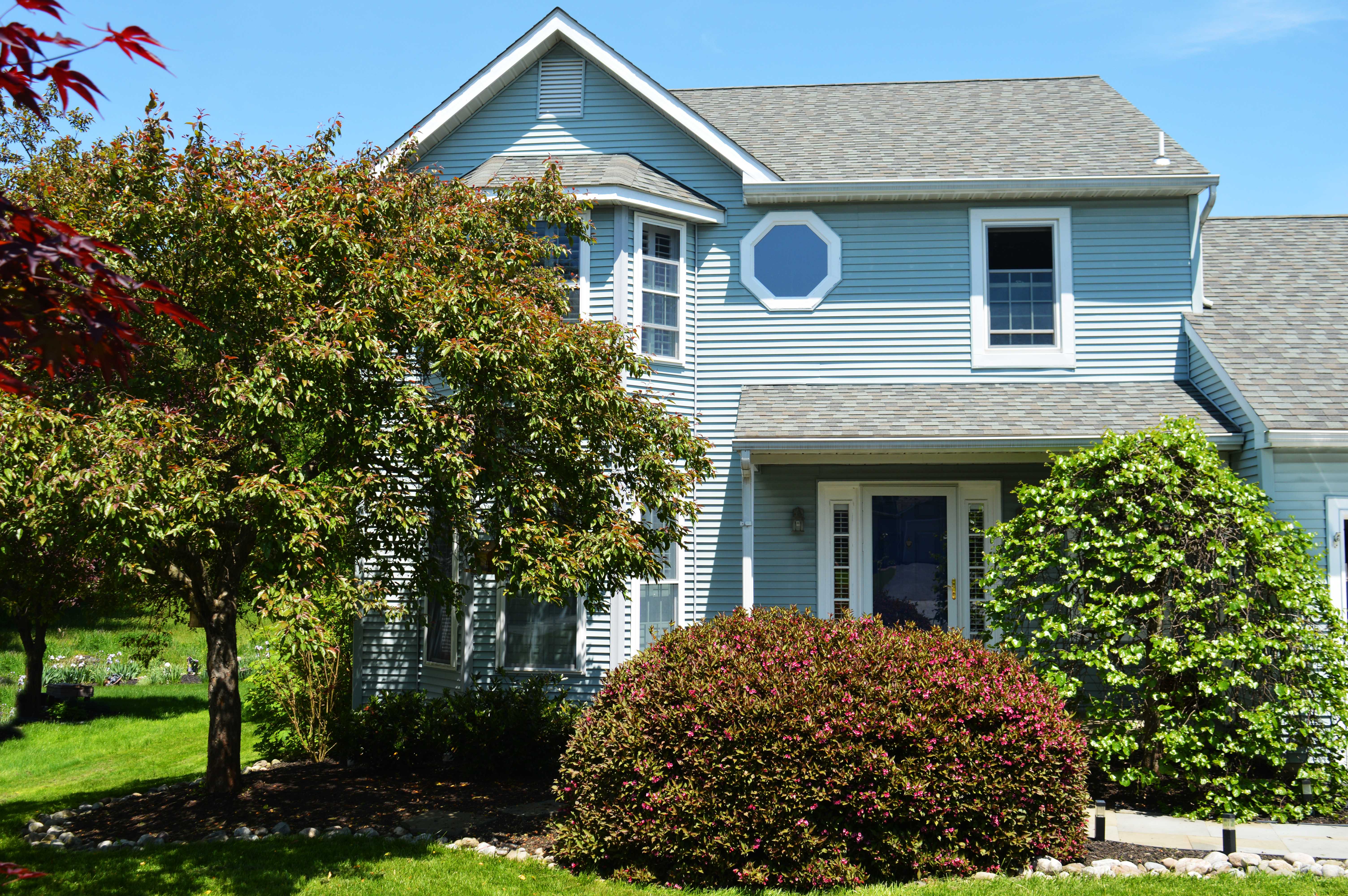
Discover the cost to install exterior trim. Learn about price factors, labor, materials, and ways to save on your exterior trim installation project.
Woodworking costs depend on your project and location. Check with a local pro for your specific job.

Professional trim installation costs between $634 and $2,267 on average, depending on your trim style and project complexity.
Your trim material affects durability and price, ranging from budget-friendly PVC and MDF to premium exotic wood and plaster options.
Your budget needs to include finishing work, old trim removal, and drywall repairs, which can add $150 to $1,550 to your project.
Hiring a local crown molding installation professional ensures your trim fits tight corners and uneven walls, avoiding gaps and damage.
In 2026, the national average cost to install trim is $1,390, based on data from 1,425 verified projects by Angi Pros. Most homeowners pay between $634 and $2,267, with the spread driven by trim type, total linear footage, and the scope of prep and finish work. If you're tackling a full-home project or upgrading to premium materials like exotic wood or plaster, costs can reach as high as $7,600, while simple jobs can start as low as $200.
Several factors shape the total price of installing new trim in your home, from the style and material you choose to the amount of linear footage the job requires.
Trim materials cost between $0.50 and $10 per linear foot on average, though ornate or custom trim can push that figure higher. To determine how much you need, use a tape measure to measure the length of each wall being trimmed, then add 10% to 15% extra to account for cuts and errors. Here are common room sizes and their average trim material costs, not including installation:
| Room Size (Ft.) | Trim Length Needed (Ft.) | Average Cost in 2026 |
|---|---|---|
| 10x12 | 44 | $22–$440 |
| 12x12 | 48 | $24–$480 |
| 12x16 | 56 | $28–$560 |
| 14x16 | 60 | $30–$600 |
| 12x18 | 60 | $30–$600 |
| 15x20 | 70 | $35–$700 |
Simpler profiles like shoe molding and quarter-round trim sit at the lower end of the cost spectrum, ranging from $0.50 to $4 per linear foot. More ornate styles such as crown molding or wainscoting cost significantly more per linear foot (up to $50) and require more skilled installation. Here’s what you can expect to pay for trim installation based on trim type:
| Type of Trim | Average Cost per Linear Foot in 2026 |
|---|---|
| Quarter round | $0.50–$4 |
| Shoe molding | $0.50–$1.50 |
| Base molding | $1–$10 |
| Casing | $0.50–$1.50 |
| Crown molding | $4–$50 |
| Chair rail | $1–$3 |
| Picture rail | $1–$3 |
| Wall frame | $8–$25 |
| Wainscoting | $7–$40 |
Trim material is a key cost driver, ranging from budget-friendly options like PVC, MDF, and polystyrene (sitting at a range of $0.50 to $5 per linear foot) to premium choices like exotic wood and plaster.
If your material costs are running high, switching to a more affordable alternative is a practical way to bring the budget down. Keep in mind that less expensive materials may not last as long as their premium counterparts. Here’s what you’ll pay for each trim material:
| Material | Average Cost per Linear Foot in 2026 |
|---|---|
| Wood | $1–$10 |
| Exotic Wood | $10–$45 |
| MDF | $1–$3.50 |
| PVC | $0.50–$5 |
| Polyurethane | $2–$6 |
| Polystyrene/Foam | $1–$2 |
| Plaster | $6–$15 |
Beyond materials and basic installation, prep and finish work can add meaningfully to your final bill depending on the scope of your project. Some pros build these costs into their price quote, while others itemize them separately. Always confirm what your quote includes and excludes before work begins so you are not caught off guard by the final invoice.
Hiring a local crown molding installer or carpenter to install trim costs an average of $75 to $125 per hour, with the rate driven primarily by experience level and your local cost of living. Entry-level pros tend to charge toward the lower end of that range, while seasoned installers with a strong track record command higher hourly rates.
If you live in a high-cost-of-living area, expect your labor costs to land at or above the upper end of the typical range.
The complexity of your trim installation significantly impacts the overall project cost, with more detailed and intricate work commanding higher prices. Jobs that involve odd angles requiring coping, mitering, or scribing take considerably more time and skill than straightforward installations. Uniquely shaped walls, obstacles, or damaged areas add to the time required and therefore to the final bill.
Finishing your trim with paint or stain costs an average of $1 to $4 per linear foot, with the final figure depending on the size and intricacy of the trim profile. In most cases, baseboard painting costs less than finishing crown molding but more than quarter-round molding. As a general rule, the bigger or more ornate the trim, the more it will cost to finish.
Trim removal costs an average of $50 to $150 per room, or $0.60 to $1.20 per linear foot depending on how your contractor prices the work. Getting clarity on which pricing method your pro uses before the job starts helps you budget accurately.
If you're replacing existing trim, removing the old material is a necessary first step that adds to your total project cost.
Before your new trim goes in, your contractor may need to repair damaged molding or drywall and properly prep the area to ensure a clean, lasting installation. Some common repairs and prep services include:
Moving furniture: $65–$105 per hour
Drywall hole repair: $20–$200
Drywall crack repair: $20–$400
Water damage repair: $600–$1,550
Nail pop repair: $10–$60
Drywall tear repair: $20–$120
Depending on the condition of your trim and how much work it would take to get it looking new again, repairing the trim may be a more cost-effective option than replacing it. It makes sense to repair trim when it has minor cosmetic damage, including small dents, chips, scratches, loose nails, or gaps between the wall and trim.
You should replace your trim if there is severe rot or mold, warping or splitting, pest or water damage, or if you're overhauling the room’s aesthetic as part of a renovation project.
When it comes to cutting costs on trim installation, you have options. Tackling this project as a DIY will save you the most, shaving hundreds or even thousands in labor costs. Even if you aren’t confident in your trim installation skills and choose to hire a pro, you can still save. Opting for simpler trim like quarter round or plain base molding instead of more expensive trim like crown molding can keep costs down. Choosing less expensive materials like MDF or PVC can keep your bill more wallet-friendly.
Adding trim to your home can give it a more finished, upscale look that can make your home more appealing when it comes time to sell. Well-installed trim also indicates an attention to detail, which makes your home more competitive to prospective buyers.
Installing baseboards yourself can save you on labor costs if you’re installing prefabricated trim and the area doesn’t need substantial repair or prep work.
If you’re installing custom trim, installing trim in places that need significant prep work or repairs, or need to fit trim in areas that have tricky angles or uneven walls, you’re better off calling a pro. A local carpenter or trim installer will ensure the job is done correctly, everything is measured and cut to fit, and the results are picture-perfect.
Installing trim requires specialized tools and expertise. Here’s why it’s best to hire a pro for the job:
DIY installation can lead to uneven trim, nail pops, and costly wall damage.
Trim pros know how to measure, cut, and install trim in corners, on ceilings, and on staircases.
Experienced pros know how to prevent problems like gaps, uneven edges, and flooring damage.
Experts complete the job safely and efficiently, saving you time and stress.
Professionally installed trim can boost the aesthetic and resale value of your home.
If you want to assist your pro, consider taking on the following smaller tasks:
Clear furniture and decor from the project area
Wipe down and clean walls, floors, and corners where you’re installing trim
Keep tools, nails, and materials nearby and easily accessible
Clean up the area and put furniture back after the job is complete
Discuss with your pro which trim material, such as PVC, wood, or MDF, best fits your budget and preferences.
Provide your pro with the exact measurements of your project so they have a clear idea of the materials and labor required.
Ask about add-ons like decorative molding, crown molding, or specialty trim.
Explain any problem areas, damage, or wall repairs that could affect the project complexity to your pro.
Home is the most important place on earth, which is why Angi has helped more than 150 million homeowners transform their houses into homes they adore. To help homeowners with their next project, Angi provides readers with the most accurate cost data and upholds strict editorial standards. We’ve surveyed thousands of real Angi customers about their project costs to develop the pricing data you see, so you can make the best decisions for you and your home. We pair this data with research from reputable sources, including the U.S. Bureau of Labor Statistics, academic journals, market studies, and interviews with industry experts—all to ensure our prices reflect real-world projects.
Want to help us improve our cost data? Send us a recent project quote to [email protected]. Quotes and personal information will not be shared publicly.
Incredible workers! Very skilled with the machinery, climbing, cutting, roping, and removal. Handled everything. Professionals!
 Hoffman Expert Tree Services
I m so impressed with Custom Paint Jobs LLC s craftsmanship. They truly care about quality.
 Custom Paint Jobs, LLC
Window Depot did an amazing job on my deck. I wasnt sure what I wanted to do, but their composite decking was affordable and will last a long time. I am excited to have family over, and I am no longer embarrassed by my backyard. Jeff and the ground crew were polite, respectful, and caring for...
 Window Depot USA of Central Ohio
Storms Mobile Welding was great to work with. They were prompt, professional and did an overall excellent job on the project. I highly recommend.
Great job...edging and pre clean up went well with a great job with seal coat. Friendly, efficient and professional.
 All Star Paving and Sealing
Great tree company, very professional and honest. Glad we found them, they had the best pricing
It was wonderful working with Yordy and his team. They were very professional and are experts in what they do. They have completed the work on time, with better quality and with in fairly reasonable price. We just started with backsplash work , but liking his work, we went on to provide...
 Flooring Solutions
The job went extremely well. Work was done as promised and the job came out better than expected due to Mr. Moyer's commitment to excellence and personal pride in providing the best work possible. He is one of those professionals who is not satisfied until the customer is completely happy...
 Pro Flooring
We needed to have a wall cabinet resized so that we could fit a larger refrigerator underneath. I removed the cabinet from the wall myself and brought it in, where Wally was able to resize it for me in his shop. The results were perfect: it's exactly the size that I asked for, and...
 Pioneer Woodworks
The work was almost completed when we gave the owner Tim Barton $400 as a downpayment to be put on his list for work in the future after we had new woodwork installed.The next day Mr. Barton had difficulty installing a door handle and took the position that it was broken before his employee...
 Above And Beyond Painting LLC
From average costs to expert advice, get all the answers you need to get your job done.
Discover the cost to install exterior trim. Learn about price factors, labor, materials, and ways to save on your exterior trim installation project.
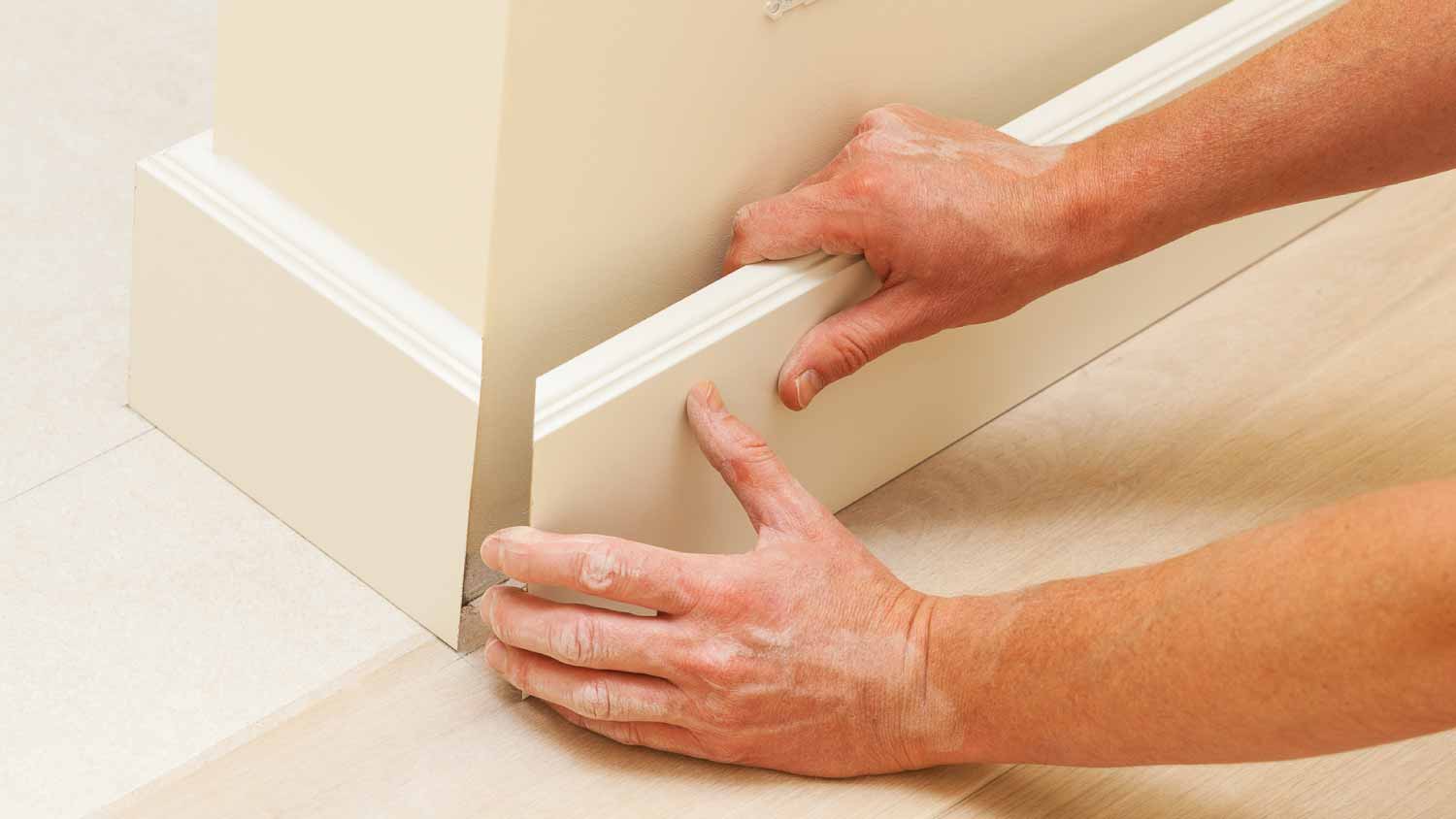
The cost to replace trim depends on factors such as style, material, and whether you hire a pro. Find out what your budget could look like for this project.
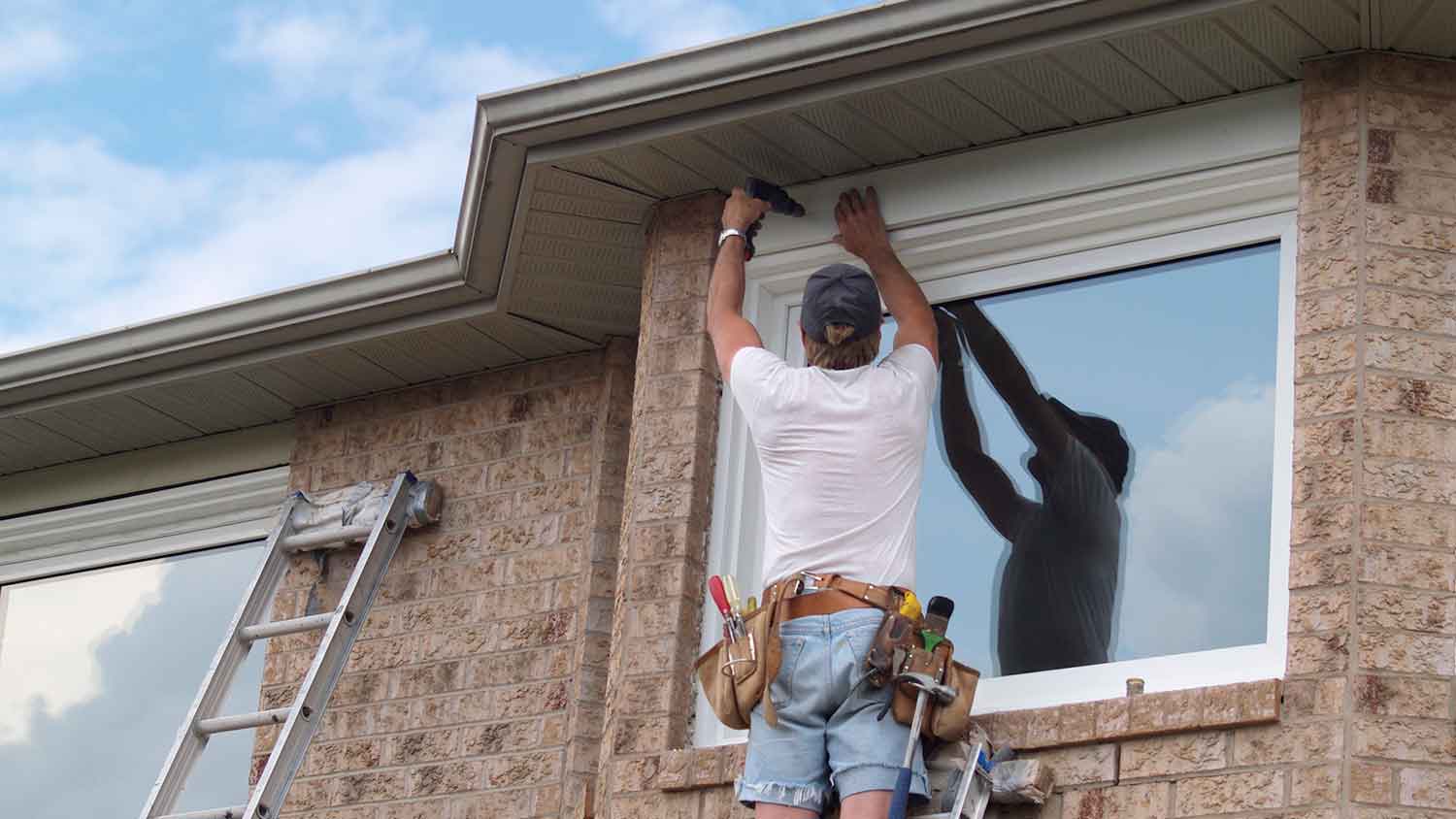
Discover the cost to install window trim. Learn about price factors, labor, materials, and tips to save on your window trim installation project.
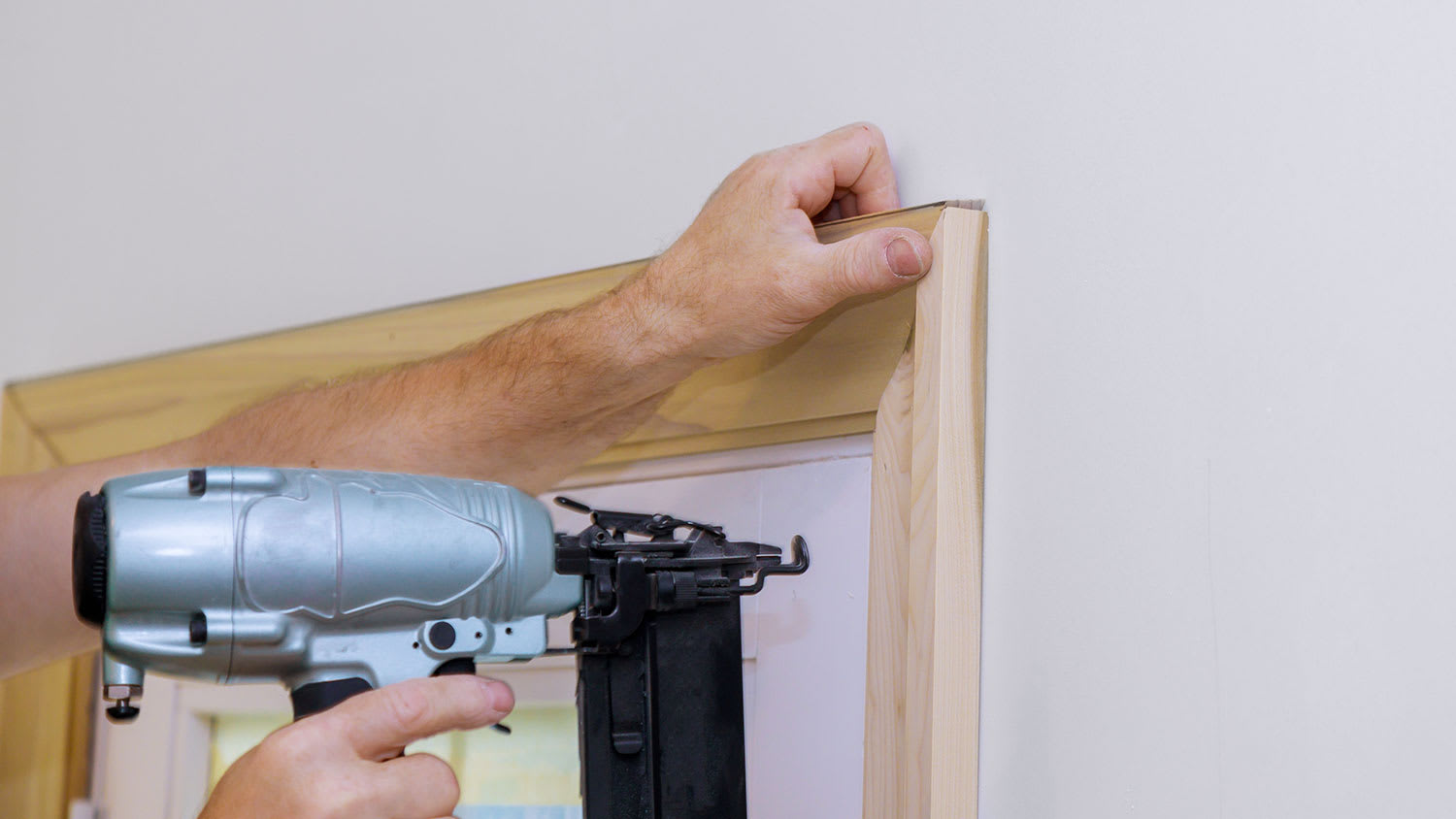
Learn how to hire an interior trim installer with confidence. Discover key questions to ask, qualifications to verify, and tips for finding a reputable pro.
Planning an interior update? Learn about window trim installation costs, material and design options, and how to hire the right local pro for a polished look.