

Whether you’re replacing an old dishwasher or buying your first, find out more about dishwasher costs, including new dishwasher installation.
Don’t let your dishwasher disturb your peace

A dishwasher that keeps beeping during a cycle often means your door opened mid-cycle, interrupting the wash and triggering the alert.
Dishwasher repair costs range from $160 to $300, so addressing beeping issues early helps you avoid more expensive problems down the road.
Your anti-flood sensor activates when the dishwasher won't drain properly, causing continuous beeping and signaling you need to clear the filter or drain hose.
Hiring a local dishwasher repair professional provides reliable support when beeping won't stop, helping diagnose sensor issues and control panel malfunctions with confidence.
Wondering why your dishwasher is beeping? If you’re lucky, it could be something as simple as an open door. But in other cases, the cause (and solution) might be a little more complex. Here are a few common causes of dishwasher beeping, as well as tips for fixing each one.
If your dishwasher door opens during a cycle, your dishwasher might start beeping. The beeping might be constant or intermittent, depending on your dishwasher’s brand and model.
This one has an easy fix: Close the dishwasher door. That should resume the cycle and stop the beeping.

Alternatively, your dishwasher might beep after a power outage. Along with the beeping, you might also see an error code flashing on the control panel.
First, try resetting the dishwasher. Generally, you’ll do this by holding down the “start” button for several seconds, but the process may vary depending on the model of your dishwasher. Check your user manual for specific instructions.
If that doesn’t work, switch off the dishwasher’s power at the breaker for about 30 seconds. Then, turn it back on to make sure the dishwasher is no longer beeping.
Your dishwasher has a sensor—sometimes called an anti-flood device—to keep it from overflowing and flooding your kitchen. If your dishwasher won’t drain properly, it can activate your anti-flood device, which may result in your dishwasher beeping.
If your dishwasher is beeping and full of water, you’ll want to drain it before doing any troubleshooting. In some cases, you can push and hold the “cancel” button for several seconds to activate the drain mechanism. But if that doesn’t work, follow these steps for draining standing water from your dishwasher:
Empty the dishwasher.
Shut off the power to your dishwasher—either by unplugging it or turning it off at the breaker.
Use a cup to scoop out as much water as you can. Mop up the rest with a cloth or sponge.
Remove the filter. Throw away any food particles and rinse the filter with water before putting it back in place.
If you have a dishwasher air gap, turn it counterclockwise and clear out any food or other debris.
Run your garbage disposal to check for any potential drain issues (which can also affect your dishwasher). If the garbage disposal won’t turn on, produces a bad smell, or makes strange sounds, you may need to repair or replace it.
Inspect the drain hose for kinks. If you see any, straighten them out.
Disconnect the drain hose.
Clear the drain hose with a bottle brush or straightened wire hanger. Empty the contents into your sink and rinse it out with the faucet.
Reconnect the drain hose.
Turn the power back on.
Run the dishwasher for several minutes. If it continues to beep and retain water, reach out to a local dishwasher repair pro for help.

There’s a huge variety of dishwasher brands and models on the market, and each product can beep for all kinds of reasons. In addition to the causes listed above, here are a few other things that can lead to dishwasher beeping:
Faulty control panel
Malfunctioning sensors
High water temperature alert
Sanitization error
Water supply or pressure issue
Start by checking your user manual. Often, the manufacturer will explain the reasons that your dishwasher might beep, as well as solutions for each one. After that, if you still can’t identify the cause, it’s time to call an expert who fixes dishwashers.
Dishwashers beep when there’s a problem that needs attention. Fortunately, you can address most of these issues without a professional’s help—often just by following the manufacturer’s instructions in your user manual.
However, if you’ve checked your manual, tried our troubleshooting tips, and still hear beeping, you should contact a pro. They’ll be able to diagnose the issue quickly and recommend the best course of action, which could include repairing or replacing the appliance.
Positive experience. As previously stated, the replacement/repair could not be completed (no fault of the plumbing tech) b/c misinformation was rec?d by property management maintenance. Thanks to the plumbing tech for your efforts. Appreciate you!
 The Waterworks
Carpet repair done well. Scheduling was easy. Showed up on time.
 BR Flooring Installation
As usual with ECO, tech Jordan was outstanding, very professional, very knowledgeable, and very thorough with repairs made to tankless water heaters. Very highly recommend ECO!!!
 Eco Plumbers, Electricians, and HVAC Technicians
I would recommend this company to anyone! He showed up on time, was friendly, completed a very difficult repair on our dryer vent cover, was responsive, and pricing was extremely fair and competitive. I would have him back to do any of our repairs or cleanings without hesitation!
 U.S.A. Dryer Vent, LLC
Everything from initial contact to completion was absolutely top notch. We contacted the business during off hours to leave a message, and the owner still reached out to feel out the issue within minutes. We were scheduled and repaired within 48 hours. I cannot say enough about the...
 Supreme brick & chimney
Ace Fireplace Services came to the rescue for my chimney repair. They were quick to pinpoint the issue and worked their magic to fix it. My chimney is now in excellent shape, and I'm a satisfied customer.
 Ace Fireplace Services
On Sunday 2/26 I requested quotes via Angi from 4 refrigerator repair businesses. Northwest Appliance responded to me Monday morning (2/27) and my refrigerator was repaired by noon the same day. Great communication, they did everything they said they would. The technician had the parts on...
Excellent! We were very satisfied with the service provided and the entire experience from start to finish. Very friendly and professional staff. I was able to instantly get in contact with them for a quote and the response time and overall communication remained quick and easy throughout the...
 Prime Cleaning Service
Description says they handle window repair including rotten hardwood - they called me back right away but didnâ t leave a voicemail. I followed up 3 days later and they said they donâ t do that kind of work.
 Window-Gurus
I needed reliable, affordable help the day of with moving a couple of appliances and misc items. It was a relief to hear back from Tanzillo almost instantly that morning so I could stop looking and move on to plan and prepare. Every part of the move was friendly and professional. Next time I...
 Tanzillo Concrete & Landscape
From average costs to expert advice, get all the answers you need to get your job done.
Whether you’re replacing an old dishwasher or buying your first, find out more about dishwasher costs, including new dishwasher installation.
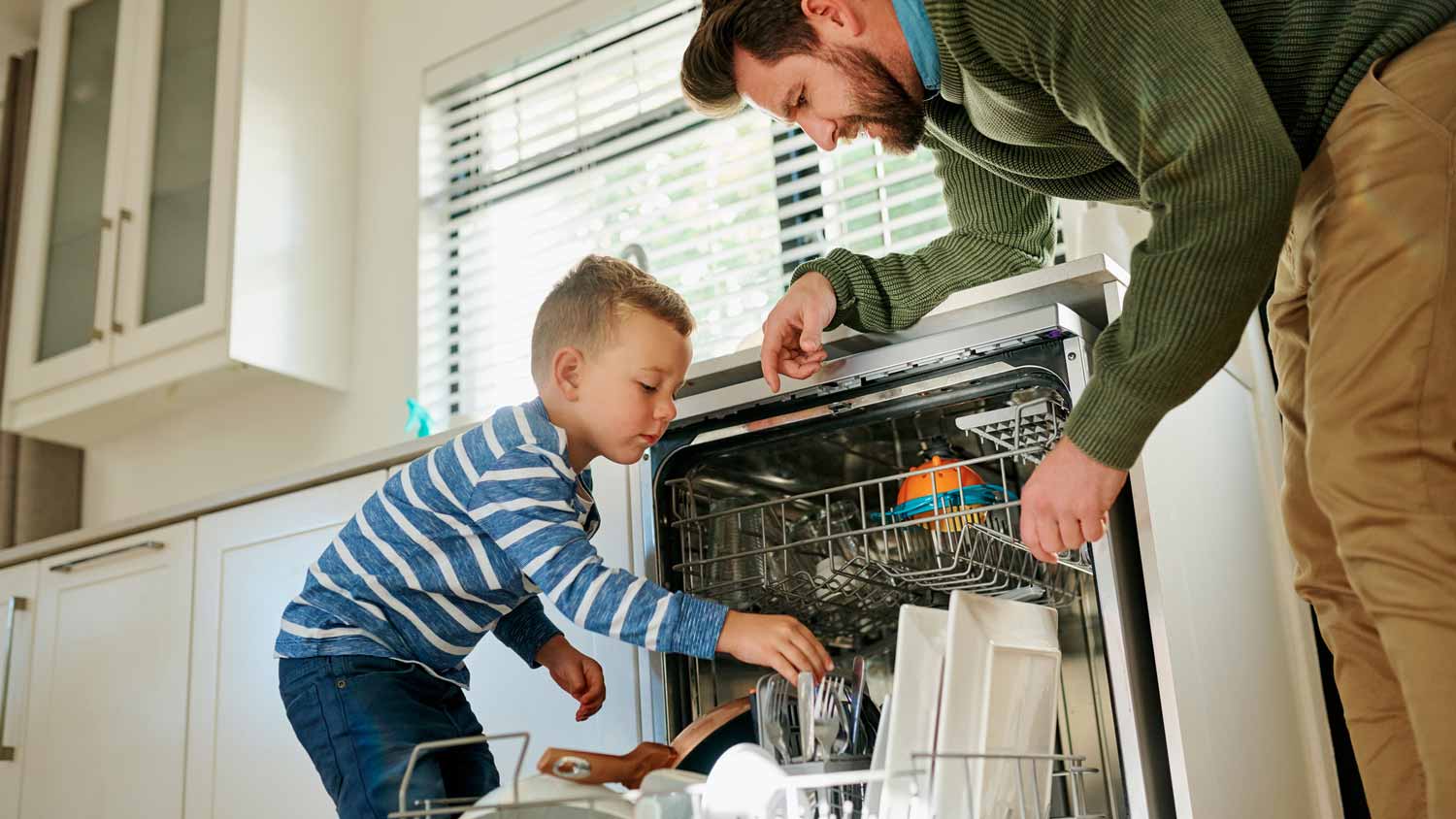
When your dishwasher is not getting water, don’t just give up and wash dishes by hand. Trust our tips to troubleshoot a dishwasher that won’t fill with water.

Understanding the different parts of a dishwasher can help you troubleshoot any issues and know when to call in the professionals.
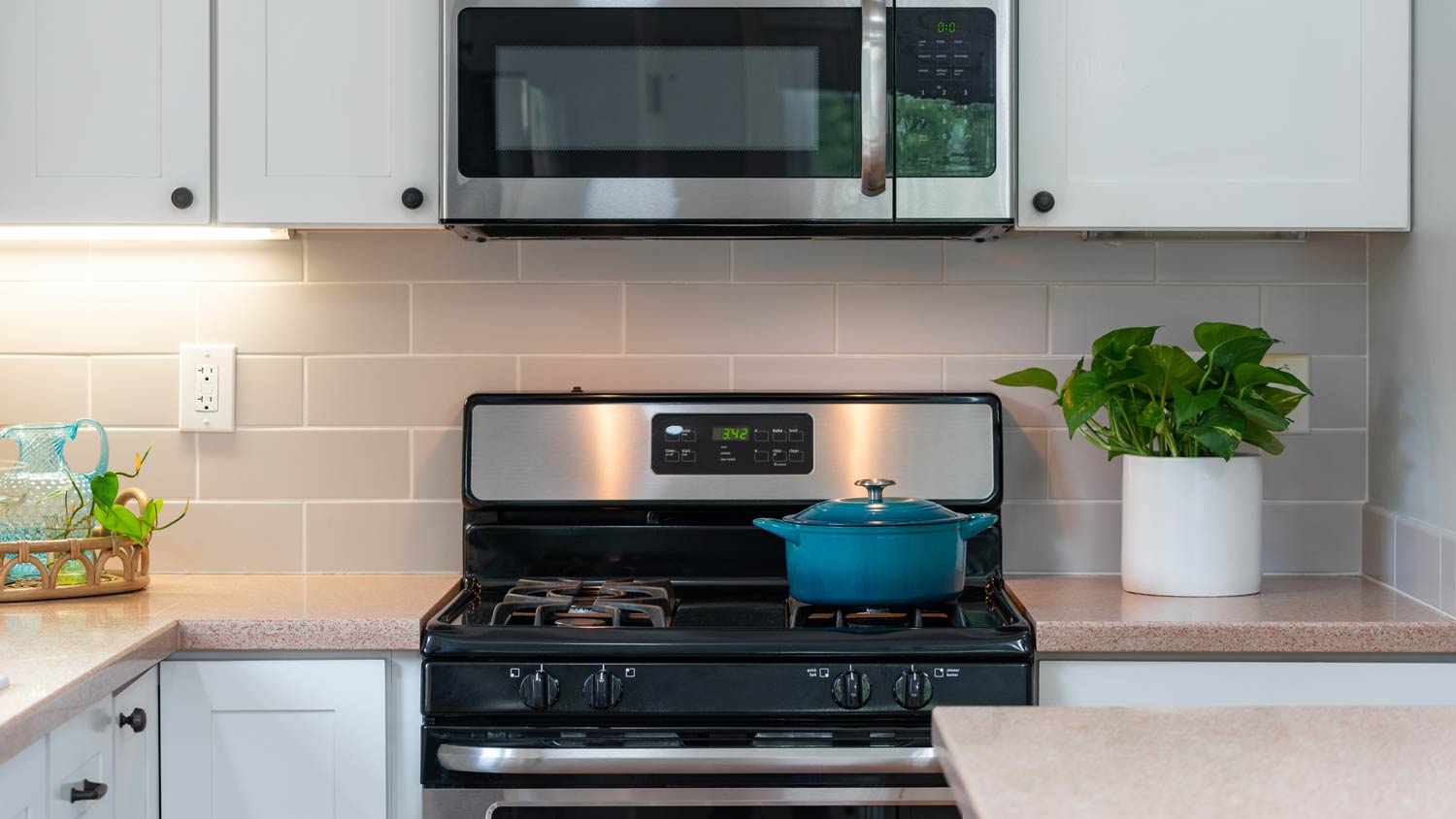
Wondering "why is my oven beeping for no reason?" If your oven has started being noisy without cause, here are a few reasons why.
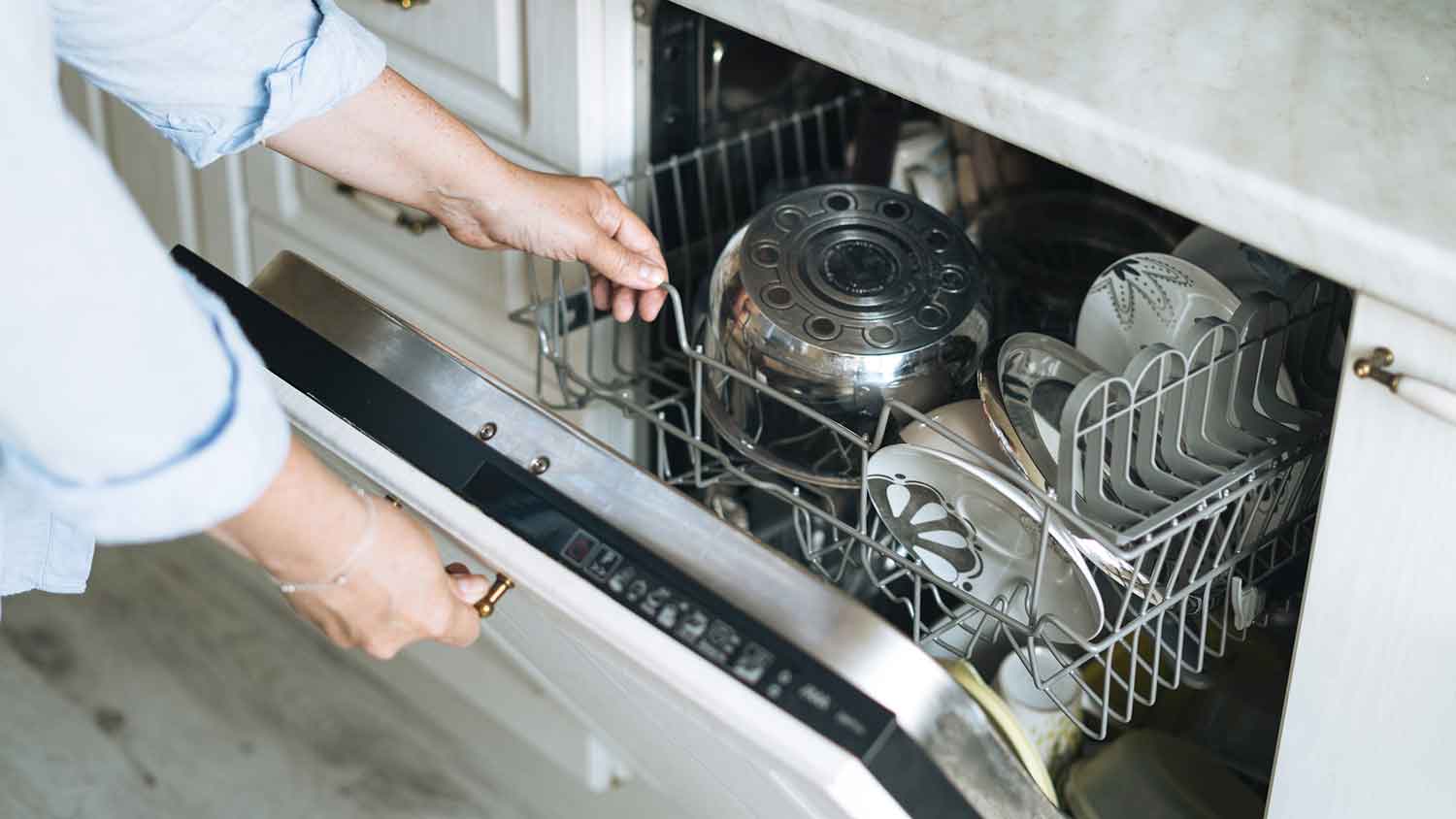
Dishwashers can be loud because of poor dish placement, clogs, and worn parts. Keep reading to learn why your dishwasher is loud.
How often do you ask yourself, why does my fire alarm keep beeping? There are plenty of culprits behind such an issue and a number of easy fixes.