
•
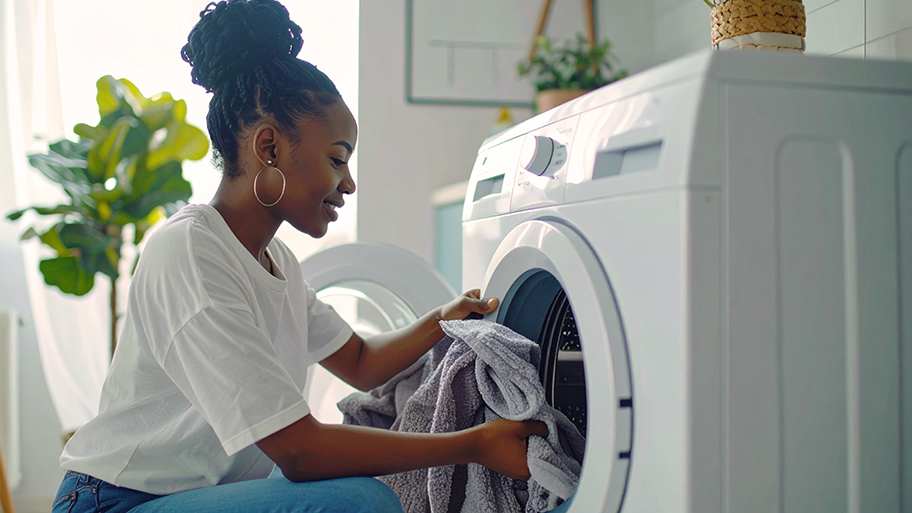
Discover the average washing machine repair cost, key price factors, and expert tips to help you budget and save on repairs for your home.
End laundry leaks for good

Replacing washer hoses prevents sudden leaks and floods, and you should swap out both rubber and stainless steel hoses every three to five years.
Expect to pay $10 to $35 for DIY replacement with rubber hoses around $10, stainless steel hoses around $20, and channel pliers $5 to $15.
You can complete the swap in 5 to 15 minutes by turning off the water supply, disconnecting old hoses, and securing new ones with pliers.
Hiring a local plumbing repair professional provides reliable support when you need help sliding the washer out or handling water supply connections with confidence.
It’s easy to ignore a couple of water drops on the floor when you’re doing laundry. After all, you’re busy folding socks (and searching endlessly for the missing pairs). But that minor leak can quickly turn into a full-on flood if your washing machine hoses fail.
Fortunately, replacing them is a fairly easy DIY. Learn how to handle this task yourself to keep your washing machine running smoothly year-round.
Difficulty: 1/5—No experience? No problem.
Time to complete: 5–15 minutes
Cost: $10–$35
Materials
New pair of washing machine hoses
Tools
Large channel pliers
Towel
Bucket

Start by turning off the water supply to the washing machine. Fortunately, this is easier than it may sound at first.
If your plumber installed the water supply correctly, you should have handles to turn off the cold and hot water supplies where they come out of the wall near the washing machine. (We would not recommend letting your kids know about this trick, or they’ll surely turn off the water and pretend the washer is broken to shirk their next laundry duties.)
For a rectangular handle, turn it 90 degrees.
For a round handle, turn it clockwise until you feel resistance.
Unplug the washing machine from the electrical outlet. Slide the machine away from the wall a couple of feet, so you can gain access to the rear of the unit.
Place an old towel on the floor underneath the hoses, as they will drip a little bit when you remove them. You may want to place a bucket in the same area in case there is excessive water left in the hoses.
The washing machine has two hoses, one for hot water and one for cold water. Removing these hoses is a similar process to removing a garden hose from an outdoor faucet, but the washer hoses are connected tighter, necessitating the use of pliers.
Start where the hose connects to the washer.
Adjust the opening on the channel pliers to match the size of the fitting on the first hose.
Twist it counter-clockwise until it comes loose.
Aim the loose hose at the bucket to catch any stray water.
Finally, move the pliers to the connection at the water supply and remove that fitting.
Don’t squeeze the pliers too hard, or you could bend the fitting on the washing machine hoses.
All washer hoses are the same size, so your new hoses should perfectly fit the washing machine and water supply.
Add the new hose to the connectors you just removed. (Tighten the fittings first.)
Use the pliers to securely tighten the washing machine hose on both ends.
Repeat the process of removing the old hose on the other side before adding the other new hose.
By removing and adding one hose at a time, you will eliminate the risk of connecting the cold water supply to the hot water intake on the washing machine. Some washers only pull cold water into the machine, so you may not have to worry about this.
Turn on the handles at the water supply slowly and one at a time. Watch closely for leaks as you turn the water on again. If you see a leak, turn off the water supply again and make sure you tightened the hoses properly.
Once you are confident that no leaks will occur, turn the water on full blast. Now you’re ready to begin doing laundry again. Keep an eye on the hose connections for the first few minutes the next time you run the washer, just to be certain no leaks are occurring.
You should save quite a bit of money when replacing your washing machine hoses as a DIY job versus hiring a plumber. The plumber will charge you $45 to $200 per hour, and you may have to pay for the full hour, even if the plumber only needs several minutes to complete the job.
However, if you have concerns about sliding the washer out or turning off the water source, that’s understandable. You can look into hiring a plumber in your area instead.
If doing the job on your own, you will pay roughly $10 for a pair of rubber hoses or $20 for a pair of stainless steel hoses. A pair of channel pliers, if you don’t already own them, should cost $5 to $15.
Replace the hoses immediately whenever you notice a tear, leak, discoloration, bubbling, or kinks. You should replace rubber or stainless steel hoses at least every three to five years, even if you don’t notice flaws.
Stainless steel hoses are less susceptible to sudden punctures or pressure leaks than rubber hoses, but both types of hoses need eventual replacement as part of the normal washing machine maintenance. Always replace both hoses at the same time, because if one hose is showing signs of failure, the other hose likely will be showing the same signs soon.
Washing machines all use hoses with 3/4-inch fittings on either end. You should be able to connect any washer hose you purchase to your water supply and to the washing machine, as all parts are standard. You don’t have to buy hoses directly from the washing machine’s manufacturer.
You nearly always will want to replace a leaking hose rather than trying to fix it. Once the hose is leaking, it is not worth the risk of trying to fix it. The only exception would be if the fittings are loose at the water supply or at the washer. If any of the fittings are loose, tighten them with pliers to see if that stops the leak. If not, replace the hoses immediately.
Positive experience. As previously stated, the replacement/repair could not be completed (no fault of the plumbing tech) b/c misinformation was rec?d by property management maintenance. Thanks to the plumbing tech for your efforts. Appreciate you!
 The Waterworks
Carpet repair done well. Scheduling was easy. Showed up on time.
 BR Flooring Installation
As usual with ECO, tech Jordan was outstanding, very professional, very knowledgeable, and very thorough with repairs made to tankless water heaters. Very highly recommend ECO!!!
 Eco Plumbers, Electricians, and HVAC Technicians
I would recommend this company to anyone! He showed up on time, was friendly, completed a very difficult repair on our dryer vent cover, was responsive, and pricing was extremely fair and competitive. I would have him back to do any of our repairs or cleanings without hesitation!
 U.S.A. Dryer Vent, LLC
Everything from initial contact to completion was absolutely top notch. We contacted the business during off hours to leave a message, and the owner still reached out to feel out the issue within minutes. We were scheduled and repaired within 48 hours. I cannot say enough about the...
 Supreme brick & chimney
Ace Fireplace Services came to the rescue for my chimney repair. They were quick to pinpoint the issue and worked their magic to fix it. My chimney is now in excellent shape, and I'm a satisfied customer.
 Ace Fireplace Services
On Sunday 2/26 I requested quotes via Angi from 4 refrigerator repair businesses. Northwest Appliance responded to me Monday morning (2/27) and my refrigerator was repaired by noon the same day. Great communication, they did everything they said they would. The technician had the parts on...
Excellent! We were very satisfied with the service provided and the entire experience from start to finish. Very friendly and professional staff. I was able to instantly get in contact with them for a quote and the response time and overall communication remained quick and easy throughout the...
 Prime Cleaning Service
Description says they handle window repair including rotten hardwood - they called me back right away but didnâ t leave a voicemail. I followed up 3 days later and they said they donâ t do that kind of work.
 Window-Gurus
I needed reliable, affordable help the day of with moving a couple of appliances and misc items. It was a relief to hear back from Tanzillo almost instantly that morning so I could stop looking and move on to plan and prepare. Every part of the move was friendly and professional. Next time I...
 Tanzillo Concrete & Landscape
From average costs to expert advice, get all the answers you need to get your job done.
Discover the average washing machine repair cost, key price factors, and expert tips to help you budget and save on repairs for your home.
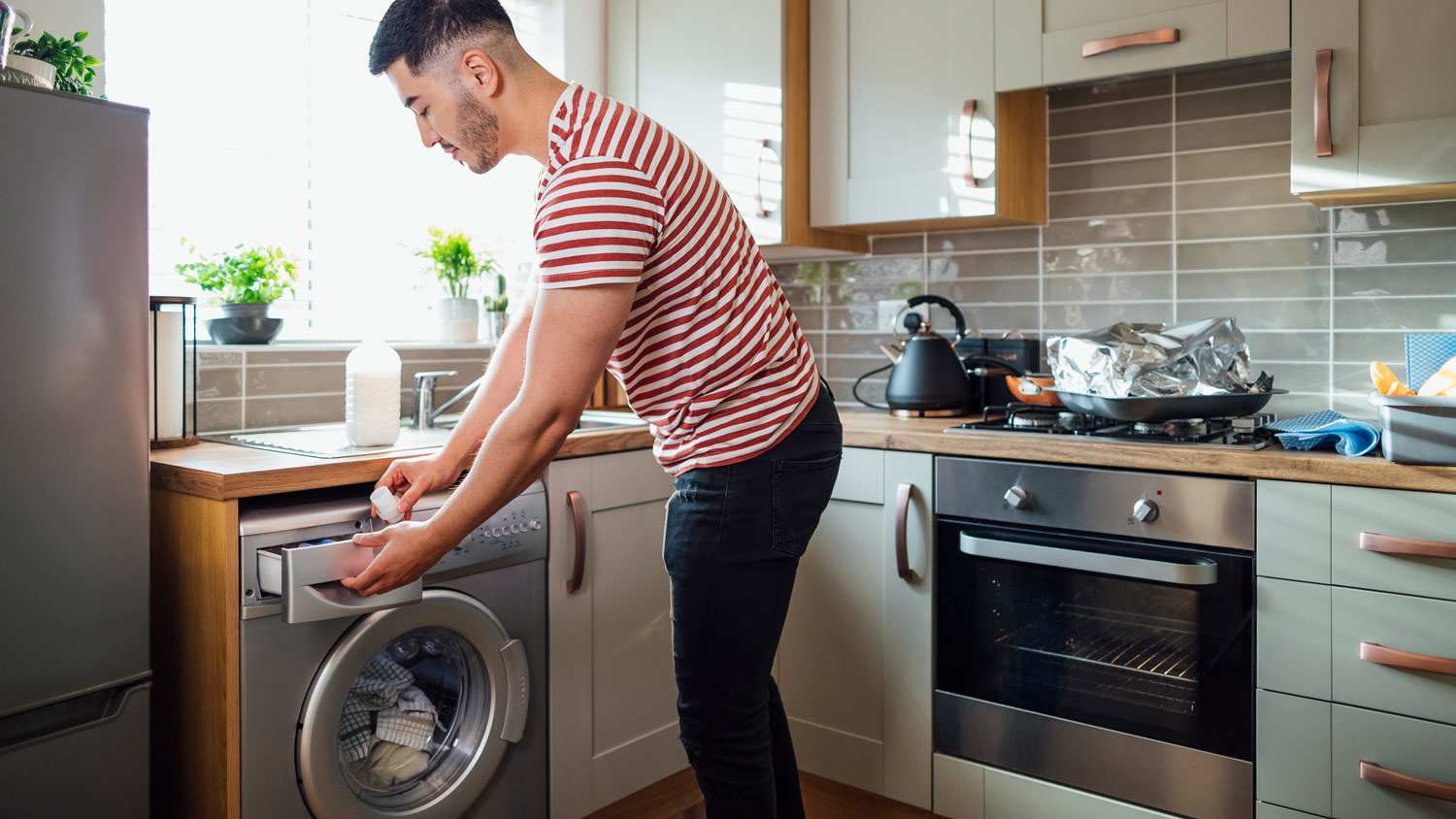
Although knowing about the parts of a washing machine might not seem essential, having this information will set you up for easier repairs.
A frozen washing machine drain can interrupt your laundry routine. Learn what to do when your washing machine drain is frozen and how to prevent it.
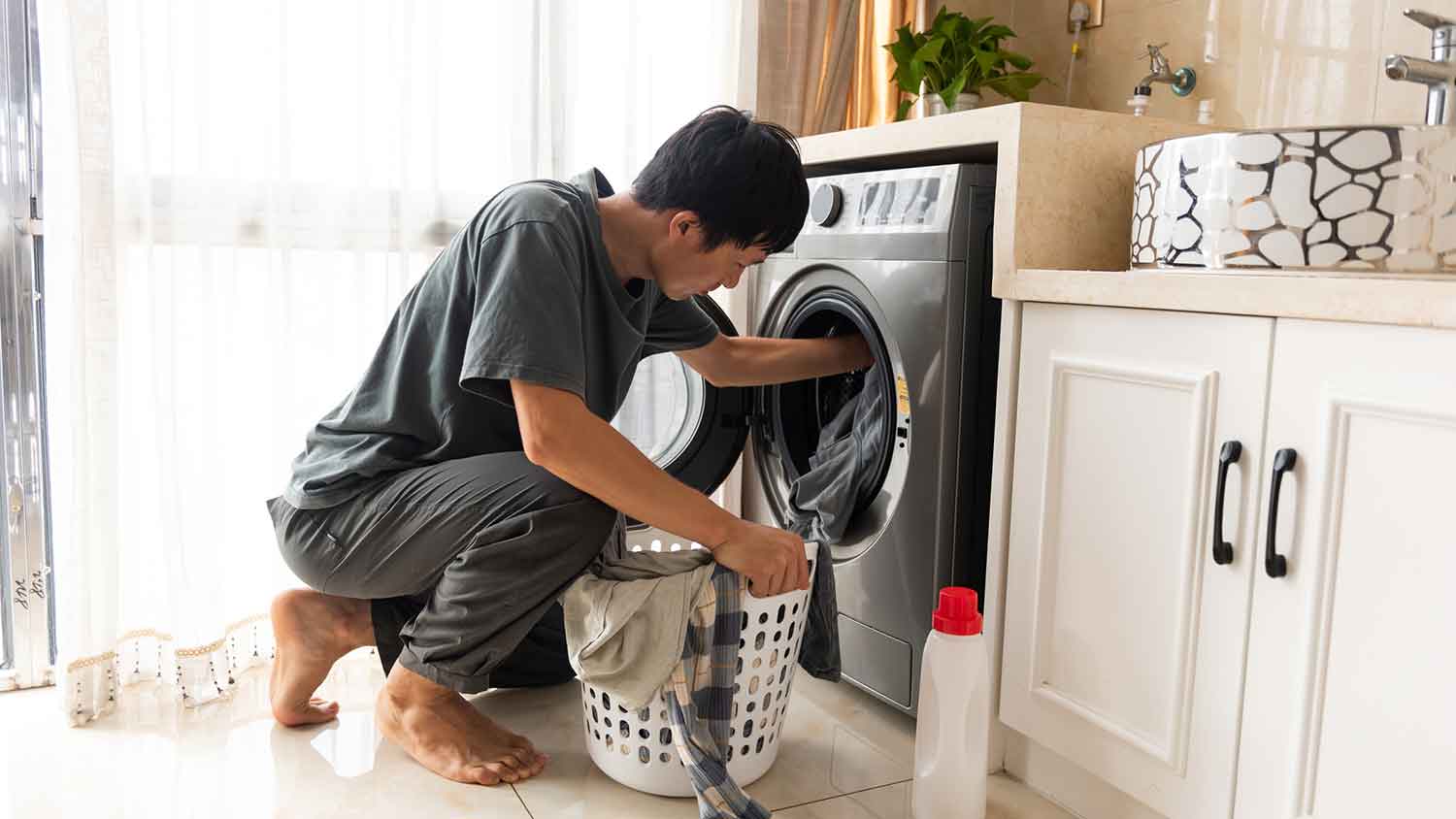
A washer that leaks water may have a faulty door seal, gaskets, hoses, pumps, or other parts. Keep reading to find out why your washing machine is leaking water.
Your washing machine sees a lot of use, so when it’s not working properly, it can really affect your day. Learn six tell-tale signs you need washing machine repair so you know when to hire a pro.
Is your washer leaking or making loud noises? Learn about washing machine repair costs, warning signs, and how to hire the right local appliance pro.