
•
Discover the average washing machine repair cost, key price factors, and expert tips to help you budget and save on repairs for your home.
Keep your front-load washer spinning for years with these simple maintenance tips

Wiping down your front-load washer after each use prevents mold and mildew by removing moisture from the door gaskets, drum, and rubber seals.
Running a monthly cleaning cycle with vinegar and baking soda keeps your machine fresh and prevents residue buildup that can damage internal components over time.
Using only high-efficiency powder detergent protects your front-loader from film and excess suds that trap lint, mildew, and soap residue inside the drum.
Hiring a local washing machine repair professional provides reliable help when you notice loud noises, unusual movement, or water leaks from your machine's base.
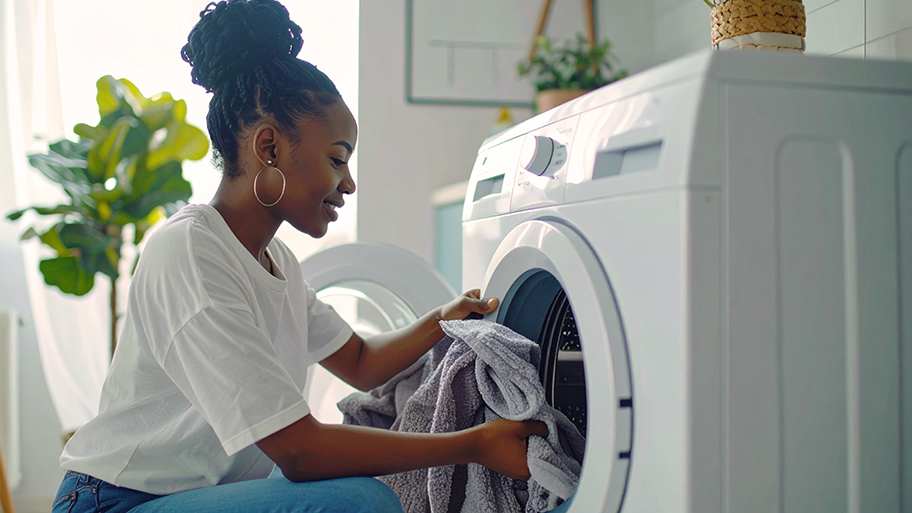
Your high-efficiency front-loader might very well be your family’s best friend. It washes everything from dirty soccer jerseys to bedding and saves on energy costs while doing it. But to keep your washing machine running at its prime, you'll need to perform regular maintenance. Front-loaders use less water than top-loaders, so they're more prone to mold and mildew build-up.
With proper front-load washer maintenance, you can help your machine efficiently power through daily laundry and last its full lifespan (usually up to 10 years). Follow these steps to maintain, clean, and inspect your machine.

A quick wipe down of your machine at the end of the day’s wash can keep your machine squeaky clean and laundry from dragging across any stagnant or greasy residue. When dirt and moisture get trapped, mold begins to grow. Soaking up excess liquid or moisture is the key to preventing mold and mildew inside your machine.
Dry these parts with a towel or a soft, absorbent cloth after using the washer:
Inside the door gaskets and edges
The backside of the gaskets from top to bottom (peel back rubber seal gently and dry the grooves and drain holes)
The inside door glass and around the opening
The washer drum if there is residual water or moisture
You should clean your front-load washing machine once a month to prevent mold, mildew, and other residue from building up. A few mold spores can multiply exponentially, so it’s best to perform proactive monthly maintenance. Set yourself a monthly calendar reminder to clean and care for your machine, and follow this routine to keep it running free of issues:
Run your washing machine's clean cycle per instructions.
Scrub the door's rubber seal and gasket with an old toothbrush or scrub brush dipped in a mixture of baking soda and vinegar (1-to-2 ratio). Remove any debris and rinse with water afterward.
If you suspect mildew, pour 2 cups of distilled white vinegar into the detergent dispenser and 1 cup of baking soda into the drum. Run the machine on a hot cycle with an extra rinse. This neutralizes the pH and provides scrubbing action.
If you still sense mold or mildew in your machine, mix bleach and water in a container (2 tablespoons of bleach per 1 quart of water). Dip an old toothbrush or scrub brush into the mixture and scrub mildew spots, such as underneath the gasket. Clean your machine with at least two empty hot water cycles to remove the bleach.
If there's residue on your drum from soiled items, wipe it down with a non-abrasive household cleaner or a 1-to-1 vinegar and water solution.
Clean your drain pump filter by removing debris, hair, and fabric to allow maximum water flow. Refer to your manual for cleaning instructions.
Open or take out your detergent drawer and clean the compartments with warm water and dish soap (or vinegar) to remove residue.
Wipe down the drum with a towel to remove moisture.
Only put high-efficiency powder detergent in your machine, as other detergents can cause damage and prevent it from washing and rinsing your clothes thoroughly. In some cases, using improper detergent can even void your machine’s warranty.
Other detergent types, like regular and high-efficiency compatible detergents, can create too many suds and often leave a slimy film inside your machine. Even high-efficiency liquid detergent may leave a film on the machine’s drum that can lead to mold.
High-efficiency powder detergent produces fewer suds and doesn't leave a residue. For optimal front-load washing machine performance, use the amount recommended by your detergent—yes, 1 or 2 tablespoons is enough. Adding too much detergent can leave your clothes and your machine with soap residue.
Forego using fabric softeners in your front-loading machine because it can create a film in your machine—allowing it to trap more lint and mildew. Instead, soften your clothes and sheets with dryer sachets or fabric-softeners for the dryer.
Stuffing your front-loader with clothes or bed sheets might seem efficient, but over time, it can wear out your machine. Not to mention, your items won't clean as well since they need space to tumble around. Aim to fill your front-loader no more than 80 percent full. Wash larger items like a comforter or rug separately from clothes so they have room to spin during the cycle.
Always select the appropriate cycle type for your load, even if it takes longer than a different cycle. Using the wrong cycles causes extra wear and tear on your machine’s internal parts and reduces its lifespan.
Don’t let your damp laundry sit in your machine. The dampness creates a breeding ground for mildew and musty smells in your machine. If you can’t take your clothes out right away, use the delay feature to set the finishing time to when you can transfer everything to the dryer.
Once you’re done with a load of laundry, leave the door ajar. This allows the machine to air out, preventing mold and mildew growth.
Your machine may have a vent latch that allows the door to remain open a few inches but stay secured to the machine. The latch can prevent small children or pets from climbing into the machine and keep the door from swinging out into the middle of your room. If you don't have a latch or you're concerned about safety, keep your washer door open for at least 30 minutes after the wash, then close it.
Because your front-load washing machine has an electronic control board, it needs to be level to function properly. If it becomes unbalanced, it throws off the wash cycle, and your machine has to work hard to try and recalibrate.
Load items loosely into your front-loader without overfilling it. If your load is unbalanced, your machine will create noise, movement, and vibration when running. Stop the cycle and readjust or rebalance your items. You can also recalibrate the machine according to its manufacturer’s instructions. Taking these steps to rebalance the front-loader will prevent it from prematurely wearing out.
You should level your machine during setup and check it at least twice a year to ensure it remains balanced. If you notice unusual noises or movement, it's also a good time to re-check it.
Replace the rubber hoses that likely came with your washing machine with braided stainless steel hoses. They cost a bit more but last a lot longer and are less likely to split open. Durable hoses reduce the likelihood of leaks and water catastrophes.
Annual front-load washer maintenance and inspection can keep your machine running smoothly and at optimal capacity. You can do the yearly check yourself in about 15 minutes with these steps:
Inspect your washing machine hoses for leaks and loose connections
Check the door seal, gasket, and drum for stains, mildew, and foreign objects.
Smell your machine to see if you notice any musty smells
If you hear loud noises or notice extra movement or water dripping from the base of your machine, it’s best to contact a local washing machine repair professional right away to inspect the issue. Waiting even a few loads after spotting a washing machine repair sign can cause permanent damage to your front-loader.
Positive experience. As previously stated, the replacement/repair could not be completed (no fault of the plumbing tech) b/c misinformation was rec?d by property management maintenance. Thanks to the plumbing tech for your efforts. Appreciate you!
 The Waterworks
Carpet repair done well. Scheduling was easy. Showed up on time.
 BR Flooring Installation
As usual with ECO, tech Jordan was outstanding, very professional, very knowledgeable, and very thorough with repairs made to tankless water heaters. Very highly recommend ECO!!!
 Eco Plumbers, Electricians, and HVAC Technicians
I would recommend this company to anyone! He showed up on time, was friendly, completed a very difficult repair on our dryer vent cover, was responsive, and pricing was extremely fair and competitive. I would have him back to do any of our repairs or cleanings without hesitation!
 U.S.A. Dryer Vent, LLC
Everything from initial contact to completion was absolutely top notch. We contacted the business during off hours to leave a message, and the owner still reached out to feel out the issue within minutes. We were scheduled and repaired within 48 hours. I cannot say enough about the...
 Supreme brick & chimney
Ace Fireplace Services came to the rescue for my chimney repair. They were quick to pinpoint the issue and worked their magic to fix it. My chimney is now in excellent shape, and I'm a satisfied customer.
 Ace Fireplace Services
On Sunday 2/26 I requested quotes via Angi from 4 refrigerator repair businesses. Northwest Appliance responded to me Monday morning (2/27) and my refrigerator was repaired by noon the same day. Great communication, they did everything they said they would. The technician had the parts on...
Excellent! We were very satisfied with the service provided and the entire experience from start to finish. Very friendly and professional staff. I was able to instantly get in contact with them for a quote and the response time and overall communication remained quick and easy throughout the...
 Prime Cleaning Service
Description says they handle window repair including rotten hardwood - they called me back right away but didnâ t leave a voicemail. I followed up 3 days later and they said they donâ t do that kind of work.
 Window-Gurus
I needed reliable, affordable help the day of with moving a couple of appliances and misc items. It was a relief to hear back from Tanzillo almost instantly that morning so I could stop looking and move on to plan and prepare. Every part of the move was friendly and professional. Next time I...
 Tanzillo Concrete & Landscape
From average costs to expert advice, get all the answers you need to get your job done.
Discover the average washing machine repair cost, key price factors, and expert tips to help you budget and save on repairs for your home.
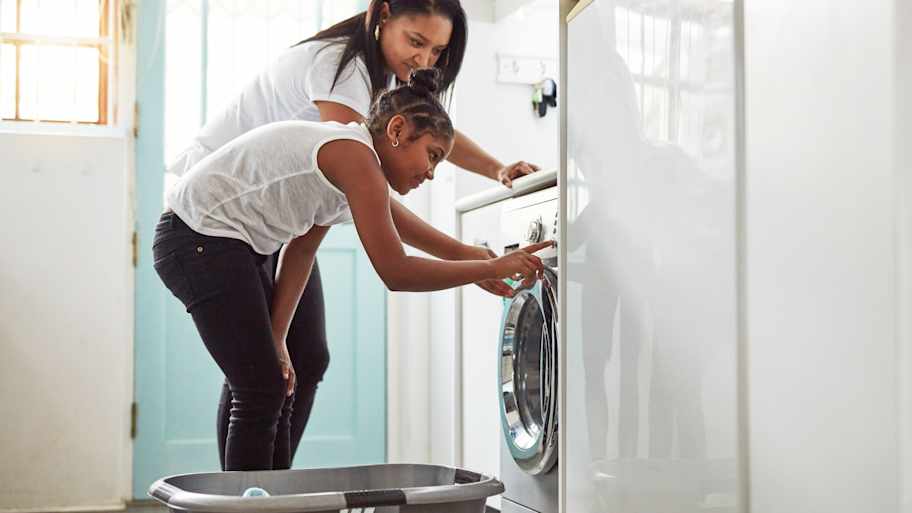
Your old top-load washer doesn’t have to be the standard. There’s a new kid on the block. This guide dives into the pros and cons of front-load washers.
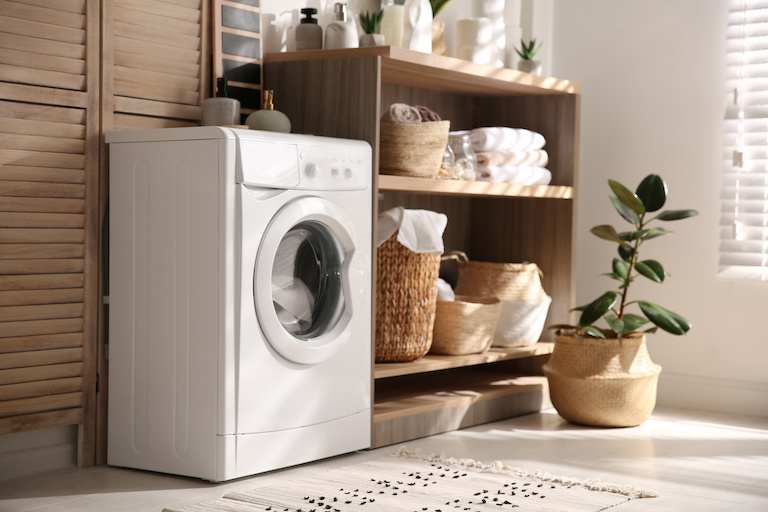
Does your front-load washing machine smell? This is a sign it needs regular cleaning and maintenance. Learn how to clean your washer to prevent mold and mildew.

Your washing machine can make your laundry routine easier—or more difficult. Consider these key differences between top load versus front load washers.

An overloaded washing machine will leave your clothes feeling dirty and soapy. Plus, the added weight will stress your machine, leading to costly repairs.

Your washing machine’s lifespan depends on the type and how often you use it. Learn how long a washing machine lasts and how to extend its life.