

Installing a gas dryer can help you save on your monthly energy bills. Depending on whether you need a new gas line, gas dryer installation costs will vary greatly.
Don’t be left out to dry—know your stuff before buying a new unit

Gas dryers use natural gas or propane to heat air while electric dryers rely on electricity to heat coils inside your dryer.
Gas dryers cost $50 to $100 more upfront than electric dryers, while top-of-the-line models for both types range from $1,200 to $1,600.
Electric dryers offer easier DIY installation and a slightly longer lifespan, while gas dryers dry your clothes faster and cost less per load.
Hiring a local appliance installation professional provides reliable support with gas line hookups and electrical outlet upgrades, keeping your installation safe and stress-free.
Gas and electric dryers both get your clothes dry on laundry day, but how they operate is different. This guide will help you decide if an electric or gas dryer is best for your home.
The primary difference between a gas and an electric dryer is the power source. A gas dryer requires either propane or natural gas and electricity to heat up, turn the drum, and power all the controls. Electric dryers only need electricity to run. To use a gas dryer, you need to have a way to connect the dryer to a gas line.
A gas dryer burns propane or natural gas to heat air, which is then blown into the drum. The drum turns, tossing your clothing about so that the air circulates around and dries it. To use a gas dryer, you need to have a gas line at your home or install a new one.
| Gas Dryer Pros | Gas Dryer Cons |
|---|---|
| Faster | Requires a gas line |
| Less damage to clothing | Needs venting |
| Costs less to run per load | More expensive upfront |
Best for:
Homes with an existing gas line
Homeowners who plan on staying in their current home for more than five years
Gas dryers dry clothes faster because they’re able to generate instant heat to their burners. This is great for busy homeowners who need laundry dried quickly (or get through that clothes tower faster). Plus, your clothes will experience less wear and tear on a gentler cycle because clothes are dried more quickly at specific temperatures.
What makes gas dryers even more appealing is that you pay less per load—especially if it boasts an Energy Star rating. So not only will your clothes dry faster, but you’ll also pay less by using natural gas or propane.
Hiring a professional to install your gas dryer is essential, so you’ll need to factor in this added fee when you’re calculating gas dryer costs. Having a professional take care of the installation will save you from worrying about gas problems and potential leaks in the future.
Gas dryers always have to be vented outside because they produce carbon monoxide. While you may have to vent some electric dryers, most newer models don't require venting.
While gas dryers use a flame and gas to heat up, electric dryers rely on electricity, which heats up coils inside the dryer, allowing it to dry your laundry. Most electric dryers require 240 volts, which is a higher voltage than is found in the standard U.S. home. You'll need a special outlet installed to use an electric dryer.
| Electric Dryer Pros | Electric Dryer Cons |
|---|---|
| Easy to install | Higher energy bill |
| Longer lifespan | Longer drying time |
| Less expensive | Requires higher voltage than a traditional outlet |
Best for:
Homes without an existing gas line or hookup in the laundry room
Laundry areas with an existing 240-V outlet
Homeowners who don't plan on staying in their current home for more than five years
Unlike gas dryers, you don’t have to hire a professional to install your electric dryer. So if you consider yourself to be pretty handy and you like DIY projects, installing an electric dryer right out of the box will be a piece of cake.
The lifespan of an electric dryer is longer than gas dryers, but only slightly. An electric dryer can last for about 14 years, while a gas dryer will work for 13 years.
Electric dryers are more expensive to run and take longer to heat up. And though installation is DIYable, if your electrical dryer isn’t installed properly, you run the risk of being electrocuted or possibly starting a fire. Be careful with the wiring because faulty wires can be hazardous.
Check out how gas dryers and electric dryers compare side by side.
Gas dryers cost more than electric dryers. A typical gas dryer costs more than a typical electric dryer, but when they're both high-end models the prices are relatively the same. You could pay between $1,200 to $1,600 for a top-of-the-line gas or electric dryer.
In most cases, it’s best to call a local appliance installation company to set up your dryer. While it may be easy for a homeowner to install an electric dryer by simply plugging it into an outlet and connecting the hose, gas dryers are more complex.
To install a gas dryer, you’ll need to hire a licensed plumber to hook up the gas. This additional cost can range anywhere from $75 to $125 depending on the complexity. We don’t suggest tackling this part on your own as gas leaks can be lethal.
While the upfront costs of electric and gas dryers are similar, the same is not true for the cost to run the units. Gas dryers run hotter than electric dryers, so it takes less time and energy to dry clothes. That’s why gas dryers are typically less expensive to run than electric dryers.
Determining the cost to run each option will also depend on your home’s power source. For instance, homes with solar panels can generate eco-friendly electric energy to power a dryer without much effect on your utility bills. But if your electricity comes from a power plant, which is the case for most homeowners, then you may want to opt for gas instead.
Your total cost to run plays the largest role in energy efficiency. That as well as the time it takes to heat up, which is usually longer with an electric dryer. Longer heat up time and total drying time will mean that electric dryers are overall less energy efficient.
Gas is also generally priced cheaper than electric when comparing costs from your energy provider.
You’ve got a better chance at handling your own maintenance repairs on an electric model. Simple repairs can be anything from changing the belts or a switch to even setting up a new heater.
However, you’ll need to call in a local gas appliance repair professional to address any gas dryer repairs. It can cost anywhere from $75 to $125 for a simple service call, not including the parts.
No one likes to wait for hours for clothes to cycle through the dryer. Since gas dryers reach higher temperatures than electric dryers, they typically have shorter cycle times. Plus, gas dryers heat up faster than the electric counterparts, making them the clear winner of the efficiency contest.
As mentioned above, the lifespan of an electric dryer is slightly longer than gas dryers. An electric dryer can last for about 14 years, while a gas dryer will work for 13 years. However, the lifespan of a dryer depends on its use, maintenance, and repairs over time.
Not sure which type of dryer you have? No problem. Start by looking behind the unit. An electric dryer will feature a large cord connected to an outlet, without connection to a gas line. On the other hand, a gas dryer plugs into an outlet that’s connected to a gas valve, plus it has an exhaust pipe. If you’re still struggling to make the distinction between a gas and electric dryer, find your model number and search it online for a final answer.
If you’re sold on a particular gas or electric dryer, but your power source is the opposite, you’ll need to work with an electrician or plumber to get the right one installed first. You’ll most likely be interested in converting an electric dryer to gas. Converting a gas dryer to electric isn’t a common practice since it’s considered less energy efficient.
It may come as a surprise, but plumbers are oftentimes the best professionals to hire for gas-related jobs. In fact, most states require plumbers to maintain certifications and insurance in order to take on projects related to gas, including installing and repairing gas lines for appliances, like ovens, stoves, and dryers.

The process for converting to a different power source is about the same, but there are some key differences to keep in mind:
To install a gas dryer without an existing gas hookup, you’ll need to contact a plumber who can run a new gas line in your home. They will coordinate with your local gas company and acquire the correct permits to start the project.
While it's not common to convert a gas dryer to electric, if you want to proceed, you'll need to hire an electrician. They confirm the outlet is a 240 volts or help you upgrade your electrical panel before installing your dryer. You'll also need to call a local plumber to cap your gas line.
Ebonee Williams contributed to this piece.
Positive experience. As previously stated, the replacement/repair could not be completed (no fault of the plumbing tech) b/c misinformation was rec?d by property management maintenance. Thanks to the plumbing tech for your efforts. Appreciate you!
 The Waterworks
Carpet repair done well. Scheduling was easy. Showed up on time.
 BR Flooring Installation
As usual with ECO, tech Jordan was outstanding, very professional, very knowledgeable, and very thorough with repairs made to tankless water heaters. Very highly recommend ECO!!!
 Eco Plumbers, Electricians, and HVAC Technicians
I would recommend this company to anyone! He showed up on time, was friendly, completed a very difficult repair on our dryer vent cover, was responsive, and pricing was extremely fair and competitive. I would have him back to do any of our repairs or cleanings without hesitation!
 U.S.A. Dryer Vent, LLC
Everything from initial contact to completion was absolutely top notch. We contacted the business during off hours to leave a message, and the owner still reached out to feel out the issue within minutes. We were scheduled and repaired within 48 hours. I cannot say enough about the...
 Supreme brick & chimney
Ace Fireplace Services came to the rescue for my chimney repair. They were quick to pinpoint the issue and worked their magic to fix it. My chimney is now in excellent shape, and I'm a satisfied customer.
 Ace Fireplace Services
On Sunday 2/26 I requested quotes via Angi from 4 refrigerator repair businesses. Northwest Appliance responded to me Monday morning (2/27) and my refrigerator was repaired by noon the same day. Great communication, they did everything they said they would. The technician had the parts on...
Excellent! We were very satisfied with the service provided and the entire experience from start to finish. Very friendly and professional staff. I was able to instantly get in contact with them for a quote and the response time and overall communication remained quick and easy throughout the...
 Prime Cleaning Service
Description says they handle window repair including rotten hardwood - they called me back right away but didnâ t leave a voicemail. I followed up 3 days later and they said they donâ t do that kind of work.
 Window-Gurus
I needed reliable, affordable help the day of with moving a couple of appliances and misc items. It was a relief to hear back from Tanzillo almost instantly that morning so I could stop looking and move on to plan and prepare. Every part of the move was friendly and professional. Next time I...
 Tanzillo Concrete & Landscape
From average costs to expert advice, get all the answers you need to get your job done.
Installing a gas dryer can help you save on your monthly energy bills. Depending on whether you need a new gas line, gas dryer installation costs will vary greatly.
Depending on repair needs and machine age and type, the cost to replace a heating element in a dryer can vary. Learn the average repair costs.
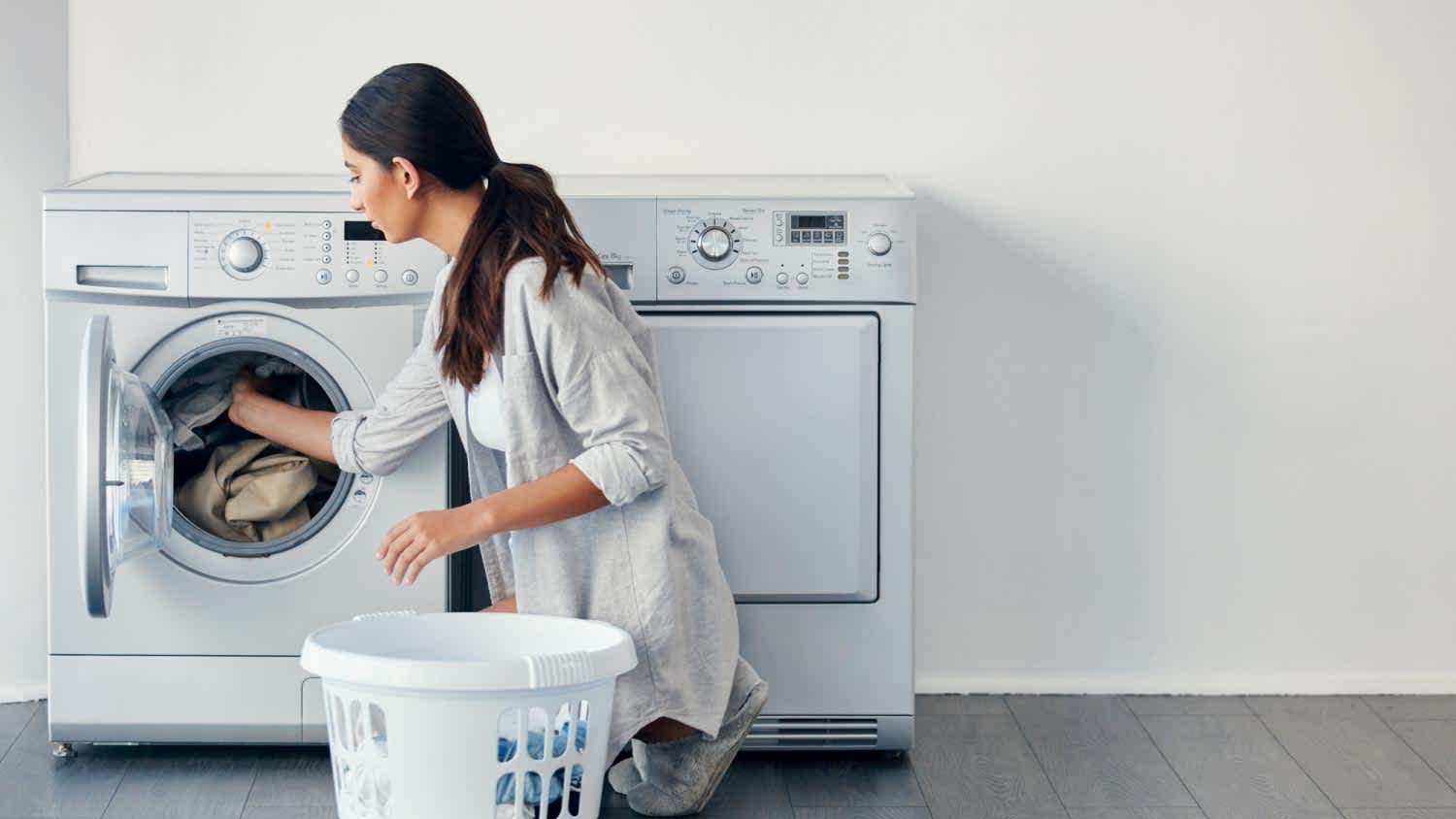
A question most homeowners have is, “can you convert a gas dryer to an electric one?” It’s possible, but our guide explains why that might not be the best option.
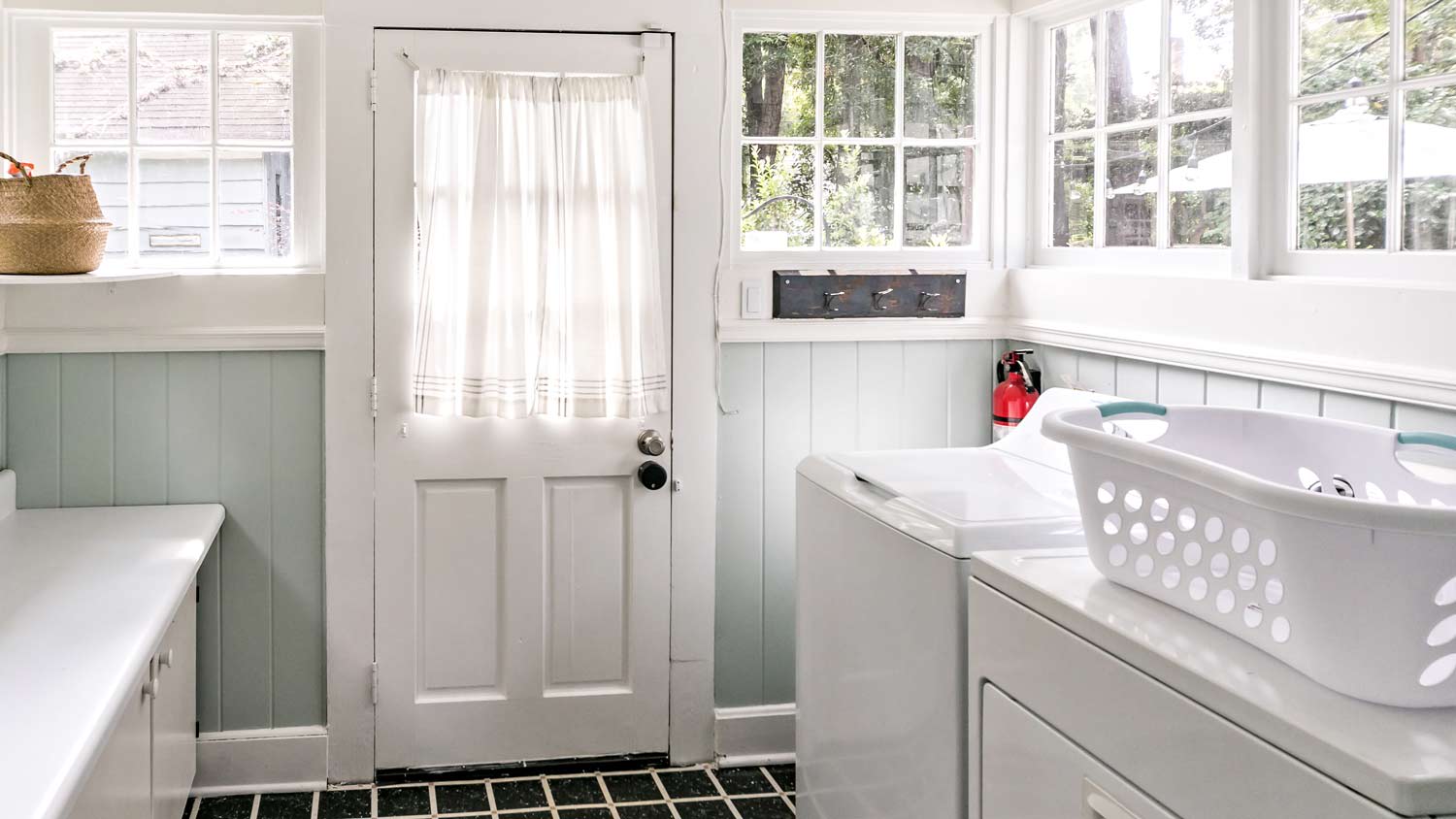
Wondering who to call to hook up a gas dryer? Call a licensed plumber or contractor to hook up your gas dryer and make sure it's venting properly.

If you’re shopping for new laundry appliances, understanding each of the different types of dryers can help you make the best choice for your needs.

Looking for a new washer or dryer to keep your clothes fresh and clean? Learn how to choose a washer and dryer by knowing what to consider.