
•
Get a clear estimate for stove repair costs. Learn what impacts pricing, compare repair vs. replacement, and find tips to save on your next stove repair.
There’s a good reason they say, “Now we’re cooking with gas!”

Gas stoves and electric stoves differ in fuel source, with gas offering instant heat control and electric providing consistent surface temperatures.
Converting from an electric stove to a gas range costs $125 to $2,000, depending on your existing gas line setup and electrical work.
You need a dedicated gas line or propane supply to switch to gas, plus local permits confirming your area allows gas stove installation.
Hiring a local natural gas plumbing professional keeps your conversion safe and code-compliant, handling gas line installation and electrical outlet adjustments.
Watch any competitive cooking show, and you’ll notice that most participants cook on a gas range. It makes sense, as most chefs will tell you gas stoves are their preference 10 times out of 10. But whether you’re a kitchen connoisseur or takeout titan, is it worth converting to gas if you have an electric stove? Here’s what you need to know about making the switch.
Gas stoves have many benefits over electric stoves, but what's the difference between the two? The primary distinguishing feature is the type of fuel each uses, but there are many other distinctions.
| Pros | Cons |
|---|---|
| Instant heat adjustment, quick to cool down | Must remove grates to clean |
| More energy efficient | Higher upfront cost |
An electric range usually features a flat, ceramic-glass cooking surface. Beneath the surface are heated metal coils that transfer heat to cookware. You'll typically require a 220—or 240-volt outlet rather than the typical 110-volt outlet to plug in an electric stove.
| Pros | Cons |
|---|---|
| Multi-ring burners can be tailored to specific cookware | Burners take longer to cool |
| Easy to clean | Spills are more likely to bake on the surface |
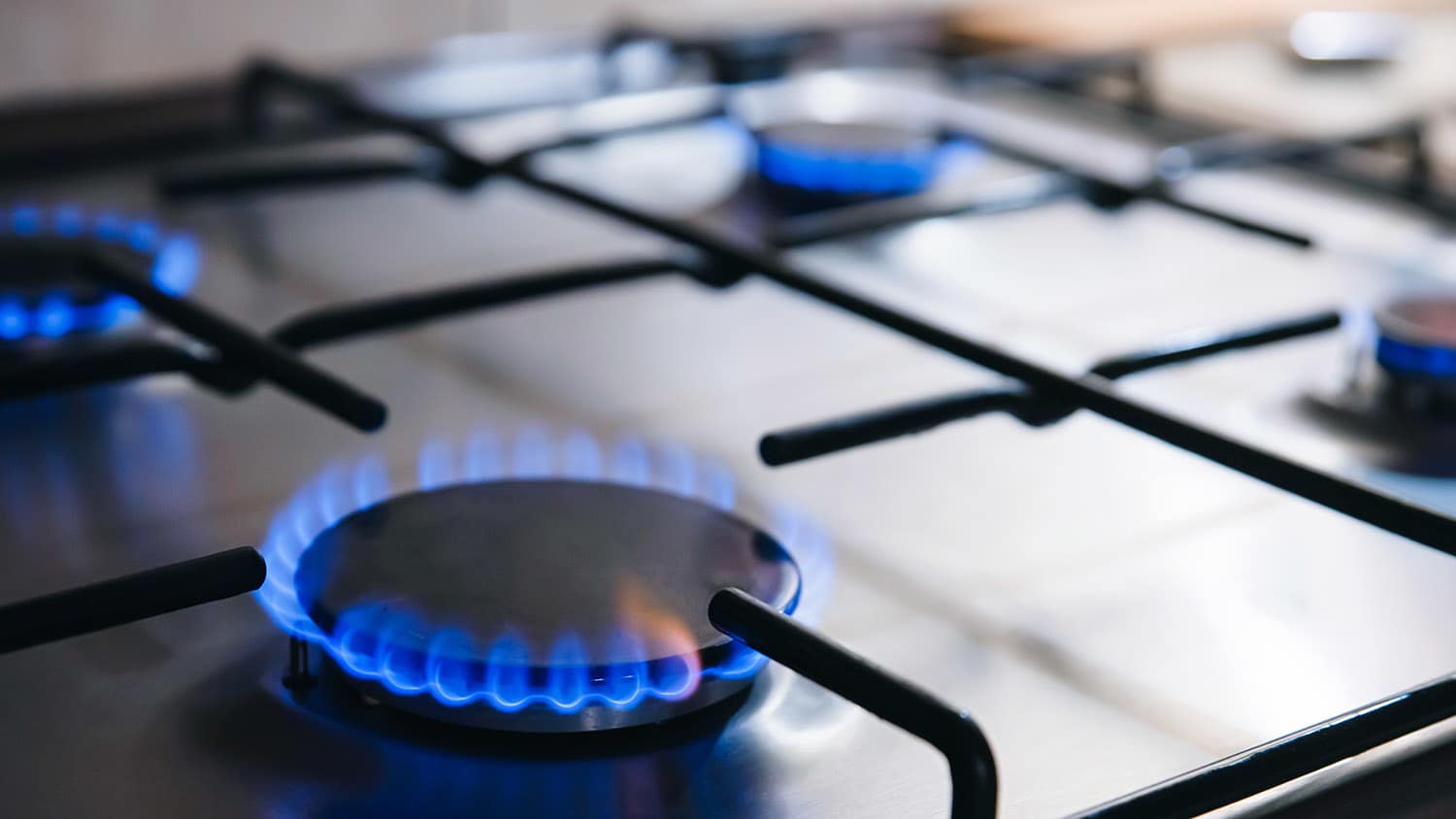
The key feature of a gas range is an open flame on the stovetop. Different gas burners use various flame sizes to offer multiple heat levels. A gas stove may have burners suited to melting, simmering, or frying. Gas ranges require a dedicated natural gas line, but not every home has a gas line running to the kitchen. The cost to install a gas line is $260 to $820.
According to Angi data, nearly 51% of homeowners have electric stovetops, while 46% of homeowners have gas stovetops. Check out the split between electric and gas stoves:
Yes, in many cases, you can convert your electric stove to a gas stove, but some regions no longer permit the installation of gas stoves due to the risks they bring to the household and climate. For instance, New York is the first state in the U.S. to ban natural gas and other fossil fuels in most new builds to encourage more climate-friendly appliances.
To figure out whether you can do the conversion, first, check with your local authority to ensure you’re permitted to do so. Then see if you have access to a natural gas line or propane supply. If you don’t, you’ll need to verify whether local regulations permit the installation of a new one. If you learn that you’re fully permitted to convert your stove and you have access to a gas line, hire a professional to handle the conversion for you, as they’ll have the tools and expertise to complete the installation safely.

If you’re wondering why someone might want to switch from an electric stove to a gas stove, there are some good arguments for doing so.
In contrast to electric stoves, gas stoves are celebrated for their energy efficiency, reducing homeowners' utility expenses. This advantage arises from a few things. First, their direct combustion process converts the energy source into heat with minimal loss, unlike electric stoves that must first convert electricity into heat, incurring energy losses.
Additionally, while energy costs can be volatile, natural gas tends to be more economical than electricity, often costing up to three times less. This makes gas stoves a financially savvy choice, particularly in an environment where energy costs fluctuate significantly.
Gas stoves boast a simpler and more streamlined design with fewer parts of a stove than their electric counterparts. They offer more manageable maintenance and upkeep, and their simplicity contributes to greater longevity and durability, making them a reliable choice for those seeking a long-lasting appliance.
On the flip side, electric ranges come with a lower initial purchase price, making them a more budget-friendly option for up-front costs. This trade-off between affordability and long-term reliability often gives consumers a choice that hinges on their immediate budget constraints and their desire for a low-maintenance and robust cooking solution.
Gas stoves offer more precision and temperature consistency, two benefits that help ensure your recipe turns out perfect every time. Electric stove temperatures are less consistent, so you may fry up a steak perfectly in ten minutes one day, then burn it to a crisp the next day.
Gas ranges also have a wider heat range than electric ranges because every little movement of the knob allows you to see the flame get higher or lower. Electric ranges don’t give you that kind of moment-to-moment feedback.
Electric range burners take longer to heat and cool than gas range burners. With gas ranges, you have access to heat as soon as the flame ignites. Plus, the range cools more quickly than an electric model, which means your air conditioner won’t be fighting as hard to cool your kitchen in the summer.
Gas stoves can be 10% to 30% cheaper to operate than electric ones. However, your exact savings depends on how much time you spend cooking. If you spend a significant amount of time in the kitchen preparing meals regularly, the cost-effectiveness of a gas stove becomes more apparent.
However, for those who cook infrequently or prefer the convenience of electric cooking, the lower upfront cost of an electric stove may be a more compelling factor to consider. Choosing between gas and electric stoves depends on budget considerations, your culinary preferences, and how often you use the appliance.

When switching from electric to gas, hiring a professional natural gas installer is crucial for a safe and efficient transition. Even experienced DIYers should avoid handling this task themselves because it may violate local health and safety guidelines.
Licensed pros have the necessary skills to navigate the complexities involved in this type of project, from assessing your needs to installing gas lines and appliances while ensuring compliance with regulations. Their expertise minimizes safety risks and ensures long-term savings. Additionally, professionals provide ongoing maintenance and repair services, investing in their assistance, which is a wise choice for a seamless and trouble-free conversion.
Converting your electric stove to a gas range involves several smaller projects. Depending on which steps you need to take in your specific kitchen, you'll pay anywhere from $125 to $2,000.
Changing the outlet from a standard 110-volt outlet to a 240-volt requires a local electrician, charging $50 to $100 per hour.
If you already have a gas line behind your stove, you'll simply need to hire a natural gas plumber for a $125 service call to hook up the new gas range.
If your gas line isn't long enough to reach the stove, you'll need to extend it. Every ten feet of extension required will cost $150 to $200.
If you need a new gas line to handle the load of your gas range, running one costs $260 to $820, depending on the length.
If your home doesn't have gas service at all, the cost of having gas service installed costs about $2,000 and involves new underground piping, permitting, and labor fees.
Positive experience. As previously stated, the replacement/repair could not be completed (no fault of the plumbing tech) b/c misinformation was rec?d by property management maintenance. Thanks to the plumbing tech for your efforts. Appreciate you!
 The Waterworks
Carpet repair done well. Scheduling was easy. Showed up on time.
 BR Flooring Installation
As usual with ECO, tech Jordan was outstanding, very professional, very knowledgeable, and very thorough with repairs made to tankless water heaters. Very highly recommend ECO!!!
 Eco Plumbers, Electricians, and HVAC Technicians
I would recommend this company to anyone! He showed up on time, was friendly, completed a very difficult repair on our dryer vent cover, was responsive, and pricing was extremely fair and competitive. I would have him back to do any of our repairs or cleanings without hesitation!
 U.S.A. Dryer Vent, LLC
Everything from initial contact to completion was absolutely top notch. We contacted the business during off hours to leave a message, and the owner still reached out to feel out the issue within minutes. We were scheduled and repaired within 48 hours. I cannot say enough about the...
 Supreme brick & chimney
Ace Fireplace Services came to the rescue for my chimney repair. They were quick to pinpoint the issue and worked their magic to fix it. My chimney is now in excellent shape, and I'm a satisfied customer.
 Ace Fireplace Services
On Sunday 2/26 I requested quotes via Angi from 4 refrigerator repair businesses. Northwest Appliance responded to me Monday morning (2/27) and my refrigerator was repaired by noon the same day. Great communication, they did everything they said they would. The technician had the parts on...
Excellent! We were very satisfied with the service provided and the entire experience from start to finish. Very friendly and professional staff. I was able to instantly get in contact with them for a quote and the response time and overall communication remained quick and easy throughout the...
 Prime Cleaning Service
Description says they handle window repair including rotten hardwood - they called me back right away but didnâ t leave a voicemail. I followed up 3 days later and they said they donâ t do that kind of work.
 Window-Gurus
I needed reliable, affordable help the day of with moving a couple of appliances and misc items. It was a relief to hear back from Tanzillo almost instantly that morning so I could stop looking and move on to plan and prepare. Every part of the move was friendly and professional. Next time I...
 Tanzillo Concrete & Landscape
From average costs to expert advice, get all the answers you need to get your job done.
Get a clear estimate for stove repair costs. Learn what impacts pricing, compare repair vs. replacement, and find tips to save on your next stove repair.
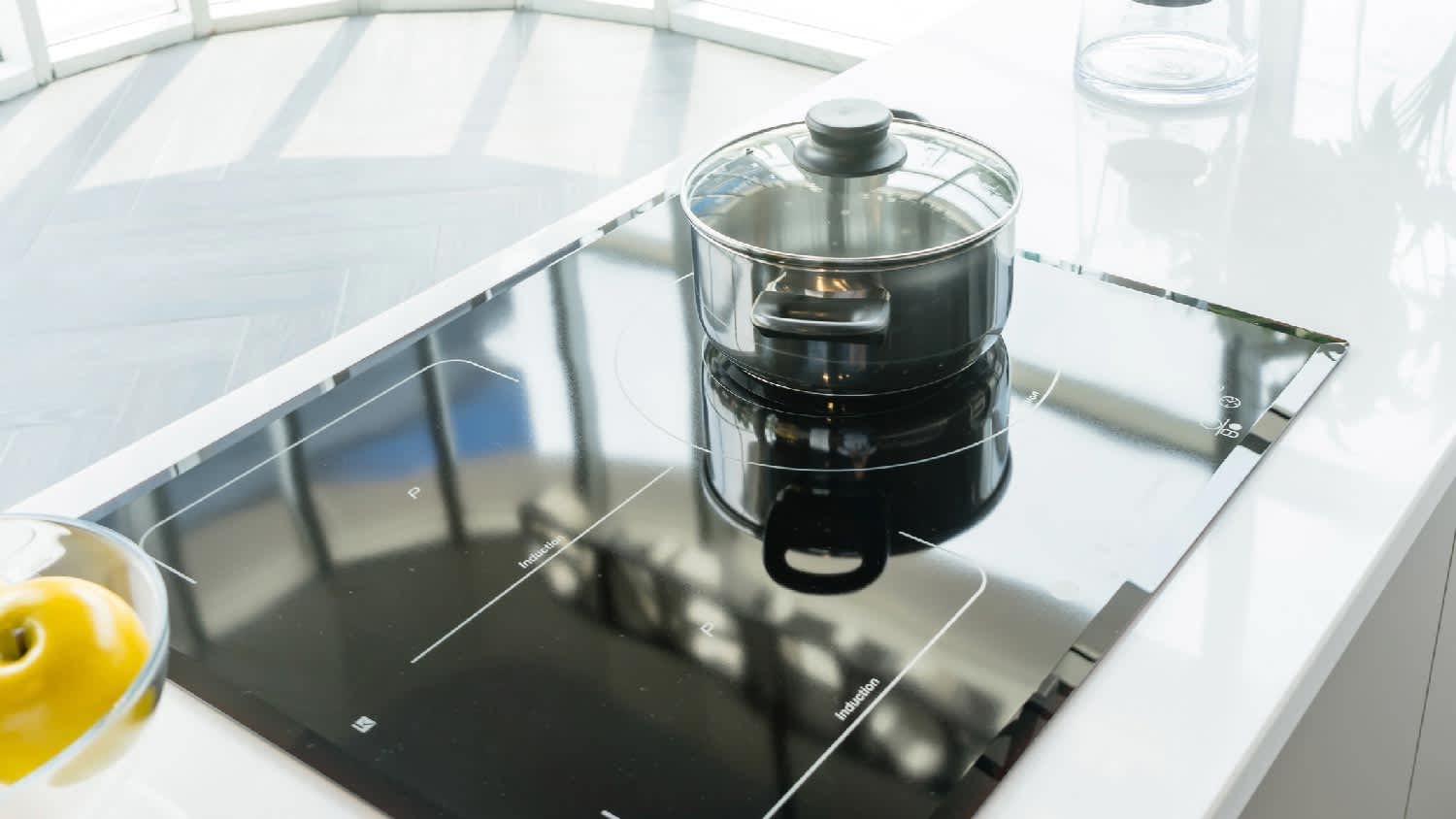
Our gas vs. electric stove guide breaks down key differences between the two appliances, including cost, how they cook, and ease of cleaning.

As certain regions phase out gas stoves altogether, now is the time to learn about the costs and benefits of different gas stove alternatives.
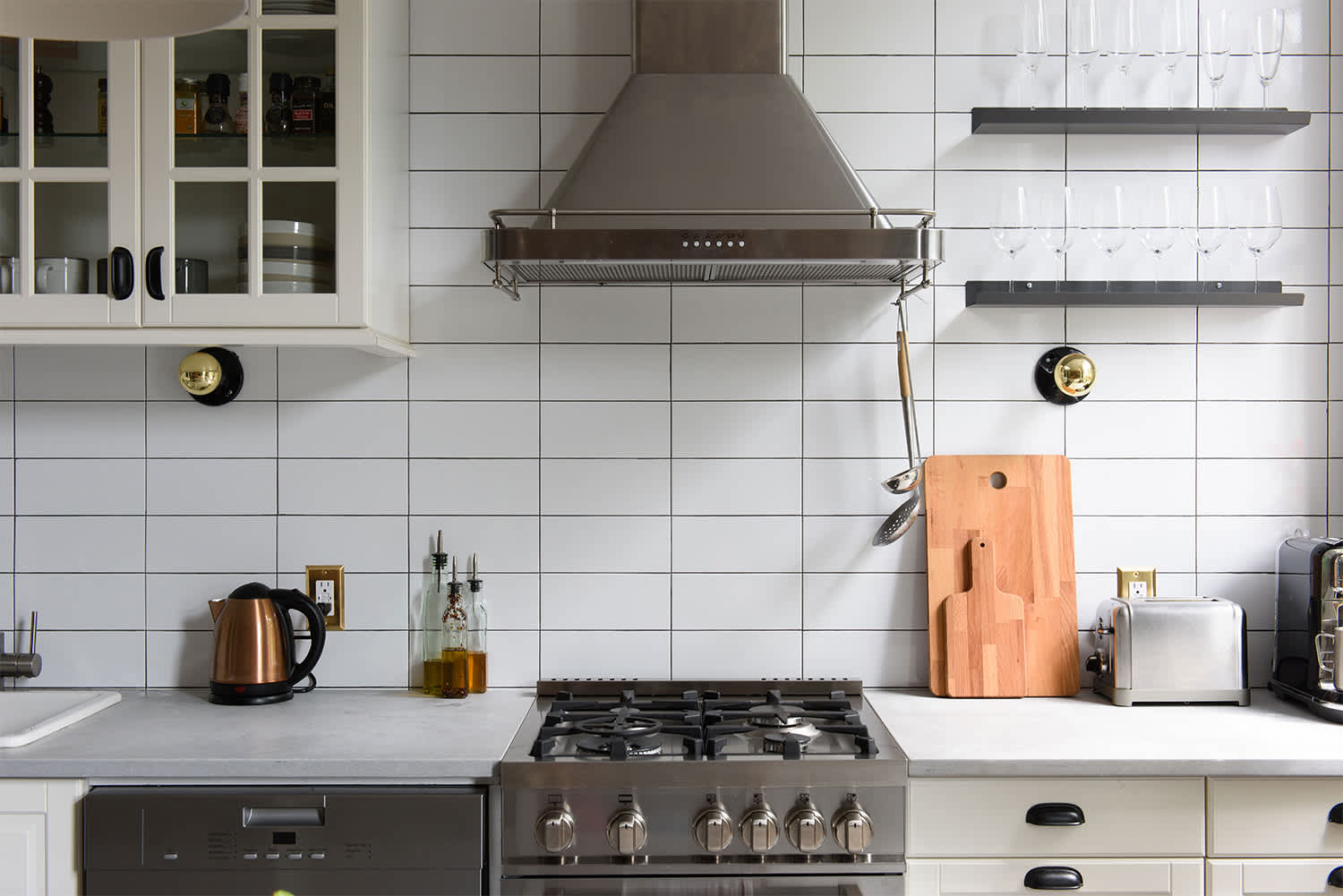
Did you leave the gas on? If you went out and forgot to turn off the stove, don’t panic. Instead, remain calm and follow a few basic steps.

Deciding between a gas or electric oven can be challenging. Use this guide to learn the pros and cons of each so you can make the right choice for your kitchen.
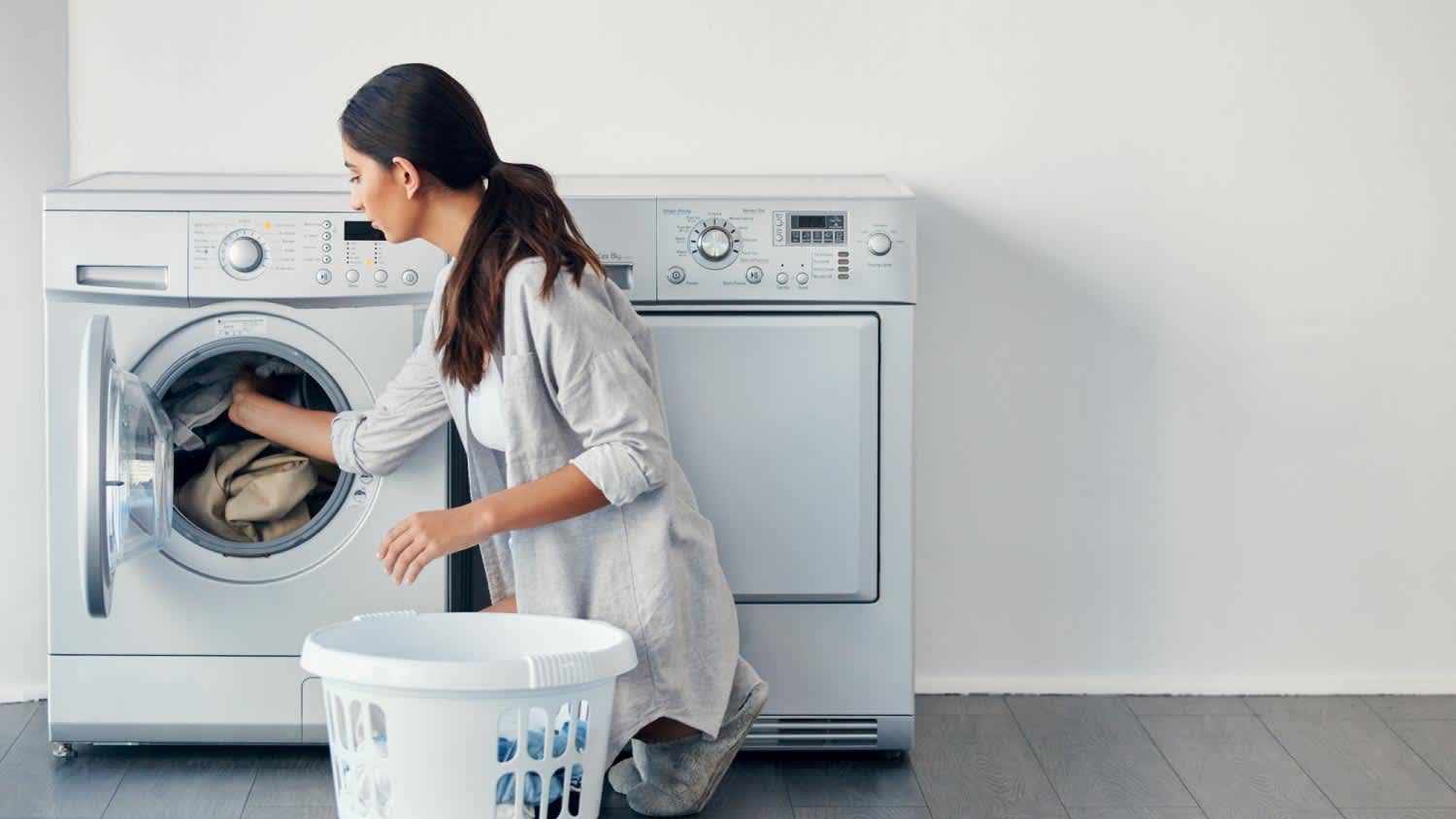
A question most homeowners have is, “can you convert a gas dryer to an electric one?” It’s possible, but our guide explains why that might not be the best option.