
Whether you’re replacing an old dishwasher or buying your first, find out more about dishwasher costs, including new dishwasher installation.
Stop the dishwasher din with a few troubleshooting tips

Loose dishes clashing inside your dishwasher create loud banging noises when the spray arm rinses them during the cycle.
Typical dishwasher replacement costs range from $1,000 to $1,500, so addressing noise issues early helps you avoid higher expenses.
Clogged spray arms from mineral deposits or debris create loud pressure noise that cleaning with vinegar or baking soda resolves.
Hiring a local dishwasher repair professional provides reliable support for diagnosing drain pump, circulation pump, and inlet valve issues.
A running dishwasher shouldn’t sound like a party. If you hear regular clanking, it may be time to play detective and get to the bottom of the problem. Dishwashers can make all kinds of sounds due to clogs, old age, broken parts, and user error. Let’s break down the seven most common reasons why your dishwasher is loud so it can clean in peace and quiet.

One of the biggest causes of a loud dishwasher is loose dishes. If you cram too many dishes into a dishwasher, they can clash against each other as the spray arm rinses them. A clanging noise is a big telltale sign that your dishes need rearranging.
Space the dishes out, making sure they fit snugly on the racks. Place larger cookware in the middle to keep them from hitting the sides. If you notice a heavier dish tilting forward, it might be worth cleaning it by hand.
Spray arms send water around the dishwasher, but when they become plugged, the pressure from the blocked water can create a loud sound.
To fix this, check for mineral deposits, stray utensils, and debris. You can clean the spray arms using vinegar or make a paste of baking soda and let it sit on the buildup. Then, use a small wire to loosen clogs.
Your dishwasher’s drain pump is an important part of the drainage system. If it fails to operate correctly, then you’ll hear loud grinding, buzzing, or squealing noises, and your dishwasher won’t drain well.
While cleaning the drainage system might help with this problem, if you have a malfunctioning drain pump, you’ll need to hire a technician to confirm the diagnosis and replace the pump to restore proper function.
Water inlet valves can become finicky for several reasons. The small filter inside the inlet valve is prone to clogs from hard water sediment and the valve itself can wear down from the repetitive opening and closing during the dishwasher cycle. You might hear a loud screeching noise if the water inlet valve is plugged.
Since the inlet valve is usually located underneath the dishwasher, consider hiring a professional for the disassembly. If that doesn’t do the job, or there are signs of wear and tear, your pro can order the correct replacement inlet valve to fix the problem.
A loud buzzing or high-pitched sound emanating from your dishwasher might be an issue with the circulation pump. The bearings of your circulation pump can become worn out, leaving your dishes looking dirty after a cycle.
If you notice your dishes still have stuck-on food, then you might need to replace the circulation pump with the help of a knowledgeable professional.

A pump impeller has fins that help propel water through the dishwasher’s spray arms. It also helps flush water during the drain process.
A propeller can break after years of working through chunks of food and other stubborn debris. This is not a DIY project and likely needs the help of a professional if you have to replace it.
Sometimes, the drain hose that connects your dishwasher to the primary drain can become loose. Another issue: it may have been improperly installed in the first place. In this case, the hose moves around while your dishwasher drains, causing a loud noise. To spot this culprit see if your dishwasher is making a racket only when it's draining.
In most cases, you can use a pipe clamp, zip ties, or wire to secure the drain hose and prevent it from moving during the dishwasher cycle.
When you've tried the straightforward hacks to make your dishwasher quieter to no avail, it might be time to call in an expert. A dishwasher repair pro near you can troubleshoot your dishwasher and determine whether it needs repairing or if you need to replace the dishwasher entirely. Installing a new dishwasher costs between $1,000 and $1,500 on average.
If your dishwasher is over 10 years old, then it may be time to replace it. However, a newer dishwasher is the perfect opportunity for you to implement some best practices to prevent future issues that lead to a loud dishwasher, including the following tips:
Scrape off large food particles before loading.
Always stack dishes and utensils in an orderly fashion.
Avoid overloading your dishwasher.
Use the recommended amount of detergent.
Clean your dishwasher every three to six months.
Run a vinegar rinse to remove hard minerals.
Invest in a water softener.
Repair your dishwasher as soon as problems arise.
Operate the dishwasher periodically to prevent buildup.
Positive experience. As previously stated, the replacement/repair could not be completed (no fault of the plumbing tech) b/c misinformation was rec?d by property management maintenance. Thanks to the plumbing tech for your efforts. Appreciate you!
 The Waterworks
Carpet repair done well. Scheduling was easy. Showed up on time.
 BR Flooring Installation
As usual with ECO, tech Jordan was outstanding, very professional, very knowledgeable, and very thorough with repairs made to tankless water heaters. Very highly recommend ECO!!!
 Eco Plumbers, Electricians, and HVAC Technicians
I would recommend this company to anyone! He showed up on time, was friendly, completed a very difficult repair on our dryer vent cover, was responsive, and pricing was extremely fair and competitive. I would have him back to do any of our repairs or cleanings without hesitation!
 U.S.A. Dryer Vent, LLC
Everything from initial contact to completion was absolutely top notch. We contacted the business during off hours to leave a message, and the owner still reached out to feel out the issue within minutes. We were scheduled and repaired within 48 hours. I cannot say enough about the...
 Supreme brick & chimney
Ace Fireplace Services came to the rescue for my chimney repair. They were quick to pinpoint the issue and worked their magic to fix it. My chimney is now in excellent shape, and I'm a satisfied customer.
 Ace Fireplace Services
On Sunday 2/26 I requested quotes via Angi from 4 refrigerator repair businesses. Northwest Appliance responded to me Monday morning (2/27) and my refrigerator was repaired by noon the same day. Great communication, they did everything they said they would. The technician had the parts on...
Excellent! We were very satisfied with the service provided and the entire experience from start to finish. Very friendly and professional staff. I was able to instantly get in contact with them for a quote and the response time and overall communication remained quick and easy throughout the...
 Prime Cleaning Service
Description says they handle window repair including rotten hardwood - they called me back right away but didnâ t leave a voicemail. I followed up 3 days later and they said they donâ t do that kind of work.
 Window-Gurus
I needed reliable, affordable help the day of with moving a couple of appliances and misc items. It was a relief to hear back from Tanzillo almost instantly that morning so I could stop looking and move on to plan and prepare. Every part of the move was friendly and professional. Next time I...
 Tanzillo Concrete & Landscape
From average costs to expert advice, get all the answers you need to get your job done.
Whether you’re replacing an old dishwasher or buying your first, find out more about dishwasher costs, including new dishwasher installation.
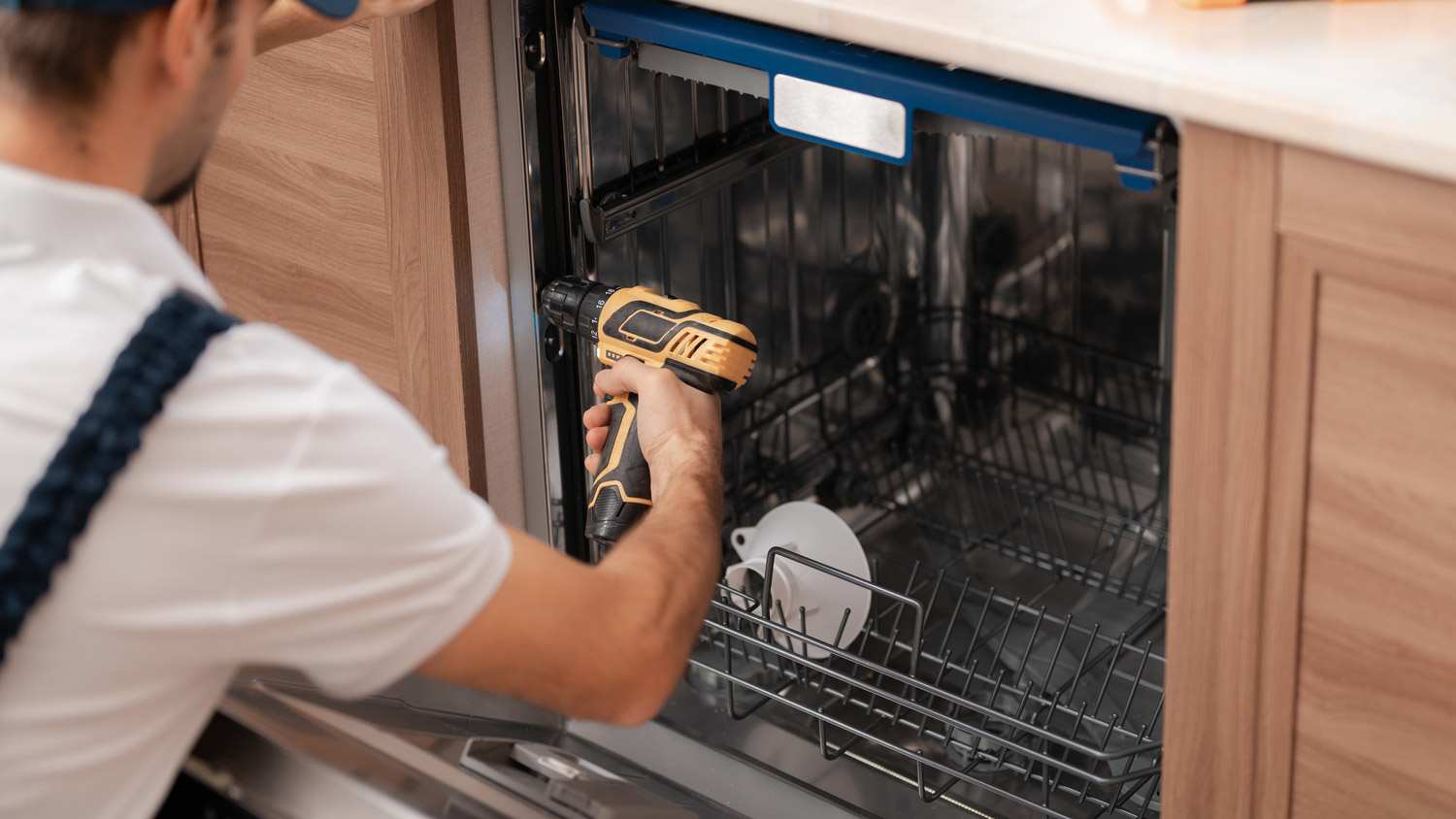
Discover the average dishwasher installation cost, key price factors, and tips to save on your project. Get transparent, expert-backed estimates.
Common reasons for dishwashers making a grinding noise include clogs and broken parts. Keep reading to learn why your dishwasher is making a grinding noise.
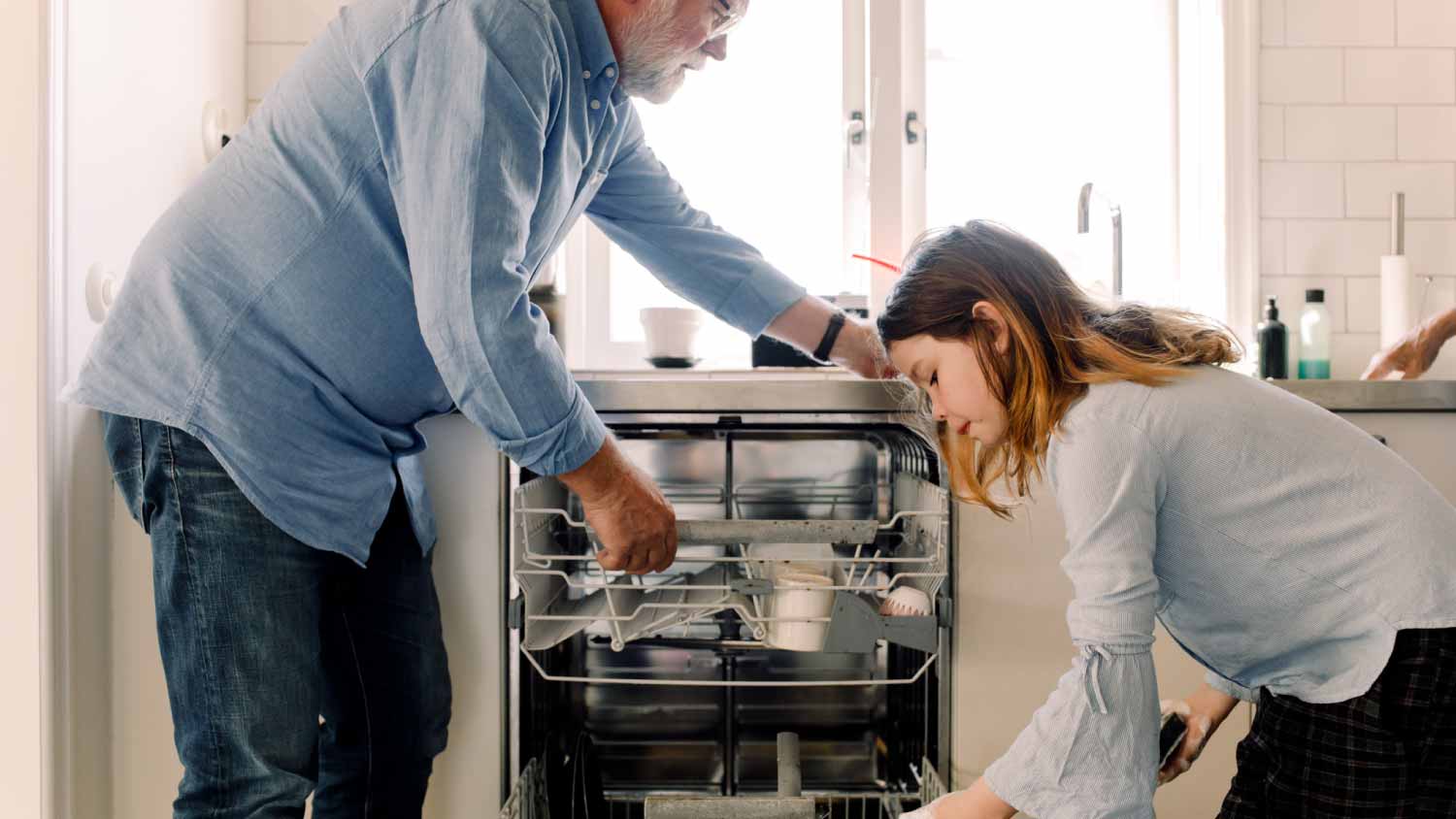
Is your dishwasher not cleaning properly? This may happen for a few reasons, including a dirty filter or broken inlet valve. Learn how to troubleshoot your dishwasher cleaning problems.

Feeling frustrated because your dishwasher won't turn on? Dive into troubleshooting dishwasher issues to take the next step to fix this pesky dilemma.

Your dishwasher works hard, but all machines quit eventually. So, how long do dishwashers last, and when is it time to replace them? Find out more.