

Fire damage restoration costs vary widely based on the extent of the damage. Learn how to assess your home and estimate your total after a fire.
Taking preventive measures and staying calm is the key to handling a kitchen fire

Throwing flour on a fire causes an explosion, as the fine particles ignite instantly and create a fireball that spreads flames throughout your kitchen.
Your kitchen faces fire risk from unattended cooking, excessive oil, and flammable objects near burners, so keeping a tidy cooking space reduces danger significantly.
Cover stovetop fires with a lid to cut oxygen supply, turn off the heat source, and use baking soda or salt to smother flames.
Hiring a local fire damage restoration professional provides expert cleanup and repair after kitchen fires, helping restore your home safely and completely.
While we associate kitchens with cooking our favorite meals, we tend to forget that it also presents the greatest risk for fire. Nearly half of all house fires originate in the kitchen, according to the National Fire Prevention Association (NFPA). Hot burners, open flames, and numerous electrical appliances coupled with cooking oils create conditions ripe for a potential fire.
That’s why it’s crucial to know how to put out a kitchen fire. In this step-by-step guide, we’ll review some of the most common causes of kitchen fires, how to prevent them, and how to extinguish a kitchen fire.
In short, yes. But don’t feel bad. All kitchens are fire hazards due to the presence of an oven and range and other kitchen appliances that heat up, including microwaves, toasters, toaster ovens, and air fryers, among other things.
Fortunately, you can dramatically decrease the odds that your kitchen will experience a fire by following home safety tips and being prepared in the event you’re faced with one. For starters, you should avoid leaving an active cooking station unattended and remove all clutter from the heated area.
These methods are effective ways to put out the most common types of fires that occur in the kitchen. However, if you feel like the fire is out of control and spreading, abandon your attempts to extinguish, get everyone out of the house, and call 911.
If a fire erupts inside the oven or the microwave, you need to perform these few simple steps to keep it under control and extinguish it.
Keep the door closed. This step will limit the supply of oxygen the fire has inside the oven.
Turn the oven or microwave off. You need to remove the heat source from the oven.
Let it burn out. Once the fire consumes the available oxygen inside the oven, it will extinguish itself. Keep the door closed for at least 15 minutes before taking a peek inside.
Prevention is your first line of defense against dangerous stovetop fires. Whenever using a pot or frying pan, ensure you have its corresponding lid nearby so you can cover the cookware in the event of a fire.
If a fire starts inside the pot or pan, immediately put on an oven mitt, grab its lid, and cover it to deprive the fire of oxygen.
Turn off the stove to eliminate the heat source.
Keep the lid in place for about 10 to 15 minutes to ensure the fire is out before removing it. Don’t remove the lid until you can see that the fire is out.
When you lift the lid, open it away from your face. If the fire isn’t completely out, the sudden rush of oxygen can cause the flames to flare up.
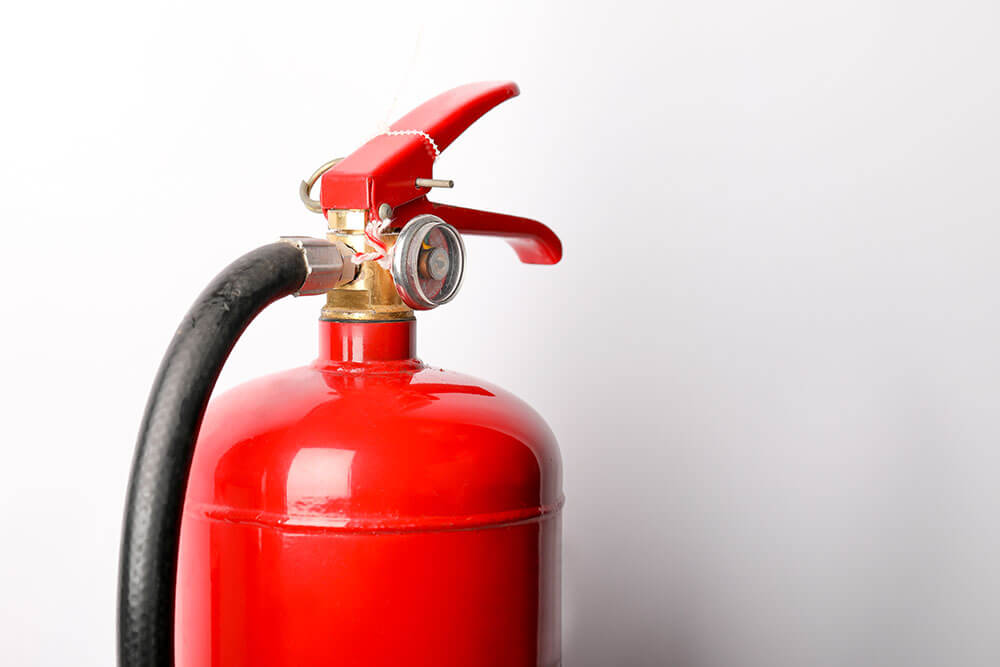
If you can’t put a lid on top of the pot or pan because the flames are too big or the fire escaped the pan, use a fire extinguisher and aim it at the base of the fire to put it out.
If you don’t have a fire extinguisher, attempt to smother the fire using baking soda or salt. Don’t be stingy. Tear the top off the container and dump its entire contents onto the flames.
Remember, if you can’t get control of the fire quickly, get everyone out of the house, close the door behind you to limit the fire’s supply of oxygen, and call 911.
Appliances like toasters and toaster ovens also present kitchen fire hazards. Toaster fires are often caused by faulty mechanisms that prevent the machine from turning off. Clean your appliances effectively to remove crumbs on the bottom of the toaster, which can also cause a fire.
As soon as you notice a fire inside the toaster, unplug it if you can. This step will cut power to the heating elements.
If you can’t reach the plug safely, switch off the circuit breaker to that room or outlet.
Attempt to smother the fire using a wet towel or a fire extinguisher. Never attempt to put out a fire involving a toaster or other kitchen appliance unless you’re positive that it’s disconnected from power.
After putting out the fire, dispose of the appliance as it is no longer safe to use.
Flammable objects, such as food packaging or dish towels, can become kindling if they get too close to a burner or heating element.
Attempt to grab the object with a pair of tongs and throw it into the sink.
Turn on the faucet to extinguish the flames.
Continue to douse the object in water until you’re sure the flames are out.
If you can’t grab the object with tongs safely, use a fire extinguisher to smother the flames.
Now that we know the best ways to extinguish a kitchen fire, let’s review some unadvised actions that can make matters worse.
Don’t use water: Since a stovetop or oven fire is likely the result of grease that has been ignited by the burner, never throw water onto the flames to attempt to extinguish it. It will only cause the burning grease to splatter and pop, producing a ball of flame.
Don’t move the pan: Many people’s first instinct is to pick up the burning pan and move the fire out of the house. But that will likely make the problem worse and cause injury. The burning oil may spill out of the pan onto the floor, causing the fire to spread. The grease could also fall on your skin, causing burns and potentially igniting your clothing.
Don’t swat at the flames using a dish towel or apron: This unadvised method will fan the flames with more oxygen, causing them to increase.
Don’t use flour: While baking soda and salt can help extinguish flames, never attempt to throw flour or sugar on a fire. Flour can explode and make the fire worse.
The best way to prepare for a kitchen fire is by taking measures to prevent one from happening. Follow these guidelines to keep your kitchen fire-free.
Be attentive: Leaving a burner on after cooking or leaving the room while burners are lit are the cause of nearly ⅓ of kitchen fires, according to the National Fire Protection Association (NFPA). You can take a big step toward preventing a fire by paying careful attention while cooking.
Keep a tidy cooking space: It’s essential to add cleaning the stovetop and oven to your weekly kitchen cleaning checklist. Built-up grease and food debris create a fire hazard. Clean your range and oven regularly to reduce the risk of a kitchen fire.
Avoid clutter around your stove: Dishtowels, oven mitts, aprons, food packaging, aerosol sprays, and other flammable items left close to the stovetop can catch fire. Avoid clutter by putting these items away when not in use and never leave them near hot burners.
Roll up your sleeves and tie back long hair: Loose clothing made from flammable fabrics can easily catch fire, causing serious burns. Roll up loose sleeves and tie back long hair when cooking.
Don’t use extension cords: Avoid using an extension cord to power appliances such as toaster ovens, microwaves, and toasters. They may not be able to safely carry the high amount of voltage these appliances require, causing a fire.
Unplug small appliances: We tend to keep small appliances plugged in for convenience. However, these appliances can sometimes short or malfunction even when not in use, creating fire hazards. Take extra precautions by keeping these small appliances unplugged when not in use.
Make an emergency plan: Kitchen fires can spread quickly, but not if the necessary tools for extinguishing a fire are ready nearby. Keeping items that can help you put out a fire, such as a box of baking soda or salt, pot lids or baking pans is a good idea. You should also always keep a fire extinguisher in the kitchen.
Positive experience. As previously stated, the replacement/repair could not be completed (no fault of the plumbing tech) b/c misinformation was rec?d by property management maintenance. Thanks to the plumbing tech for your efforts. Appreciate you!
 The Waterworks
Carpet repair done well. Scheduling was easy. Showed up on time.
 BR Flooring Installation
As usual with ECO, tech Jordan was outstanding, very professional, very knowledgeable, and very thorough with repairs made to tankless water heaters. Very highly recommend ECO!!!
 Eco Plumbers, Electricians, and HVAC Technicians
I would recommend this company to anyone! He showed up on time, was friendly, completed a very difficult repair on our dryer vent cover, was responsive, and pricing was extremely fair and competitive. I would have him back to do any of our repairs or cleanings without hesitation!
 U.S.A. Dryer Vent, LLC
Everything from initial contact to completion was absolutely top notch. We contacted the business during off hours to leave a message, and the owner still reached out to feel out the issue within minutes. We were scheduled and repaired within 48 hours. I cannot say enough about the...
 Supreme brick & chimney
Ace Fireplace Services came to the rescue for my chimney repair. They were quick to pinpoint the issue and worked their magic to fix it. My chimney is now in excellent shape, and I'm a satisfied customer.
 Ace Fireplace Services
On Sunday 2/26 I requested quotes via Angi from 4 refrigerator repair businesses. Northwest Appliance responded to me Monday morning (2/27) and my refrigerator was repaired by noon the same day. Great communication, they did everything they said they would. The technician had the parts on...
Excellent! We were very satisfied with the service provided and the entire experience from start to finish. Very friendly and professional staff. I was able to instantly get in contact with them for a quote and the response time and overall communication remained quick and easy throughout the...
 Prime Cleaning Service
Description says they handle window repair including rotten hardwood - they called me back right away but didnâ t leave a voicemail. I followed up 3 days later and they said they donâ t do that kind of work.
 Window-Gurus
I needed reliable, affordable help the day of with moving a couple of appliances and misc items. It was a relief to hear back from Tanzillo almost instantly that morning so I could stop looking and move on to plan and prepare. Every part of the move was friendly and professional. Next time I...
 Tanzillo Concrete & Landscape
From average costs to expert advice, get all the answers you need to get your job done.
Fire damage restoration costs vary widely based on the extent of the damage. Learn how to assess your home and estimate your total after a fire.
Discover the cost to rewire a kitchen. Learn what impacts price, average costs, and how to budget for your kitchen electrical upgrade.

Discover the average kitchen hood cleaning cost, what impacts pricing, and how to budget for this essential maintenance. Get tips to save and keep your kitchen safe.

Discover several methods to understand how to put out an electrical fire and important tips to prevent them from happening.
Fire extinguisher ratings can help you find the right extinguisher for your home. Learn how to read the label and more in this article.

Fire prevention is tricky when you don’t know the common causes of house fires. Read this guide and learn all about home fires and some basic prevention tips.