

If your dated appliances don't impress, it's time for a refresh. We break down the cost to refinish appliances, including ovens, refrigerators, washers, and more.
In the world of appliances, cleanliness and performance go hand in hand

Regular appliance cleaning keeps your refrigerator, dishwasher, washing machine, and dryer running smoothly, preventing buildup that affects performance and your appliance longevity.
Cleaning your refrigerator with baking soda and water protects your food from absorbing harsh chemical odors, while vinegar tackles stubborn grime without leaving residue.
Front-loading washing machines need extra attention on rubber seals to prevent mold buildup, so wipe down gaskets regularly with vinegar or bleach solutions.
Hiring a local house cleaning professional takes appliance maintenance off your plate, ensuring thorough cleaning of hard-to-reach areas like condenser coils and lint traps.
The major appliances in your home all work together to keep your life running smoothly. Fridges keep your food preserved and safe to eat, stoves help you prepare delicious meals, and dishwashers are there to make the cleanup a little more palatable.
While you may take them for granted, chances are you’ll be acutely aware of their importance when they break down. To keep your refrigerator, dishwasher, or washing machine in good working order, regular cleaning and maintenance is key. If you’re not sure where to start, these 17 tips for cleaning appliances will help you get your project off on the right foot.
Considering that your fridge does the heavy lifting to keep your food safe for consumption, regular fridge cleaning and maintenance are crucial for safety’s sake.
Start by removing everything in your fridge. Not only will this open things up, giving you access to the far reaches, but it’s also a good opportunity to get organized. Check dates, toss expired items, etc. Continue to prep the space by taking out removable shelves and drawers and washing them with hot soapy water.
While it may be tempting to hit the inside of your fridge with a bit of bleach or another commercial cleaner, these products tend to have a strong odor that can linger and be absorbed by your refrigerated foods.
To clean your fridge without any adverse effects, try making your own cleaning solution by mixing two tablespoons of baking soda with 1 quart hot water. If you need something stronger to tackle stuck-on foods, grease, or grime, white vinegar should do the trick. Just mix equal parts vinegar and water in a spray bottle and you’re all set.
When cleaning a refrigerator, most people tend to forget the gasket or the rubber seal around the fridge door. This is an important part of your fridge, and it should be cleaned regularly to keep it working at its peak performance.
Using a damp cloth dipped in warm, soapy water, give the gasket a thorough wipe down. Don’t forget to clean the folds of the gasket where dirt, grime, and crumbs tend to hide. When you’re done, be sure to wipe the gaskets dry with a clean microfiber cloth.
Once you’ve cleaned the interior and the removable parts of your fridge, be sure to give the outside of your fridge a thorough wipe down before wrapping things up. Whether you have a white, black, or stainless steel appliance, a bit of mild dish soap mixed with warm water should be enough to get the job done. Don’t forget to follow up with a dry wipe using a microfiber cloth.
Cleaning refrigerator condenser coils not only saves you money but by making it a part of your regular maintenance schedule, you’ll also keep your fridge operating at its peak performance. To clean the condenser coils, unplug your fridge, pull it away from the wall, and gently brush around the condenser coils. You can also use a vacuum with a brush attachment to keep the mess to a minimum.
A dirty dishwasher will never get your dishes clean, and there’s nothing grosser than seeing remnants of last night’s meal on your dinner plate. The following tips will help you clean your appliance, so it works the way it’s supposed to.

Before you give your dishwasher a deep clean, it’s a good idea to inspect the drain and the filter. Not only should you remove any gunk or food particles blocking the drain, but you should also remove and clean the dishwasher filter as well.
When gaskets don’t seal properly on dishwashers, the results can be catastrophic, so keep your gaskets in good shape by giving them a thorough wipe down from time to time. A damp cloth with warm soapy water should be plenty, but you can always use vinegar the tackle anything that looks gunky.
Clean spray arms are crucial for your dishwasher to function optimally. So when you’re cleaning this appliance, be sure to take a minute or two with this important piece. Start by wiping the spray arms with a damp cloth, and use a toothpick if necessary to dislodge any bits of food or debris that’s clogging the holes.
While there are plenty of dishwasher cleaners on the market, you can get the same results using pantry staples like vinegar and baking soda. These items are quite effective, and they’re inexpensive to boot. Vinegar expertly breaks up residual bits of food, grease, and soap residue, while baking soda works to remove stains and tackle odors.
First, fill a dishwasher-safe bowl with 1 cup of white vinegar and place it on the lower rack of your dishwasher. Then run the dishwasher on a hot water cycle. When the first cycle is done, sprinkle some baking soda on the bottom of the dishwasher and run it on a short cycle.
Detergent residue can build up in washing machines. Over time, this can affect their performance and their ability to clean clothes effectively. The following tips will help you keep your washing machine in excellent working order.
While many newer washing machines come with a self-cleaning feature, you can give the cleaning cycle a little power-up by adding a bit of bleach or vinegar. Doing so is as easy as splashing some bleach or vinegar around the drum before starting the cleaning cycle.
Safety note: Never mix bleach and vinegar; doing so will create a chlorine gas that can cause severe eye, nose, and lung irritation, and over-exposure can be lethal. If you want to give your washing machine’s self-cleaning cycle a little boost, be sure to choose only one.
If your washing machine doesn’t have a cleaning function, you can always take the DIY approach. When doing so, make sure you’re using the hottest water setting, and be sure to add some vinegar or bleach to the drum.
Remember that you want to break up any gunk that’s hanging around in or on the drum, and cold water just can’t do that. Hot water is far more effective for softening and loosening caked-on grime.
Front loading washing machines may look great, but they have a dirty little secret. These appliances are notorious for mold build-up in the rubber seals. To keep odors and mold at bay, be sure to clean the gaskets regularly with a vinegar and water solution. For tough mold, you may want to use a bleach and water solution.
When you’re cleaning your washing machine, it’s easy to forget about the detergent trays. Often smeared with dribs and drabs of detergent residue, these pieces can become pretty gunky and not so pleasing to the eye.
To clean the detergent trays, simply use a damp cloth to wipe them down. You can also take out any removable parts and wash them in a sink with warm or hot water.
When you’re done running your washer’s cleaning cycle (or your wash cycles, for that matter), be sure to leave the lid open so your washer can air out and dry; this will keep mold, mildew, and musty odors from settling in.
If you’ve noticed your clothes aren’t drying within their allotted time, that could mean it’s time to clean your dryer. Here are a few tips to ensure success.
While most people (hopefully) clean their lint traps after each use, regular maintenance usually stops there. But every so often, you may want to take things a step further by cleaning the pocket for the lint trap. For an easy assist in tackling this task, grab your vacuum; crevice tools are great for getting down into the far reaches.

If you’re a fan of dryer sheets, there’s a high probability that your lint traps are covered in residue from said dryer sheets. To clean the lint trap and protect the longevity of your dryer, be sure to clean the mesh every few months. Use a toothbrush dipped in warm soapy water, and let the lint trap air dry completely before returning it to the dryer.
Not only can residue from dryer sheets linger on the lint trap, but it can also hang around on the drum. To clean your dryer drum, start by mixing equal parts vinegar and water in a spray bottle. Spray the solution onto the drum and wipe it down with a clean microfiber cloth.
If cleaning your appliances is something you’d rather not add to your lengthy list of DIY projects, you can always hire a house cleaner in your area to do it for you.
I had FabClean 614 clean my apartment, and she did an outstanding job. She was so professional and efficient. My apartment looks absolutely spotless every surface, every corner, all cleaned to perfection. Definitely highly recommend FabClean 614 if you're looking for top-notch cleaning...
 Fab Clean 614
Best cleaning I've had at my property
Fantastic group, very communicative, and they really did a great job cleaning my condo. Will be hiring them for recurring cleaning!
 eMaids of Northern Columbus
Ace Fireplace Services' chimney sweep service is truly exceptional. They used advanced technology to ensure a thorough cleaning process, and my chimney has never looked better. I highly recommend their services.
 Ace Fireplace Services
100% satisfied with the work done by Supreme Brick & Chimney. Josh responded to my Angi request very quickly and squeezed our house into his schedule only a couple business days out. The chimney cleaning process was extremely clean with ZERO dirt going anywhere besides in Josh's vacuum. Very...
 Supreme brick & chimney
On time, clean and finished fast. Windows seem sturdy and the finish is good. Caulking was done with no smudges. Would recommend.
 Window Depot USA of Central Ohio
Great job...edging and pre clean up went well with a great job with seal coat. Friendly, efficient and professional.
 All Star Paving and Sealing
Mary Cleaning Service is fantastic! The entire team is professional and pay a great deal of attention to detail. They do such a thorough job of cleaning my house. I would definitely recommend!
It was just fine. They did a good job. They cleaned what needed to be cleaned.
 Dezired Cleaners LLC
They cleaned my very dirty basement. They were prompts, quick, thorough and their price was fair.
 JDE House Cleaning LLC
From average costs to expert advice, get all the answers you need to get your job done.
If your dated appliances don't impress, it's time for a refresh. We break down the cost to refinish appliances, including ovens, refrigerators, washers, and more.

Need to freshen up your stainless steel appliances and make them pop? Use this guide on how to clean stainless steel to get the job done quickly and easily.

Knowing how to extend the life of your home appliances can keep them operating for years and can save you a lot of money. This guide will walk you through what to do so you won’t have to replace your appliances prematurely.
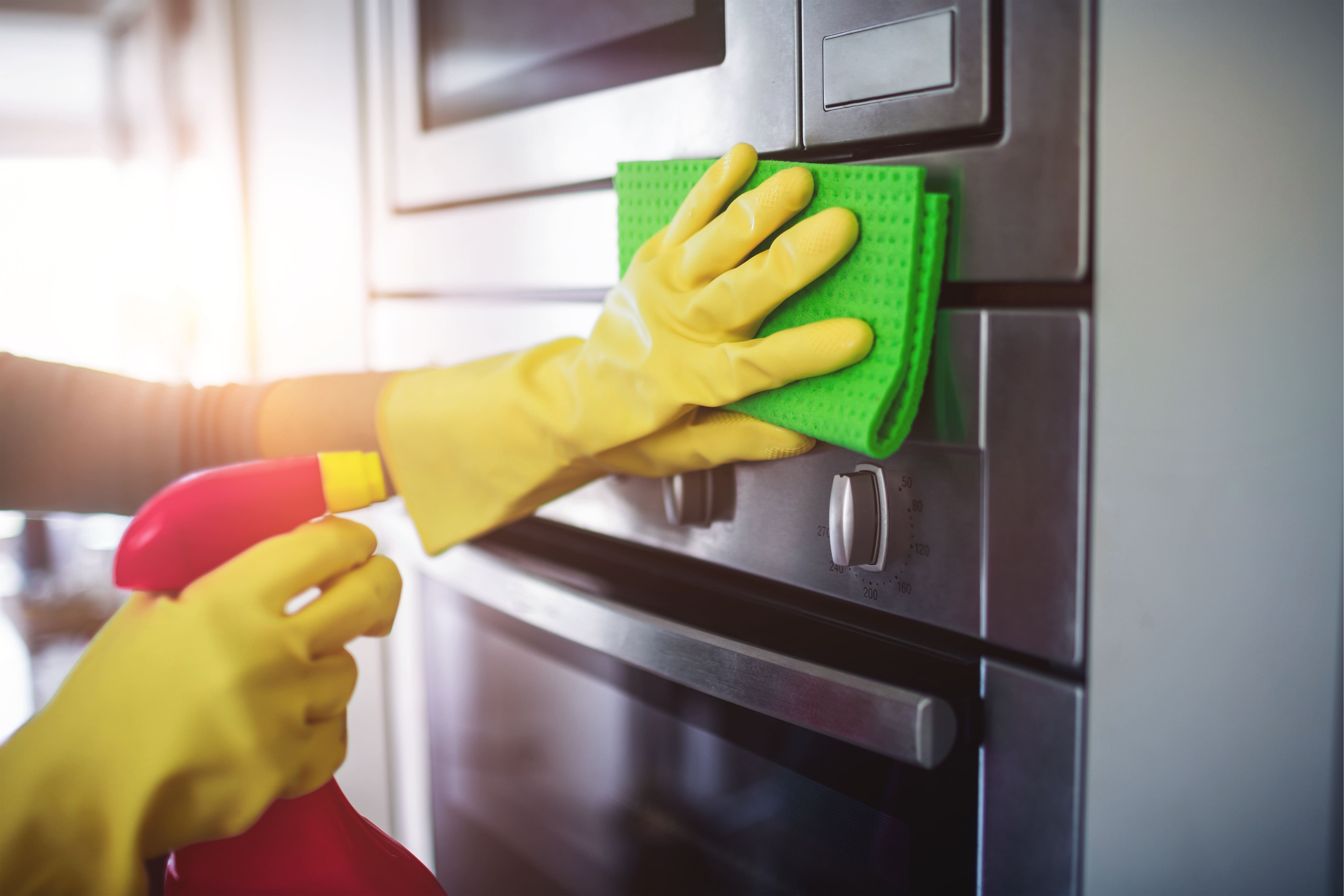
Whether a small or deep scratch, follow these simple steps to remove scratches from stainless steel to keep your appliances shining.

What are the best ways to make your kitchen appliances last longer? Read on for 15 tips to help you extend the life of your fridge, dishwasher, oven, stove, range, and microwave. With some minor tweaks, you can make a big difference.
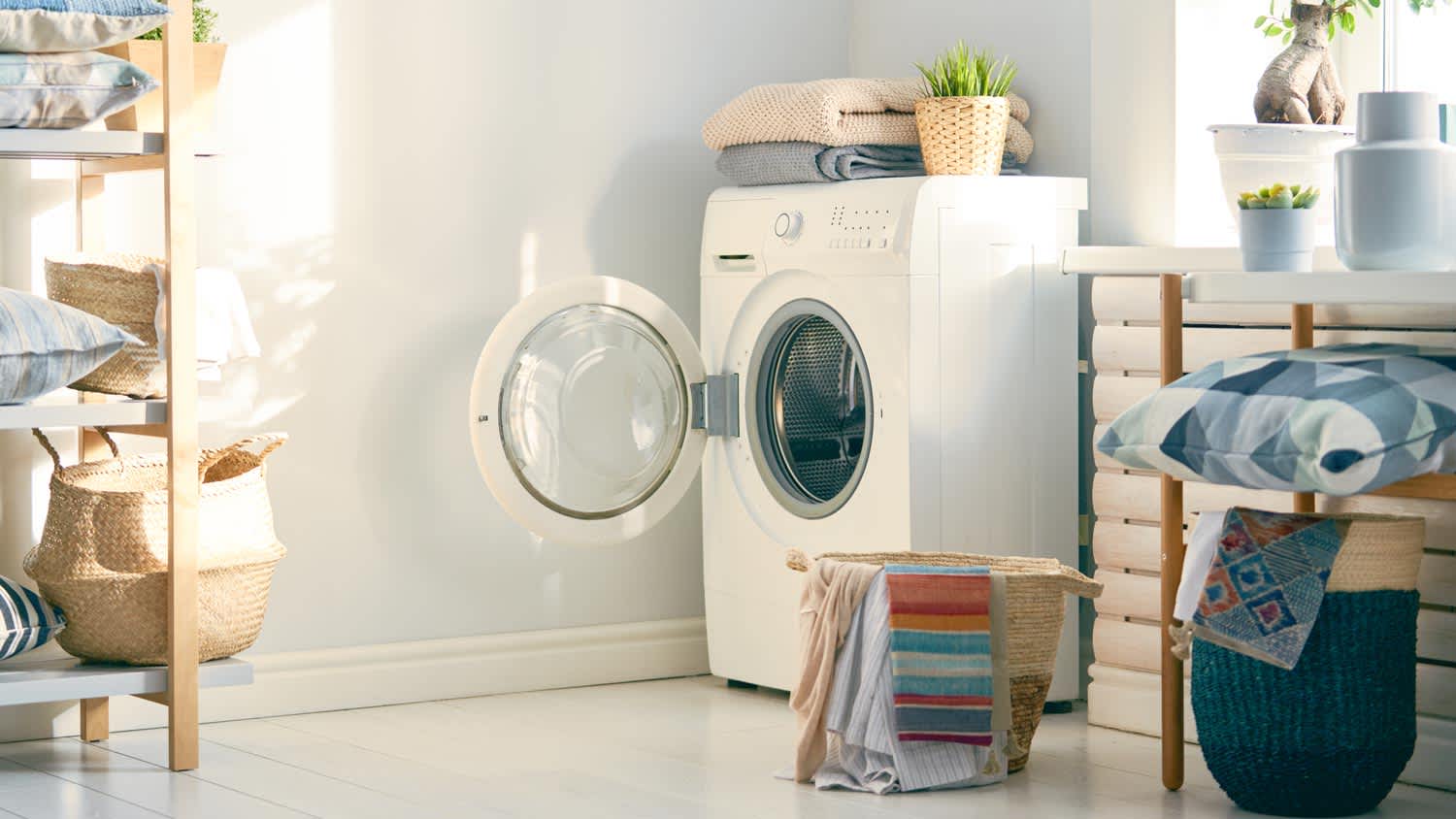
Give yourself a fresh place to do laundry by deep cleaning your laundry room. Follow this guide for simple steps to clean each part of your laundry room.