
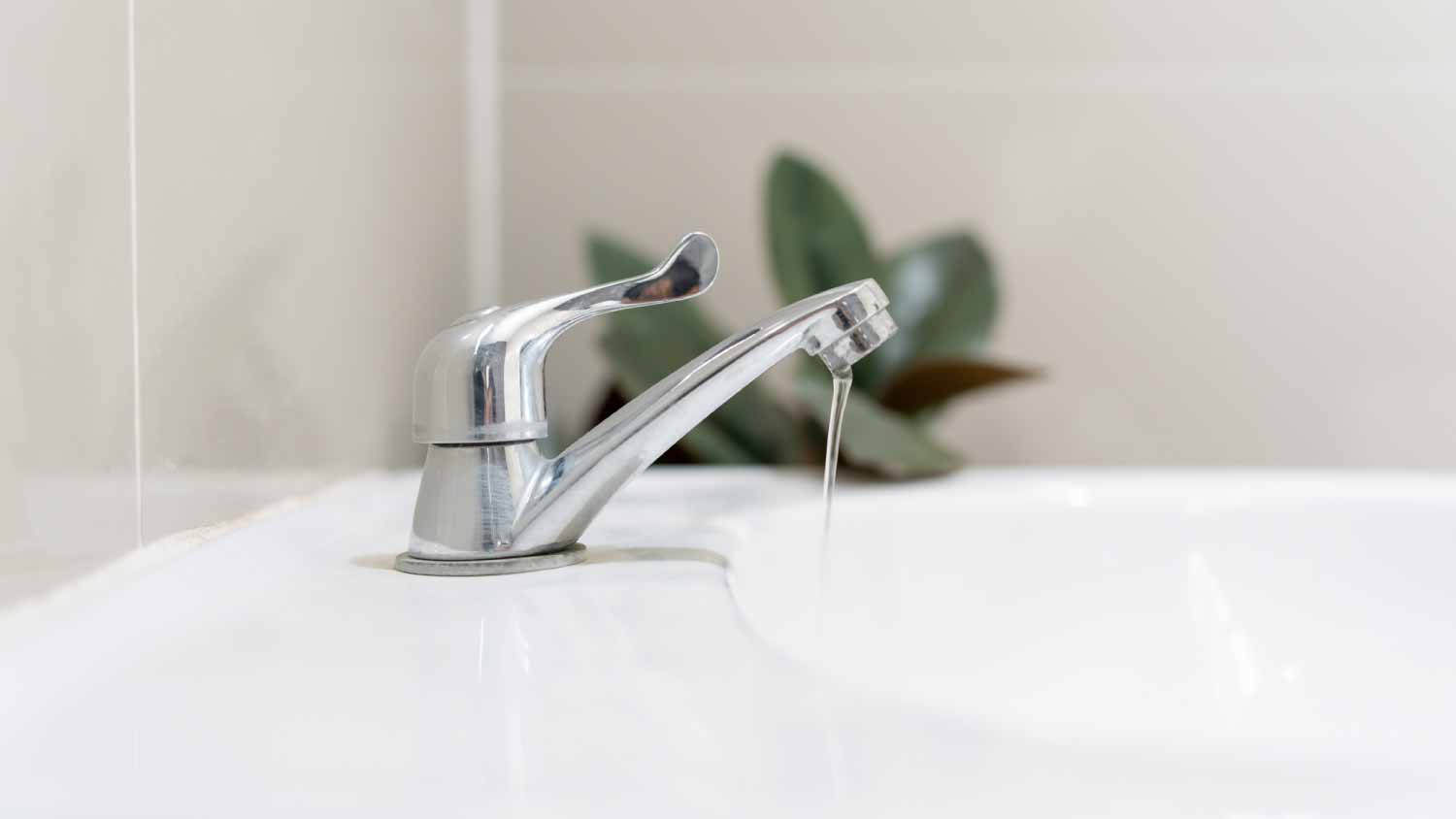
What causes hard water? An excess of minerals, like calcium and magnesium, are the culprit, but water softeners can decrease the problem.
No, it’s not ice

Hard water contains high levels of minerals like calcium and magnesium, which can leave your glassware spotted and your skin feeling dry.
Your water's hardness level falls somewhere on a scale from soft to very hard, measured in grains per gallon or milligrams per liter.
You can test your water at home by shaking soapy water in a bottle and checking for bubbles or cloudiness to confirm hardness.
Hiring a local water softener installation professional helps you choose the right system and prevents limescale buildup that shortens your appliances' life spans.
If you’ve been seeing spots on clean glassware and white stains on faucet heads, you could be living in one of the more than 80% of households in the U.S. that has hard water. While hard water is fine to consume, it can cause other problems, such as dry skin and hair. Aside from it being a good excuse for a bad hair day, let’s dive into what hard water is and what it means for your home.

It might seem odd to describe any liquid as hard, but hardness or softness refers to the amounts of minerals and even metals found in the water, including calcium, magnesium, iron, and lead. The higher the content, the “harder” the water. Soft water contains only trace amounts of these minerals.
Below is a water hardness scale that depicts the range of mineral content levels that categorize water as soft or hard. If you decide that you want to treat your water, using a water hardness scale can help you determine what size water softener to buy.
| Hardness Level | Grains per Gallon (GPG) | Milligrams per Liter (mg/L) |
|---|---|---|
| Soft | 0.9 or less | 0 – 17 |
| Slightly hard | 1.0 – 3.5 | 17.1 – 60 |
| Moderately hard | 3.5 – 7.0 | 61 – 120 |
| Hard | 7.0 – 10.5 | 121 – 180 |
| Very hard | 10.5 or more | 180 or more |

To determine the precise level of water hardness or softness in your home, you can purchase a DIY test kit or call a local water softener installation company to test your water.
However, if you want to test your own water in a less-than-official (but much quicker) way to see if it’s hard, follow these steps:
Fill a sealable cup or bottle about halfway (this doesn’t need to be precise) with cold tap water.
Add a few drops of dish soap.
Seal the container and shake it vigorously.
Wait a few seconds for everything to settle.
Review the results.
If your water is soft, you’ll see lots of bubbles floating on top of clear water, but if it’s hard, you’ll only see a few bubbles on top of cloudy water.

As hard water evaporates from surfaces, it leaves behind a chalky buildup known as limescale. Aside from being unsightly, hard water stains can limit the flow of water through pipes, causing appliances to work harder and potentially have shorter life spans. Here are some other telltale signs that you have hard water in your tap:
Spots on clean dishes
Limescale buildup on faucets and showerheads
Ongoing plumbing or appliance issues due to hard water buildup
Dry skin and hair
Dull, stained, or stiff clothes, even after a fresh wash
Again, while hard water is safe to drink, other drawbacks exist. If you’re concerned about dry skin or aging appliances, call a local water softener installation company to ask about water softener systems and filters.
If you’re good people wanting to do business with good people, hire Matt. He is a consummate professional and utterly competent. He installed a water heater in my home at a price that beat competitors by hundreds of dollars with a promise to support the unit for its life (even after its 6 yr...
 Greene's Plumbing Services
As usual with ECO, tech Jordan was outstanding, very professional, very knowledgeable, and very thorough with repairs made to tankless water heaters. Very highly recommend ECO!!!
 Eco Plumbers, Electricians, and HVAC Technicians
Did a great job replacing the ice maker and water regulator on my refrigerator. He was quick and thorough, very friendly and professional. If I needed a heart transplant I'd want him to do it!!!
We had a gutter blockage that was causing water to sheet down the side of the house and ultimately it started to come in at a window (need mortar people next). Called around 7:30am, and he responded by 8am. He was able to come out the same morning and do a look over and clean out. He also...
Scott checked our large crawl space for mold and water infiltration and recommended a viable solution. The crew was efficient and they cleaned up well after the job. The job was expensive but I am confident that I won't have to deal with the problem again. Highly recommend.
 AdvantaClean of Dublin
Chaz, the owner, was very responsive and he communicated with us throughout the entire process. The overall cost was in the middle compared to the three estimates we received. The installation crew was very professional. Chaz was considerate enough to send a crew back to our home to repair...
 Unique Hardwood Floor LLC
They were the most through inspecting the water system in my house. Even going the extra mile to get the water professionally tested for contamination.
 Hague Water Conditioning, Inc.
It went very well. The drain is absorbing all the access water. I had other estimates a year earlier and Hughes was right on. I will use them, again.
 Hughes Construction Co
We had water in our basement and Roto Rooter was original contact to evaluate the situation. We were informed that our sewer main was fractured and needed repair. We received their estimate and then looked for counter offers. Ohio Basement Authority came with the best quote for the work. Once...
 Ohio Basement Authority
Carpets came out very well, as usual (we have used them before). The price was right and the service was great. When we had an issue with water spots on our hardwood stairs from dripping equipment, they made it right immediately, and were very professional about it. Great company to work...
 Downey Clean Carpet Cleaning
From average costs to expert advice, get all the answers you need to get your job done.
What causes hard water? An excess of minerals, like calcium and magnesium, are the culprit, but water softeners can decrease the problem.
Tired of finding hard water stains around your home? Learn how to remove hard water stains from toilets, shower doors, counters, and more.
Looking for tips on how to treat hard water? This guide explains the best options, including installing a water softener, adjusting your water heater, and more.
Learn if you should worry about hard water harming your appliances. Hard water can lead to repair and replacement costs for dishwashers, washing machines, water heaters, and more.
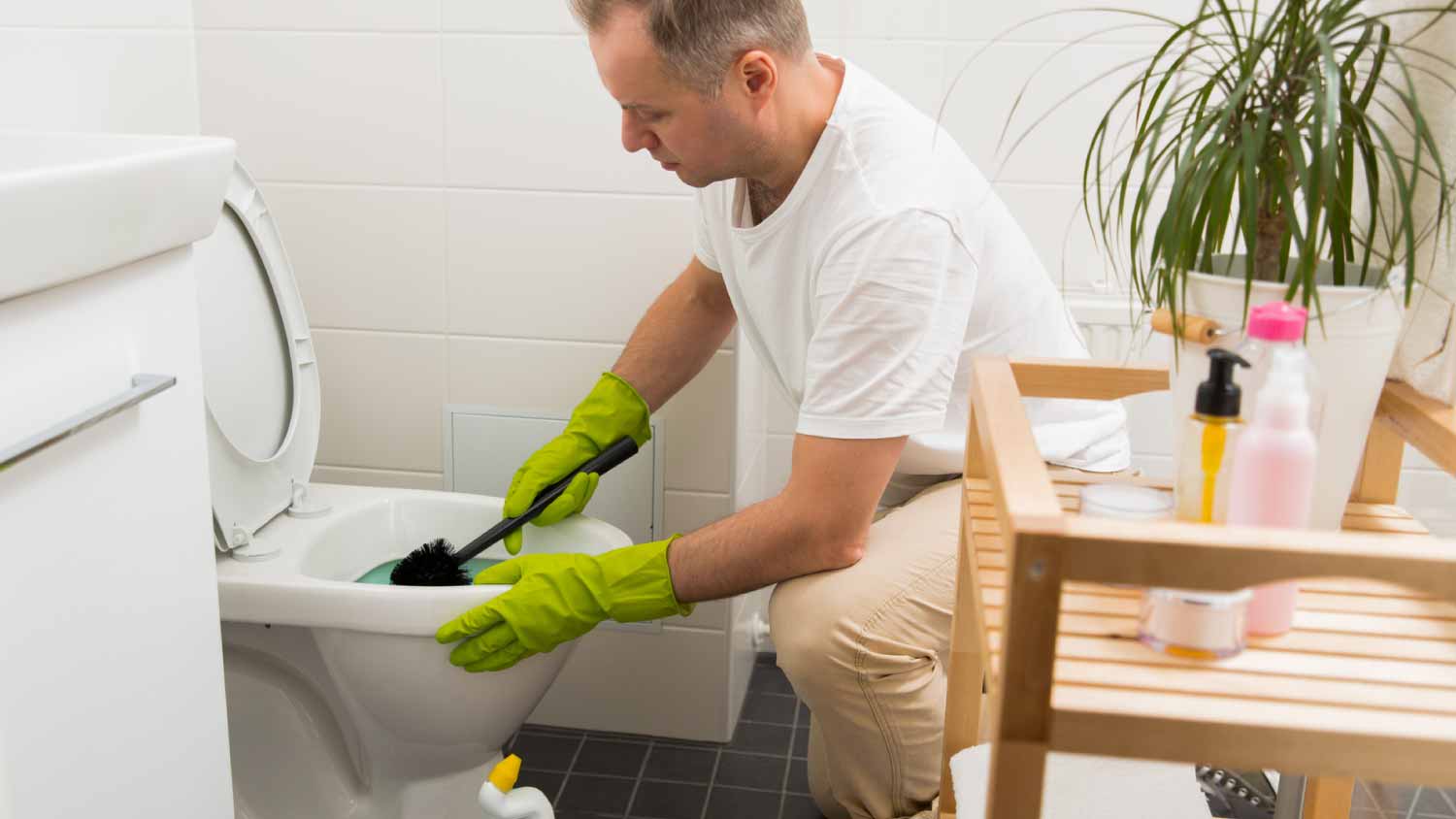
Easily clean the toilet with hard water stains in less than thirty minutes with simple household items such as baking soda or laundry borax at home.
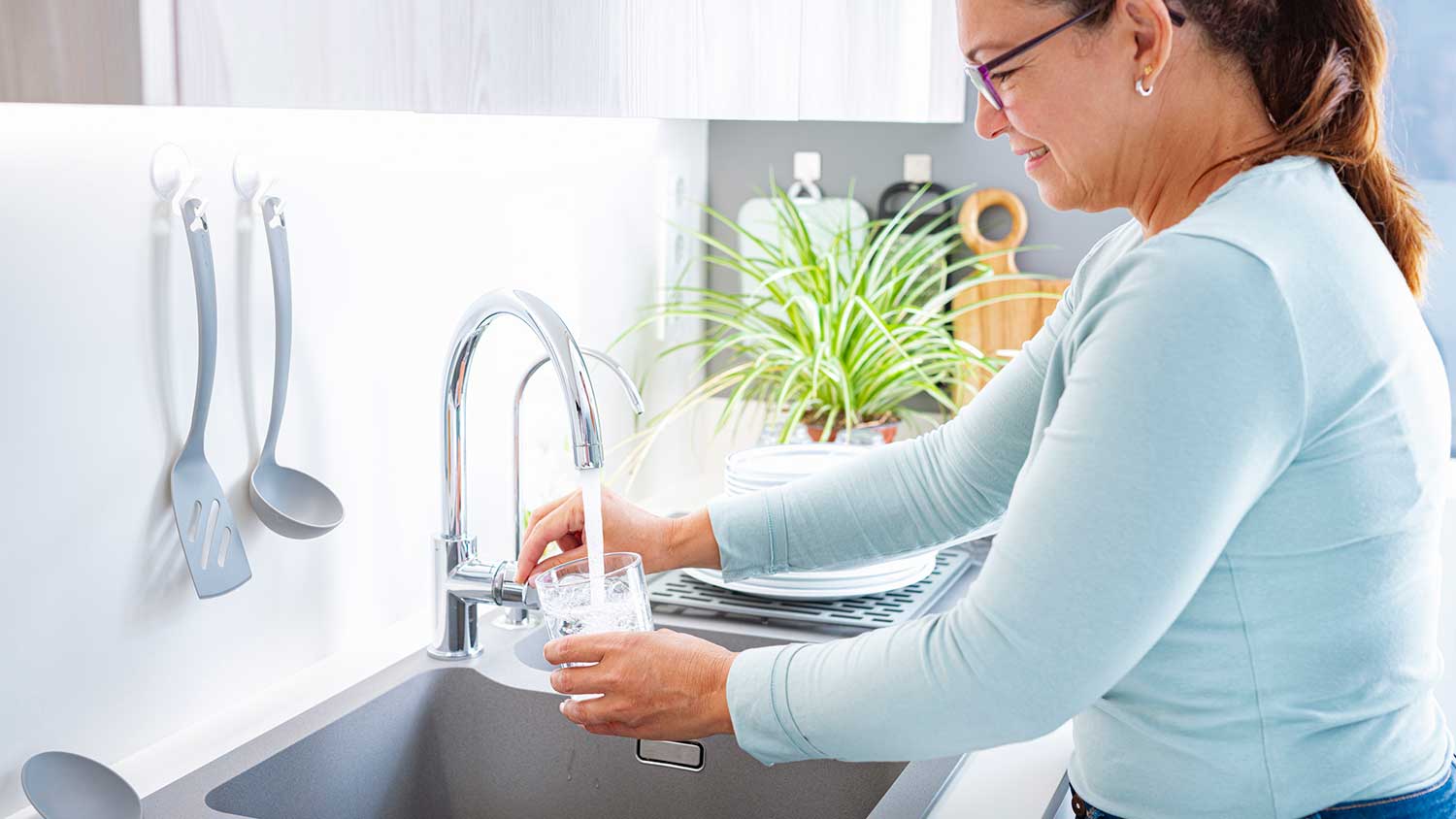
Is hard water bad for you? Not to drink, but it can dry out your skin and create problems for your household appliances. Here’s what you need to know.