

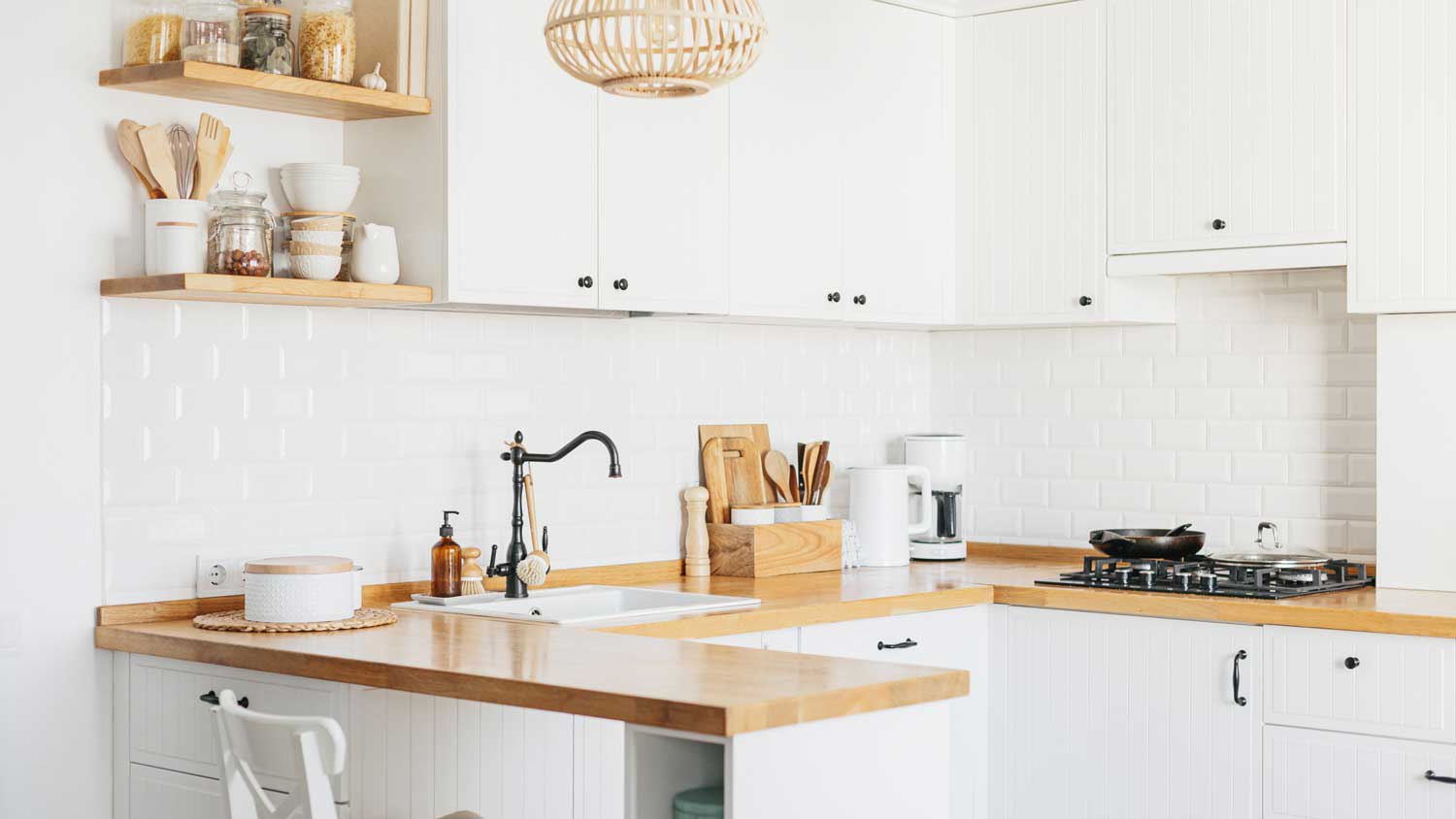
Small kitchen remodels cost $12,750 on average, depending on the materials, size, labor, and more. Read this to calculate your kitchen remodel costs.
Kitchen and bathroom remodel costs depend on your project and location. Check with a local pro for your specific job.

Professional kitchen remodel costs range from $14,592 to $41,617, with an average of $26,988 depending on your project scope and location.
The scope of your kitchen remodel and the materials you select will determine your final project total for cabinets, flooring, and countertops.
You should also account for the cost of building permits, design fees, and appliance storage when you create your remodeling budget.
Hiring a local countertop professional ensures your kitchen remodel is done well and boosts the overall home resale value.
In 2026, the national average kitchen remodel cost is $26,988, based on data from 13,100 verified projects by Angi Pros. Most homeowners pay between $14,592 and $41,617, with the spread driven primarily by project scope, material selections, and local labor rates. For major renovations—such as adding new appliances and upgrading countertops—costs can start at $3,500 and climb well beyond the typical range.
Understanding how much it costs to build a kitchen starts with gauging the scale of your remodel. Your current kitchen footprint, the condition of your appliances, counters, and flooring, and your overall budget determine whether a minor, major, or complete remodel makes the most sense. The table below breaks down what you might spend on kitchen remodels of different scales:
| Scale of Project | Average Cost in 2026 |
|---|---|
| Minor | $10,000–$20,000 |
| Major | $20,000–$65,000 |
| Complete | $65,000–$130,000+ |
A minor kitchen remodel costs $10,000 to $20,000, and it lets you refresh your space without a large financial commitment. This scope focuses on improving aesthetics and functionality while keeping the existing layout intact. Here are some common updates for a minor kitchen remodel:
Painting walls for a fresh look
Refinishing or refacing cabinets, or replacing them with stock cabinets
Keeping appliances or replacing one or two with energy-efficient options
Upgrading flooring or countertops
Installing a new kitchen sink and faucet
A major kitchen remodel costs $20,000 to $65,000, and it’s the right fit if you want new energy-efficient appliances, high-end flooring and countertop materials, and customized cabinetry. This scope goes beyond cosmetic updates and might include the following:
Painting walls
New appliances and a garbage disposal
Upgrading flooring and countertops
Semi-custom cabinetry with new hardware
New lighting fixtures
New kitchen sink and faucet with high-end brands and finishes
Costing $65,000 to $130,000 or more, a complete kitchen remodel is a total overhaul—you'll be tearing out walls, gutting nearly everything, and relocating plumbing and electrical systems. Here’s what a complete kitchen remodel might entail:
Changing the kitchen footprint
Moving plumbing, electrical, and a gas line
Luxury countertop materials like marble
Upgrading to high-end flooring like stone tiles
Custom cabinetry
High-end smart appliances and built-ins
Painting walls
New luxury kitchen sink and faucet with built-in filtration
Lighting additions and under-cabinet lighting
The cost per square foot for a kitchen remodel ranges from $75 to $250, depending on the materials, labor, and scope of your project. Smaller kitchens tend to cost more per square foot because fixed expenses like labor and design fees are spread over less area. The table below breaks down what a kitchen remodel might cost based on square footage:
| Kitchen Size (Square Feet) | Average Kitchen Remodel Cost in 2026 |
|---|---|
| 75 | $5,600–$17,500 |
| 100 | $7,500–$25,000 |
| 150 | $11,250–$37,500 |
| 200 | $15,000–$50,000 |
Kitchen remodeling costs range from $3,500 to $65,500, and knowing what to expect for each component—appliances, countertops, flooring, and more—makes budgeting far more manageable. Breaking the project into individual line items helps you identify where to splurge and where to save. The sections below cover average costs for every major element of a kitchen remodel.

The cost of kitchen cabinets ranges from $2,000 to $28,000 or more, making cabinetry the single largest cost driver in most kitchen remodels. Cabinets can account for 40% or more of the total project budget—in a $30,000 remodel, that works out to roughly $8,400. The price largely depends on whether you choose custom or stock cabinets, and we broke down the differences in the table below:
| Custom Cabinets | Stock Cabinets |
|---|---|
| More expensive option | Budget-friendly |
| $500 to $1,200 per linear foot | $100 to $300 per linear foot |
| Can personalize all aspects | Pre-made with little personalization |
| Can take 6-8 weeks to build | Can ship when ordered |
Kitchen cabinet hardware costs range from under $100 on the low end to above $10,000 on the high end, with the primary cost factor being the style and rarity of the hardware you choose. Rare and ornate handles or knobs can go for $500 each, while stylish everyday options are available for as little as $1 to $2 each. Shopping strategically for hardware is one of the easiest ways to control costs without sacrificing the finished look.

The average cost to install countertops is $1,800 to $4,400, though premium materials like stainless steel or quartz countertops can push that figure to $10,000 or more. Laminate and ceramic are the most budget-friendly options, while marble sits at the high end of the price spectrum. A nearby countertop installer can help you navigate the wide range of countertop materials and styles, which vary by quality, durability, color availability, installation method, and required maintenance.
Here's what your kitchen countertops might cost per square foot based on material:
| Countertop Material | Average Cost per Square Foot |
|---|---|
| Granite | $10–$140 |
| Soapstone | $20–$70 |
| Marble | $15–$190 |
| Slate | $30–$90 |
| Limestone | $10–$70 |
| Travertine | $11–$35 |
| Quartz | $15–$70 |
| Corian | $20–$75 |
| Laminate | $8–$35 |
| Ceramic or porcelain | $1–$40 |
| Wood | $18–$38 |
| Stainless steel | $60–$100 |
The cost of installing a new backsplash ranges from $500 to $1,500, or $15 to $40 per square foot, for materials and labor combined. Labor accounts for roughly 40% of the overall cost, but a backsplash is an easier project to DIY compared to other kitchen renovations, like installing cabinets. Here are a few backsplash materials to consider, with their average costs per square foot:
| Backsplash Material | Average Cost per Square Foot |
|---|---|
| Tile | $25 |
| Marble | $10–$95 |
| Tin | $10–$30 |
| Brick | $10–$40 |
| Glass | $30 |
| Stainless steel | $20 |
The cost to install a new floor runs $1,000 to $5,000 on average, depending on square footage and material choice. New laminate or tile floors are the most common upgrades in major kitchen remodels, and budget kitchen floor ideas like sheet vinyl, vinyl tile, linoleum, and laminate keep costs on the lower end. The table below breaks down estimated costs for budget-friendly flooring materials:
| Budget-Friendly Flooring Materials | Average Cost per Square Foot |
|---|---|
| Sheet vinyl | $3 |
| Vinyl tile | Less than $1 |
| Luxury vinyl plank (LVP) | $3–$7 |
| Linoleum | $3–$7 |
| Laminate | $3–$10 |
The table below breaks down estimated costs for high-end flooring materials:
| High-End Flooring Materials | Average Cost per Square Foot |
|---|---|
| Ceramic tile | $4–$40 |
| Hardwood | $6–$22 |
| Natural stone | $6–$20 |
Appliance costs for a kitchen remodel vary greatly, from less than $100 to $5,000 or more depending on the item, with dishwashers, refrigerators, cooktops, ovens, and range hoods all factoring into the total. Beyond the purchase price, homeowners also need to budget for the cost of having a kitchen appliance installed, which ranges from $125 to $300. Choosing energy-efficient models can offset long-term operating costs even when upfront prices are higher.
Installing a new sink and faucet costs an average of $420 for the sink and $260 for the faucet, with sink prices ranging from $210 to $2,000 depending on the sink type and the demolition involved. A farmhouse sink will cost considerably more than a standard drop-in model. The type of kitchen faucet also affects your total, with single-handle options costing less than dual, pull-down, and pull-out styles.
Adding new pipes or completely repiping a kitchen costs about $7,500 on average, though the range runs from $1,500 to $15,000 depending on kitchen size, labor, and materials. Plumbers cost between $45 to $200 per hour, though some offer flat rates based on the size of your space. Materials make up the bulk of the project cost—copper pipes run $2 to $8 per linear foot, while CPVC piping costs just $0.50 to $1 per linear foot.
Electricians cost $50 to $100 per hour for kitchen remodel electrical work, which can include adding outlets, moving wires, and upgrading electrical output for specific appliances. Simpler tasks like the cost of installing a new outlet run $100 to $450, while a full electrical panel upgrade averages $520 to $2,000 due to the additional labor and materials involved. If you're upgrading to an electric stove, a heavy-duty outlet may be required—the outlet itself costs $10 to $20, plus your electrician's hourly rate. Ask your pro about any additional costs and whether they can help you obtain the proper permits.
Kitchen lighting projects start at around $500 and can exceed $2,000. Ambient lighting—such as a pendant light or chandelier—illuminates the whole room, while kitchen task lighting focuses on specific work areas for cooking and prep. Under-cabinet LED strip lights are a popular and practical task lighting option, costing between $230 and $300, including labor and materials.
Relocating a gas line costs $375 to $750, and this expense applies any time you plan to move your oven or stove to a new position in the kitchen. A licensed pro must handle this work safely—it's not a DIY task. You can avoid this cost entirely by keeping your gas-powered appliances in their existing locations.
Wall and ceiling work during a kitchen remodel can range from opening walls to move wires to full teardowns that change the kitchen layout. Upgrades like fire-resistant drywall and a new ceiling finish are worth tackling during this phase—a tongue-and-groove pine ceiling costs $1,350 to $1,800 in a 150-square-foot room. Once renovations wrap up, expect to spend $900 to paint a 150- to 250-square-foot kitchen and tie the new design together.
The cost to build a pantry ranges from $1,100 to $2,900, making it one of the more affordable ways to add meaningful storage to your kitchen. Working with your current layout and choosing deeper-set cabinetry with pull-out drawers can help reduce costs. Installing small shelves underneath existing cabinets is another budget-friendly way to maximize vertical storage space.
Labor costs for hiring a local kitchen remodeler typically account for 25% of your total bill—for every $10,000 you plan to spend, budget $2,500 in installation expenses. Coordinating multiple contractors for an extensive remodel can add to that figure, especially if sequencing requirements, like installing countertops before appliances, force rush scheduling or busy-season pricing. Planning your project timeline carefully upfront can help you avoid these added costs.
Renovation costs are continuing to rise as both labor and material costs increase. Depending on a myriad of factors, homeowners should be prepared to spend between 5% and 10% of their home's value on any type of substantial renovation that requires an expert general contractor or home improvement company.
Hiring an interior designer costs about $100 to $500 per hour, or $5 to $17 per square foot, depending on how the designer structures their fees. While you may already have ideas for your backsplash or kitchen island, a designer brings those concepts together into a cohesive plan. Their expertise can also help you avoid costly mistakes before construction begins.
A general contractor costs about 10% to 20% of the total project cost, with rates running $300 to $500 per day plus $150 to $250 per day for each additional laborer. For a large project like a kitchen remodel, their expertise in coordinating trades, managing timelines, and overseeing quality makes that fee well worth it.
Building permits cost an average of $460 to $2,770, and most kitchen remodels require multiple permits covering electrical work, plumbing, demolition, and construction. Permits exist to ensure your project is completed safely and up to code. Your general contractor can often help secure the necessary permits on your behalf.
If you're keeping your existing appliances, storing them during demolition and construction will cost $90 to $250 per month for a portable storage unit or $120 to $280 per month for a standard storage unit. Hiring movers to transport appliances runs around $80 per mover per hour, though you can also pay per appliance—for example, moving a refrigerator costs about $100 to $300. Factor these logistics into your overall budget before demolition begins.
Designing a kitchen with accessibility in mind can be challenging and may increase renovation costs. We highly recommend consulting individuals with specific accessibility needs to determine whether features like lower countertops, dumbwaiters, or other universal design accommodations are desired. Be sure to communicate these needs clearly with the pro to ensure satisfactory results after the kitchen remodel.
Where you live significantly affects your kitchen remodel cost, driven by regional differences in labor rates, material costs, and permit fees. Large urban areas with higher costs of living tend to sit at the top of the price range, while smaller cities and rural areas generally fall on the lower end. Here's what a kitchen remodel might cost in different locations across the U.S.:
| U.S. Region | Average Kitchen Remodel Cost in 2026 |
|---|---|
| Northwest | $25,600–$61,100 |
| Rocky Mountains | $12,700–$39,600 |
| Southwest | $12,350–$33,950 |
| Mountain Prairie | $6,000–$37,400 |
| Midwest | $10,300–$34,300 |
| Southeast | $12,000–$32,200 |
| Mideast | $13,600–$37,650 |
| Northeast | $10,800–$40,400 |
The terms remodel, renovation, and expansion each describe a distinct type of kitchen project with different scopes, timelines, and costs. A remodel transforms the space structurally, a renovation restores or refreshes it, and an expansion increases its physical footprint. Knowing the difference helps you communicate clearly with contractors and set a realistic budget from the start.
A kitchen remodel is a large-scale project focused on transforming the space, often involving tearing down walls, moving plumbing, and upgrading electrical components. This scope typically includes changing the kitchen layout, relocating appliances, and replacing cabinets, flooring, and countertops. It's the most comprehensive option for homeowners who want a fundamentally different kitchen.
A kitchen renovation focuses on restoring the space to its previous condition or giving it a refreshed appearance without structural changes. Common renovation tasks include repairing appliances and flooring, refinishing cabinets, and replacing kitchen faucets. This is the right approach when your kitchen's bones are solid but the finishes need updating.
A kitchen expansion involves tearing down walls and reframing the room to increase its physical footprint. A common example is creating an open floor plan that merges the kitchen and dining room into one larger shared space. This type of project requires intensive structural work and typically falls on the higher end of the cost spectrum.
Here's a breakdown of the differences between kitchen remodels, renovations, and expansions:
| Kitchen Remodel | Kitchen Renovation | Kitchen Expansion |
|---|---|---|
| Change kitchen structure | Restore kitchen to look new | Increase size of kitchen |
| Significant updates to look and functionality without structural changes | Layout stays the same, with focus on repairs and replacements | Not as involved as remodel, but requires intensive structural changes |
| Costs are moderate to high | Costs are low to moderate | Costs are moderate to high |

Kitchen remodels boast a return on investment (ROI) of about 70% to 80% when you sell your home. And no upgrade is too small—both minor and major kitchen remodels can increase your home's value . That means you'll likely recoup most of your kitchen upgrade costs when it finally comes time to put your home on the market, even if it's just a small facelift.
An appealing kitchen can also potentially help you sell your home faster. Next to bathrooms, this is one of the highest ROIs for a home remodeling project.
With the average cost of a kitchen remodel around $26,988, you can set your budget higher or lower based on your needs. If you plan to keep the existing layout of your kitchen, you may be able to work with a smaller budget; however, if you’re demolishing and rebuilding a kitchen, you’ll want to set your budget higher.
I meet with homeowners and get to know what they want their kitchen to look like. Then I’ll do a sketch or have one drawn up. Next, I get prices from the manufacturers, including a lower-end and mid-range option. Only when the customer tells me that the finished product is more important to them than the cost will I price out a high-end, custom kitchen.

Once you’ve set a budget, be sure to add some cushion for surprises—like an unexpected leak that needs repairing or old plumbing that needs replacing.

The trick to saving on kitchen remodels is knowing where to compromise and when you can save by doing a project yourself. Determine your budget before making any big decisions or commitments, then stick to it.
Prioritize Functional Updates. To stay on budget, functional updates (like repairing faulty plumbing) sometimes need to come before aesthetic ones (like splurging on a luxury sink).
Don't Scrap Your Cabinets: Cabinets are the most expensive component of a kitchen remodel, so keeping your existing cabinets will go a long way. You can repaint or reface them with new doors and change out the hardware.
Keep Your Kitchen Footprint: Changing your kitchen's footprint comes with expensive electrical and plumbing work. Instead, focus on a kitchen makeover that transforms your space without driving up costs.
Shop Around: Instead of a brand-new refrigerator, consider a floor model or a slightly damaged unit at a discount. If you need to buy multiples of a certain item, get a discount by buying a bundle.
Use High-End and Low-End Products Where It Counts: Consider installing reused or refurbished cabinetry and attaching high-quality cabinet hardware to add polish. For an affordable backsplash option, you can buy porcelain tile that looks like natural stone.
Vet Your Contractor : Before hiring a contractor, check their licenses and qualifications, and ask about previous work. Contact at least three pros for a quote and ask questions.
Considering the range of updates involved in a kitchen remodel, you might find some projects to do yourself, while you'll need to hire a pro for others. Opting to DIY some kitchen remodeling projects can offset the labor cost, which is often between $3,000 and $6,000 , or 25% of the total kitchen remodel budget.
Most kitchen remodels can be completed with a bit of DIY and some help from pros. However, some parts of a kitchen remodel are safer and more effective when handled by experts.
Hazardous or heavy-duty projects, such as moving a stone countertop or rewiring a gas line, are better left to the experts.
Potentially dangerous DIY projects involving plumbing and electrical work should be handled by licensed pros.
For layout and structural changes, you'll want a team of pros who can tackle a larger project scope much faster and more efficiently.
Kitchen renovation pros in your area have the right tools, skills, and knowledge to get the job done right.
To help offset project costs, some tasks are easy enough for handy homeowners to complete:
Projects like installing a backsplash, replacing a garbage disposal, and painting walls are tasks some homeowners can handle.
Advanced-level DIYers may be able to install flooring, countertops, and cabinets.
You can cut costs by refinishing your existing cabinetry, as cabinets are typically the largest expense in a kitchen remodeling project.
Having someone with extensive work experience and knowledge in the area helped us tremendously as this was our first big remodel project. Alex walked us through the process, provided detailed documentation on what to expect, how to prepare for the remodel, and patiently answered our (endless) questions before the remodel began.
— Edith K., Alex Freddi Construction, Tigard, OR
Depending on the size of the project, a kitchen remodel can take up to four months or longer. Because it's such a large undertaking, here are some common mistakes you can avoid to ensure your remodel ends on time and on budget.
Underestimating Your Budget: Come prepared with a budget in mind, but also understand where you can have flexibility. If the top-of-the-line induction stove is a must-have, consider saving on a less expensive backsplash tile.
Going for the Lowest Bid: If a proposal seems too good to be true, it probably is. Get multiple bids from different contractors and review each one to understand what you're getting.
Not Researching in Advance: Before picking up the phone and scheduling on-site visits, research your larger vision for your kitchen. Start collecting your favorite kitchen design trends, but also get realistic about what can fit into your budget. Start brushing up on common remodeling terms so that when you meet with your pro, you're speaking the same language.
Neglecting the Infrastructure: Electrical, plumbing, and ventilation will be an even greater focus in your discussion if you're changing the layout of your kitchen.
Materials Arriving Late: Most heavy-duty materials, like a new marble slab or cabinetry, will be ordered and shipped on-site by the pro. But many remodelers ask homeowners to purchase smaller items like tiles, cabinetry handles, and appliances. Buy these up-front at the very start of the project so they don’t hold up your timeline.
Not Planning Where You’ll Cook or Eat: Your kitchen could be completely out of commission during a remodel. Consider a temporary kitchen area with a mini fridge, stovetop, and a few utensils to offset your takeout budget.
Be prepared to share your preferred materials and finishes for cabinets, countertops, flooring, and appliances.
Discuss any structural changes you’re considering, like removing walls or relocating plumbing.
Share measurements of the existing space and any known issues (like uneven floors or outdated wiring).
Discuss any parts of the project you are considering DIYing.
Allow a cushion of at least 10% of the budget to account for any surprises down the line.
Home is the most important place on earth, which is why Angi has helped more than 150 million homeowners transform their houses into homes they adore. To help homeowners with their next project, Angi provides readers with the most accurate cost data and upholds strict editorial standards. We’ve surveyed over 10,000 real Angi customers about their project costs to develop the pricing data you see, so you can make the best decisions for you and your home. We pair this data with research from reputable sources, including the U.S. Bureau of Labor Statistics, academic journals, market studies, and interviews with industry experts—all to ensure our prices reflect real-world projects.
Want to help us improve our cost data? Send us a recent project quote to [email protected]. Quotes and personal information will not be shared publicly.
Jason has helped me with multiple household projects, with the most recent being new door installation. He has always showed up on time and organized and has done an incredible job! Jason is very professional and he's now my go-to for anything around my house that needs to be fixed or...
 Huff Garage Rescue, LLC
Cole has been handling plumbing and general contracting for our four properties over the past three years, and he’s always done a great job. Most recently, he installed a sink and countertop in our retail store where none existed before, and it turned out exactly how we needed. He’s...
 ANB Renovations LLC
1st Choice Renew is simply the best! We hired them for a complete home renovation, and they transformed our space into something truly amazing. The team attention to detail and commitment to quality were evident throughout the project. They were easy to work with, very responsive, and always...
 Save A Dime
This company went above and beyond with their work, chimney sweeps are usually pretty messy, but the clean up was spot on.!! Josh explained every thing that he was doing, and the things that he was checking to make sure the chimney was safe for me and my family. He was very professional,...
 Supreme brick & chimney
Custom Paint Jobs LLC turned our outdated bathroom into a modern masterpiece.
 Custom Paint Jobs, LLC
Excellent customer service and knowledge. I was recommend to him from my neighbour. My front door and window came in great and were installed beautifully perfectly, I m very satisfied with their excellent work, so decided to order one more big bow window for my living room. I cant wait for...
 Window Depot USA of Central Ohio
If I could give 10 stars for Kitchen Tune Up, I would. I cannot say enough good things about my experience with Kitchen Tune Up and the entire team involved in the process of my kitchen project. They went above and beyond as far as service and quality with my cabinets, paint, countertops, and...
It was wonderful working with Yordy and his team. They were very professional and are experts in what they do. They have completed the work on time, with better quality and with in fairly reasonable price. We just started with backsplash work , but liking his work, we went on to provide...
 Flooring Solutions
We were having 2”x 2” tile installed . There was a small installation error and the new additional replacement tile was from a different lot and the colors didn’t match. Joe assured us that he would rectify everything , which he did without hesitation. We decided to go with the 18” x 36” tile...
 CarifaTile
They work that 360 did on my kitchen cabinets is nothing short of amazing. I still cannot believe the difference from before and after. Jon and Jeff were both so incredibly professional throughout the whole process and their communications with me were constant and consistent. These guys...
 360 Painting Columbus
From average costs to expert advice, get all the answers you need to get your job done.
Small kitchen remodels cost $12,750 on average, depending on the materials, size, labor, and more. Read this to calculate your kitchen remodel costs.
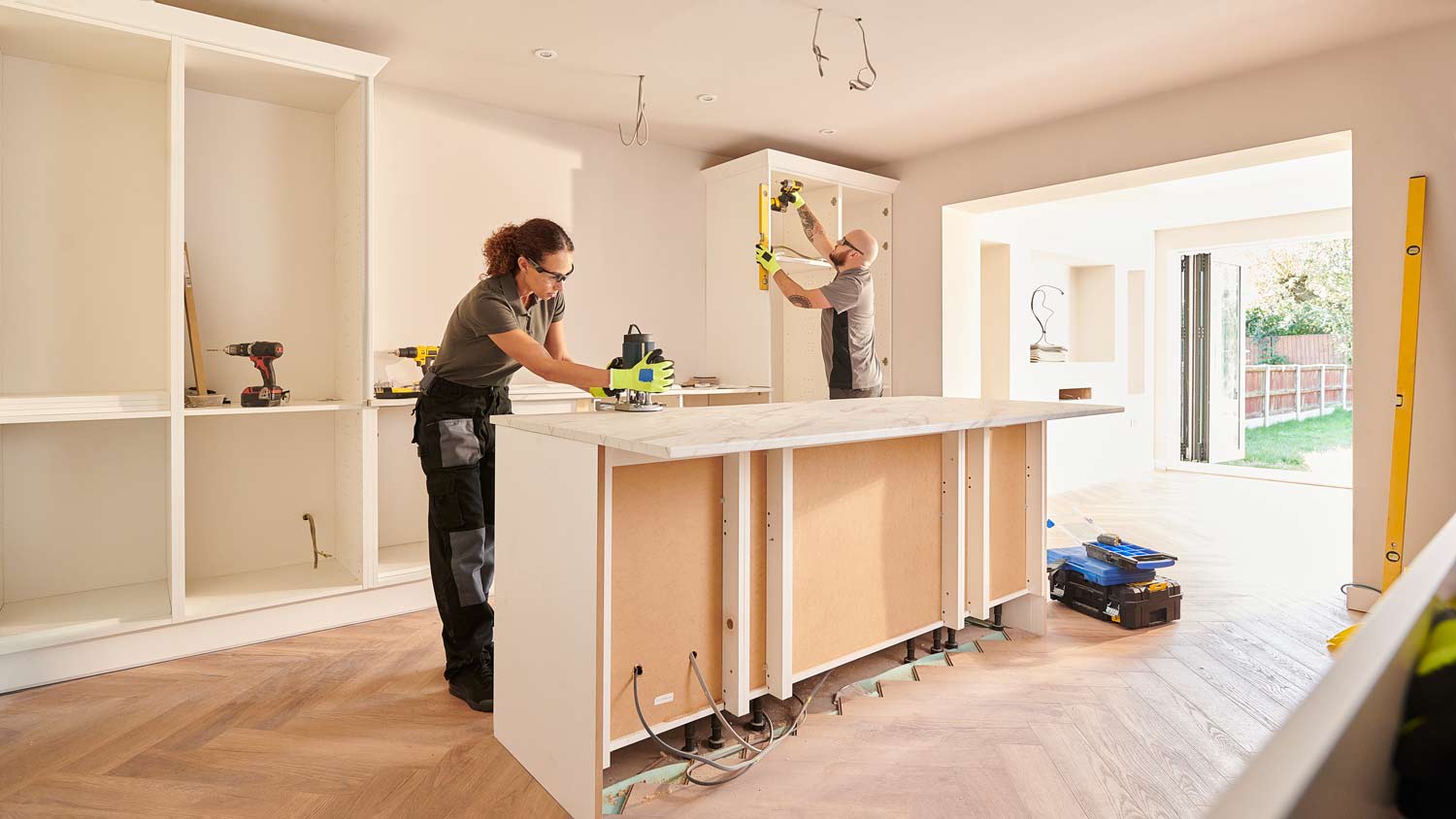
From budget-friendly builds to advanced plans fit for a gourmet chef, the price to build a kitchen can vary. Learn the average kitchen installation cost.

Whether you’re looking to hire a pro or DIY, the cost of a kitchen design can add up quickly. Learn the cost factors involved in designing your kitchen.
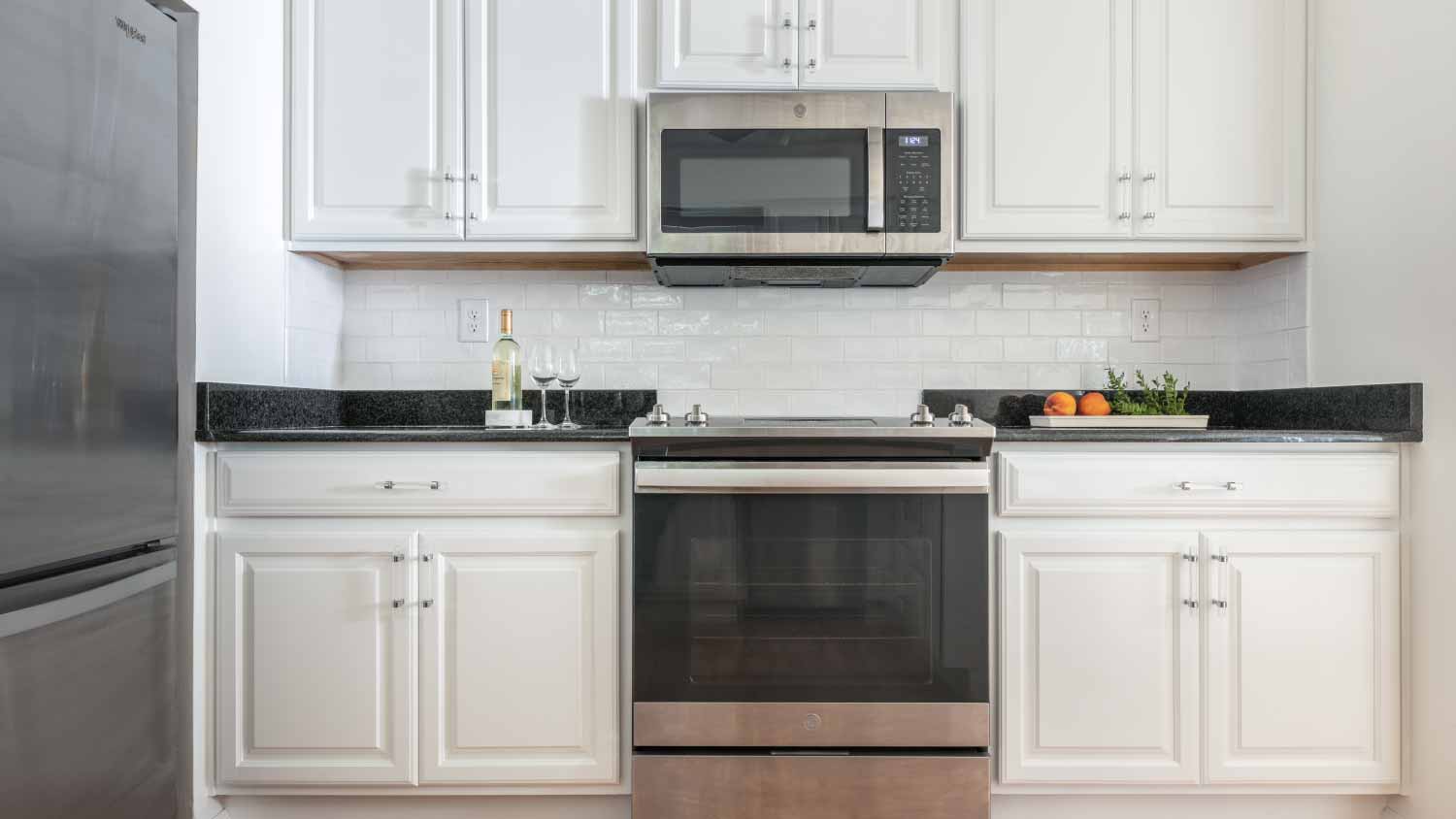
Thinking about kitchen remodeling? Learn about design options, average costs to expect, and how to hire the right local pro to transform your cooking space.
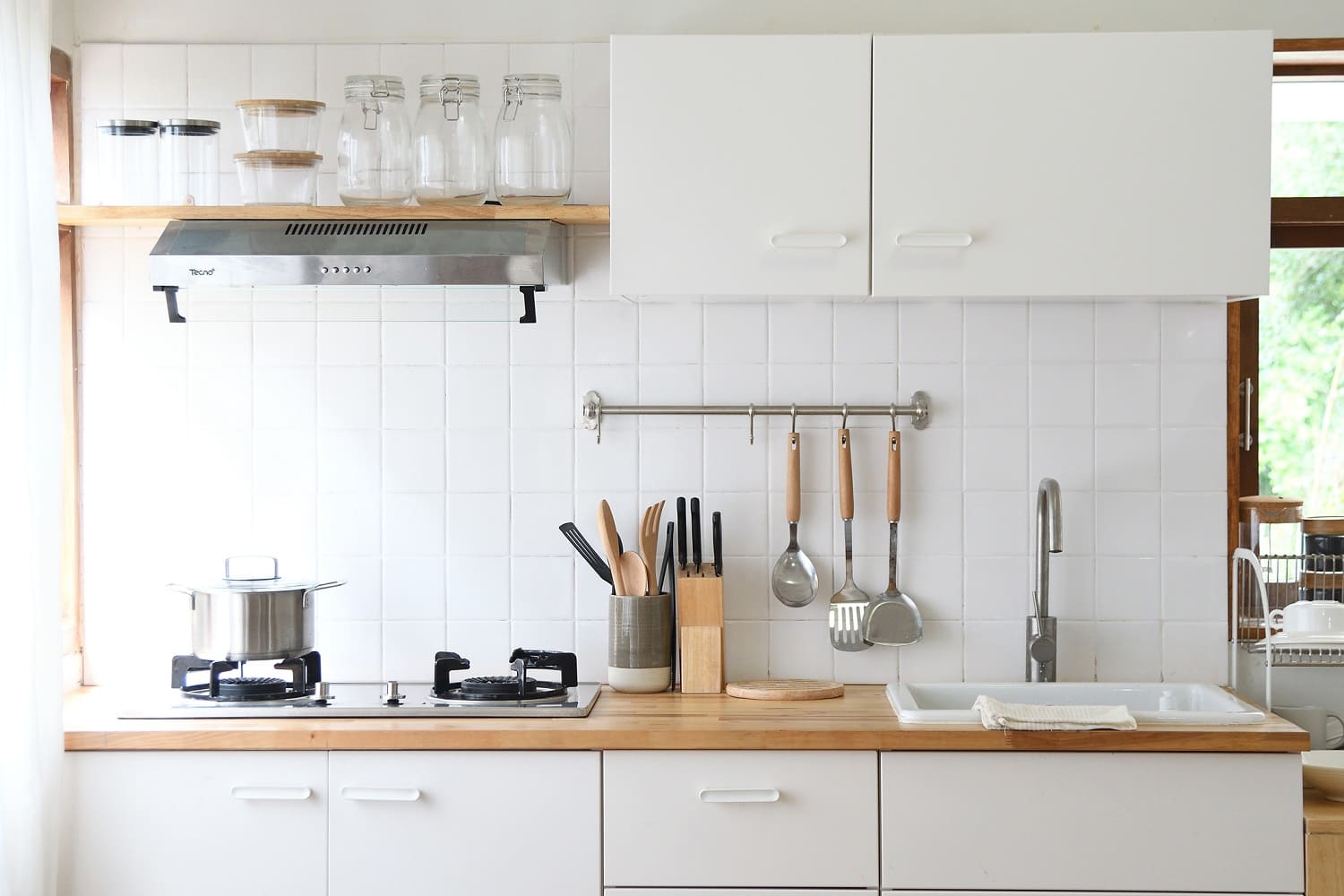
Planning to remodel your kitchen? Use our step-by-step hiring guide to find the perfect pro for your project! We’ll teach you exactly what to do before, during, and after the hiring process, including how to budget and the perfect questions to ask.
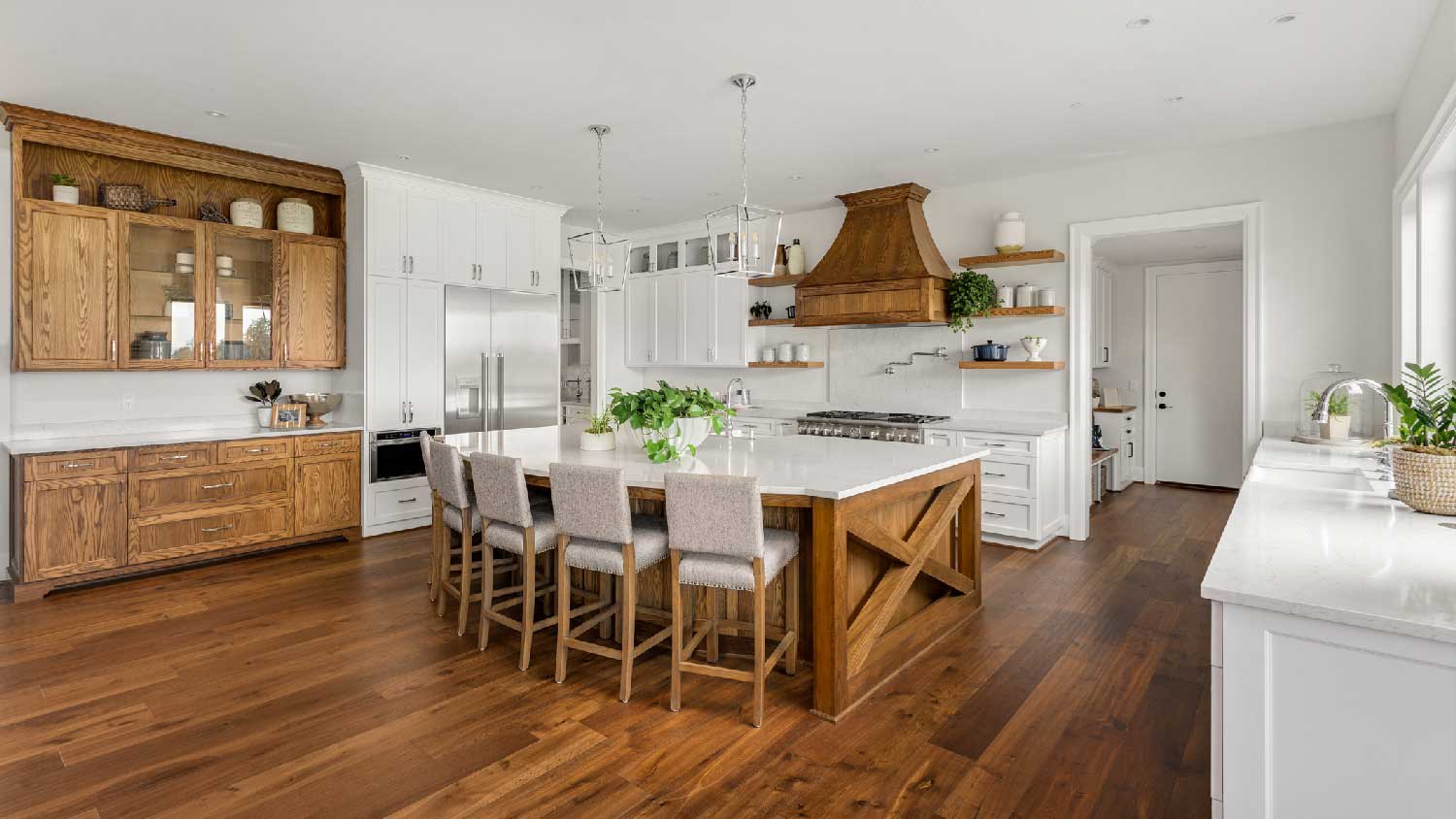
In most cases, a kitchen remodel is well worth the cost. But how much does a kitchen remodel increase home value? Our guide breaks it down.