•
Get transparent wallpaper removal cost info to learn average prices, key cost factors, and tips to save on your wallpaper removal project.
Because peeling it off can feel so satisfying

If you find yourself tired of outdated wall coverings in your home, removing wallpaper and either painting or adding new wallpaper can give your space a fresh, clean look. Even though there are various types of walls and wallpaper you may be working with, use this general guide to learn how to remove wallpaper in a few simple steps.
Getting rid of that old wallpaper is pretty simple when you do it the right way. Here are six steps to put your walls back to a clean slate.
Before you hit the ground running, it’s important to prepare the area you are working in to protect it from water, wallpaper-remover solution, and wallpaper scraps.
Gather all of your tools and materials
Lay down a drop cloth to protect the floor
Cover your baseboards with painter's tape
Cover electrical outlets and outlet covers with painter’s tape to protect them from any liquid

Start by testing a small patch to determine the type of wallpaper you are working with. Certain types of wallpaper will come off in strips (otherwise known as strippable wallpaper or removable wallpaper), while other types can be water resistant, making removal a bit more difficult.
First, locate a corner or seam in the covering and apply hot water with a towel, then wait for about 10 minutes. Try to remove the wallpaper. If it’s easy to remove without leaving behind remnants, you have strippable wallpaper and the job just got even easier. This means you can simply apply hot water and peel back the wallpaper in sections until you are finished and then skip to the final step.
However, if the wallpaper doesn’t move, if it comes off in layers, or if there are larger fragments of paper after soaking for 10 minutes, you probably have a more stubborn wallpaper that may be water-resistant. Likely, it has a vinyl coating or strong wallpaper adhesive keeping it in place.
But don’t worry. That doesn't mean that the job is impossible, just that it will require a bit more elbow grease. Follow the next steps to learn how to remove wallpaper that’s stuck on tight.
To break down tough wallpaper adhesive, you’ll need a wallpaper-remover solution. You can either make your own at home or purchase a bottle of wallpaper stripper from the store.
DIY solution: Mix equal parts of vinegar or fabric softener with hot water and pour it in your spray bottle.
Store-bought solution: Refer to the manufacturer’s mixing directions.
Use your sponge to apply the solution to a small section of the wall. This step requires a bit of patience as you may need to wait 10 to 15 minutes after applying to allow the solution to fully penetrate the paper and lift the wallpaper adhesive. If the wallpaper seems to be resisting the solution, you may need to skip to the next step before attempting to peel off any more wallpaper to avoid any damage to the walls.
If you apply your solution and the wallpaper comes off in layers, you may need to peel back the top layer first to expose the backing. You can then start poking or scraping tiny holes in its surface—a process known as scoring—to further help with the removal process.
There are different scoring methods depending on the type of wallpaper scoring tool you are using. The most important part of this step is to ensure that you have enough holes to allow the solution to get under the paper and soften the glue. Make sure not to apply too much pressure, as you don’t want to puncture and damage the wall behind the wallpaper. Once you have scored the wallpaper, you can reapply your solution and let it soak for another 10 to 15 minutes.

After the solution has soaked through, you can start peeling and scraping off the wallpaper with a putty knife or wallpaper scraping tool. Start from a corner or seam at the ceiling, and use your tool to pry back the wallpaper.
You will then want to gently pull the wallpaper in sections in a downward, diagonal motion. If there are portions that are sticking to the wall, you may need to re-apply your solution and try scraping again after it has been absorbed.
There may be small sections of wallpaper that are still resistant to this method of wallpaper removal. In this scenario, you may need to use a razor or utility knife to target more stubborn areas.
After you have all of the wallpaper off, check for remaining adhesive. Re-apply the solution to the walls, and repeat the removal process with your scraper. Be sure to allow enough time for the solution to soak into the adhesive for an easier removal process. Whether you plan on painting or hanging new wallpaper, you will want to start this new project with a clean slate.
There isn’t a one-size-fits-all approach to removing wallpaper, and each situation is unique. But here are a few wallpaper removal hacks to make the job a bit more seamless.
Keep a sprayer with you, and spray behind the covering as you’re pulling off more stubborn wallpaper.
Reheat your homemade solution a few times to ensure that the mixture remains hot.
Keep a large garbage can next to you to throw away wallpaper strips and scraps to make cleanup easier.
Remember that there may be wallpaper under electrical outlets and light switches. After you have removed the outlet covers and light switch covers, be sure to turn off the electric before removing the wallpaper with solution.
Sometimes it can be helpful to apply heat to targeted areas like a wallpaper border by using a hair dryer, clothing steamer, or even a wallpaper steamer.
Once the walls are dry, check for small holes from scoring and apply joint compound or spackling compound to make any necessary repairs.
Wait a day or two for the walls to fully dry before painting or adding new wallpaper.
Certain wall types can add a layer of complexity to the job, so it can be helpful to understand the specific challenges you may face depending on the material your wall is made from. Here’s how to remove wallpaper from these different types of walls.
Plaster walls are commonly found in older homes and require a more extensive installation process. Plaster is usually applied in three separate coats, and for that reason, it is thicker and stronger than other types of wall materials. If your home was built using plaster, you may have a more difficult wallpaper removal process depending on how (and why) it was installed.
You may find that the previous homeowners installed multiple layers of old wallpaper or that the wallpaper was used to cover up cracking in the plaster. While it may not be your first choice, it is possible to paint over existing wallpaper to give your space a new look if you find removing the wallpaper is difficult. However, if you still want to remove the wallpaper, it may be beneficial to hire a professional to tackle this project.
Drywall, also referred to as sheetrock or gypsum board, is found in most newer homes. It was used to replace plaster because it is easier and less expensive to install. By the 1950s and ’60s, drywall started to completely replace plaster in new-construction homes, so it’s not surprising that most wallpaper-removal jobs involve drywall.
So how do you remove wallpaper from drywall, specifically? The key is to not to oversaturate the covering to avoid damage to the wall surface.
Paneling or wood coverings can be found in many styles of homes and are often used for decorative purposes. Paneling is installed over existing walls using faux wood or composite, and natural wood can be installed over walls in interlocking sections. Wood paneling, shiplap, wainscoting, or beadboard are different types of decorative coverings that can be installed over some or all of an existing wall.
If you are removing wallpaper from paneling or wood, be prepared to remove all of the covering underneath, as it’s hard to avoid damaging it during the removal process. However, if you find that the paneling or wood is in good condition after removal, you can either leave it as is, refinish it, or paint over the covering.
Congratulations on completing your wallpaper removal. It was likely equal parts frustrating and oddly satisfying. Now that the removal is done, you’re left with scraps and sheets of damp, used-up paper, wondering how to get rid of it. Unfortunately, recycling isn’t usually an option due to the chemicals and glue in your wallpaper. But you’ve still got a few options.
If your wall refresh is part of a larger remodeling project and you’ve got a lot of other debris like drywall, tiles, and carpeting to toss, renting a dumpster might be the best option. You’ll have to do more manual labor than some other options, but renting one out for a week gives you plenty of time to work at your own pace. Another option is to hire a local junk removal service to haul your scraps away, along with old paint cans, furniture, and whatever else you’re getting rid of. The cost to hire junk haulers is often lower if you don’t have as much trash.
One of my old tall evergreen trees was suddenly leaning toward the busy street in front of my house. I submitted a request for an emergency tree inspection, and Alejandro, owner of Cajete Tree Service, contacted me immediately and arrived to look at it just 20 minutes later. We agreed the...
 Cajete Tree Service LLC
Terrible experience. Walls/trim/floors/cabinets/doors all have drip marks, overspray, etc. Tiling at the fireplace had to be redone by another vendor due to incorrect and shoddy install by Profect. Contractor had his children in our house while he was on site without prior authorization or...
 Profect painting & exteriors
Jeff was a consummate professional. Responsive, courteous, and focused on meeting our needs. I had a small project of installing and replacing two ceiling light fixtures. He responded to my Home Advisory inquiry within 24 hours and in a span of two weeks our light fixtures were installed. ...
Lyle did a great job removing asbestos shingles from our front porch roof. They worked together with our roofer to make sure that the new roof was able to be installed on the same day that Lyle removed the asbestos shingles.
 Lyle Environmental
Involved an extensive bathroom remodel, including removing tub & installing walk in shower, new drywall, custome tile work to ceiling, plumbing, etc. Overall, job was done on time and on budget. Nick & his team were very professional and had high attention to detail. Quality was great. Highly...
 Stamos Flooring and Remodeling LLC
Great Job!!! Martin called me after I requested a estimate on Home Advisor. He was very professional and actually went the same day and looked at the tree I needed removed gave us a estimate and I felt it was very aggressive so I did not even call for any other bids. I asked him how soon he...
 Reyes Tree Service LLC - Home Facebook
Mike and his crew did a great job working through a very challenging task. The job required a full demolition of our ceiling, removing the blown in insulation and removing all the material from the site daily. It involved multiple inspections from the city and many challenges to get the...
 Rising Height Unlimited
Our stucco work is just finishing up today. We ended up going with Specialized Masonry Contractors LLC. The main guy we had was Jaime Quigley. He was really awesome, kept in touch a few times a day, etc. Originally we thought there was more damage than there was. They took off the old stucco...
 Specialized Masonry Contractors, LLC
Removed various items (furniture, lamps, other junk) from my home. They were on time, personable, professional, etc. I can't say enough positive things about this company. <br />
We needed them to do extra work to remove existing wallpaper, and provide full primer and painting/trim work around existing furniture etc, during a move-in period. They did everything top-notch with minimal mess. They were always extremely on time, and very professional. They also cleaned...
From average costs to expert advice, get all the answers you need to get your job done.
Get transparent wallpaper removal cost info to learn average prices, key cost factors, and tips to save on your wallpaper removal project.
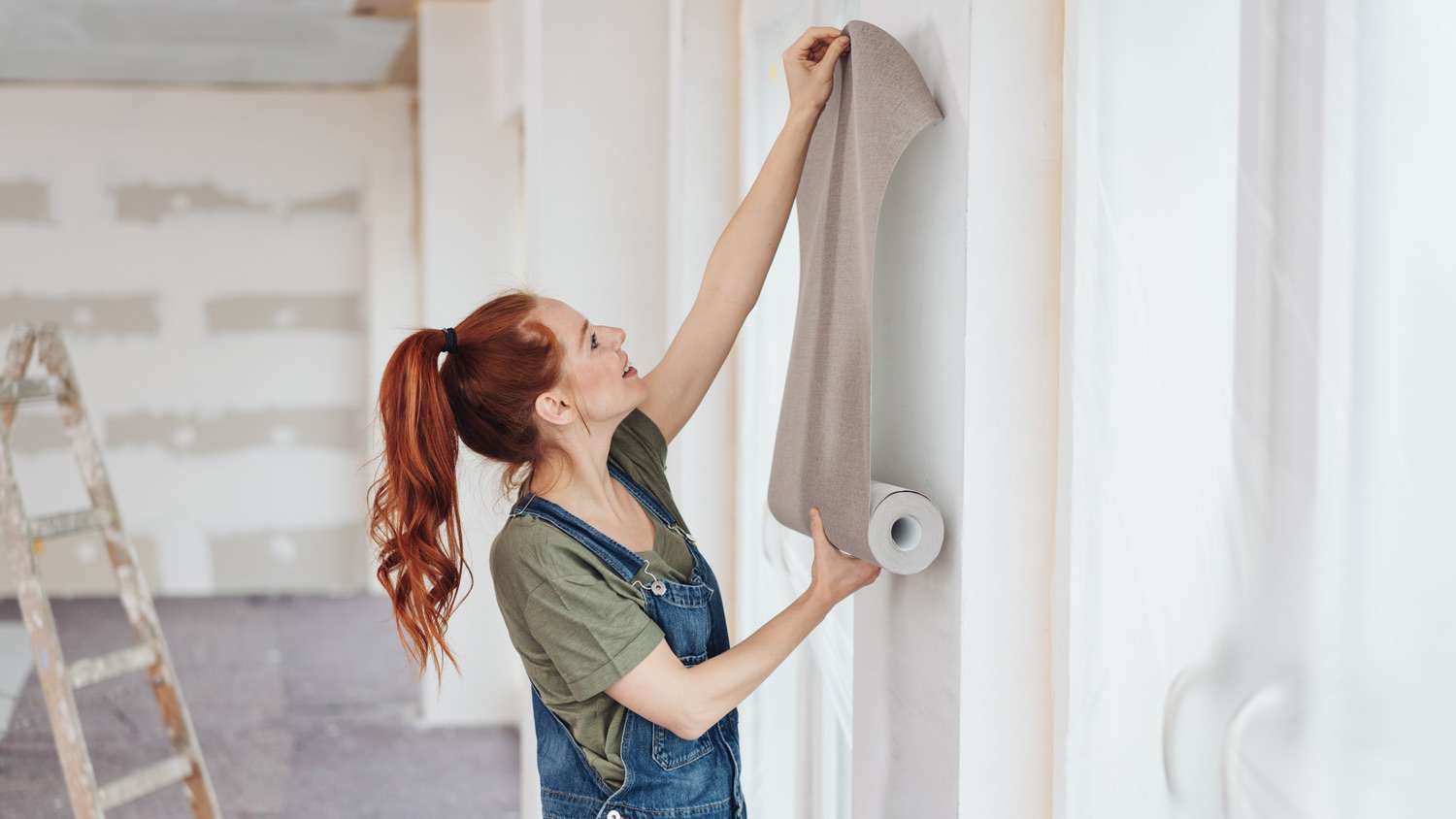
Discover wallpaper installation cost. Learn about material, labor, and project factors to estimate your budget and make informed choices for your home.
Planning a room update? Learn about the wallpaper removal process, costs to expect, and how to find and hire the right local pro for a paint-ready finish.
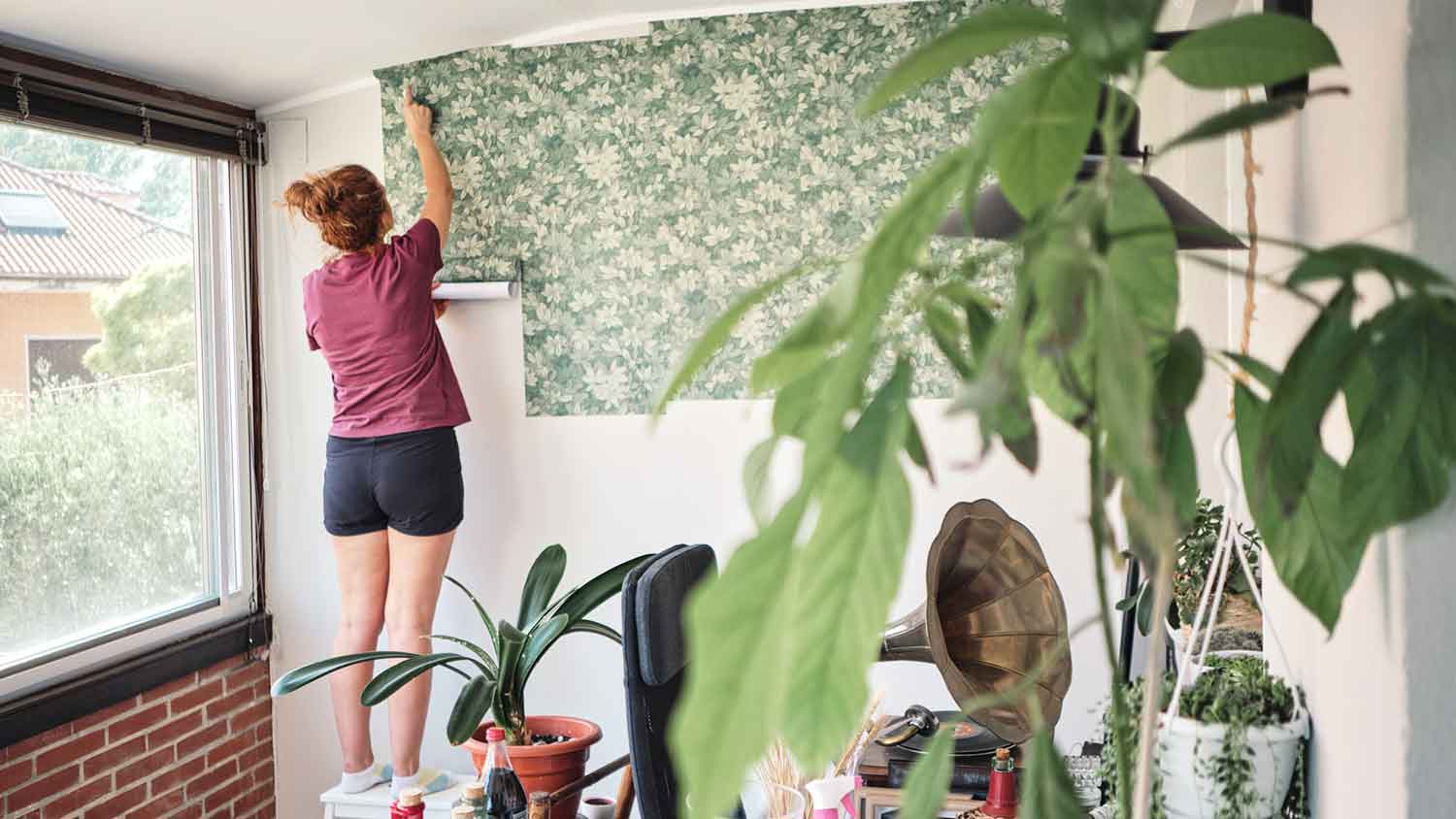
Is peel-and-stick wallpaper removable? Find out how to remove temporary wallpaper without causing damage to your walls.
Taking down wallpaper is a tedious and time-consuming job. Here are some tips on how to hire someone to remove wallpaper for you to make your life easier.
Whether you want to replace or remove your wallpaper, these handy tips for stripping wallpaper will make the process as easy as possible.