


Here's a look at the cost to build a garage with an apartment on your property for a rental or in-law apartment.
Kitchen and bathroom remodel costs depend on your project and location. Check with a local pro for your specific job.


Custom pantry costs range from $250 to $5,000 depending on your pantry type, with reach-in designs costing less than walk-in options.
Your pantry size and whether you need wall removal or electrical wiring determine how much you'll spend on the project.
Budget a few hundred dollars for building permits and drywall repairs if your project requires removing or extending walls.
Hiring a local general contractor ensures your custom pantry looks polished and professional while saving you time on the build.
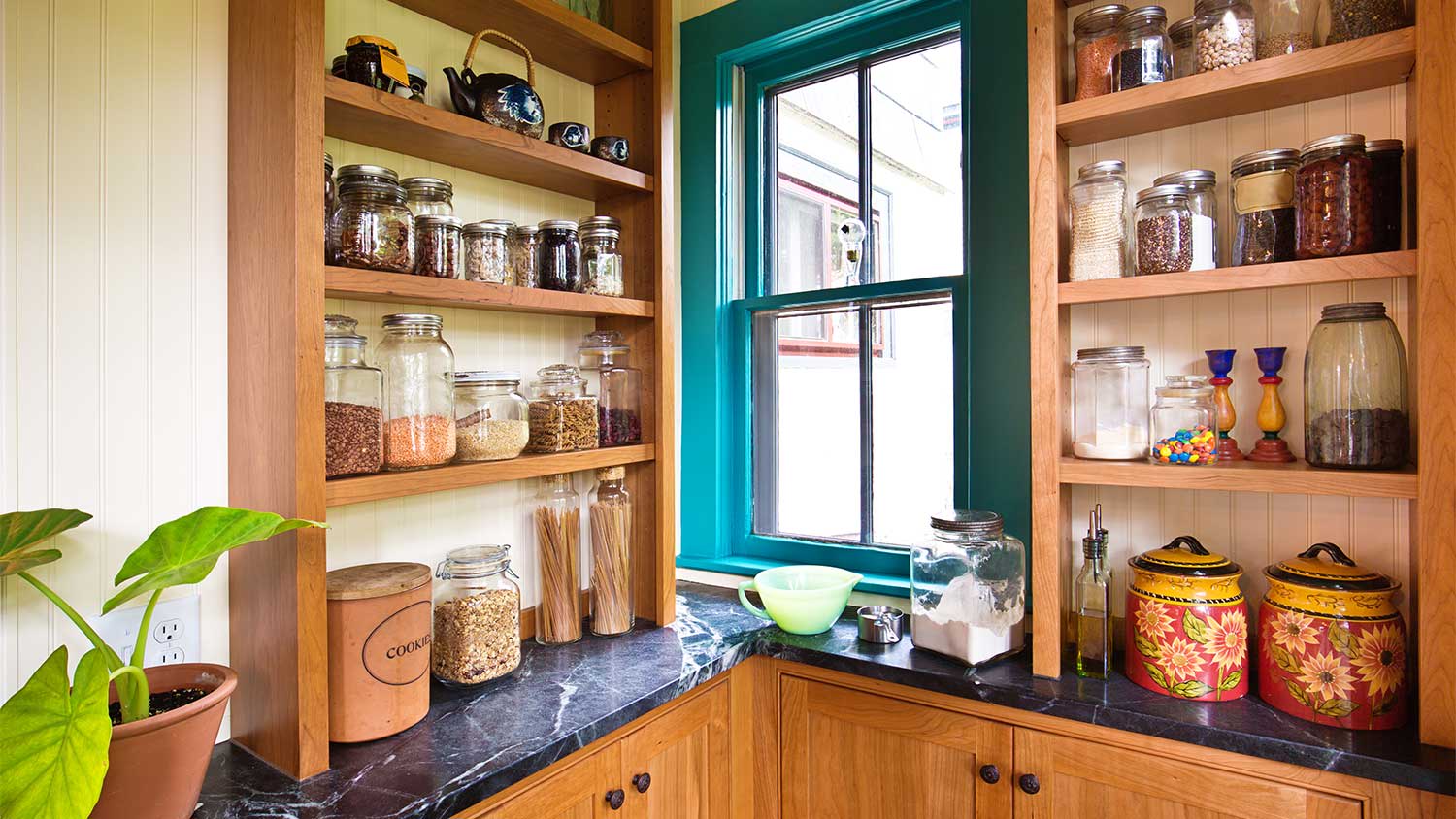
For those feeling overwhelmed by a lack of kitchen storage, a pantry is a lifesaver. A custom pantry costs $2,000 on average, with an overall range of $250 to $5,000. A small reach-in pantry will cost on the lower end to build, while a high-end pantry with lots of extras will drive up costs far more.
| Pantry Type | Average Cost |
|---|---|
| Reach-in | $250–$1,500 |
| Small walk-in | $750–$2,000 |
| Large walk-in | $2,000–$3,500 |
Custom pantries usually come in three types—reach-in, small walk-in, and large walk-in. Here are the associated costs:
You can expect to pay between $250 and $1,500 for a custom reach-in pantry. Reach-in pantries are typically 5 feet wide by 2 feet deep—although you can make it shallower, depending on the amount of space you have. Reach-in pantries are a great option if you want to add a pantry to a small kitchen.
Small walk-in pantries cost $750 to $2,000. These are usually 5-by-5 feet. Many small walk-in pantries mix shelving and cabinets and have unique storage spaces. Sometimes small walk-in pantries are an extension of your kitchen—complete with matching floors, cabinets, lighting, and kitchen hardware.
On average, you can expect to pay between $2,000 and $3,500 for a large 100-square-foot walk-in pantry. Many large walk-in pantries have custom amenities, such as a sink, cabinets, countertops, backsplash, bar, wine fridge, or cellar, and extensive storage capabilities.
| Pantry Size (Sq. Ft) | Average Cost |
|---|---|
| 10 | $200–$400 |
| 20 | $400–$800 |
| 30 | $600–$1,200 |
| 40 | $800–$1,600 |
| 50 | $1,000–$2,000 |
On average, a new pantry will cost between $20 and $40 per square foot. If you don’t need to install new wiring or knock down any walls, then the cost would be on the low end of this range. This frees up more money to spend on extra features. However, if you’re planning on building a high-end pantry, the potential range is between $50 and $450 per linear foot.
The size of the pantry makes a big difference because it determines how much surface area you need to paint and how many linear feet of shelving you’ll need. For example, in a room that measures 50 square feet (10 feet long by 5 feet wide), you would need 50 linear feet of shelving for two layers of shelves on all three walls (the two walls on the side and the back wall).
The labor cost for this job, if you hire a local general contractor or handyperson, is about $20 per square foot. For a room measuring 50 square feet, labor would cost $1,000. However, at the high-end, you can expect to pay about $2,000 for labor. If you need to call an electrician near you to wire your pantry, it will cost about $6 to $8 per square foot.
When designing your pantry and setting your budget, you’ll need to consider several cost factors. These factors include the type of pantry, wall removal, shelf installation, electrical work, permits, pantry size and dimensions, materials, labor, and additional features. Here are the breakdowns of each custom pantry cost factor:
The average cost to remove a non-load-bearing wall is about $300 to $1,000. This is the bare minimum to install a reach-in pantry. If you want to extend the pantry beyond the existing walls, you're probably going to have to pay a lot more—at least another $5,000. You'll also need to budget a few hundred dollars to repair drywall.
You're likely to spend between $400 and $750 on plywood for shelving. How much you need is dependent on how big of a pantry you’re building. Other than the walls, this is your biggest size-dependent cost. An alternative is wire shelving, which will cost about the same as plywood.
“We recently put in a pantry with a door and attached a built-in wire rack to the back of the door,” says Bob Tschudi, Angi Expert and Raleigh, NC-based general contractor. “The homeowner was amazed at the amount of things the door organizer could hold.”
Installing cabinets instead of or in addition to shelving will increase your final cost. Premade stock cabinets are available in standard sizes and are an ideal pantry option since they focus more on function and less on aesthetics. With professional installation, these cabinets cost $100 to $300 per linear foot.
Lighting would benefit a custom walk-in pantry so you can actually see the food you're grabbing. Depending on the style you choose, installing a light fixture costs between $160 and $1,000.
You may also need to pay for building permits—which are required for load-bearing walls in many areas and can range from $400 to $2,200.

Part of the appeal of having a custom pantry is that it looks perfect in your space. That’s why we recommend leaving this job to a pro, as their carpentry skills will ensure the new pantry looks polished and professional. Expect to pay $35 to $100 per hour when hiring a cabinet maker near you, plus $65 to $250 per hour to get a design consultation from a professional kitchen designer.
There are a few key reasons to consider hiring an expert for this job, including:
Ensuring a quick build and installation
Getting a better-looking pantry
Help hooking up lighting or plumbing, if needed
Work guarantees and warranties
Help designing custom solutions for irregularly shaped rooms
While we don’t advise tackling this job completely on your own, there are a few things you can do to help the process along:
Come up with some inspiration for your custom pantries to help guide the design process
Remove old cabinets yourself, if you’re able
Give some thought to how much storage you’ll need to ensure your custom pantry works for your home
I was blown away by the experience of working with a pro who is honest down to their bones, cares about the quality of their work down to the smallest details, is a phenomenally good carpenter with a small crew of stellar, hard-working people they trained themselves, was spot-on with every time estimate and cost estimate—and for all of this is relaxed and warm at the same time.
— Suzanne S., Marvel Homes, Boulder, CO
The cost to remodel a pantry depends on the type of materials you use and the scope of your project. Common pantry remodels include upgrading shelving, cabinets, countertops, backsplash, flooring, painting, and lighting.
Remodeling typically costs less than adding a pantry because you don't need to factor in the initial construction and structural costs. Here’s how much you can expect to pay for a pantry remodel:
Shelving cost: $400–$750
Cabinet costs: $100–$300 per linear foot
Countertops cost: $1,850–$4,350
Backsplash cost: $15–$40 per square foot
Flooring cost: $12.50 per square foot
Painting cost: $2.75 per square foot
Lighting cost: $500–$2,000+
If you’re working with a relatively tight budget, knowing where you can cut costs will help you make your dream pantry a reality. Here are a few tips for where to save.
Use less expensive wood: You may have a more elegant wood type in mind for your pantry shelves, but painted plywood will work just fine.
Repurpose an existing room: You can save on demolition and construction costs.
Avoid wiring: Choose a space that’s already wired for electricity so you don’t have to hire an electrician.
Skip the extras: You probably have lots of ideas for fancy extras like a top-of-the-line wine rack, but if you're worried about budget, it may be best to add it later.
A custom pantry offers a great return on investment (ROI) of 50% to 75%, which can slightly increase the value of your home. Most buyers are looking for the additional storage space that comes with any kind of pantry. In fact, the National Association of Home Builders reported that 83% of home buyers wanted a walk-in pantry—so adding one gives you a leg up on the competition in the housing market.
Talk to your pro about costs for walk-in and reach-in pantries to find the right option for you
Make sure you consider structural and remodeling changes (like removing walls) when choosing the size of your new pantry
See if your pantry installer will also do the shelves, lighting, and other add-ons for lower rates
Home is the most important place on earth, which is why Angi has helped more than 150 million homeowners transform their houses into homes they adore. To help homeowners with their next project, Angi provides readers with the most accurate cost data and upholds strict editorial standards. We extensively research project costs to develop the pricing data you see, so you can make the best decisions for you and your home. We rely on reputable sources, including the U.S. Bureau of Labor Statistics, academic journals, market studies, and interviews with industry experts—all to ensure our prices reflect real-world projects.
Want to help us improve our cost data? Send us a recent project quote to [email protected]. Quotes and personal information will not be shared publicly.
Jason has helped me with multiple household projects, with the most recent being new door installation. He has always showed up on time and organized and has done an incredible job! Jason is very professional and he's now my go-to for anything around my house that needs to be fixed or...
 Huff Garage Rescue, LLC
Cole has been handling plumbing and general contracting for our four properties over the past three years, and he’s always done a great job. Most recently, he installed a sink and countertop in our retail store where none existed before, and it turned out exactly how we needed. He’s...
 ANB Renovations LLC
1st Choice Renew is simply the best! We hired them for a complete home renovation, and they transformed our space into something truly amazing. The team attention to detail and commitment to quality were evident throughout the project. They were easy to work with, very responsive, and always...
 Save A Dime
This company went above and beyond with their work, chimney sweeps are usually pretty messy, but the clean up was spot on.!! Josh explained every thing that he was doing, and the things that he was checking to make sure the chimney was safe for me and my family. He was very professional,...
 Supreme brick & chimney
Custom Paint Jobs LLC turned our outdated bathroom into a modern masterpiece.
 Custom Paint Jobs, LLC
Excellent customer service and knowledge. I was recommend to him from my neighbour. My front door and window came in great and were installed beautifully perfectly, I m very satisfied with their excellent work, so decided to order one more big bow window for my living room. I cant wait for...
 Window Depot USA of Central Ohio
If I could give 10 stars for Kitchen Tune Up, I would. I cannot say enough good things about my experience with Kitchen Tune Up and the entire team involved in the process of my kitchen project. They went above and beyond as far as service and quality with my cabinets, paint, countertops, and...
It was wonderful working with Yordy and his team. They were very professional and are experts in what they do. They have completed the work on time, with better quality and with in fairly reasonable price. We just started with backsplash work , but liking his work, we went on to provide...
 Flooring Solutions
We were having 2”x 2” tile installed . There was a small installation error and the new additional replacement tile was from a different lot and the colors didn’t match. Joe assured us that he would rectify everything , which he did without hesitation. We decided to go with the 18” x 36” tile...
 CarifaTile
They work that 360 did on my kitchen cabinets is nothing short of amazing. I still cannot believe the difference from before and after. Jon and Jeff were both so incredibly professional throughout the whole process and their communications with me were constant and consistent. These guys...
 360 Painting Columbus
From average costs to expert advice, get all the answers you need to get your job done.
Here's a look at the cost to build a garage with an apartment on your property for a rental or in-law apartment.
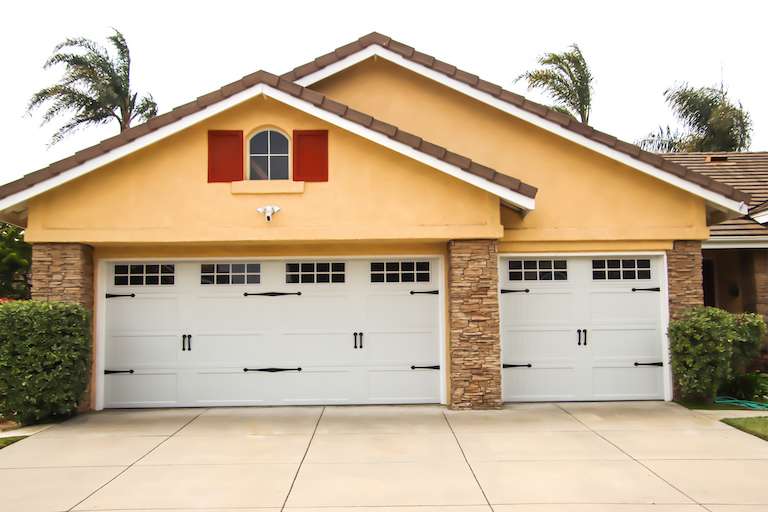
Garages increase curb appeal and have a high ROI. Use this guide to learn about the average cost to build a garage and budget for your project.
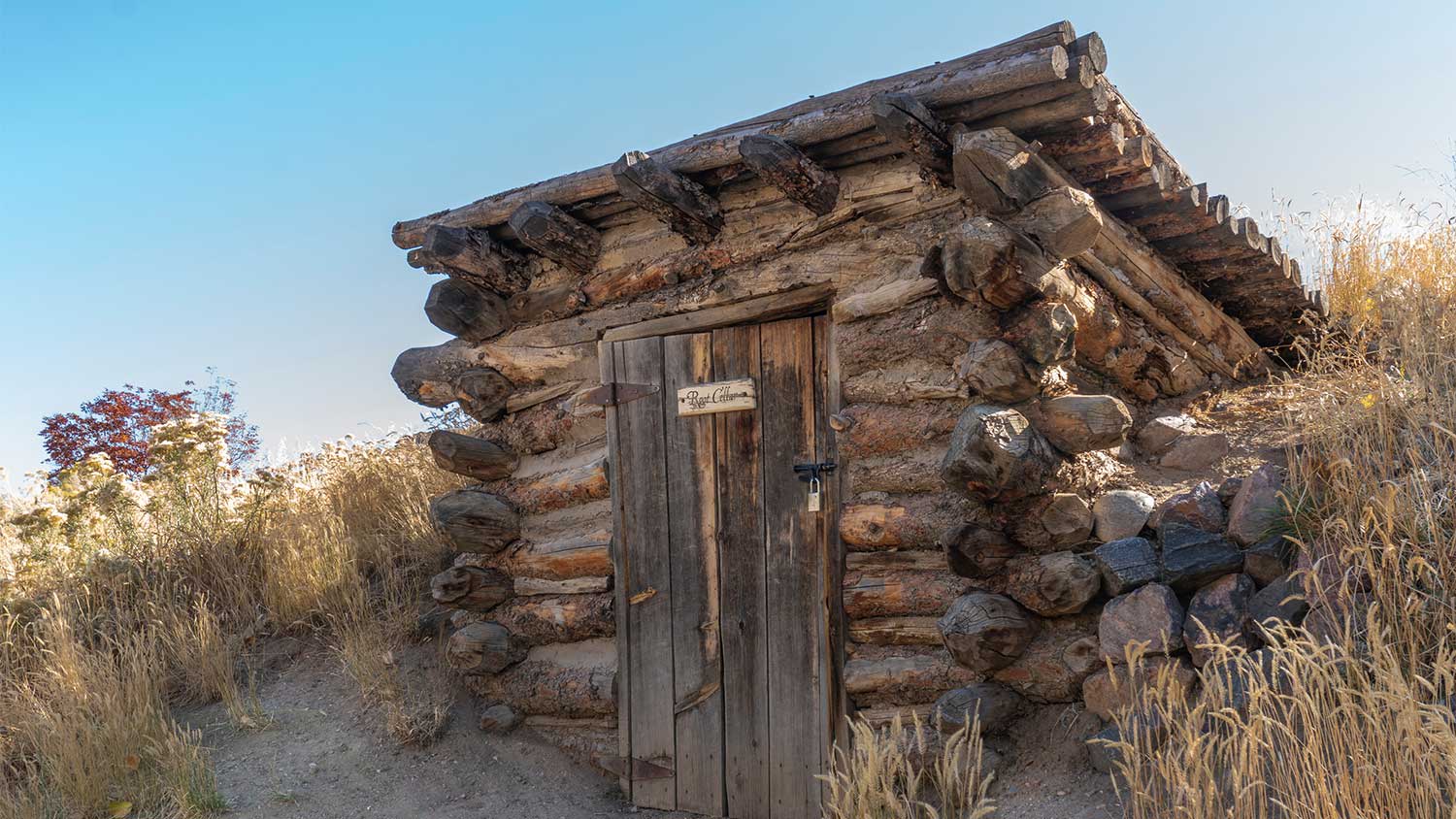
The cost to build a root cellar depends on size, location, materials, and other variables. Our guide will help you decide which option is best for you.
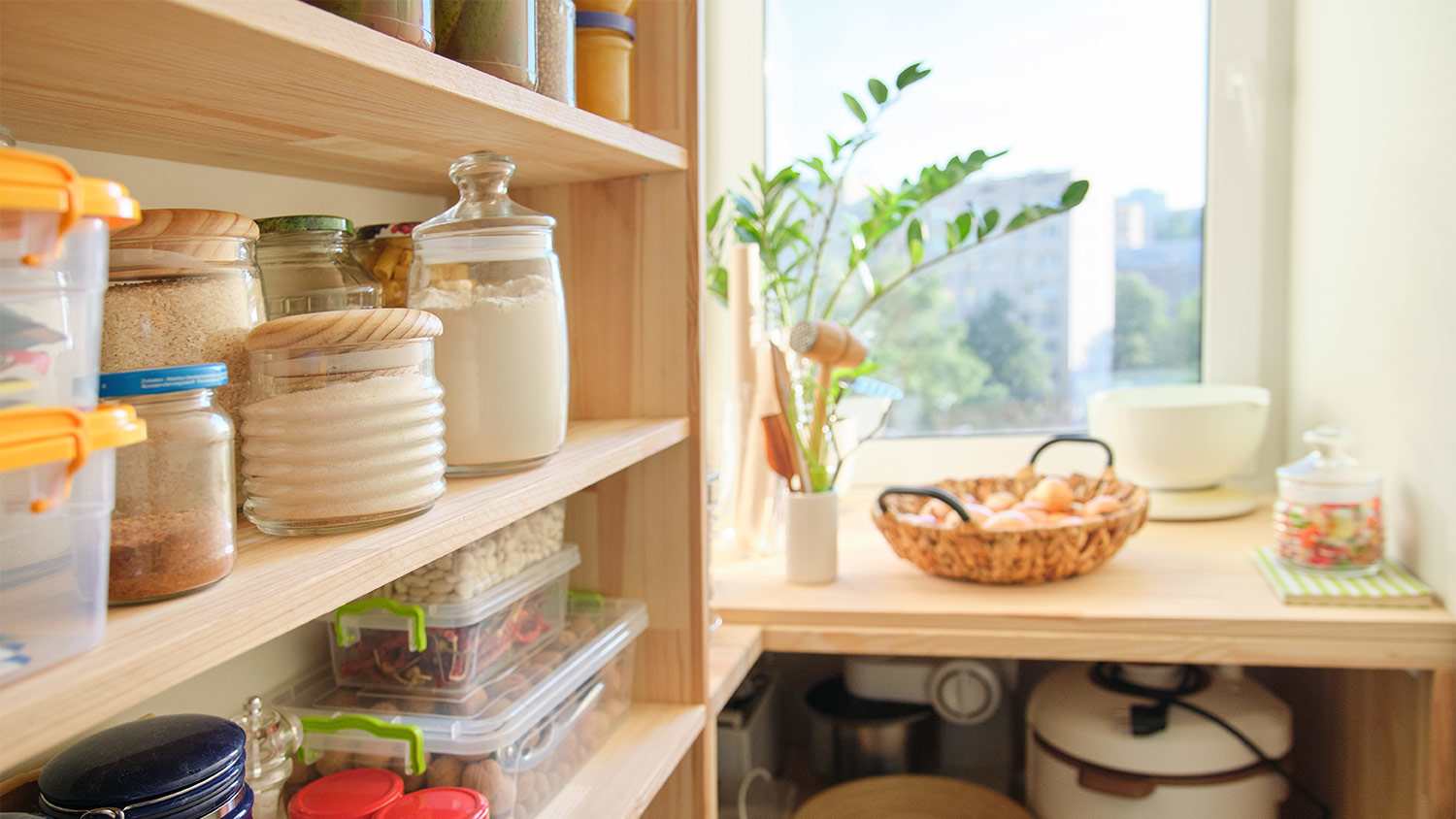
Ready to give your kitchen shelf life a boost? Learn how to build pantry shelving in this simple seven-step guide.
Are you planning on adding more kitchen storage? Read on for a complete guide on how to build a kitchen pantry, a key storage element for home cooks.

Wondering which type of pantry is most suitable for your kitchen? Learn about eight types of pantry options to find the best storage solution.