

Are you looking to upgrade an old door in your home? Use this interior door installation cost guide to estimate the project's total cost and learn how to save.
Interior design and decorating costs depend on your project and location. Check with a local pro for your specific job.


Professional interior design services range from $2,055 to $15,256 based on your scope and designer experience.
Your material choices shape your budget, since custom furnishings and luxury finishes raise totals, especially in kitchens and bathrooms.
Budget $200 to $3,000 for your consultations and design visuals like mood boards and 3D renderings.
Hiring a local interior design professional creates a cohesive, functional space and connects you with trade discounts and trusted contractors.
This article was created using automation technology and thoroughly fact-checked and edited by an Angi Editor in accordance with our AI policy.
In 2026, the national average cost to hire an interior designer is $8,550, based on 2,938 verified projects from Angi Pros. Most homeowners pay between $2,055 and $15,256, with the spread driven by project scope, designer experience, and material selections. Budget an additional $200 to $3,000 for consultations and design visuals like mood boards and 3D renderings.
Several variables influence what you'll pay when hiring an interior designer, from the fee structure and project size to material choices and labor coordination. Understanding these factors helps you plan a realistic budget and avoid unexpected costs.
Interior designers use several pricing models, and the one your designer selects directly affects your total cost. Hourly billing suits consultations and smaller projects, while flat fees work best for full-service engagements with a well-defined scope. Per-square-foot pricing offers clear, upfront budgeting for larger or new-construction projects. For high-end or complex renovations, a percentage of the total project cost is common, reflecting the scale and coordination involved.
The table below breaks down the different interior design pricing models, along with their average costs:
| Pricing Model | Average Cost in 2026 | Best For |
|---|---|---|
| Hourly | $100–$500 per hour | Consultations, small projects |
| Flat fee | $2,000–$12,000 | Full-service, clear project scope |
| Per square foot | $5–$17 per sq. ft. | Larger or new construction |
| Project percentage | 10%–30% of total | High-end, large, or luxury renovations |
The right pricing model for you depends on your project goals, the designer's policy, and how involved you want to be in the process.
The size of your project is one of the most direct drivers of interior designer costs. Small projects like a bedroom or home office involve minimal sourcing and oversight, keeping fees lower. Multi-room and whole-home projects demand more planning and contractor management, which increases the designer's fee accordingly. Larger projects sometimes qualify for package pricing or discounts, but they still represent a significantly bigger investment overall.
Your choices in furniture, fixtures, finishes, and decor can affect your total project cost, with material expenses varying widely across budget, mid-range, and luxury tiers. Designer service fees typically do not include the cost of materials or furnishings, even when the designer manages purchasing on your behalf. A living room outfitted with budget pieces will cost far less than one featuring custom furniture or designer selections—and in kitchens and bathrooms especially, material costs can easily match or exceed the designer's fee. Always clarify what's included in your designer's fee and establish a firm materials budget before work begins.
Labor costs cover both the designer's time and any subcontractors they bring in, such as painters, electricians, or carpenters, with designer rates ranging from $100 to $500 per hour depending on experience and location. Flat fees and per-room charges are common when the project scope is clearly defined. If your designer coordinates contractors, expect additional project management fees—often 10% to 30% of the total project cost. Designers with specialized expertise or strong reputations tend to charge more, but their experience typically leads to smoother execution and better outcomes.
Look for a combination of formal education in interior design and experience working on projects in your area. In addition to offering inspiration and the ability to articulate your design style and lifestyle needs, interior designers also collaborate with skilled trades. They can also provide project management and oversight to bring your new spaces to life.
Before design work begins, expect upfront costs for consultations and planning, with initial meetings ranging from $200 to $800 depending on the designer's experience and whether a site visit is required. Mood boards, 3D renderings, and detailed floor plans are common deliverables that can add $500 to $3,000 to your total. Travel fees may apply if your designer is not local, and pre-design tasks like measuring, decluttering, or minor repairs can create additional expenses. Ask for an itemized estimate before committing so you have a clear picture of all pre-project costs.
Tipping interior designers is not standard practice, though it is appreciated when a designer delivers exceptional service or goes well beyond expectations. If you choose to tip, 5% to 10% of the designer's fee is considered generous. Many clients instead show appreciation through positive reviews, referrals, or a thoughtful thank-you note.
Beyond the core design fee, several additional factors can increase what you pay for an interior design project. Discuss these with your designer upfront to build a comprehensive estimate:
Demolition or removal of old furnishings
Post-project cleanup or professional styling
Permit fees for structural, electrical, or plumbing work
Upgrades to systems (electrical, plumbing) required for the new design
Custom features like built-in cabinetry or shelving
Decorative add-ons such as artwork installation or custom window treatments
Delivery and installation fees for new furniture and decor
Project timeline—rush requests or tight deadlines may add to the cost
Once your interior design project is complete, a few ongoing costs help protect your investment and keep your space looking its best. Planning for these expenses in advance ensures your designer-selected finishes and furnishings stay in top condition for years to come.
Custom installations and high-end finishes often require regular upkeep to stay in good condition. Built-in cabinetry or specialty surfaces like marble may need annual sealing, cleaning, or touch-ups costing $100 to $500 per year. Fine fabrics, rugs, and custom upholstery may also require professional cleaning or specialized care. Budgeting for routine maintenance helps preserve the quality and long-term value of your designer-selected items.
New lighting designs and smart home systems can slightly increase your monthly utility bills. Technology like remote-controlled blinds or home automation may carry ongoing subscription or service fees averaging $10 to $30 per month. Replacement costs for everyday items such as pillows, rugs, or light bulbs should also be factored into your annual budget.
Custom and specialty installations occasionally need repairs, and costs can vary significantly based on the complexity and materials involved. A custom sofa or built-in shelving repair, for example, may run $150 to $1,000. If your designer coordinated the original procurement, they may also help facilitate warranty repairs or connect you with trusted contractors for the work.
High-value furnishings, art, or custom installations may require additional homeowner's insurance coverage beyond your standard policy. Some insurers recommend listing valuable pieces separately to ensure full protection. If you're investing in luxury items, consult your insurance provider about updating your policy before the project is complete. Designers carry their own liability insurance, but that coverage protects their work — not your property.

Many homeowners consider a do-it-yourself approach when weighing how much an interior designer costs. DIY design can save money, but it comes with its own set of expenses and risks.
DIY costs include purchasing design software ($50 to $300), materials, and all furnishings. You’ll also invest significant time planning, sourcing, and coordinating deliveries. Tools and resources—like measuring devices, paint supplies, or installation hardware—add to the total.
However, DIY projects can lead to mistakes in layout, color selection, or installation, which may reduce your home’s value or require costly fixes. You’ll need a good eye for design, knowledge of building codes, and strong project management skills.
Hiring a professional often results in a more cohesive, functional, and visually appealing space. Designers can access trade discounts and have relationships with reliable contractors. While the upfront cost is higher, the return on investment and peace of mind can make hiring a pro worthwhile, especially for complex or high-value projects.
Interior design projects often include optional add-ons that enhance your space or streamline the process, with costs ranging from a few hundred dollars to several thousand depending on the service. These are some of the most popular choices and their typical cost ranges:
Custom furniture design: $1,000 to $5,000 per piece
Window treatments and drapery: $500 to $5,000 per room
Lighting design and installation: $1,000 to $5,000
Art and decor sourcing: $500 to $5,000
3D renderings or virtual walkthroughs: $500 to $2,500
Home staging for resale: $1,500 to $6,000
Smart home integration: $2,000 to $15,000
Adding these services can increase your overall budget but may deliver significant value, efficiency, or market appeal.
Looking for ways to get professional results for less? Here are strategies to keep costs down:
Choose a limited-scope or consultation-only service.
Source materials and furnishings independently.
Reuse or repurpose existing furniture.
Prioritize rooms or phases to spread out costs.
Get multiple quotes from local interior designers and compare their portfolios.
Opt for emerging designers or design students.
Bundle services or negotiate package deals.
Limit custom work to key features.
Shop sales or use trade discounts through your designer.
These steps help you enjoy the benefits of design expertise while staying within your budget.
Home is the most important place on earth, which is why Angi has helped more than 150 million homeowners transform their houses into homes they adore. To help homeowners with their next project, Angi provides readers with the most accurate cost data and upholds strict editorial standards. We extensively research project costs to develop the pricing data you see, so you can make the best decisions for you and your home. We rely on reputable sources, including the U.S. Bureau of Labor Statistics, academic journals, market studies, and interviews with industry experts—all to ensure our prices reflect real-world projects.
Want to help us improve our cost data? Send us a recent project quote to [email protected]. Quotes and personal information will not be shared publicly.
Great job! Friendly, timely and thorough.
 Eco Plumbers, Electricians, and HVAC Technicians
Supreme Brick & Chimney did a great job with a cleaning and inspection of the fireplace! He was efficient, on time, and very pleasant. The space was kept very clean, and the fireplace was spotless when he was done. He also performed a thorough inspection, and did a great job talking us...
 Supreme brick & chimney
Custom Paint Jobs LLC is the go-to choice for all your painting needs. They painted both the interior and exterior of my house flawlessly. Their work speaks for itself!
 Custom Paint Jobs, LLC
They were very helpful with design, very quick to respond, good quality work, and competitive pricing!
 Cooks Cabinets
On time, clean and finished fast. Windows seem sturdy and the finish is good. Caulking was done with no smudges. Would recommend.
 Window Depot USA of Central Ohio
If I could give 10 stars for Kitchen Tune Up, I would. I cannot say enough good things about my experience with Kitchen Tune Up and the entire team involved in the process of my kitchen project. They went above and beyond as far as service and quality with my cabinets, paint, countertops, and...
Beginning with the estimate, Larry and Peyton were super helpful in getting my new condo's interior re-painted. Not only was the job well done, but also done in a super timely manner as promised.
 Five Star Painting of Plain City and Powell
Great job...edging and pre clean up went well with a great job with seal coat. Friendly, efficient and professional.
 All Star Paving and Sealing
We were having 2”x 2” tile installed . There was a small installation error and the new additional replacement tile was from a different lot and the colors didn’t match. Joe assured us that he would rectify everything , which he did without hesitation. We decided to go with the 18” x 36” tile...
 CarifaTile
We live in a condo and had space to add a tall cabinet. The problem was the space was already occupied by our catsâ litter box. We needed to still keep the litter box in that same corner. Beiler Custom Cabinets was able to work with our need and design request. What was created was an...
 Beiler Custom Cabinets, LTD
From average costs to expert advice, get all the answers you need to get your job done.
Are you looking to upgrade an old door in your home? Use this interior door installation cost guide to estimate the project's total cost and learn how to save.
Painting your home can give it a fresh new look, but how much will it cost? Here’s what you might pay for interior and exterior paint projects.
Whether you’re looking to hire a pro or DIY, the cost of a kitchen design can add up quickly. Learn the cost factors involved in designing your kitchen.
Create a stunning and functional home or remodel with an interior designer. Follow these common interior design questions to prepare for working with a pro.
The interior design process might look overwhelming from afar, but this step-by-step method turns a lofty idea into a clear timeline and predictable budget.
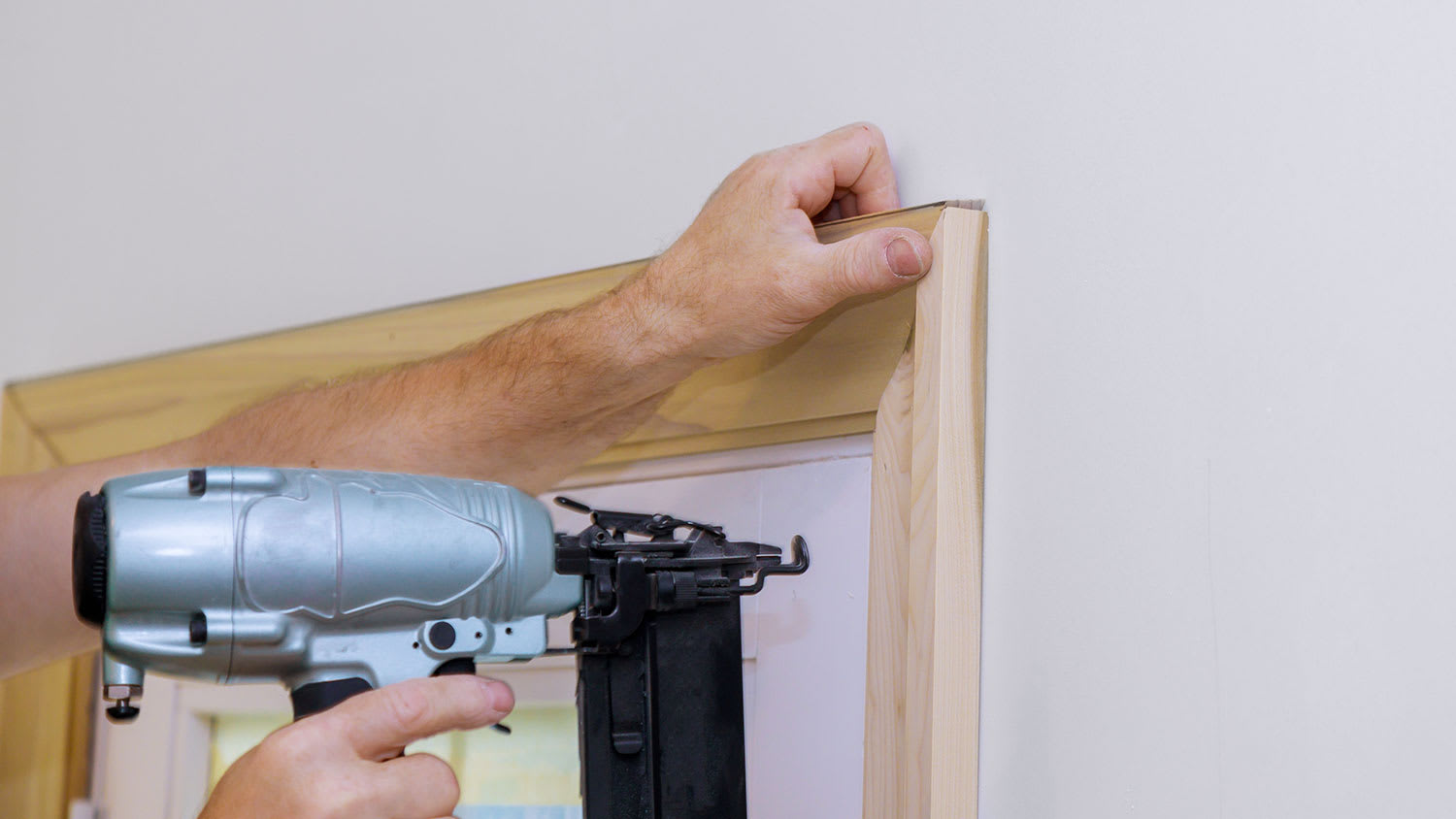
Learn how to hire an interior trim installer with confidence. Discover key questions to ask, qualifications to verify, and tips for finding a reputable pro.