


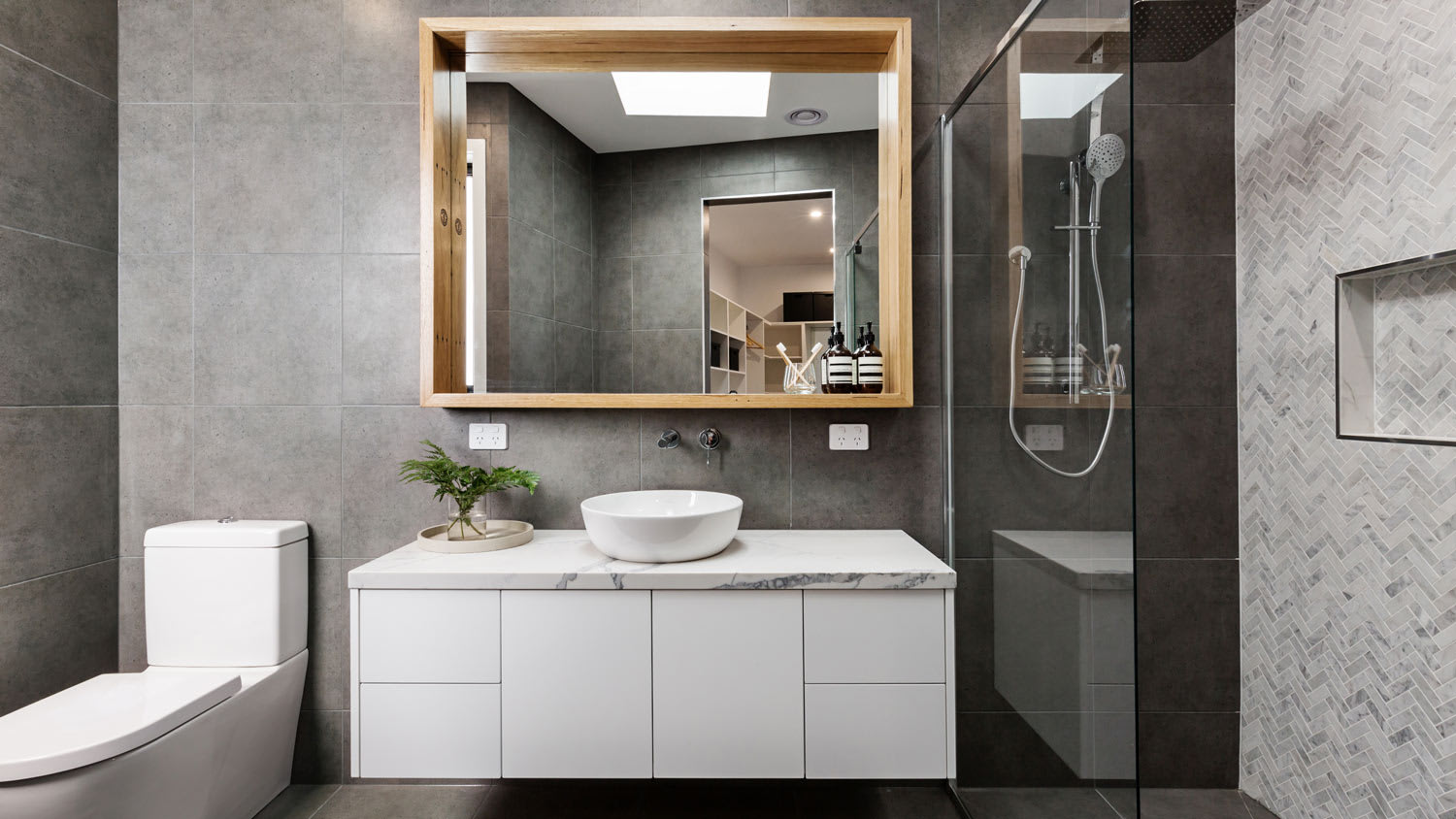
If your bathroom vanity top is damaged or cracked, removing and installing a new one can be an easy project to tackle. Learn the cost of replacing your vanity top.
Kitchen and bathroom remodel costs depend on your project and location. Check with a local pro for your specific job.

Bathroom vanity installation costs between $400 and $2,200, so you can budget for materials and labor.
Your vanity size, countertop material, and installation complexity shape your total, so compare prefab and custom options.
Account for old vanity removal at $150 to $500, plus backsplash, plumbing, and flooring adjustments in your budget.
Hiring a local bathroom tile installation professional helps prevent leaks, meets plumbing codes, and protects you with insurance and warranties.
In 2026, the national average cost for bathroom vanity installation is $1,500, including the vanity unit itself. Most homeowners spend between $400 and $2,200, with costs driven primarily by vanity size, countertop material, and installation complexity. You could spend as little as $300 for a prefabricated vanity from a big-box store or as much as $4,000 for a fully custom project.
Most prefabricated bathroom vanities cost between $100 and $2,600, excluding installation, and that range widens significantly if you go custom. Labor, countertop material, and fixtures all contribute to your final price tag. Understanding each factor helps you set a realistic budget before you start shopping.
Vanity size is a direct driver of cost because larger units require more materials and labor to build. A double vanity can cost twice as much as a single vanity, so your configuration choice has a significant impact on your budget. Fortunately, many standard vanity sizes are available in prefabricated form.
The table below breaks down the average cost of a bathroom vanity installation based on different prefabricated vanity sizes:
| Vanity Size | Average Cost in 2026 |
|---|---|
| 2.5-foot single vanity with countertop | $100–$500 |
| 4-foot single vanity with countertop | $400–$700 |
| 5-foot single vanity with countertop | $500–$1,800 |
| 6-foot single vanity with countertop | $800–$2,100 |
| 4-foot double vanity with countertop | $550–$1,900 |
| 5-foot double vanity with countertop | $600–$2,200 |

Countertop material is one of the largest factors shaping your bathroom vanity cost, with prices varying across types of bathroom countertops. Budget-friendly options like laminate and acrylic sit at the lower end of the range at $10 to $40 per square foot, while natural stone materials command a premium up to $200 per square foot. Choosing the right material means balancing your aesthetic goals with your budget and long-term maintenance expectations.
The table below breaks down bathroom vanity installation costs based on countertop material:
| Countertop Material | Average Cost (Per Square Foot) in 2026 |
|---|---|
| Granite | $5–$100 |
| Porcelain or ceramic tile | $7–$20 |
| Acrylic | $13–$30 |
| Laminate | $10–$40 |
| Corian | $20–$75 |
| Cultured marble | $40–$180 |
| Concrete | $65–$135 |
| Composite | $75–$120 |
| Quartz | $50–$200 |
Keep reading for a description of the different bathroom vanity materials:
Granite: Granite countertops cost $5 to $100 per square foot. Granite tiles are more affordable at $5 to $15 per square foot, while granite slabs are more expensive at $40 to $100 per square foot. Sealing your granite countertops will also add to labor costs.
Porcelain or Ceramic Tile: Porcelain or ceramic tile countertops cost about $7 to $20 per square foot. Professional installation is another $13 to $28 per square foot. Luxury tiles and smaller mosaic tiles cost more to install.
Acrylic: Acrylic vanity countertops cost $13 to $30 per square foot, and labor can double the cost. This customizable, budget-friendly option is 100% resin and nonporous, making it ideal for bathrooms.
Laminate: Laminate countertops cost $10 to $40 per square foot, plus $30 to $40 per square foot for labor. While they're wallet-friendly and offer variety, they're not as heat- or water-resistant as other options.
Corian: Corian countertops cost about $20 to $75 per square foot, with an additional $10 to $30 per square foot for professional installation. This nonporous composite of metal and resin is easy to maintain, durable, and available in various colors and patterns.
Cultured Marble: Cultured marble countertops cost $65 per square foot. This composite material consists of pulverized natural marble blended with resin and pigments. The prefabricated counter looks like natural marble at a fraction of the price and doesn't require sealing.
Concrete: Concrete vanity countertops cost $50 to $150 per square foot due to the weight and installation process, but they're easy to maintain. Your contractor will pour and transport the counter and possibly reinforce your cabinetry, but not all vanities can handle the weight.
Stone Composite: Stone composite vanity countertops cost $75 to $120 per square foot, plus $10 to $30 per square foot for labor. This material is a mixture of crushed stone, resins, and pigments that can be molded into different shapes with a seamless look. It's also simple to maintain because it's nonporous and mostly consists of plastic.
Quartz: Quartz vanity countertops cost $50 to $200 per square foot, plus $10 to $30 per square foot for labor. They consist of an engineered stone composite that's nonporous, nonabrasive, durable, and resistant to acid and moisture, making them popular for high-end bathrooms.
Custom-built vanities always cost more than prefabricated options, with custom cabinetry and countertop work running $400 to $3,000 depending on design and materials, plus $200 to $1,000 for installation. Countertop materials add $5 to $200 per square foot on top of that, so the size of your vanity has a major impact on the final price.
Prefab vanities are the more accessible choice, with most units running $300 to $1,500 and installation labor adding $200 to $500 more. Complex plumbing requirements can push labor costs higher regardless of which route you choose.
| Type of Vanity | Average Unit Cost | Average Labor Cost |
|---|---|---|
| Prefabricated | $300–$1,500 | $200–$500 |
| Custom | $400–$3,000 | $200–$1,000 |
If you choose a prefabricated vanity, you may need to purchase a faucet separately, and most homeowners budget between $70 and $900 for this. High-end bathroom faucets can cost hundreds more than a basic model. Finishes like brushed nickel and matte brass carry a higher price tag than standard options.
Labor to install a bathroom vanity costs between $200 and $1,000, with plumber rates running $45 to $200 per hour depending on the complexity of the work. A small prefabricated vanity with existing plumbing sits at the low end of that range, while a large custom vanity with new plumbing reaches the high end. Your contractor will have to do the following:
Assemble the cabinets
Cut holes for plumbing
Place the cabinets
Size the countertop
Install the countertop
Attach the vanity to the wall
Install the sink and faucet

When installing a bathroom vanity, think beyond the sink and plan for a few additional line items in your budget. Features like a backsplash and flooring adjustments can help you make the most of your remodel. Accounting for these costs upfront prevents surprises once the project is underway. Here are some additional tasks when installing a bathroom vanity, along with their average costs:
| Additional Cost | Average Cost in 2026 |
|---|---|
| Old Vanity Removal | $115–$500 |
| Backsplash | $2–$30 |
| Plumbing | $400–$2,200 |
| New Sink | $40–$300 |
| Flooring | $500–$1,000 |
Keep reading for a breakdown of these additional tasks:
Old Vanity Removal: Expect to spend $115 to $500 on labor to remove and dispose of the old vanity. The heavier the countertop, the more it will cost. Materials like concrete and stone slabs cost the most to remove.
Backsplash: You may want to hire a local bathroom tiler to install a backsplash for $2 to $30 per square foot. Glass, marble, and decorative mosaic tiles could exceed that cost. Ceramic, porcelain, and tin are some of the most affordable options.
Plumbing: Installing plumbing costs $400 to $2,200, with an average of $1,500. If you have a wall-mounted vanity with exposed piping, you may want new under-sink pipes to match the faucet and legs.
New Sink: New bathroom sinks cost $40 to $300, but a high-end model could cost much more. You'll spend another $400 on professional installation. Most prefabricated vanities have a sink built into the top, but this isn't always the case.
Flooring: Depending on the size of your new vanity, you may need to adjust your bathroom flooring and trim. Most homeowners spend about $500 to $1,000 on flooring adjustments. If possible, install the vanity before the flooring to prevent damage.
Expand the storage in a small bathroom by choosing a vanity with built-in drawers. You’ll be happy you did when trying to fit all of your hair accessories and cleaning supplies under the sink.

A local bathroom vanity installer will charge $200 to $1,000 for labor, but hiring a pro will save you from faulty workmanship and costly DIY mistakes. If you want to cut costs, consider taking on smaller tasks yourself, such as ensuring the workspace is accessible for your contractor.
Installing a bathroom vanity can be tricky for inexperienced DIYers, so here's why you should hire a pro:
A professional has the tools and expertise required to install a bathroom vanity safely and efficiently.
DIY plumbing mistakes might cause leaks, water damage, or mold.
Pros understand local plumbing codes and ensure your installation complies with them.
Reputable installers offer warranties and carry insurance.
A professionally installed bathroom vanity could increase your home's resale value more than a DIY job.
Pros ensure the vanity is level, securely anchored, and properly sealed.
When hiring a pro for bathroom vanity installation, you might save money by completing the following tasks yourself:
Clearing personal items and making the workspace accessible
Removing the old vanity if you're comfortable disconnecting the plumbing
Cleaning the space after installation
Painting the bathroom and applying finishing touches
Want to make a big impact without breaking the bank? Small updates like installing a new bathroom vanity and converting your tub to a walk-in shower can revamp your space at a fraction of the cost of a bathroom remodel. If you're planning a bathroom vanity installation, these tips can help you save even more cash:
Pick a Vanity That Matches Your Setup: Rather than remodeling your bathroom around your vanity, remodel your vanity around your bathroom. Choose fixtures and countertops that match your existing space instead of springing for additional upgrades.
Go With Affordable Materials: Countertop materials like laminate, acrylic, and ceramic tile cost less than high-end options like concrete and quartz. Choosing composite or cultured marble is a good middle ground between price and value.
Fix, Don't Replace: Revamp your old vanity rather than getting a replacement. The cost of replacing the vanity countertop and painting the cabinets could be less expensive than a brand-new unit and installation. Depending on the extent of the damage, you can even repair a water-damaged vanity.
Go Prefab: Custom vanities cost $500 to $2,800 more than prefabricated vanities. To save money, pick a prefabricated option that works in your space.
Do Some of the Job DIY: You may not be able to do the plumbing on your own, but assembling a prefabricated vanity is a doable DIY and helps save on labor costs.
Have an idea of your vanity’s style, size, and placement before meeting with your installer.
Review warranties, insurance, cost estimates, and the project timeline.
Confirm measurements, plumbing locations, and outlet placement to ensure the vanity will fit.
Ask about any plumbing or electrical adjustments your new vanity may require.
Clarify whether the pro will remove and dispose of your old vanity.
Home is the most important place on earth, which is why Angi has helped more than 150 million homeowners transform their houses into homes they adore. To help homeowners with their next project, Angi provides readers with the most accurate cost data and upholds strict editorial standards. We extensively research project costs to develop the pricing data you see, so you can make the best decisions for you and your home. We rely on reputable sources, including the U.S. Bureau of Labor Statistics, academic journals, market studies, and interviews with industry experts—all to ensure our prices reflect real-world projects.
Want to help us improve our cost data? Send us a recent project quote to [email protected]. Quotes and personal information will not be shared publicly.
Jason has helped me with multiple household projects, with the most recent being new door installation. He has always showed up on time and organized and has done an incredible job! Jason is very professional and he's now my go-to for anything around my house that needs to be fixed or...
 Huff Garage Rescue, LLC
Cole has been handling plumbing and general contracting for our four properties over the past three years, and he’s always done a great job. Most recently, he installed a sink and countertop in our retail store where none existed before, and it turned out exactly how we needed. He’s...
 ANB Renovations LLC
1st Choice Renew is simply the best! We hired them for a complete home renovation, and they transformed our space into something truly amazing. The team attention to detail and commitment to quality were evident throughout the project. They were easy to work with, very responsive, and always...
 Save A Dime
This company went above and beyond with their work, chimney sweeps are usually pretty messy, but the clean up was spot on.!! Josh explained every thing that he was doing, and the things that he was checking to make sure the chimney was safe for me and my family. He was very professional,...
 Supreme brick & chimney
Custom Paint Jobs LLC turned our outdated bathroom into a modern masterpiece.
 Custom Paint Jobs, LLC
Excellent customer service and knowledge. I was recommend to him from my neighbour. My front door and window came in great and were installed beautifully perfectly, I m very satisfied with their excellent work, so decided to order one more big bow window for my living room. I cant wait for...
 Window Depot USA of Central Ohio
If I could give 10 stars for Kitchen Tune Up, I would. I cannot say enough good things about my experience with Kitchen Tune Up and the entire team involved in the process of my kitchen project. They went above and beyond as far as service and quality with my cabinets, paint, countertops, and...
It was wonderful working with Yordy and his team. They were very professional and are experts in what they do. They have completed the work on time, with better quality and with in fairly reasonable price. We just started with backsplash work , but liking his work, we went on to provide...
 Flooring Solutions
We were having 2”x 2” tile installed . There was a small installation error and the new additional replacement tile was from a different lot and the colors didn’t match. Joe assured us that he would rectify everything , which he did without hesitation. We decided to go with the 18” x 36” tile...
 CarifaTile
They work that 360 did on my kitchen cabinets is nothing short of amazing. I still cannot believe the difference from before and after. Jon and Jeff were both so incredibly professional throughout the whole process and their communications with me were constant and consistent. These guys...
 360 Painting Columbus
From average costs to expert advice, get all the answers you need to get your job done.
If your bathroom vanity top is damaged or cracked, removing and installing a new one can be an easy project to tackle. Learn the cost of replacing your vanity top.
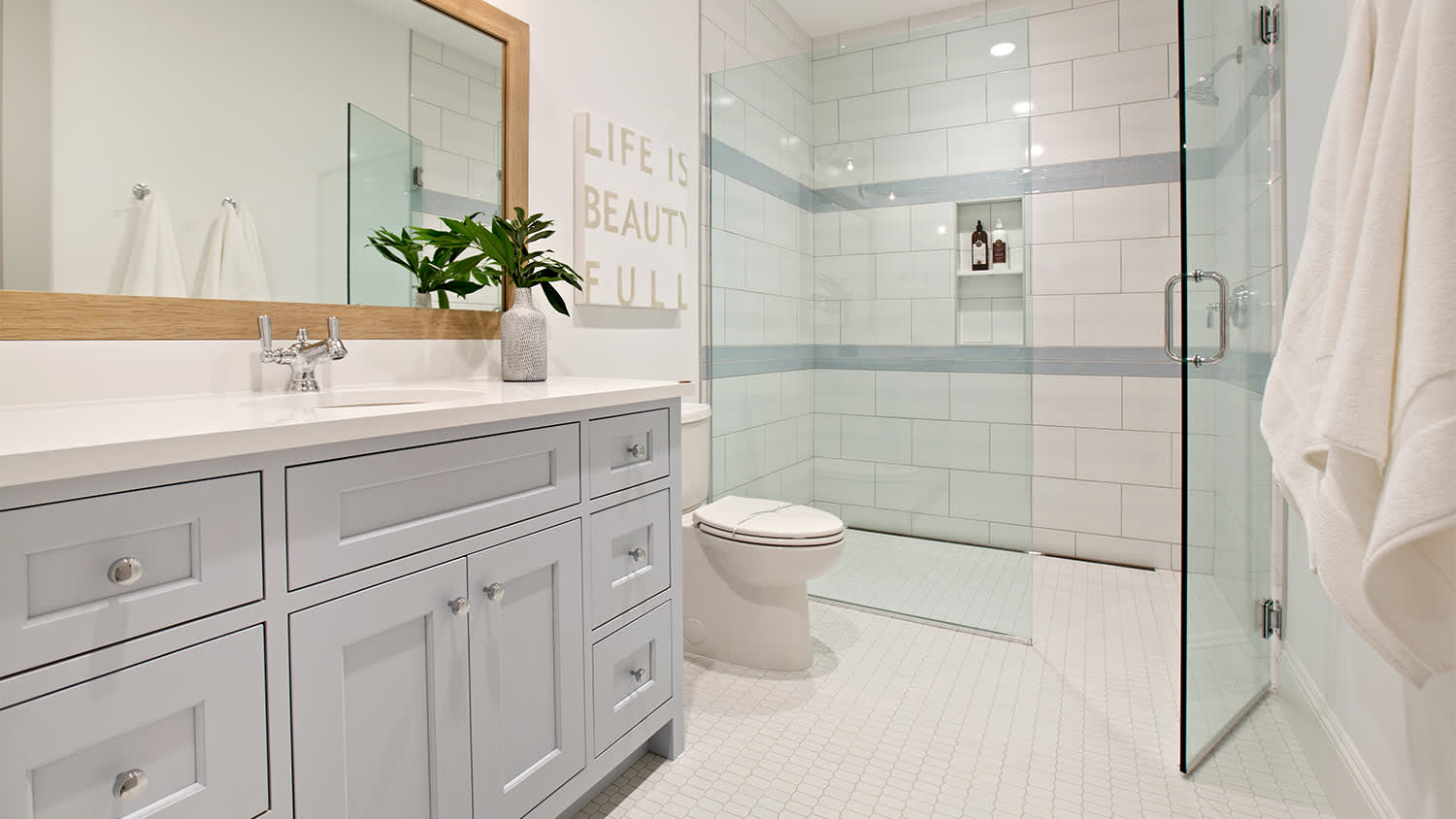
The cost to add a bathroom takes into account whether it’s a half or full bath, square footage, plumbing, electrical, and more. Read on for a cost breakdown.
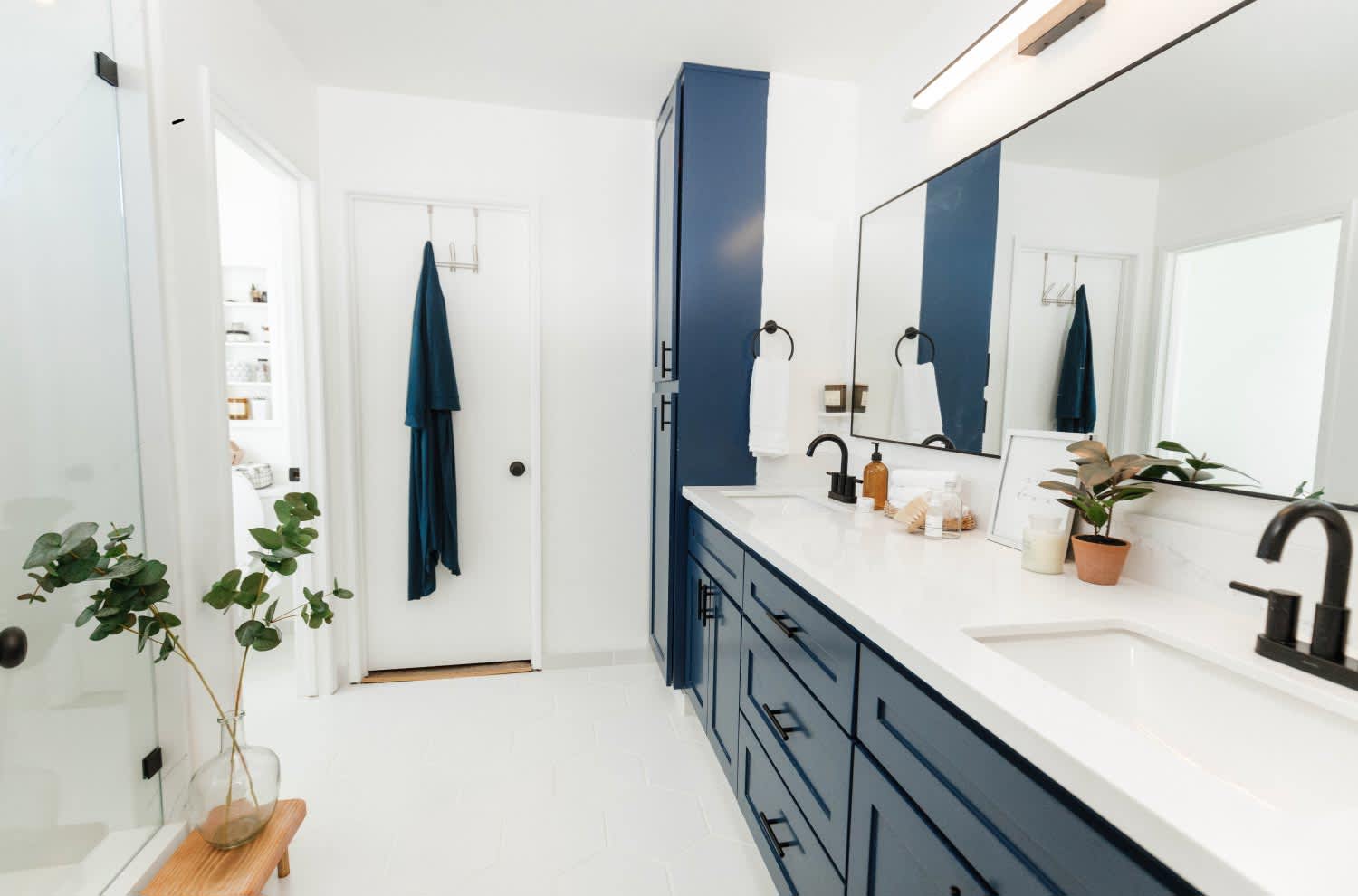
Remodeling your bathroom can add significant value to your home. Your bathroom remodel cost will depend on size, fixtures, materials, labor, and other factors.
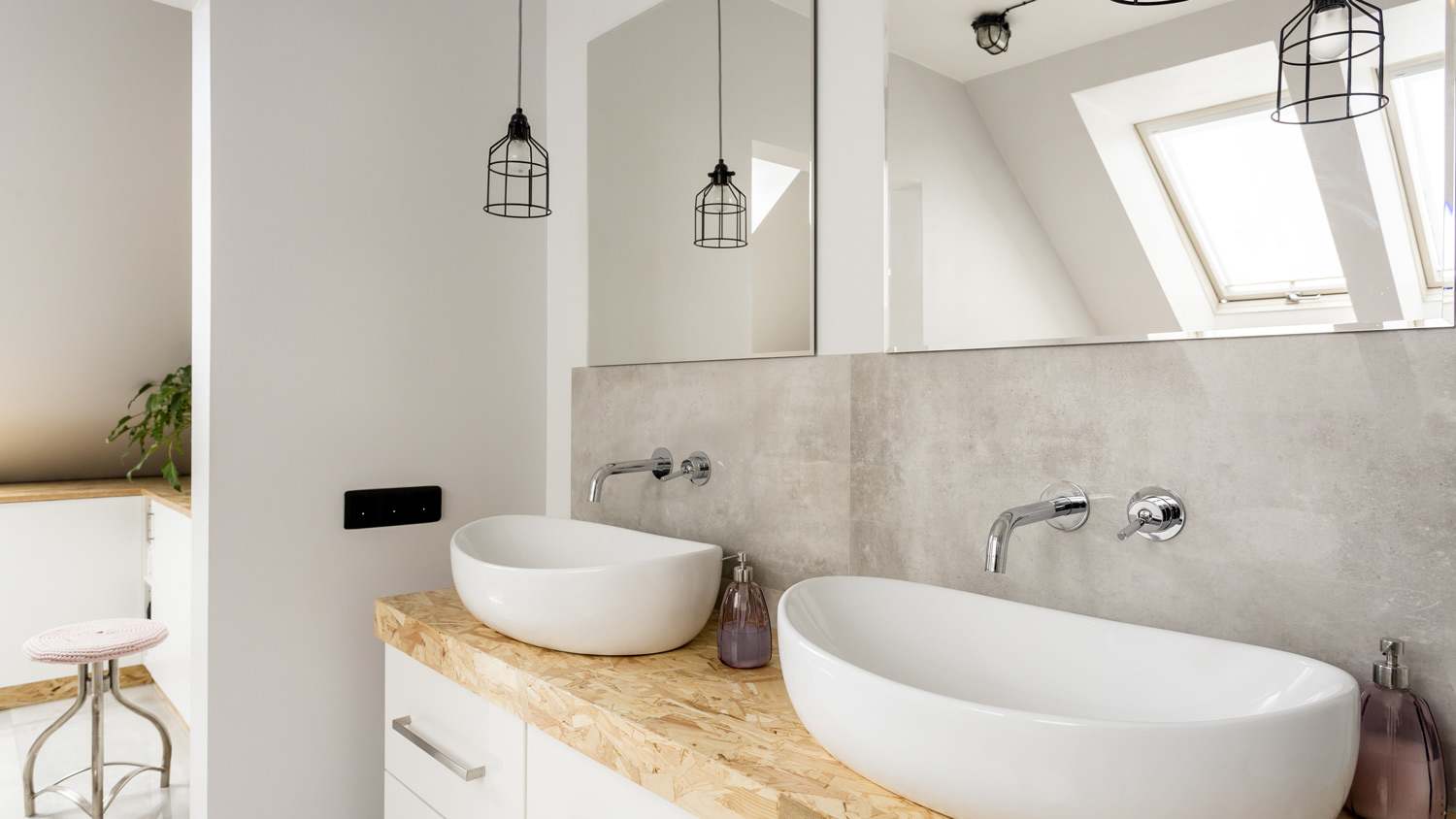
Need to hire someone for bathroom vanity installation? Learn how to find qualified pros, questions to ask, and what to expect from the hiring process.
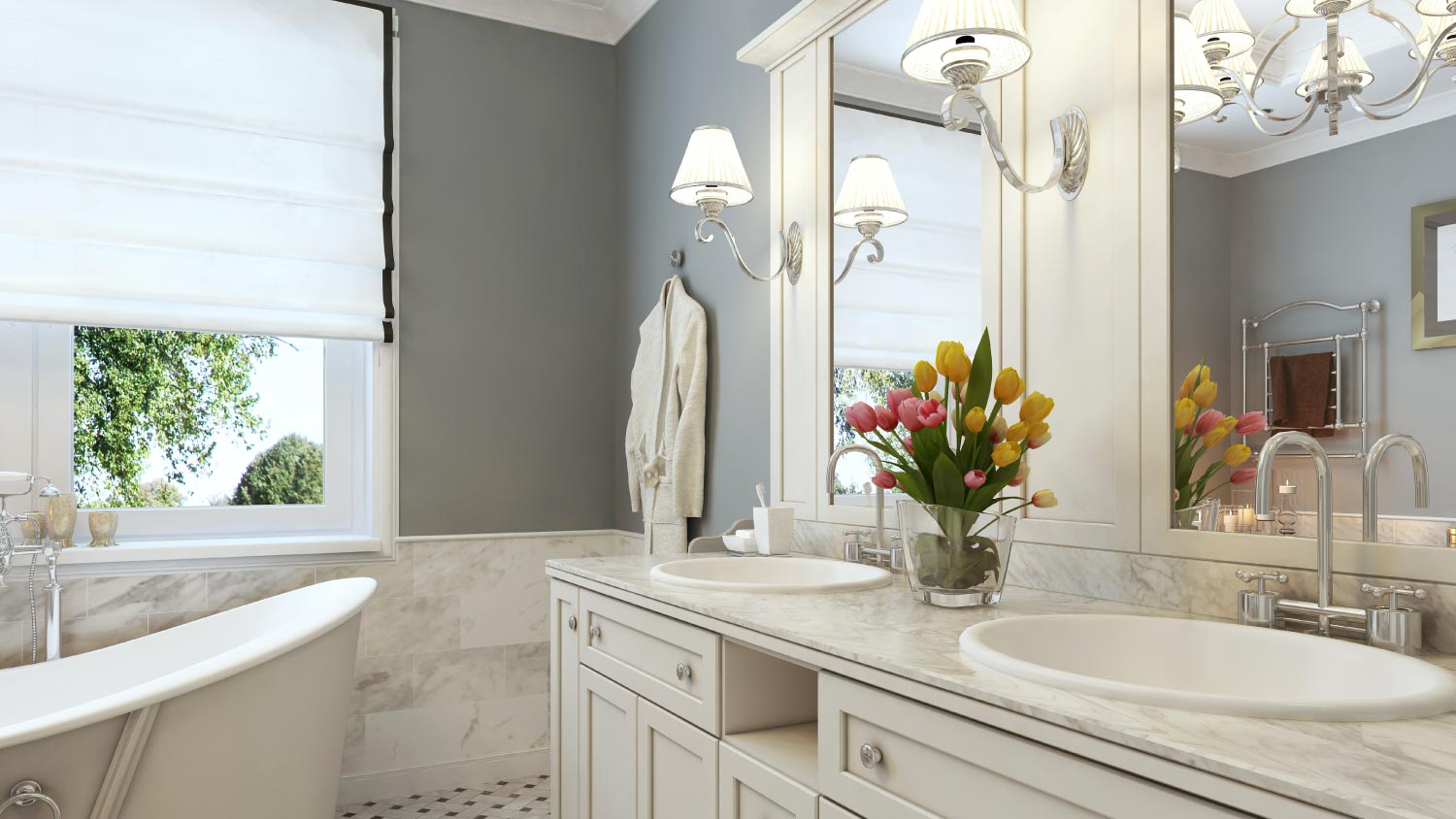
Ready to upgrade your bathroom? Get clued in on how to install a bathroom vanity so you can confidently take on this DIY job.
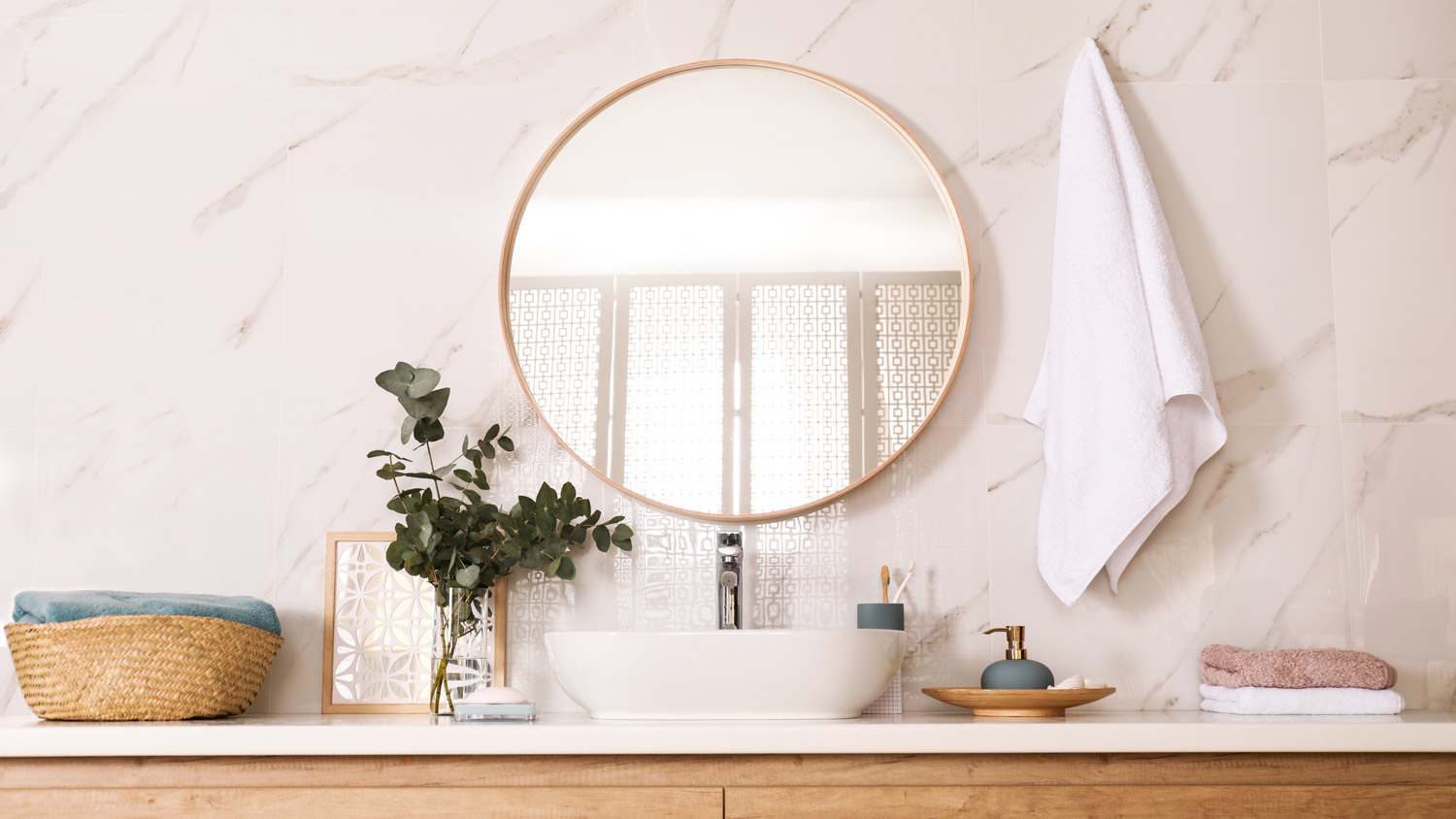
There are bathroom vanities for bathrooms of all sizes, from floating units to custom cabinetry. Find out which bathroom vanities are the best for your home.