
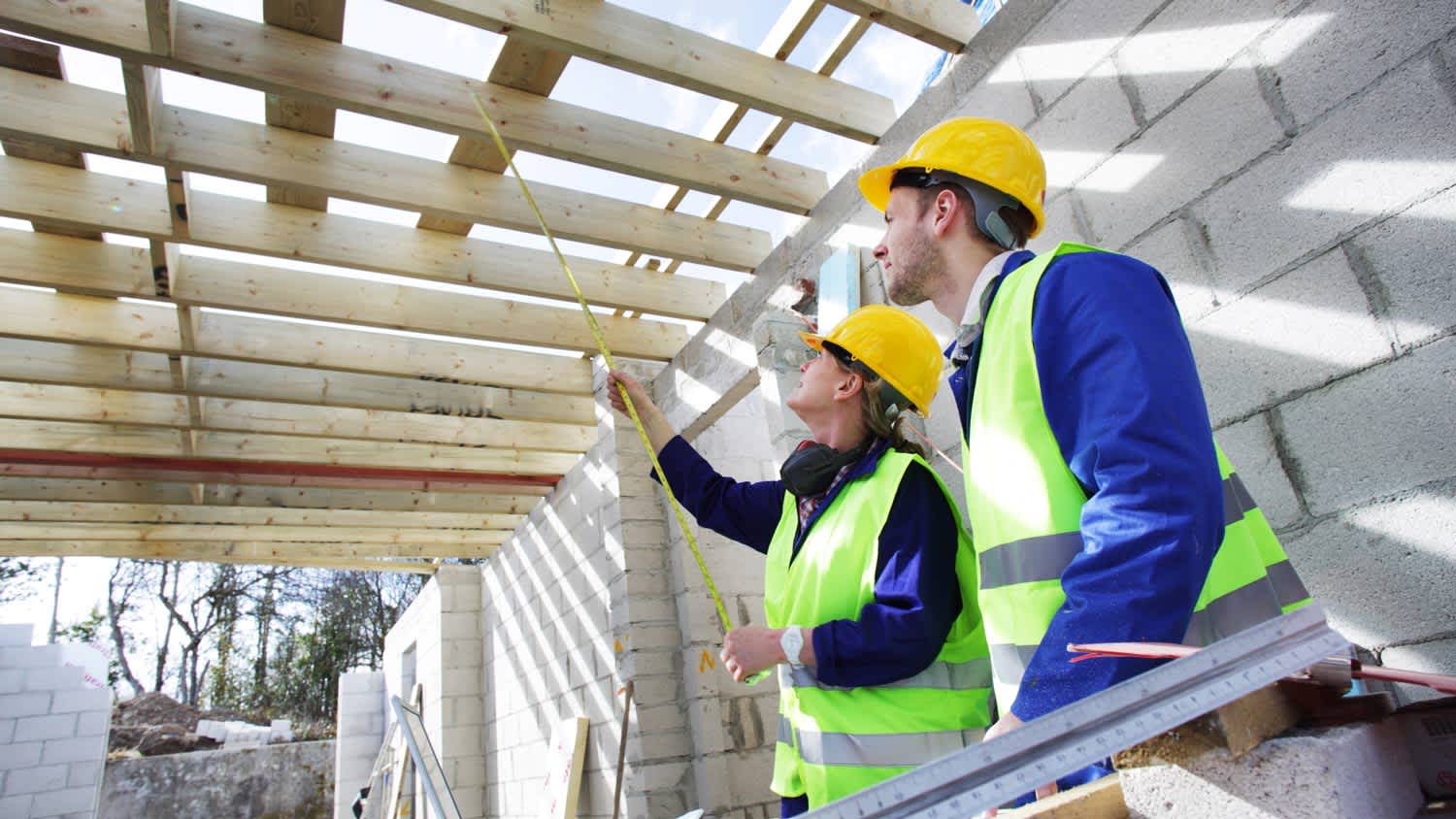
Building permits are essential. Here’s everything you need to know about building permit costs to budget accordingly for your building project.
A bit of paperwork might be the key to a successful project


Building permit requirements depend on your project, but structural changes, electrical work, plumbing alterations, and major repairs like roofing all require one.
Typical building permit costs range from $150 to $2,000, with an average around $1,600, though simple projects can cost as little as $10.
Skipping required permits can result in severe fines, project teardowns, insurance coverage denials, and complications when you sell your home later.
Hiring a local architect professional provides expert guidance through the permit application process and ensures your project meets all local building and zoning codes.
Renovating, remodeling, and building all signify the exciting start of something new in your home. However, it’s not all fresh paint, tile, and fixtures—you’ll also need to do some homework around any required permits for your project. While the rules and regulations about building permits vary depending on where you live, one thing is the same no matter where you go: skipping out on getting a building permit is a bad idea. Let’s break down what a building permit is, why you need one, how to get it, and the risks you face if you decide not to get a permit.
A building permit is an authorization form issued by local officials. This authorization is needed before you start any construction, be it a renovation or a build from the ground up.
On the 18th day of every month, the U.S. Census Bureau shares the total number of construction projects taking place. They can only report construction that has been authorized through a building permit.
That matters because lots of important folks watch that list. It’s a major economic indicator, as more projects happening means money is moving within the economy. That useful metric is part of why building permits are essential, but it’s far from the only reason.
Completing a project without a permit could result in major fines or having to tear it down and start over. A reputable contractor can pull the necessary permits for you prior to starting a project.

Being given a building permit means you and the contractors you hire agree to comply with zoning laws and construction ordinances.
When you follow those guidelines and ensure everyone on the site does, too, you are protecting them, yourself, and the house as a financial asset. Abiding by the building permit standards means you’re all staying as safe as possible.
Avoiding any shortcuts in building or construction can prevent damage to your project and may protect your resale value later. Having building permits means that a code-enforcement inspector will visit your site and sign off on things like framing, plumbing, electrical, or other work, guaranteeing it all meets code. "By having an inspector overseeing the work, you aren’t fully relying on your contractor and have additional oversight," said Matt DiBara, Expert Review Board Member and Owner of DiBara Masonry.
Not every project around your home requires a building permit, as you can usually do more “minor” tasks without one. If you put in a new lighting fixture or paint a room, you don’t have to apply for permits. Which projects require permits depends on the codes in the area where you live, so it’s always best to do your own research. Typical examples of projects that require building permits include:
Building or removing walls (i.e., structural changes)
Converting a garage to a guesthouse
Altering your home's internal plumbing
Replacing or making major repairs to your roof
Altering wiring or making electrical changes to your home
Demolishing any portion of your home
Building a porch or a patio
Screening in an existing porch
Altering or replacing siding on your home
Installing a pool or making structural changes to the poolscape
Building a retaining wall
Building or extending a fence (in some cases)
Rest assured that not all projects require building permits. Non-structural changes and renovations that avoid work on your wiring, plumbing, or HVAC can typically advance without the city's approval. Some examples include:
Interior painting
Installing DIY flooring
Finishing the floors
Tiling the floors or countertops
Refinishing the cabinets
Staining the porch or patio
Extending your garden
Replacing a door or window
Some small or temporary fences
Deep cleaning and power washing
Installing shelves and storage systems
Replacing plumbing or lighting fixtures
There are several risks if you don’t get a building permit. Firstly, it’s a great way of vetting your contractors. If a contractor refuses to file for building permits, it could indicate that they are unlicensed and, thus, not someone you want tackling this project for their safety and your home.
Building without a permit is a violation of the law. If you do it, you could face severe fines and fees. You might even have to tear down your project should you skip the important step of getting a building permit.
In some cases, selling your home with unpermitted work can cause issues at the sale and result in major credits to the buyer or even loss of the sale altogether, says DiBara. Many code violations resulting in non-permitted work don’t have an expiration date and can surface years down the road when other work on the home is being done.
In addition to fines, many insurance providers won’t cover projects without a building permit on record. That leaves you in a serious situation should your project or anyone working on it experience damage.
Each area is going to handle issuing building permits slightly differently. For example, pulling permits for a home addition will vary depending on where you live. The U.S. General Services Administration should be able to direct you to the appropriate guidelines for where you live. That said, here’s what the process looks like generally, so you’ll know what to expect:
Fill out a permit application: Once you’ve identified what’s required, gather your materials and file your application in person or online.
Get your site plan ready: This means hiring a contractor or architect to do design drawings so you can make it clear the project will meet building and zoning codes.
Schedule a plan approval meeting: Depending on the size and scope of your project, this can take weeks or months. The process becomes longer if the submitted site plans need revisions to meet code.
Get the physical permit: Do this before you build anything.
Schedule inspections: When you file for a permit, you agree to allow permit professionals to inspect the site. It’s not optional.
Complete your project: That doesn’t just mean a final coat of paint; it means getting an official sign-off from all the appropriate authorities.
Reach out to your local department of buildings to get more information on the specifics of the building permit application process.

Typically, the contractor you hire is responsible for applying for the building permits required. You may hear contractors refer to this as “pulling” the permits—this means applying for them.
The person who files for the permits for your build is responsible for making sure everyone abides by them. You can do it yourself, but if you have hired a contractor, you trust them, and they are more well-versed in construction and the building permit process itself.
That said, because contractors work hourly, you might want to take on the permit process to save some money. Of course, if the project is huge and you have no experience, you could make your life a lot more complicated. No matter who applies, the homeowner pays for the building permits.
Exquisite workmanship from Custom Paint Jobs LLC. My home has never looked better.
 Custom Paint Jobs, LLC
Visited my home for estimate same day that I called. Painted on Saturday. Great job. Good price!
Window Depot did an amazing job on my deck. I wasnt sure what I wanted to do, but their composite decking was affordable and will last a long time. I am excited to have family over, and I am no longer embarrassed by my backyard. Jeff and the ground crew were polite, respectful, and caring for...
 Window Depot USA of Central Ohio
The guys did an outstanding job and we had a great experience with CarifaTile. I appreciated that Joe reviewed the quotes with me and set expectations prior to the install. The crews showed up as scheduled and always left the areas clean upon leaving the house. We will definitely use...
 CarifaTile
Beginning with the estimate, Larry and Peyton were super helpful in getting my new condo's interior re-painted. Not only was the job well done, but also done in a super timely manner as promised.
 Five Star Painting of Plain City and Powell
BJ Trim Carpentry rescued me in the middle of a do-it-yourself project. I found I needed more expertise than I had...and more TOOLS! BJ Trim Carpentry responded quickly and completed what I needed expertly, politely and with a little humor!
This brownstone is historical and the carpentry work is very detailed. I was very happy to secure a company in NY and living in OH to complete the request. Wood work on this brownstone has been existing since approximately 1888 and West side did a GREAT JOB. I will not be able to...
 Westside Home Improvement
We had a great experience with Mark Rodgers Construction. We were in the process of seeking out estimates for possible foundation work for our front porch. Mark came out himself to provide the estimate. Turned out that the company deals mainly with concrete, so we wouldn't be getting an...
 Mark Rodgers Construction
Overall this experience was incredible! I looked on Angies List for a cleaning service because I was planning a holiday party and wanted to make sure we found a reliable, thorough and efficient cleaning service to make sure everything was perfect for the party since we had co-workers and...
From beginning to end our experience with Joe was very good. He was professional and prompt in his estimate for the job and worked hard to meet our schedule so that he could remove our old backsplash the day before our new countertops were removed and return shortly after they were removed to...
From average costs to expert advice, get all the answers you need to get your job done.
Building permits are essential. Here’s everything you need to know about building permit costs to budget accordingly for your building project.
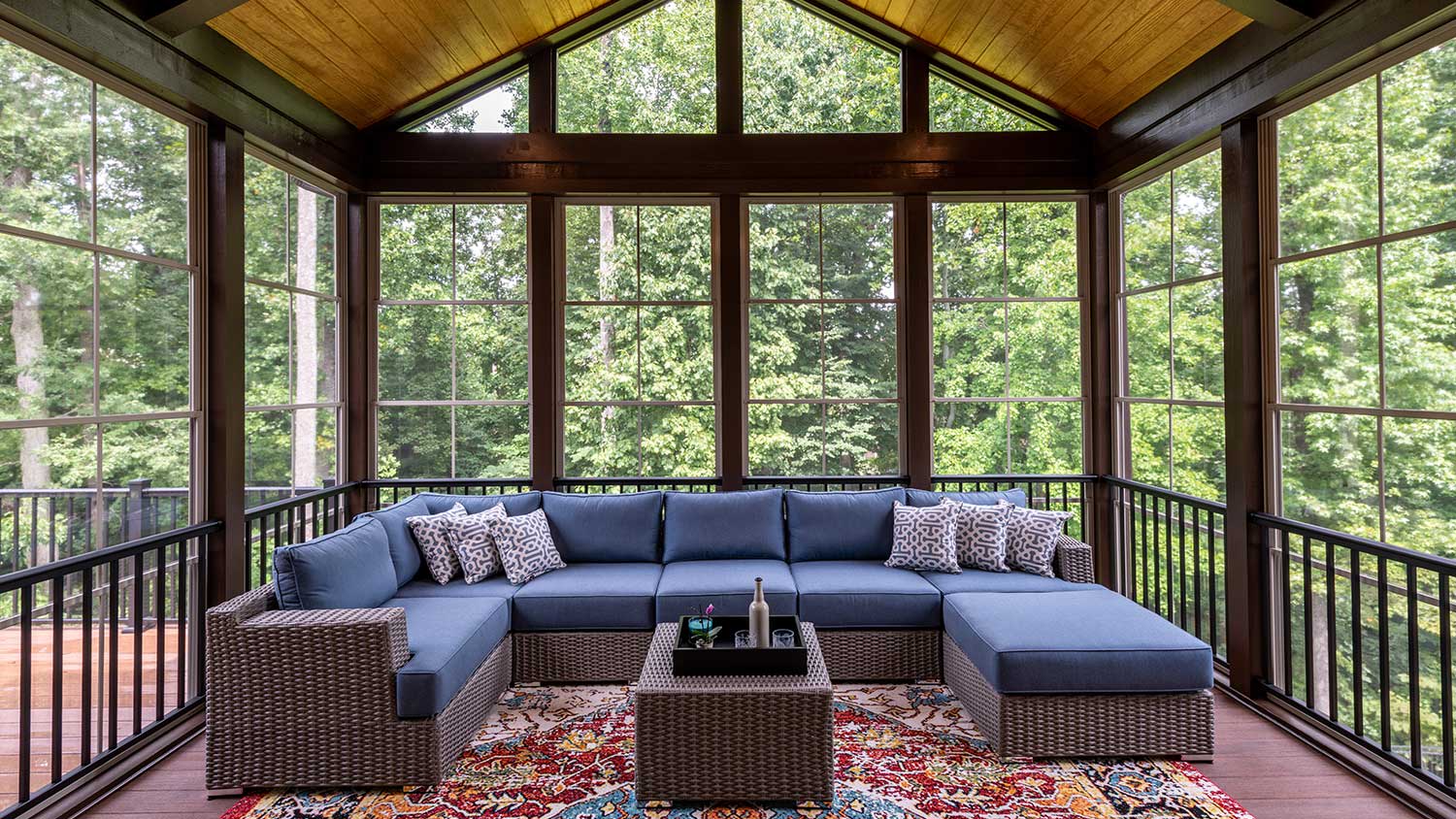
Most home projects that add or change the physical structure of your house, such as removing or adding a wall, require a building permit from your municipality.

Wondering what size deck you can build without a permit? Decks smaller than 200 square feet and lower than 30 inches above grade might not need one.
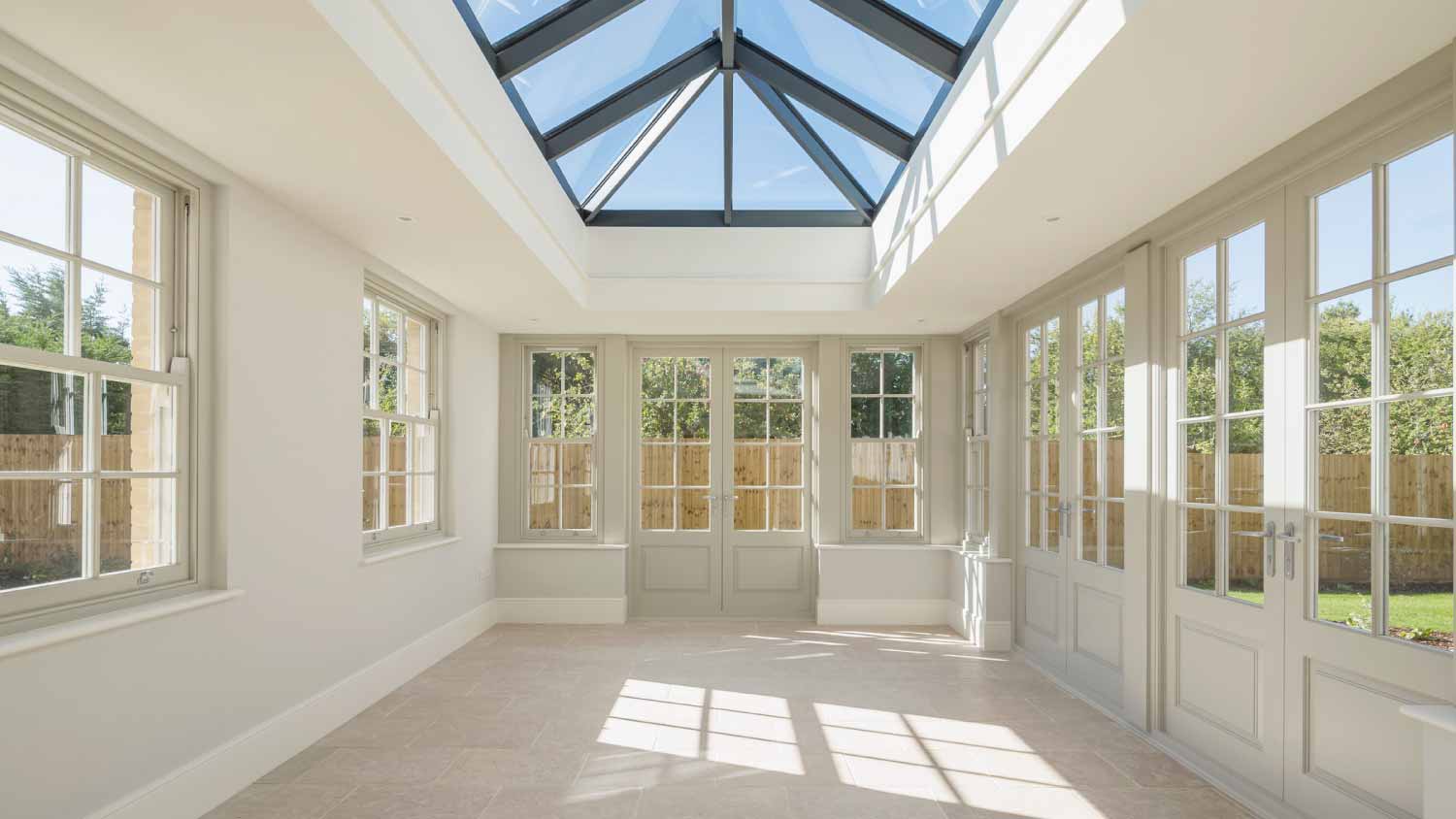
Adding a sunroom is a major construction project that requires a permit. Learn why a sunroom needs a permit and what can happen if you don’t obtain one.
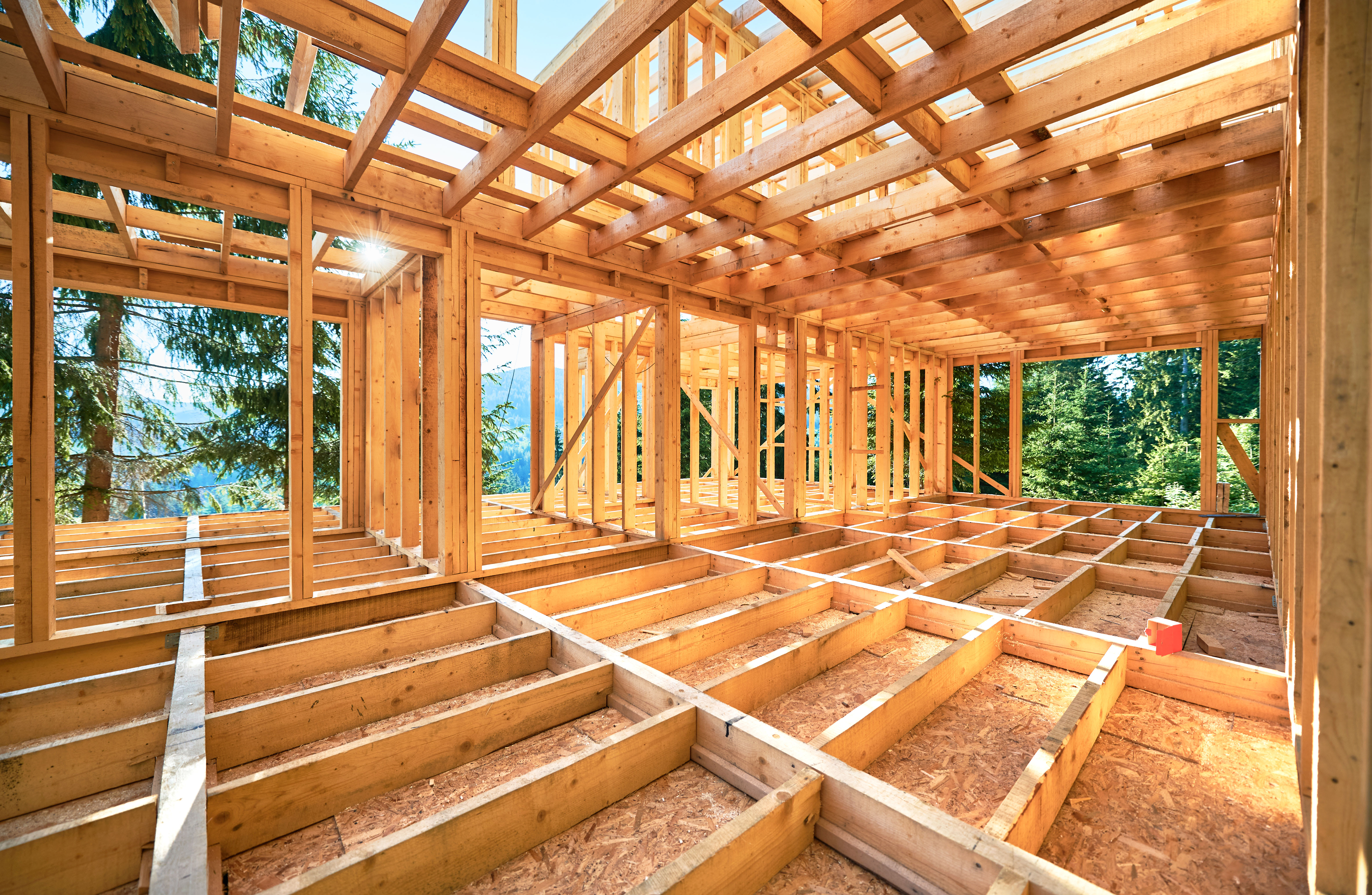
So, you've broken ground without getting the green light—what is the penalty for building without a permit? Here's why you need a permit ASAP.

Understanding the types of kitchen remodel work that require a permit and how to apply for one will help you avoid any complications or fines further down the line. Read this guide to understand all the important steps.