

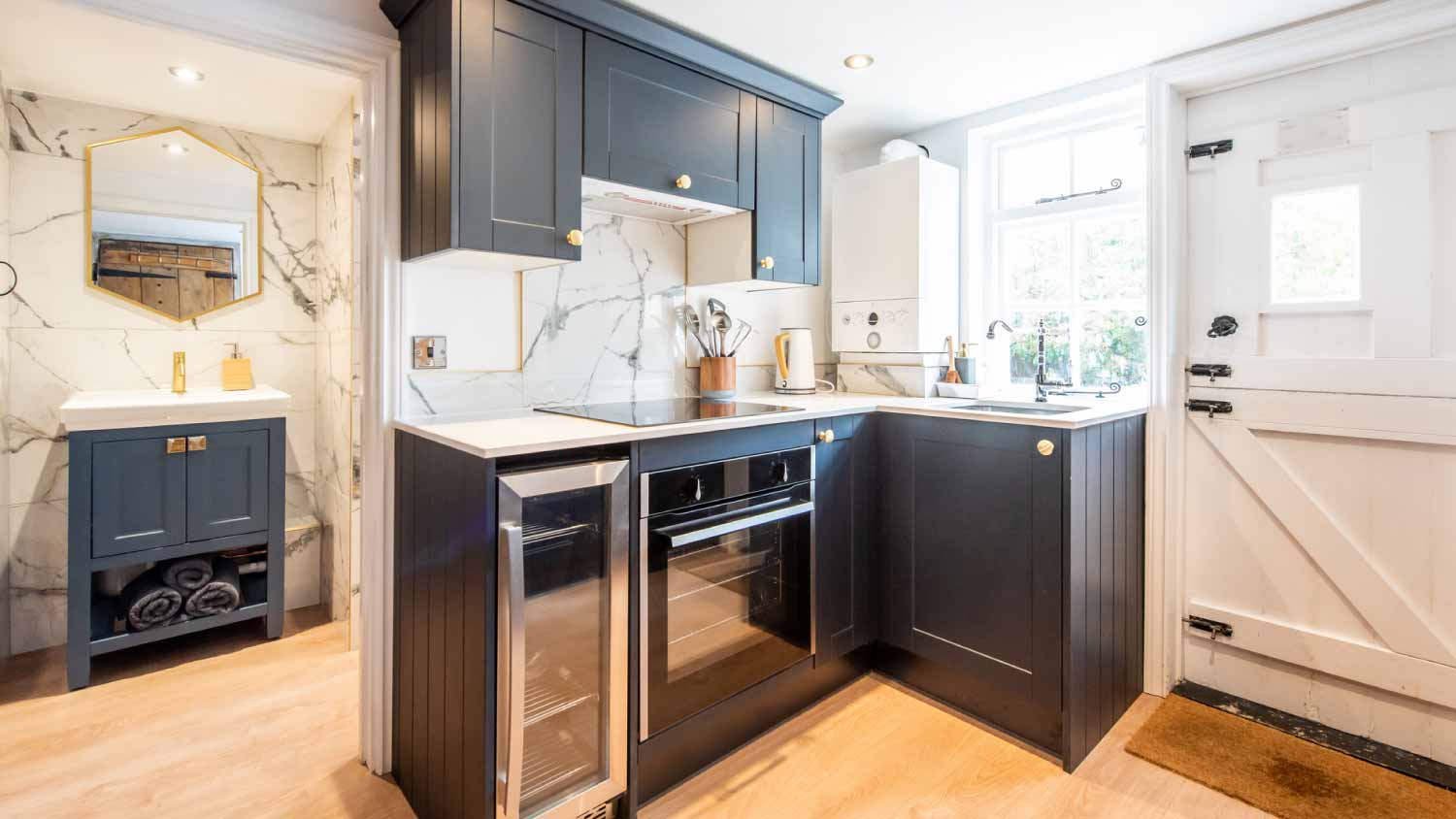
The cost to convert a garage to an ADU varies widely depending on many factors, from its size to the features you want to include.
Kitchen and bathroom remodel costs depend on your project and location. Check with a local pro for your specific job.

Building an ADU averages $180,000 but costs range from $40,000 to $360,000 depending on your ADU type and size.
Materials and labor consume the largest portion of your ADU budget, with design fees and site preparation also impacting your final total.
Building permits range from $1,350 to $9,000 depending on your location, and you should budget for post-construction cleanup and waste disposal fees.
Hiring a local home addition professional ensures your ADU meets all building codes and helps the property retain maximum resale value.
In 2026, the national average cost to build an accessory dwelling unit (ADU) is $180,000, with most homeowners spending between $60,000 and $285,000. This breaks down to $150 to $300 per square foot. Whether you call it an in-law suite, granny flat, or accessory apartment, an accessory dwelling unit is an excellent way to create extra living space with enough privacy for family members or rental tenants. This guide will help you budget for the job.

The type of ADU you choose is one of the biggest factors shaping your total project cost, with options ranging from basement and garage conversions ($60,000 to $150,000) to fully detached new construction ($110,000 to $285,000). Conversion projects tend to cost less because they use existing structure, while new construction—especially detached builds—typically sits at the higher end of the range. Here's a breakdown of average costs by ADU type, not including permits and other fees:
| ADU Type | Average Cost Range in 2026 |
|---|---|
| Basement conversion | $60,000–$150,000 |
| Garage conversion | $60,000–$150,000 |
| Attached new construction | $100,000–$216,000 |
| Above-garage construction | $128,000–$225,000 |
| Detached new construction | $110,000–$285,000 |
An ADU costs $150 to $300 per square foot on average, though some builds exceed $600 per square foot depending on materials and finishes. Most ADUs fall between 600 and 1,200 square feet, which is the typical range for a comfortable, code-compliant living space. Larger or more complex builds naturally push costs higher, while smaller footprints can help keep the project within a tighter budget. Here's how ADU costs break down by square footage:
| ADU Size (Sq. Ft.) | Average Cost Range in 2026 |
|---|---|
| 400 | $60,000–$120,000 |
| 600 | $90,000–$180,000 |
| 750 | $112,500–$225,000 |
| 1,000 | $150,000–$300,000 |
| 1,200 | $180,000–$360,000 |
Hiring a general contractor is a necessary part of building an ADU, and general contractors charge between 10% and 20% of the total project cost. That translates to $50 to $150 per hour or $300 to $500 per day, though most general contractors don't bill hourly. Instead, they typically apply a percentage-based fee that covers sourcing materials, managing subcontractors, and overseeing the entire build from start to finish.
Designing and constructing an ADU or home addition is a significant project that requires a wealth of professional expertise. Your general contractor isn't just responsible for getting the job done. They'll also need to find competent subcontractors, source materials, and manage the team.
Labor accounts for around 40% of your total ADU project cost, with specialized trades making up the bulk of that figure. Hiring an architect, plumber, and electrician typically accounts for about 20% to 30% of labor costs, while your general contractor covers the remaining 10% to 20%. Here's a breakdown of fees per contractor:
Architect fees: $125–$250 per hour
Structural engineer fees: $70–$250 per hour
Subcontractors: $150–$250 a day per additional helper
Electrician fees: $50–$100 per hour
Plumber fees: $45–$200 per hour
"There's a misconception that ADUs are easy, inexpensive, or simple to create, but they're just as complicated to build as a home addition. Sometimes, due to size restrictions, they can be even more challenging and costly to create than a normal home."
— Josh Rudin, Owner, ASAP Restoration LLC, Phoenix, AZ
Where you build your ADU directly impacts cost, primarily because labor rates rise with the local cost of living. That said, some states and cities offer financial incentives to offset those costs—for example, the California House Finance Agency (CalHFA) provides a limited number of grants of up to $40,000 to help cover predevelopment and nonrecurring closing costs. New York's Plus One ADU Program similarly helps homeowners build or improve ADUs on their property. Research your specific area before finalizing your budget to uncover any available aid or incentives. Refer to the table below for average ADU costs in a few locations:
| Location | Average ADU Cost in 2026 |
|---|---|
| Los Angeles | $150,000–$375,000 |
| New York | $135,000–$325,000 |
| Boston | $110,000–$285,000 |
| Indianapolis | $115,000–$250,000 |
| Chicago | $150,000–$350,000 |
| Atlanta | $110,000–$290,000 |

Building an ADU involves several costs beyond the base construction price, including land leveling and foundation work, as well as plumbing and electrical installation. Each phase of the project adds to your overall budget, and overlooking any one of them can lead to unexpected expenses. Planning these additional line items up front gives you a more accurate picture of what your ADU will actually cost.
Design fees alone will run 10% to 15% of your total ADU project cost. On a $120,000 project, that means setting aside $12,000 to $18,000 just for design work. Factoring this in early prevents sticker shock when you receive your first contractor quotes.
Materials are the single largest cost category in an ADU build, typically accounting for 45% to 50% of the total project cost. This includes lumber, sheathing, joists, roofing, windows, doors, trim, and more. Choosing durable, mid-range materials from the start can help you avoid costly replacements down the road.
Site preparation is a required first step before any ADU foundation can be built, and land leveling and grading to clear landscaping and trees costs $1,000 to $5,800 depending on the size of the area. Larger or more heavily wooded lots will push costs toward the higher end of that range. Getting a site assessment early helps you anticipate grading costs before breaking ground.
A concrete foundation costs $5 to $40 per square foot, with most standard 600- to 1,200-square-foot ADUs running between $2,400 and $30,000. Garage and basement conversions often skip this expense entirely since they use the existing structure. Above-garage ADUs, however, frequently require additional structural support, which can add to your foundation budget.
Framing an ADU costs around $25,000 on average, with 1,000 board feet of lumber running $350 to $500. Metal framing is a durable alternative, but expect to pay roughly 10% more than standard wood framing. If longevity and resistance to moisture or pests are priorities, the added cost of metal framing can be worth the investment.
Finishing your ADU typically runs $10 to $60 per square foot, but high-end materials and quality appliances can push that figure to over $150 per square foot. The cost to finish a basement converted into an ADU ranges from $3,500 to $34,500, depending on the scope of work. Insulation, drywall, flooring, ceilings, stairs, fixtures, and appliances all factor into your finishing budget.
Every ADU must include electrical, plumbing, and HVAC systems to meet code, and these three systems cost $3,400 to $10,400 on average. Local and state regulations may impose additional requirements—for example, California mandates solar panels on new ADUs. Here's the breakdown of each system:
Running electricity cost: $1,000–$3,800
HVAC system cost: $6,000 for a small furnace and AC unit
Plumbing system cost: $900
Solar panel system cost: $2,500–$3,500 for a standard 2.5 kW solar panel (optional, depending on where you live)
Building permits average $1,350 nationally, but your location can significantly change that figure. In California, ADU permits are priced at $10 to $12 per square foot, which means a 750-square-foot ADU will cost between $7,500 and $9,000 in permits alone. Researching your local permit requirements before finalizing your budget helps you avoid a costly surprise mid-project.
Post-construction cleanup costs $0.10 to $0.50 per square foot, which translates to $60 to $600 for a standard-sized ADU. Larger or more complex builds tend to generate more debris, pushing costs toward the higher end of that range. Budget for this line item early so it doesn't catch you off guard at the end of the project.
Waste disposal after an ADU build runs $100 to $600, with full truckloads pushing costs to the top of that range. Renting a dumpster costs $300 to $800 per week and may be an additional expense if you need to store post-construction waste before hauling it off. Factor both cleanup and disposal into your budget as separate line items to get an accurate final cost.

Prefab ADUs come fully constructed or in partially constructed kits, similar to modular homes, container homes, or yurts. The main benefit is the cost—you can save up to 20% on the project cost if you go with a prefab ADU. In addition, prefabricated home retailers have clear-cut price estimates and still allow for some customization, helping you limit surprise expenses while creating a place that feels like your own.
If you're building a custom ADU from scratch, it's best to hire a local home addition builder or general contractor who builds ADUs. Handy homeowners may be able to DIY a prefab ADU, but you may still need to hire pros to run utilities so they're code-compliant.
Hiring a pro can save you time and frustration—here’s why:
Building an ADU can be as complex as building a house, but on a smaller scale, and pros have experience with the process from beginning to end.
A licensed builder has the equipment and tools needed for excavation and building.
Builders have relationships with subcontractors and can streamline the building process and coordinate with everyone involved.
A builder will ensure your ADU complies with all local regulations and codes.
Builders can complete the job efficiently, saving time and keeping things on schedule if unexpected challenges arise.
If you’re confident in your DIY skills, here are some things you can do to be involved in the process:
Build a prefab ADU from a kit
Install doors, windows, fixtures, flooring, and other features after the ADU is framed and built
Landscape around the ADU and install outdoor lighting
Build a porch, deck, or patio for the finished ADU
With the high investment involved in building an ADU, you might want to find ways to save on the cost of your project. Here are three ways you can save:
Choose a prefabricated design instead of a custom design.
Pick long-lasting materials like metal framing and good insulation for a strong and durable structure.
Avoid unnecessary add-ons, like upgraded appliances and crown molding, when finishing your ADU.
Since ADUs create more livable space on your property, they add value to your home like an addition. A study from the National Association of Realtors® found that ADUs add an average of 35% to a home’s value, but it depends on the area.
According to the study, ADUs held the most value in large cities, and some areas even saw homes with ADUs listed for 200% more than average. However, ADUs with homes were listed for less than average in some areas, so be sure to research your area.
If you're planning to build an ADU, it’s a good idea to talk to a realtor to get a sense of what’s desirable in your specific area.
Be prepared to let the pro know what size, features, and style you’re looking for in an ADU.
Find out if there are specific zoning or building regulations that may limit your options.
Ask about the project’s timeline and what disruption to your home or property you should expect.
Discuss your budget and how it should be allocated.
Home is the most important place on earth, which is why Angi has helped more than 150 million homeowners transform their houses into homes they adore. To help homeowners with their next project, Angi provides readers with the most accurate cost data and upholds strict editorial standards. We extensively research project costs to develop the pricing data you see, so you can make the best decisions for you and your home. We rely on reputable sources, including the U.S. Bureau of Labor Statistics, academic journals, market studies, and interviews with industry experts—all to ensure our prices reflect real-world projects.
Want to help us improve our cost data? Send us a recent project quote to [email protected]. Quotes and personal information will not be shared publicly.
Jason has helped me with multiple household projects, with the most recent being new door installation. He has always showed up on time and organized and has done an incredible job! Jason is very professional and he's now my go-to for anything around my house that needs to be fixed or...
 Huff Garage Rescue, LLC
Cole has been handling plumbing and general contracting for our four properties over the past three years, and he’s always done a great job. Most recently, he installed a sink and countertop in our retail store where none existed before, and it turned out exactly how we needed. He’s...
 ANB Renovations LLC
1st Choice Renew is simply the best! We hired them for a complete home renovation, and they transformed our space into something truly amazing. The team attention to detail and commitment to quality were evident throughout the project. They were easy to work with, very responsive, and always...
 Save A Dime
This company went above and beyond with their work, chimney sweeps are usually pretty messy, but the clean up was spot on.!! Josh explained every thing that he was doing, and the things that he was checking to make sure the chimney was safe for me and my family. He was very professional,...
 Supreme brick & chimney
Custom Paint Jobs LLC turned our outdated bathroom into a modern masterpiece.
 Custom Paint Jobs, LLC
Excellent customer service and knowledge. I was recommend to him from my neighbour. My front door and window came in great and were installed beautifully perfectly, I m very satisfied with their excellent work, so decided to order one more big bow window for my living room. I cant wait for...
 Window Depot USA of Central Ohio
If I could give 10 stars for Kitchen Tune Up, I would. I cannot say enough good things about my experience with Kitchen Tune Up and the entire team involved in the process of my kitchen project. They went above and beyond as far as service and quality with my cabinets, paint, countertops, and...
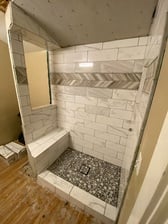
It was wonderful working with Yordy and his team. They were very professional and are experts in what they do. They have completed the work on time, with better quality and with in fairly reasonable price. We just started with backsplash work , but liking his work, we went on to provide...
 Flooring Solutions
We were having 2”x 2” tile installed . There was a small installation error and the new additional replacement tile was from a different lot and the colors didn’t match. Joe assured us that he would rectify everything , which he did without hesitation. We decided to go with the 18” x 36” tile...
 CarifaTile
They work that 360 did on my kitchen cabinets is nothing short of amazing. I still cannot believe the difference from before and after. Jon and Jeff were both so incredibly professional throughout the whole process and their communications with me were constant and consistent. These guys...
 360 Painting Columbus
From average costs to expert advice, get all the answers you need to get your job done.
The cost to convert a garage to an ADU varies widely depending on many factors, from its size to the features you want to include.
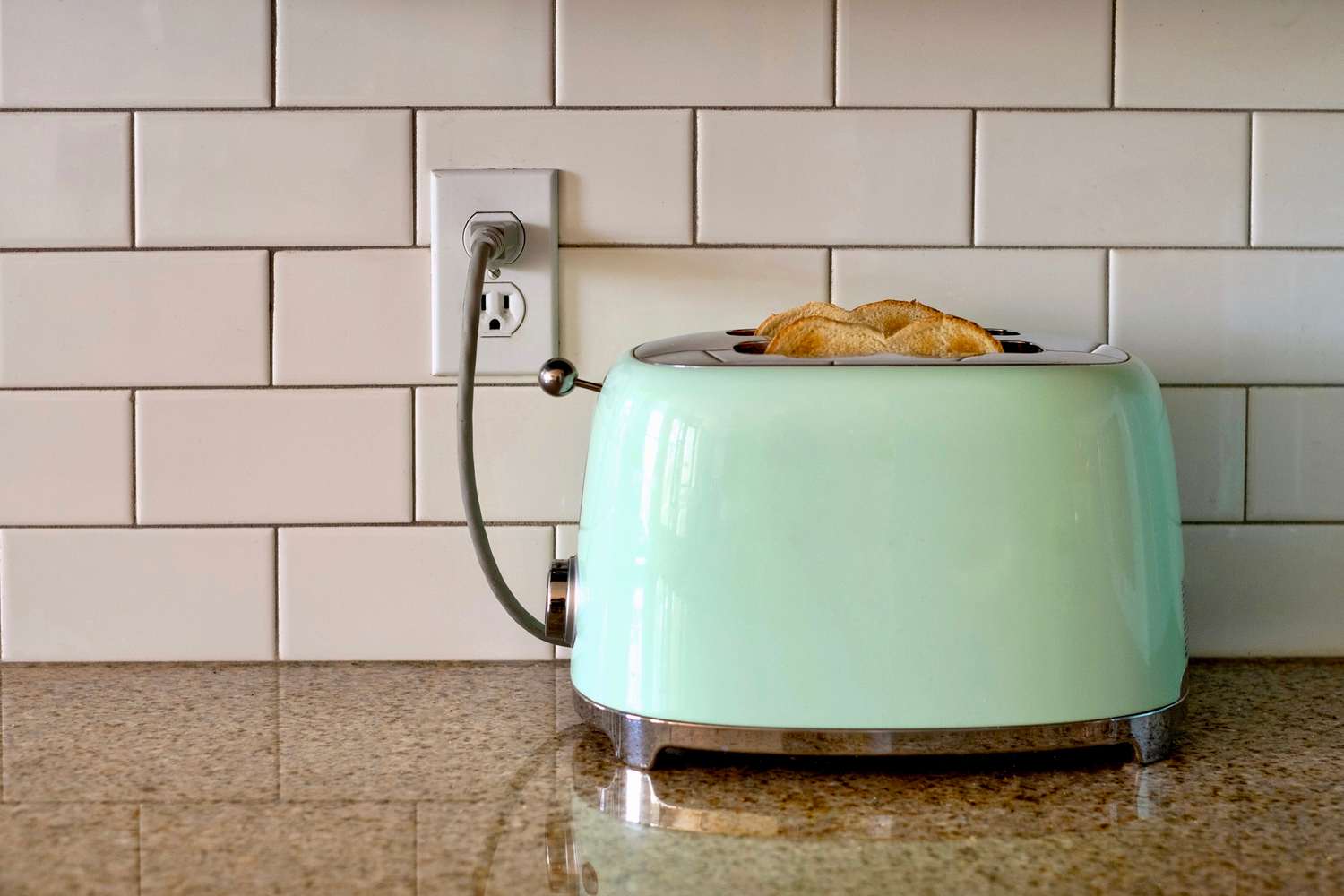
The average cost to install an electrical outlet is $133 to $296 each. This guide explains what factors impact the total cost of installing an outlet.
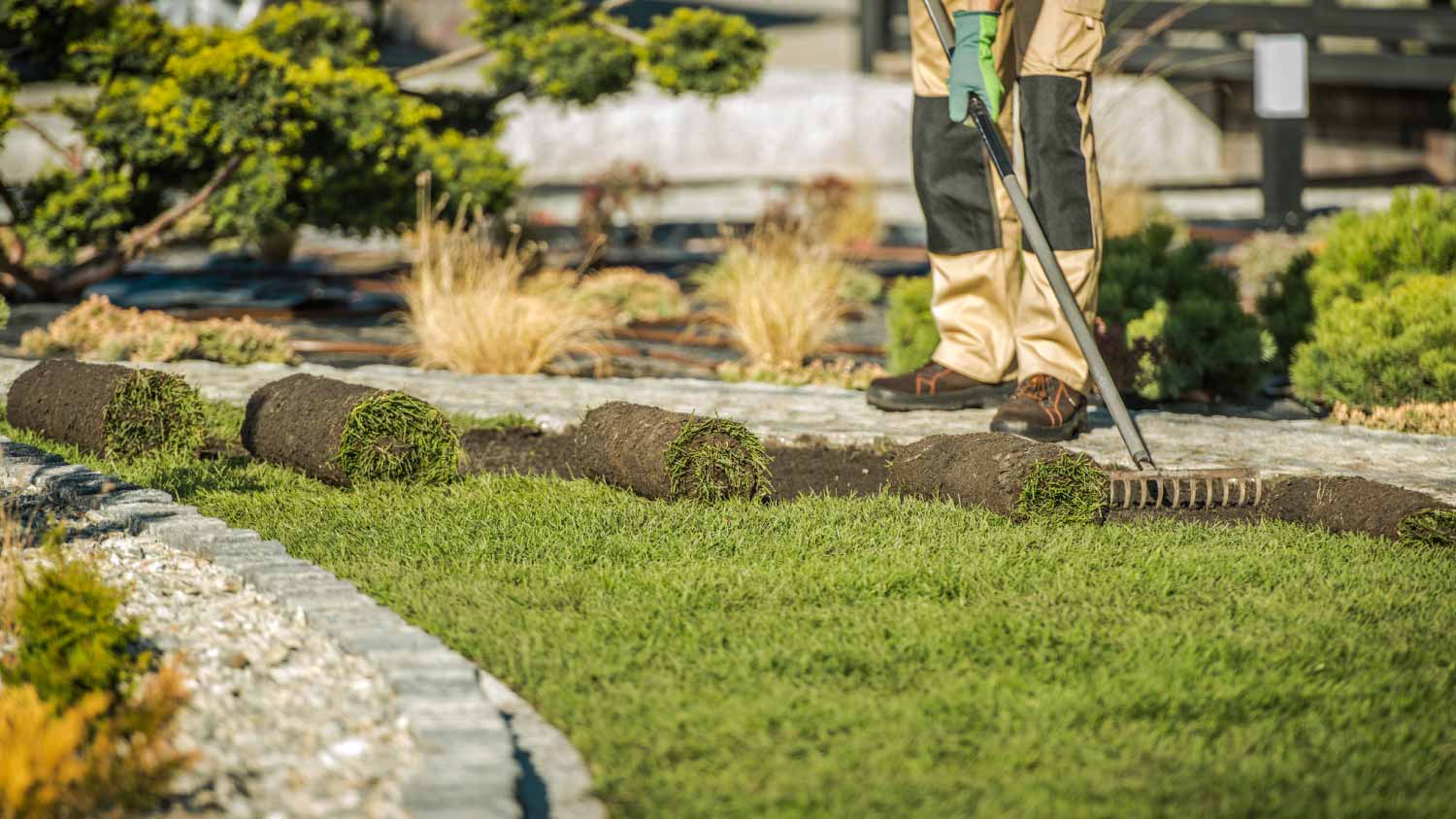
What are average sod installation prices? Learn how much sod costs based on factors like square footage, land prep, land condition, and more.
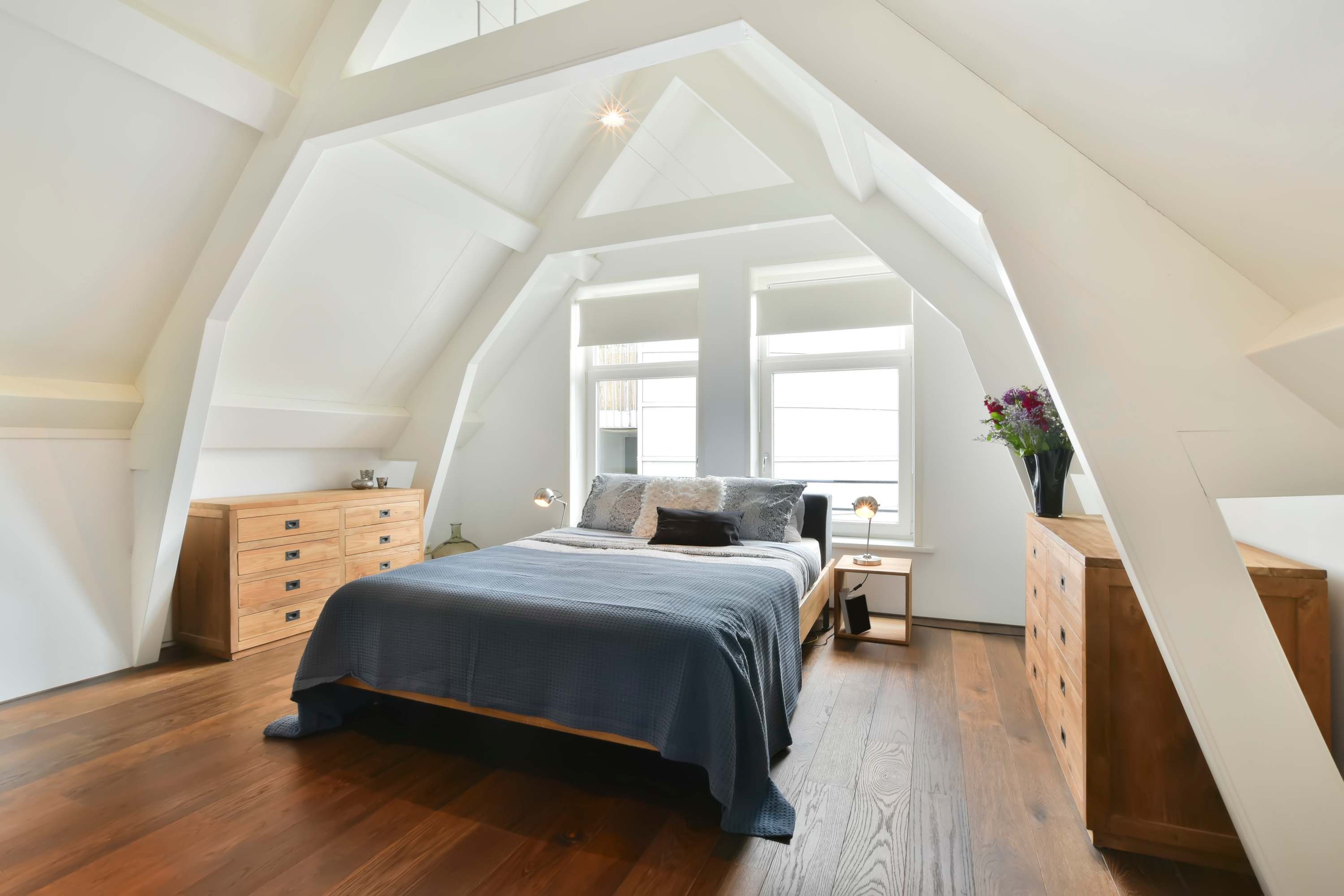
An accessory dwelling unit can provide private space for guests or tenants. Learn about the types of ADUs and how they compare to decide which is best.
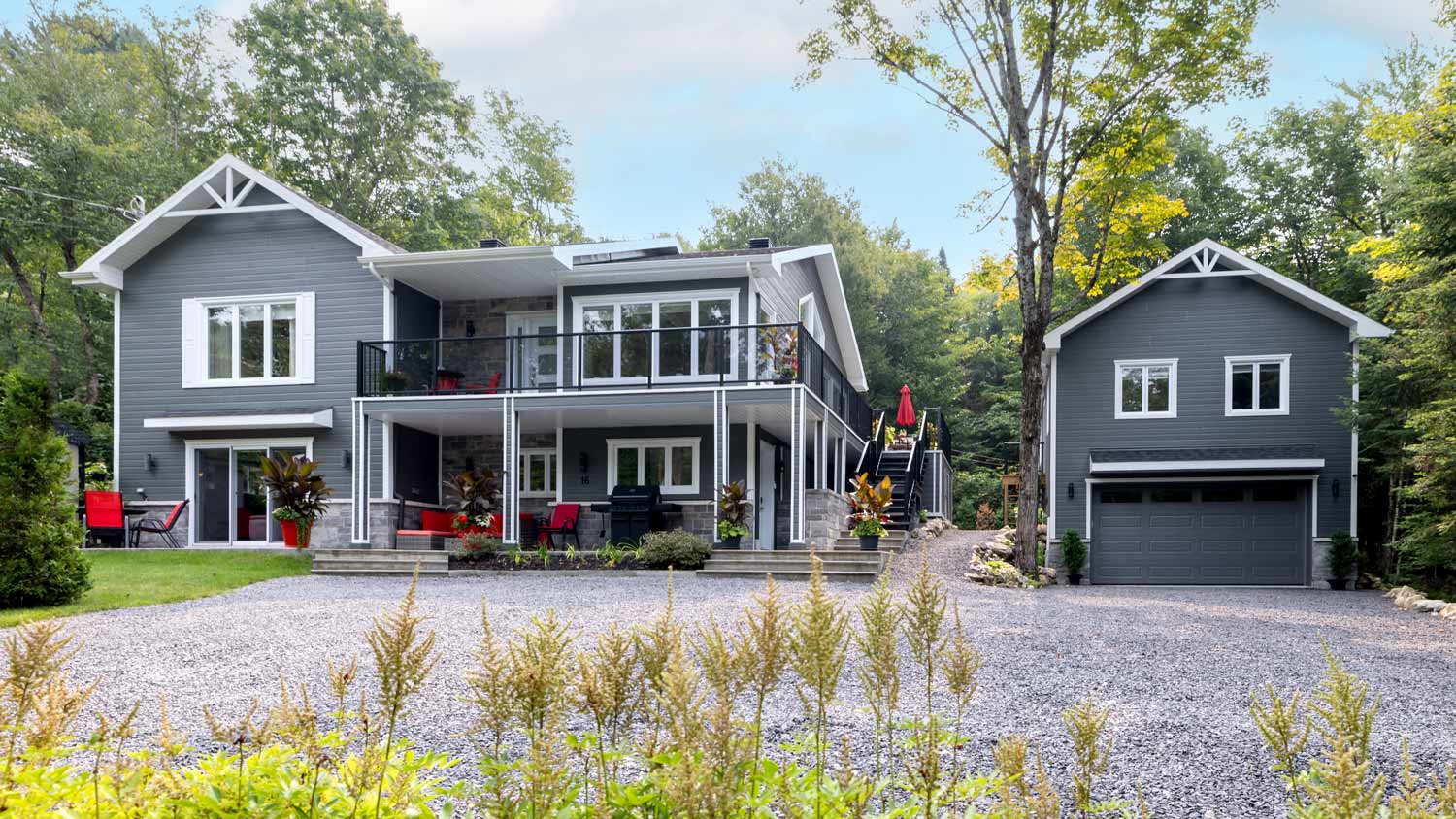
Thinking about building an ADU in or around your home? Learn how much value an ADU adds and whether or not it’s worth the investment in the long run.
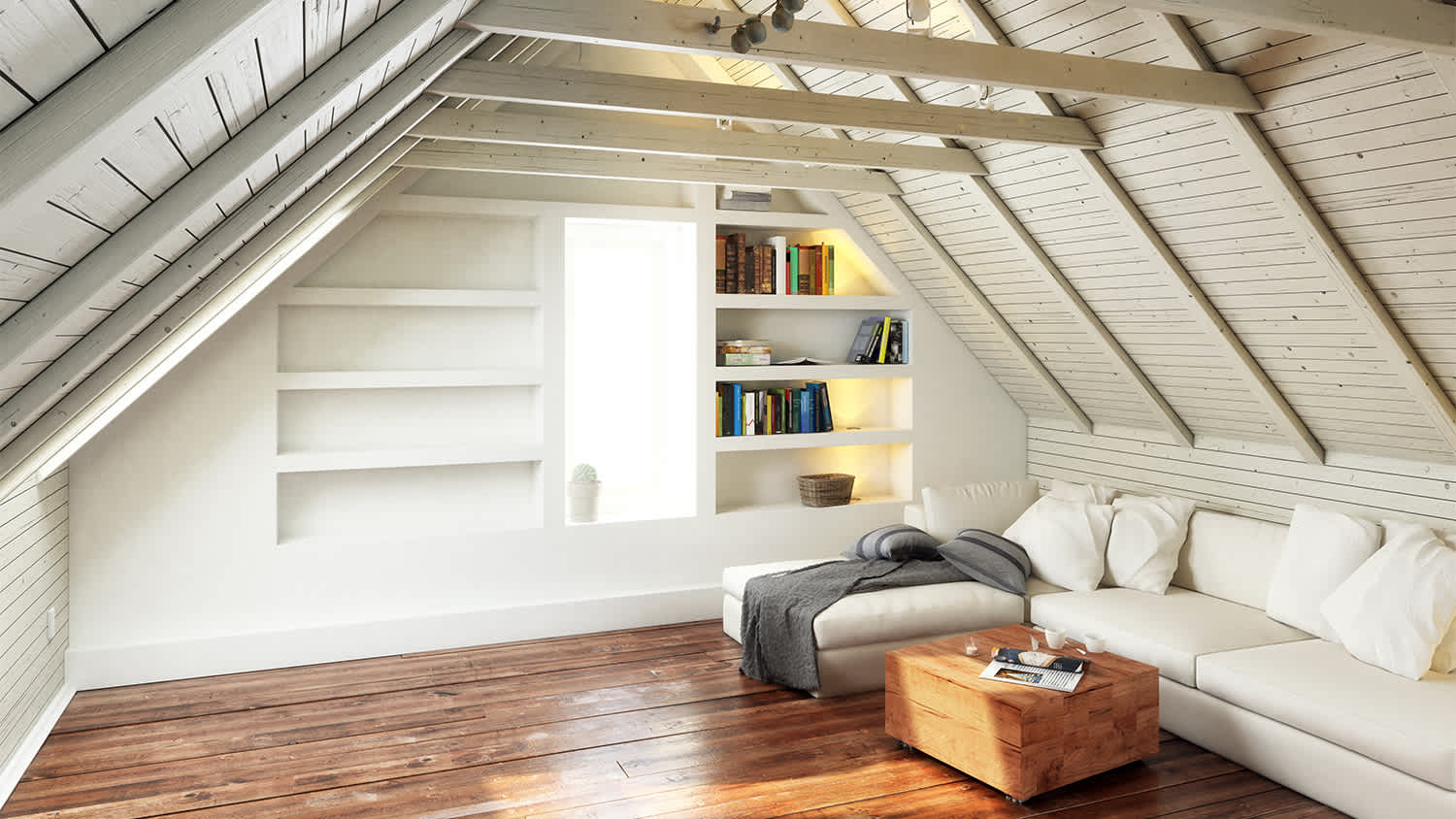
If you want to extend your living space, consider building an accessory dwelling unit or ADU. Learn more about the definition of ADU, its types, cost, and more.