
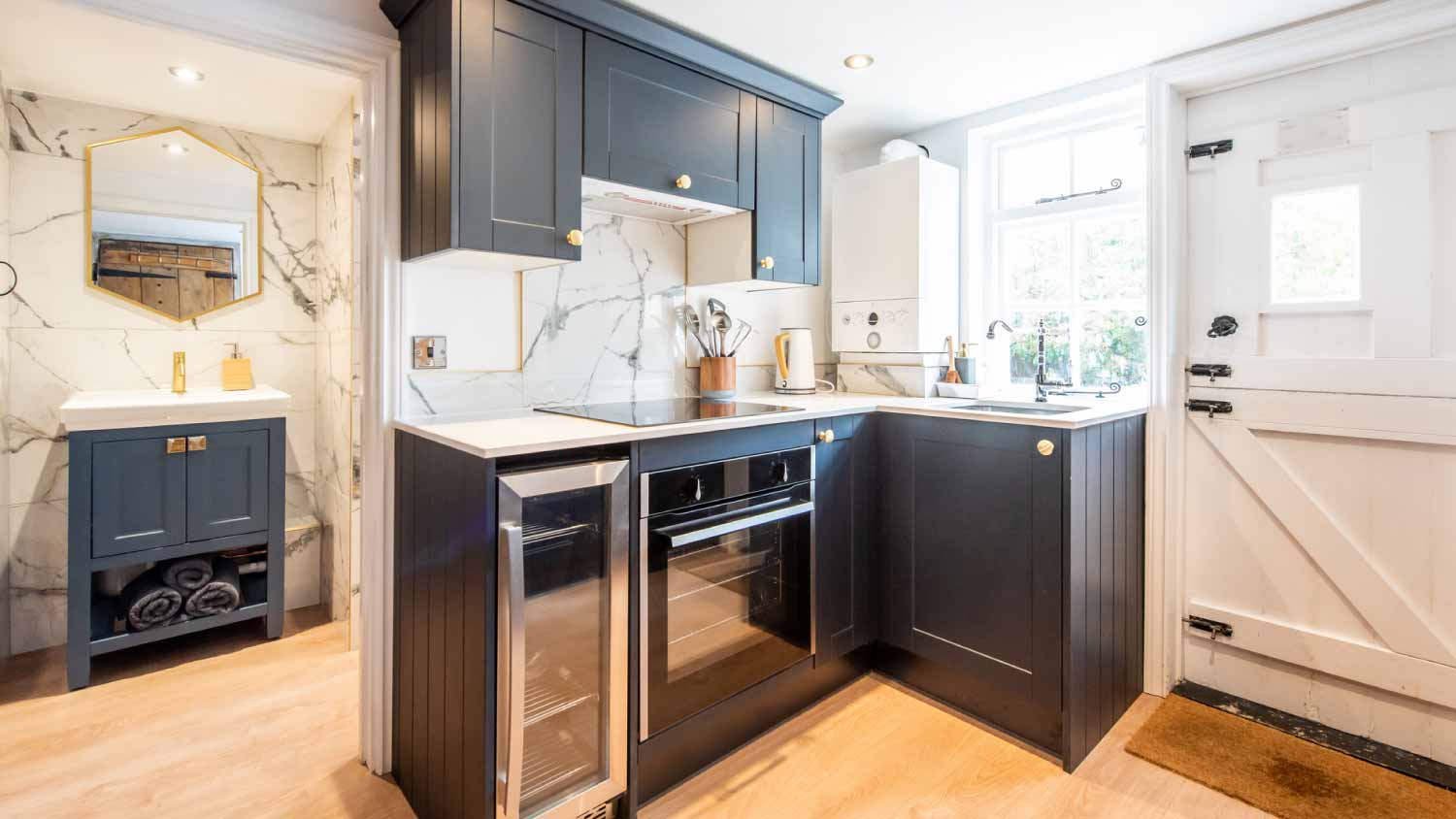
The cost to convert a garage to an ADU varies widely depending on many factors, from its size to the features you want to include.
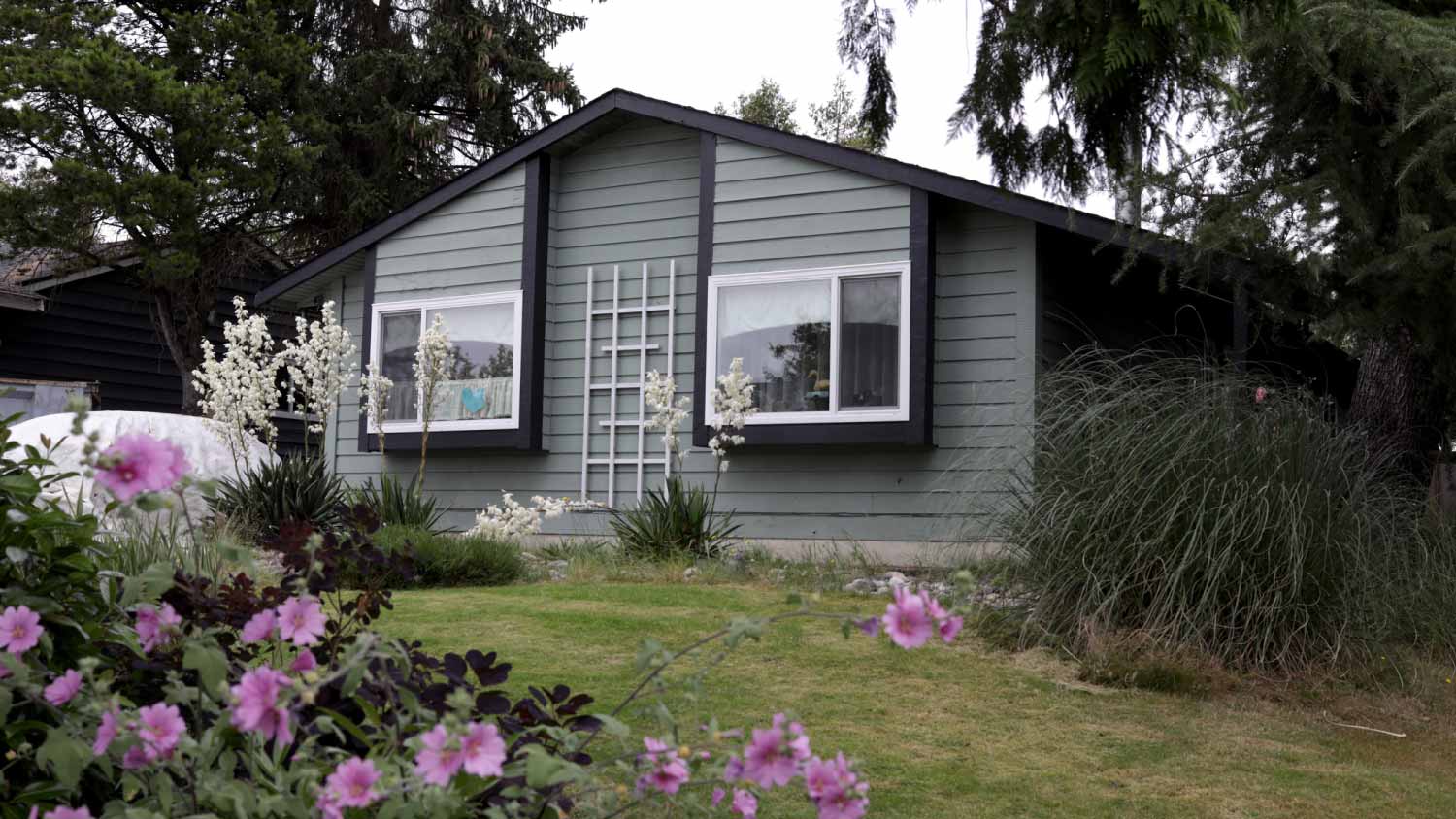
An ADU can be a stand-alone unit, attic apartment, granny flat, or guesthouse

Accessory dwelling units are secondary homes on your property, ranging from 600 to 1,200 square feet and including detached structures or internal conversions within your main residence.
Building an ADU costs $40,000 to $125,000 for detached units, while garage conversions range from $20,000 to $60,000 and basement or attic conversions cost $10,000 to $100,000.
Check your local zoning regulations before starting construction, as every city has different ADU rules on square footage, parking requirements, and occupancy limits that affect your project.
Hiring a local home addition professional keeps your ADU project on track with proper permits, zoning knowledge, and construction expertise for detached or attached units.
Accessory dwelling units (ADUs) are a great option for extended families who need a little more space (and privacy) to keep things comfortable and those interested in making a little extra cash by setting up a short-term rental. Whether you're primarily interested in adding an apartment for your in-laws, a rental unit that's proximity makes it easy to manage, or a stand-alone office or studio where you can achieve the peace and quiet you need to work effectively, it's important to know the difference between ADU types and how your municipality governs them. Read on to learn more about ADUs, their benefits, and the cost of building one.
Accessory dwelling unit (ADU) is a term used in real estate for a secondary apartment or house located on the same lot as the primary home. These spaces range from 600 to 1,200 square feet and can be a basement apartment, in-law suite, or a second suite. It can also take the form of a separate structure, such as a guest house or rental property.
The owner of the ADU is always the owner of the main home. An ADU cannot be bought or sold separately regardless of its physical form.

The type of ADU depends on the size and location of the property. For example, larger properties have more room to accommodate a detached unit, while homes on smaller lots might only allow an interior ADU. Here are the main types of ADUs and their features:
A detached ADU is a stand-alone unit, separate from the main house. This structure must sit on foundations or a platform and have utility hook-ups and mechanical appliances (e.g., furnace, water heater, etc.).
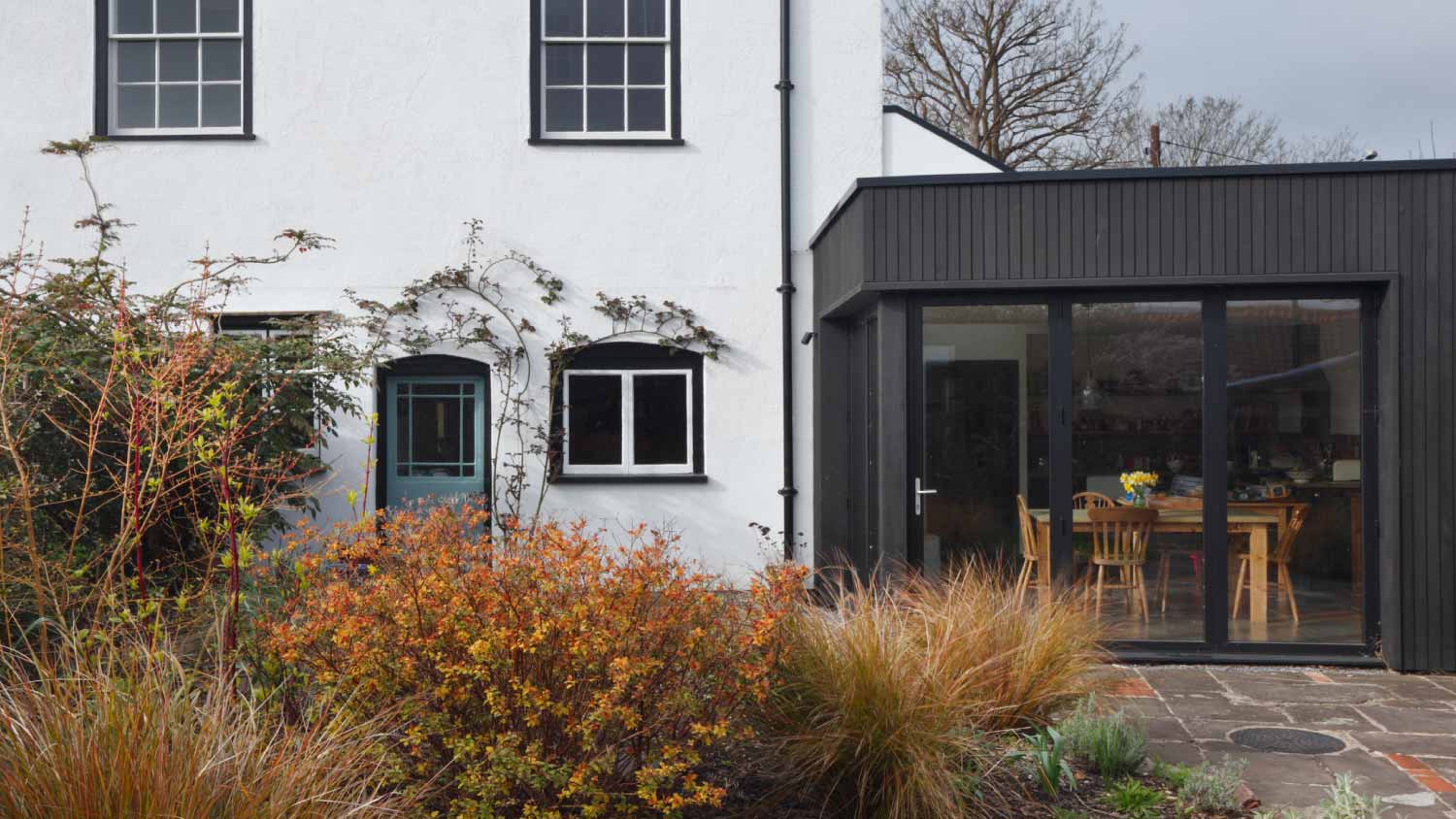
An attached ADU is an addition that is connected to the main house. Typically, these units have a separate entrance on the side or back of the house.
An attached external unit shares at least one wall with the primary home. It typically has a separate entrance and no internal connections with the main unit. Although connecting them is less expensive, they have utility hook-ups. However, they may share mechanical appliances like a furnace or water heater with the primary home.
An internal ADU is entirely inside the primary residence. These units are often built into basements, attics, or garages that have been converted into living spaces. Attached internal units are different from attached external or detached units because they often do not have their own external entrances. Most of these units are connected to the primary residence via doors from an interior room such as a hallway or a foyer. Because attached internal units often share appliances and utilities with the primary unit, they are usually the most affordable type of ADU to construct and maintain.
While the ADU is a secondary and significantly smaller unit adjacent to a primary housing unit, they have distinguishing characteristics that legally define them from other housing types. The requirements change based on local city or regulations, so check with your local municipality. Generally, an ADU must meet the following criteria:
Same lot as the main residence
Private entrance
Space for living and sleeping
Bathroom
Full kitchen with counters, cabinets, sink, running water, and a stove or stove hook-up
It is also good to consult with a local contractor who knows the local zoning rules and requirements for ADUs.
Much like the costs associated with building a primary residence, the costs of building an ADU depend on a variety of factors, including the unit size, location, and if you plan to convert an existing space or build from scratch. Materials costs for flooring, appliances, and cabinetry range widely based on whether you use high-end materials or more affordable builder-grade materials.
The average costs for various ADUs:
Converting a garage: $20,000 to $60,000
Building a detached ADU: $40,000 to $125,000 or more
Converting a basement or attic (attached ADU): $10,000 to $100,000
Some people build ADUs for adult family members, while others do it for rental income. If you're considering an ADU, here's a line-up of some benefits and drawbacks.
Depending on local regulations, ADUs can be used as either short-term or long-term rentals. The income you can make from rentals can help offset building costs and help pay your property mortgage. It also gives a family the option to occupy the ADU and rent out the primary home on a short-term basis for extra income.
Even if you’re not interested in renting out an ADU, you may still want to consider building one to increase the value of your property. Adding livable square footage is one of the top ROI considerations for homeowners.
The cost of building and maintaining an ADU is generally lower than building a primary unit because there is no land acquisition involved, and they tend to be smaller than primary residences. This lower cost to build and maintain means that owners can offer them at a more affordable rate than other property types. When homeowners plan to provide housing to extended family members—like in the case of aging parents—ADUs offer a more budget-friendly option than renting or purchasing an additional primary residence.
The extra space can be used as an office, workshop, or a home for aging family members. Granny flats allow older family members to maintain their independence while being close to those who can provide daily hands-on support and companionship.
An ADU costs money to build and may increase property taxes; utilities will also add to monthly expenses. While upfront costs may seem daunting to some homeowners, many of these costs can be offset by renting the ADU to long- or short-term tenants.
An ADU will cost money and time for maintenance and upkeep. Much like a primary residence, you'll need to plan for routine maintenance, such as air duct cleaning, gutter cleaning, appliance maintenance, and handling the minor and major repairs that come with any living space.
If you're thinking of building an ADU, consider all the following questions and details before investing time and money.
While ADUs are common in states like California, Oregon, Washington, and Florida and have been growing across the country, ADUs cannot be built on just any property by any interested homeowner.
Every state, city, and neighborhood is different when it comes to what you can and can't build. For example, some areas may have square footage restrictions, only approve certain types of ADUs, or have parking restrictions. Some cities even provide incentives to build ADUs, which can help defray the cost.
Research the regulations of ADU in your area, the process, occupancy rules, and how many people can live in an ADU.
You need a permit from your local building department to build a living space on your property, even if you're building an ADU with a pre-existing structure.
Before building an ADU, find professionals with ADU experience to help plan your project and the space needed. A pro will be familiar with zoning and building codes and recognize any construction-related challenges or opportunities.
1st Choice Renew is simply the best! We hired them for a complete home renovation, and they transformed our space into something truly amazing. The team attention to detail and commitment to quality were evident throughout the project. They were easy to work with, very responsive, and always...
 Save A Dime
Exquisite workmanship from Custom Paint Jobs LLC. My home has never looked better.
 Custom Paint Jobs, LLC
We needed windows in our home, and we couldnt believe we got our entire home done for under $14,000. We have a lot of windows, and not only was it affordable, but it got done in a timely manner! Thanks guys, I truly appreciate you all!
 Window Depot USA of Central Ohio
Chris has been completing paint projects for me on flips, rentals, and even my personal home over the last 5 years. He always does an exceptional job, and is always responsive and easy to get ahold of. Great work, great communication. Iâ d definitely recommend him!
 Y City
Working with Mike on our first home purchase was an absolute pleasure. Mike put us at ease and made the process of buying a home fun. Mike is knowledgeable, honest, professional, and punctual. He worked with our busy schedule and always made time for us. When a home came on the market that...
 Michael Marshall - Buyer's Resource Realty Svcs.
Clint was and is very Professional and takes pride in this company and his work. Definitely recommended him to everyone in my hi-rise building. Excellent proposal and no hidden charges or surprises. Don't find that in today's world.
 Footprints Floors of Columbus
From average costs to expert advice, get all the answers you need to get your job done.
The cost to convert a garage to an ADU varies widely depending on many factors, from its size to the features you want to include.
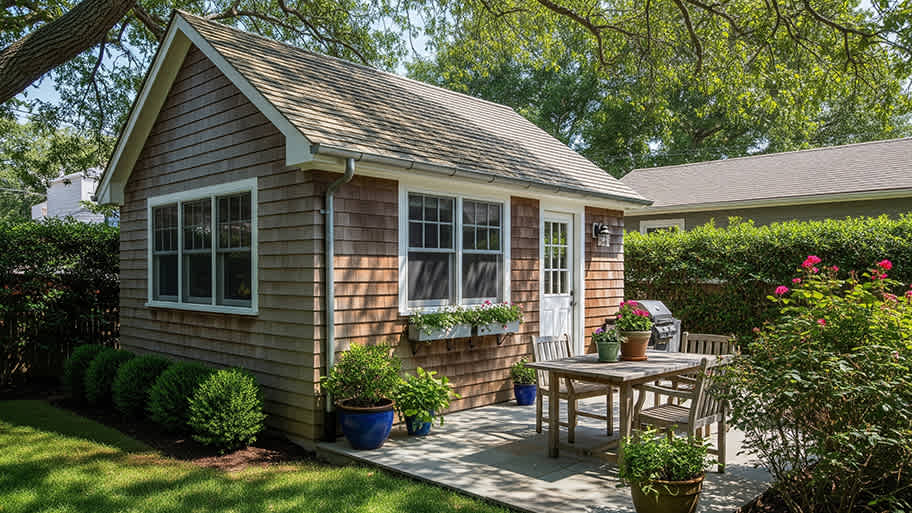
Accessory dwelling units can be a smart investment, but your ADU cost will depend on the size, type, and materials you choose. Here’s how it breaks down.

The cost to add a room above a garage can be well worth it because it boosts your home's square footage and value. Let’s take a look at the cost and ROI.
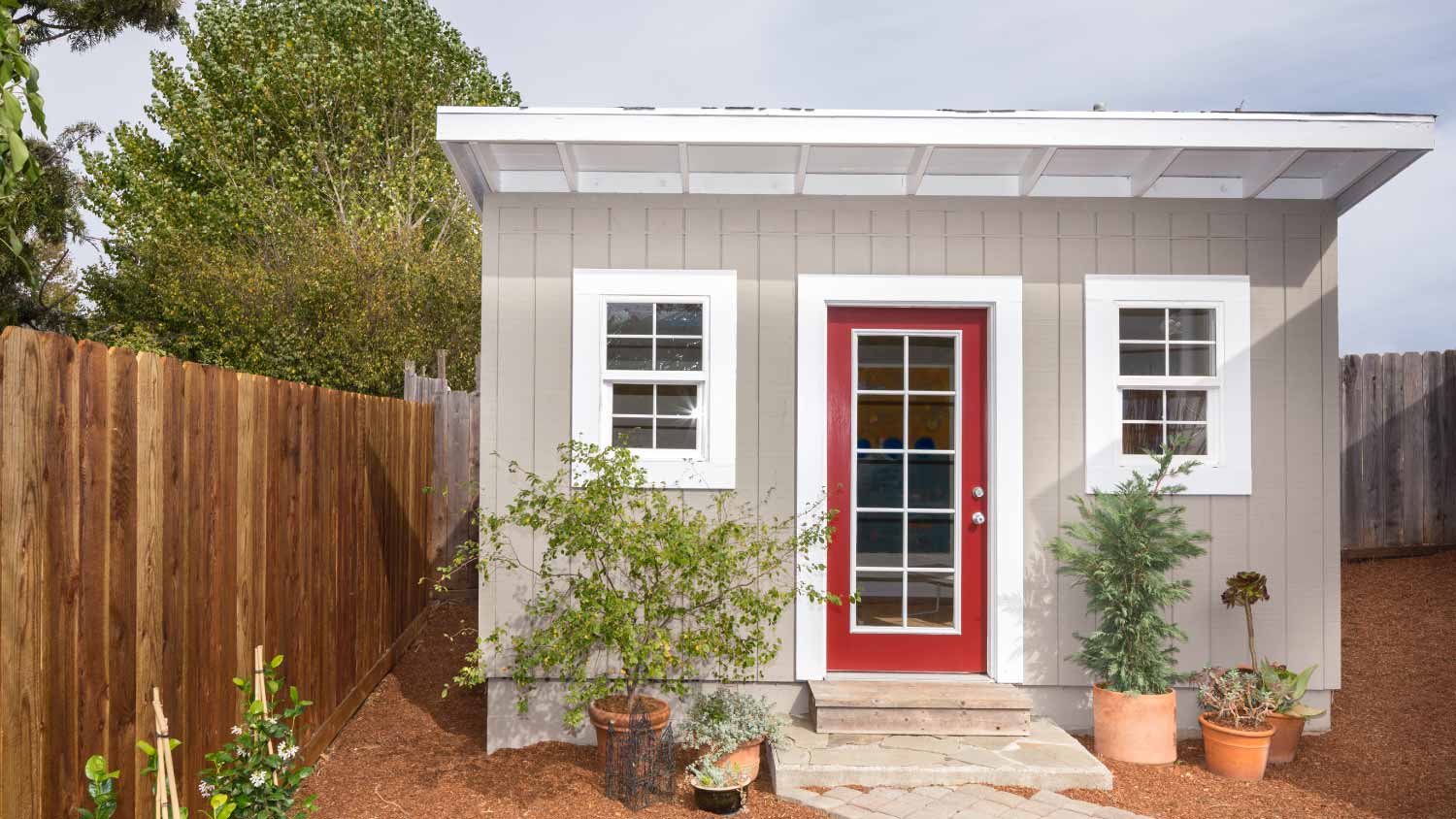
Both ADUs and guest houses offer extra livable space while boosting your property value, but there are some key differences. Learn about ADUs and how they’re unique from guest houses.
Confused about the difference between an ADU vs. an in-law suite? Learn what they are, how they differ, and which is right for your situation.
Looking to expand your home but not sure if an ADU or home addition is better? Learn about the differences to see which is the right option right for you.