

Replacing your electrical panel enhances system reliability and supports modern energy needs. Learn average electrical box replacement costs in New York City.
The cost to run electricity to a shed or detached garage costs $10 to $25 per linear foot of underground line, or an average of $2,500. Prices typically range from $1,000 to $3,800.


The distance from your home to your shed is the most significant factor, costing about $750 per 50 linear feet.
If you plan to run power tools or appliances, upgrade to a multi-wire electrical system.
Trench digging can hide your power lines from view but requires hiring a landscaper.
If your shed or detached garage is already drywalled, budget an additional $1,000 for drywall and painting repairs.
The cost to run electricity to a shed is $2,500 on average, but you can expect to pay between $1,000 and $3,800 for this service. Bringing light and power to other free-standing buildings like a shed or garage opens up many possibilities—a new workspace, a new office, or even an attached loft you can rent out for extra cash. However, you’ll need to hire a professional electrician to install new wiring.
Underground feeder cables are used to run electricity from your home to a garage or shed. The longer the distance, the more digging and installation your job will require.
| Length of Run in Linear Feet | Cost Range |
|---|---|
| 50 | $500–$1,250 |
| 100 | $1,000–$2,500 |
| 150 | $1,500–$3,800 |
| 200 | $2,000–$5,000 |
| 250 | $2,500–$6,250 |
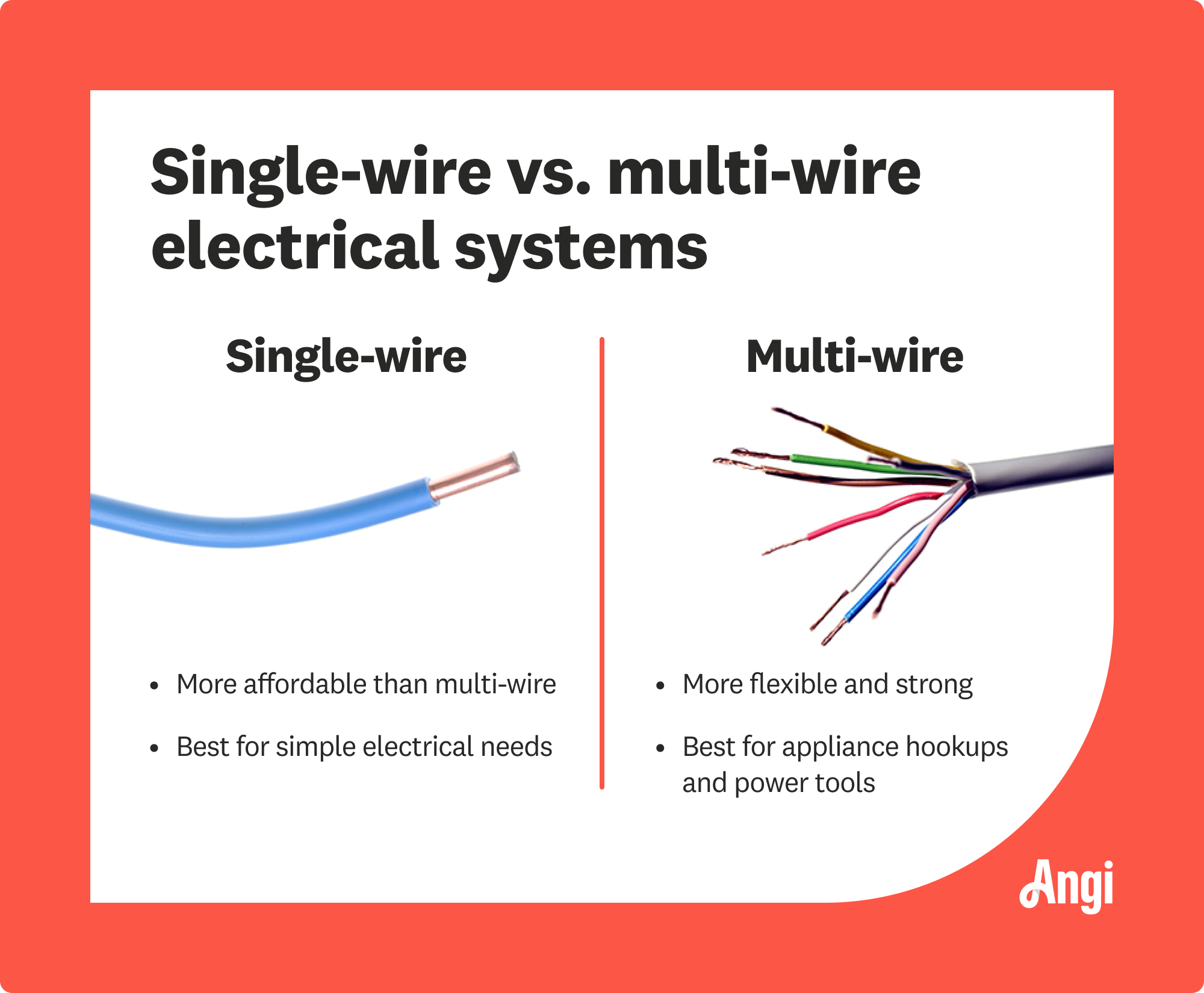
Single-wire transmission uses only one electrical conductor, and is commonly used in rural areas to lay electrical wiring underground at an affordable cost. This type is best for basic electrical setups in garages and sheds. Around $1,500 is a good estimate.
Multi-wire transmission is more flexible and strong, making it easier to run appliances or power tools in your detached garage. You’ll pay $1,500 to $2,500 for this in a basic home installation where extensive drywall work isn’t required.
Hiring a professional electrician costs $50 to $100 per hour, depending on the size and scope of your job, plus the expertise level of the pro. Since running electricity to a detached building on your property is an extensive wiring job, we recommend hiring a high-level electrician, specifically a master electrician. These pros charge more ($90 to $120 per hour) but they can ensure that the new electric system is code compliant and safe to use. Don’t hesitate to hire a local electrician to tackle this task for you.
If you’re installing underground wiring to power your shed or detached garage, you’ll need to break ground first. Once your electrician marks the wiring’s trajectory across the yard, it’s time to start digging. You should budget $5 to $12 per linear foot for trench-digging costs. Consider hiring a local landscaping company to complete the trenching part of this electrical installation.

Electricians typically charge between $50 and $100 per hour for their time, with the national average between $160 and $520 for a professional to visit your home and complete the job.
Major metropolitan cities in America—like Denver, New York, and Los Angeles—tend to charge around $100 or more per hour for electrical work.
Rural electricians often charge $50 per hour (and less in some cases), but you may have to pay for them to drive out to your home. You should also consider that detached garages and sheds may be further away in rural areas, requiring more electrical materials and thus increasing the price.
Here are the other factors that go into running electricity to a detached living space.
Homeowners running electricity to a detached garage or shed often have a goal in mind—working in a new space, building a recreation room, or designing additional living space in the form of a garage apartment or loft. You’ll need to calculate the estimated wattage of your new space to determine how much power to run to it.
An electrician can help you determine how much electricity you'll need to accomplish these goals. The more equipment and appliances you think you’ll be running, the higher the cost will be.
Detached garages may require two separate installations of electrical wiring and receptacles, which will increase installation costs. This is why it’s important to have an electrician come to your home and not give you a quote over the phone.
On average, detached garages cost more than sheds due to higher electrical loads. These projects often require multiple installations throughout the garage, whereas a shed’s electrical unit is typically installed in one area.
In new homes with bare studs, you can easily run new electrical wiring to a detached living space. But if you need to break into drywall or circumvent an existing electrical system to give power to your garage or shed, it will cost more.
Many electricians will tear up drywall as part of the job. However, most electricians don’t put new drywall down—so you may have to budget for the cost of hiring a local drywall repair contractor or doing it yourself. The national average is $1 to $3 per square foot, with a typical final price exceeding $1,000.
Professional electricians are licensed to perform this type of work in most states and thus don’t need a permit.
If you’re still considering running electricity by yourself (and we encourage you to think very carefully about this before proceeding), keep in mind that it’s illegal in some states to perform DIY electrical work without a permit, which could cost between $25 and $200.
Running electricity to a shed is no simple flip of a switch—it involves permits, trenching, and adhering to strict electrical codes. DIY might seem cheaper, but one wrong move can result in costly repairs, safety risks, or even fines. Remember, hiring a local licensed electrician leaves little to chance.
Professionals bring valuable experience and expertise, so you can expect the following results:
Professionals will complete the job more efficiently by handling permits, trenching, and inspections.
Pros will use the right tools and materials for reliable, long-lasting wiring.
All local and national electrical code requirements will be met, which homeowners are usually not familiar with.
There are several safety concerns with electrical work, so you’ll avoid shocks, shorts, and fire risks with safe, expert installation.
Homeowners can feel confident in an expertly installed project.
While a licensed pro should always handle electrical work, homeowners can still take on a few simple prep tasks to make the job smoother, such as:
Planning where outlets, lights, and switches will go
Clearing the path for trenching or conduit installation
Measuring the shed’s distance from the primary power source
Choosing lighting fixtures or outlet covers that fit your setup
Checking local permit requirements before scheduling the electrician
Wondering how to save money on this big-ticket electrical project? Consider these tips:
Dig the trench yourself: Consider prepping your yard for the underground wiring installation by digging the trench yourself, saving on labor costs. Be sure to have a professional mark the trench site before breaking ground.
Minimize wattage: Cut down on installation and power costs by limiting the number of appliances in the detached building—that will reduce your electrical load.
Choose a location closer to the house: If possible, try to place a new shed or detached garage closer to the house to reduce the length of run required for electrical power.
Be prepared to discuss with your electrician whether your current electrical panel can handle the extra load and what upgrades may be necessary.
Discuss the best wiring method, such as underground conduit, overhead lines, or another option, based on your property layout and budget.
Inquire about the permits and inspections necessary to ensure compliance with local electrical codes.
You will want to review the placement of outlets, lighting, and switches to ensure the setup meets your needs.
If your budget allows, consider adding features like outdoor lighting, motion sensors, or smart controls for enhanced convenience.
Home is the most important place on earth, which is why Angi has helped more than 150 million homeowners transform their houses into homes they adore. To help homeowners with their next project, Angi provides readers with the most accurate cost data and upholds strict editorial standards. We extensively research project costs to develop the pricing data you see, so you can make the best decisions for you and your home. We rely on reputable sources, including the U.S. Bureau of Labor Statistics, academic journals, market studies, and interviews with industry experts—all to ensure our prices reflect real-world projects.
Want to help us improve our cost data? Send us a recent project quote to [email protected]. Quotes and personal information will not be shared publicly.
From average costs to expert advice, get all the answers you need to get your job done.
Replacing your electrical panel enhances system reliability and supports modern energy needs. Learn average electrical box replacement costs in New York City.

Rewiring a house in New York City can fix out-of-date wiring and provide electrical systems with modern capabilities, but owners must plan for the electrician's costs appropriately.

How much does it cost to add an electrical outlet in New York City? Explore typical price ranges, permitting needs, and what drives cost in NYC homes.

Here’s what you need to know to reset an outlet without a reset button. Follow this guide for resetting an outlet in a snap.

When you need to choose between a 100-amp versus 200-amp electrical panel, check out our easy-to-understand explanation of your home’s power options.

A dead outlet is more than an annoyance. It can be a fire hazard, too. Here’s how to deal with a dead outlet to keep your home safe and prevent fire.