
Accessory dwelling units can be a smart investment, but your ADU cost will depend on the size, type, and materials you choose. Here’s how it breaks down.
From rentable places to in-law spaces

The types of ADUs for your property include detached new construction, home add-ons, garage conversions, basement conversions, second-story ADUs, and junior ADUs.
Building an ADU costs an average of $180,000, with most homeowners paying between $60,000 and $285,000 depending on your chosen ADU type.
Your ADU choice depends on privacy needs, permitting requirements, budget constraints, DIY ability, and how the addition affects your existing living space and home value.
Hiring a local home addition professional provides expert guidance on permitting, structural requirements, and matching the right ADU type to your property and goals.
Building an accessory dwelling unit (ADU) can be a great way to get more value from your property, either by creating private spaces for long-term guests or monetizing your home by creating a rentable area. There are six main types of ADUs to consider: detached new construction, a home add-on, a garage conversion, a basement conversion, a second-story ADU, and a junior ADU. Let’s compare them to help you find the best option for your space.


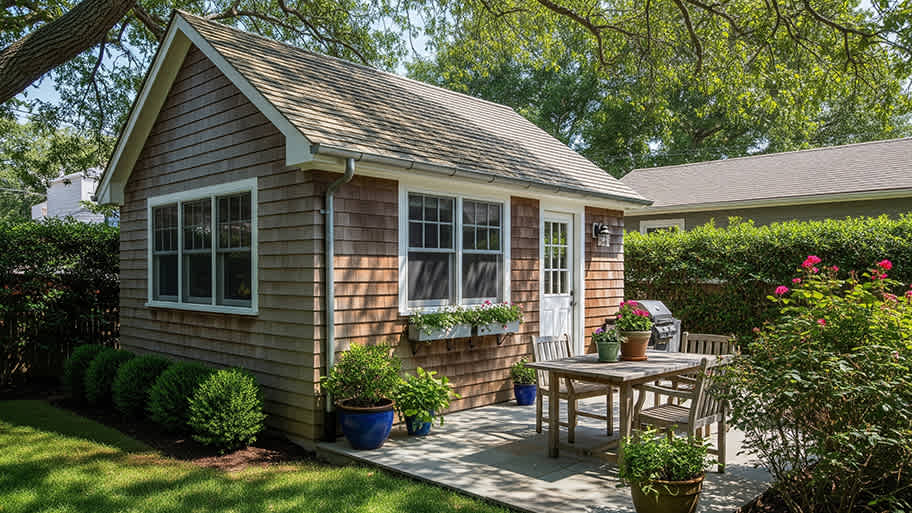
Detached new construction, sometimes called a backyard cottage ADU or a tiny house, is the most ambitious and the most expensive type of ADU to build, as it requires a standalone foundation and a completely new structure equipped with plumbing, electrical, heating, and cooling equipment. While it’s expensive, it solely adds to your living space and doesn’t detract from the room in your main home. A separate building also means maximum privacy for you and whoever is staying in the ADU.
| Pros | Cons |
|---|---|
| Maximum privacy | Expensive |
| Adds square footage | Longest construction |
| Easiest to rent | Takes up yard space |
Best for: Homeowners who want privacy and to keep tenants or guests completely separate from their main living area.

A home addition is similar to an ADU that’s detached, as it will also require new construction and a foundation. However, an add-on will share a wall with your existing home, which reduces the cost a bit and makes it easier and more affordable to tie in utilities. A home add-on can include a large bump-out with a separate entrance or adding a second story to a one-story home. In all cases, you’ll need a professional who builds home additions to install it for you.
You won’t lose any of your existing living space with this option, but the ADU will be less private than a detached one.
| Pros | Cons |
|---|---|
| Adds square footage | Less privacy |
| Can tie in utilities | Expensive |
| Easier to permit | May take yard space |
Best for: Homeowners who want to save money on the construction in exchange for slightly less privacy.
Converting a garage to an ADU is a great way to save on building costs, as you’ll just need to finish the space that already exists. You’ll lose parking space, but you won’t take away from your own living space like you would with some other conversion ADUs. You can convert either a detached or an attached garage to living space for your ADU, with the latter being less expensive due to the ability to share utility connections with your main home.
| Pros | Cons |
|---|---|
| Relatively affordable | Uses parking space |
| Adds living space | Less privacy |
Best for: Homeowners who don’t use or need to use their garage for parking and want a private or semi-private space to house guests or tenants.

A basement ADU is another conversion option that can make adding a private space for tenants or guests possible without detracting from your main living area. This is a relatively affordable option if your basement is already finished, but even converting unfinished basements isn’t as expensive as new construction because you can easily tie in utilities from your main floor. Basement ADUs aren’t always legal, so permitting can be an issue if you don’t have the appropriate points of egress.
| Pros | Cons |
|---|---|
| Affordable | Harder to permit |
| Partially DIYable | Limited privacy |
| Access to utilities | Takes up living area |
Best for: Homeowners who can afford to lose out on storage or entertaining space and don’t mind reduced privacy for themselves and their tenants or guests.
A second-story ADU is similar to a basement conversion, but, of course, you’ll convert the space above your first floor instead of the space below it. This could mean taking away from living space if you have a two-story home, but you could solely add living space and maximize value if you instead convert an unfinished attic to an ADU.
A second-story ADU is more affordable than most other options, as you have easy access to utilities, don’t need to carry out new construction, and can DIY some parts of the process. Attic spaces are easier to permit as ADUs than basements, but you can still run into safety issues.
| Pros | Cons |
|---|---|
| Access to utilities | Limited privacy |
| Affordable | May use living area |
| Partially DIYable | Permits can be tough |
Best for: Homeowners who have unfinished attic spaces and want an affordable ADU option in exchange for a loss of some privacy
A junior ADU or in-law suite is one that you install inside your existing living space, so it will cut into your usable square footage. Some junior ADUs share a bathroom with the main unit, and some may even share an exterior entrance. As such, privacy is minimal, and this is a better option for those looking to create a semi-secluded space for long-term guests and family members. The cost to build an in-law suite can be much lower than most other types of ADUs because they may only require some lock changes on interior doors or installing new partitions.
| Pros | Cons |
|---|---|
| Most affordable | Reduces living space |
| DIYable | Minimal privacy |
Best for: Homeowners who want a semi-private space to host family members or close friends
The type of ADU you choose will dictate how you and your guests or tenants will use it and how the installation affects your home value, so you should consider all of the following before deciding which type of ADU is right for you.
One of the most important things you should consider when choosing what type of ADU you want to install is privacy.
Homeowners looking to add a somewhat private area for friends and family members to stay will find junior ADUs, basement conversions, second-story ADUs, and garage conversions the most convenient. These may reduce your own living space or the utility of parts of your home, but they’re the most affordable and least invasive. If you plan on renting the ADU, converting a detached garage or building a detached new construction bungalow or cottage will give you and your tenants the most privacy.
You’ll need building permits for most ADU installations, and these can present some hurdles in the process, but you’ll also need rental permits if you’re planning on renting the ADU. Rental permits require certain safety measures, like egress windows for basement conversions and walled-off boilers or furnaces. A rentable ADU will often require more work to ensure it’s up to code.
Building an ADU costs an average of $180,000, and most homeowners pay between $60,000 and $285,000. You could see prices much lower than that if you’re only making minor changes to set up a junior ADU in your home. Prices will be highest for detached new construction ADUs and can climb beyond $285,000, depending on the size of the ADU and how far it is from utility connections.
Installing an ADU will affect your home value, except in the case of some junior ADUs that require minimal changes to your existing layout. Adding new square footage with a detached new construction ADU or a home add-on will almost always increase your home value, while partitioning off portions of your home and installing a second kitchen for a second-story ADU can detract from value.
Finally, consider how much of the work you want to DIY. You’ll always need to hire a contractor for detached new construction or a home addition company near you for a home add-on ADU, but handy homeowners can save on some of the labor costs for conversion ADUs.
Jason has helped me with multiple household projects, with the most recent being new door installation. He has always showed up on time and organized and has done an incredible job! Jason is very professional and he's now my go-to for anything around my house that needs to be fixed or...
 Huff Garage Rescue, LLC
Cole has been handling plumbing and general contracting for our four properties over the past three years, and he’s always done a great job. Most recently, he installed a sink and countertop in our retail store where none existed before, and it turned out exactly how we needed. He’s...
 ANB Renovations LLC
1st Choice Renew is simply the best! We hired them for a complete home renovation, and they transformed our space into something truly amazing. The team attention to detail and commitment to quality were evident throughout the project. They were easy to work with, very responsive, and always...
 Save A Dime
This company went above and beyond with their work, chimney sweeps are usually pretty messy, but the clean up was spot on.!! Josh explained every thing that he was doing, and the things that he was checking to make sure the chimney was safe for me and my family. He was very professional,...
 Supreme brick & chimney
Custom Paint Jobs LLC turned our outdated bathroom into a modern masterpiece.
 Custom Paint Jobs, LLC
Excellent customer service and knowledge. I was recommend to him from my neighbour. My front door and window came in great and were installed beautifully perfectly, I m very satisfied with their excellent work, so decided to order one more big bow window for my living room. I cant wait for...
 Window Depot USA of Central Ohio
If I could give 10 stars for Kitchen Tune Up, I would. I cannot say enough good things about my experience with Kitchen Tune Up and the entire team involved in the process of my kitchen project. They went above and beyond as far as service and quality with my cabinets, paint, countertops, and...
It was wonderful working with Yordy and his team. They were very professional and are experts in what they do. They have completed the work on time, with better quality and with in fairly reasonable price. We just started with backsplash work , but liking his work, we went on to provide...
 Flooring Solutions
We were having 2”x 2” tile installed . There was a small installation error and the new additional replacement tile was from a different lot and the colors didn’t match. Joe assured us that he would rectify everything , which he did without hesitation. We decided to go with the 18” x 36” tile...
 CarifaTile
They work that 360 did on my kitchen cabinets is nothing short of amazing. I still cannot believe the difference from before and after. Jon and Jeff were both so incredibly professional throughout the whole process and their communications with me were constant and consistent. These guys...
 360 Painting Columbus
From average costs to expert advice, get all the answers you need to get your job done.
Accessory dwelling units can be a smart investment, but your ADU cost will depend on the size, type, and materials you choose. Here’s how it breaks down.
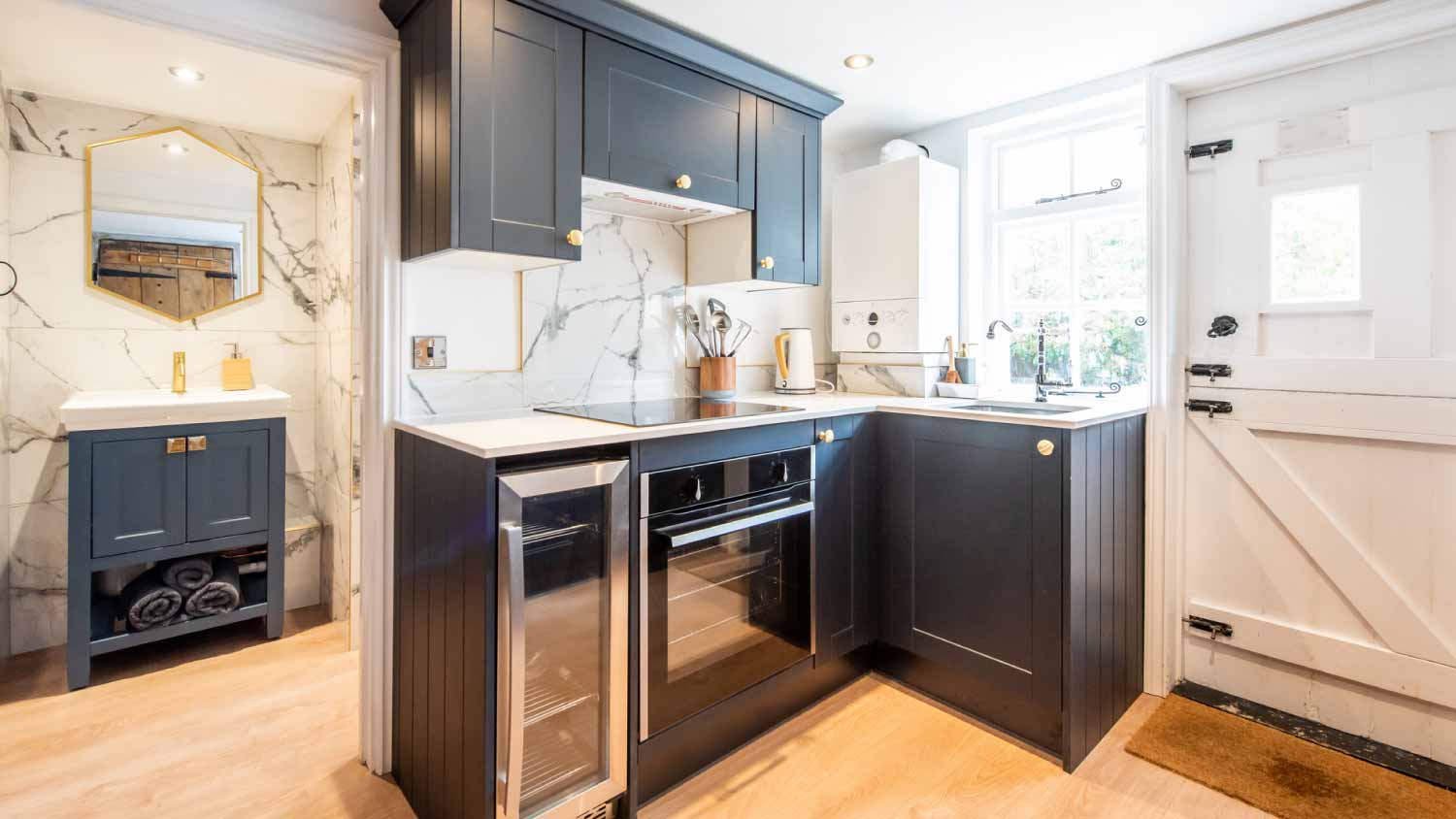
The cost to convert a garage to an ADU varies widely depending on many factors, from its size to the features you want to include.

The cost to add a room above a garage can be well worth it because it boosts your home's square footage and value. Let’s take a look at the cost and ROI.
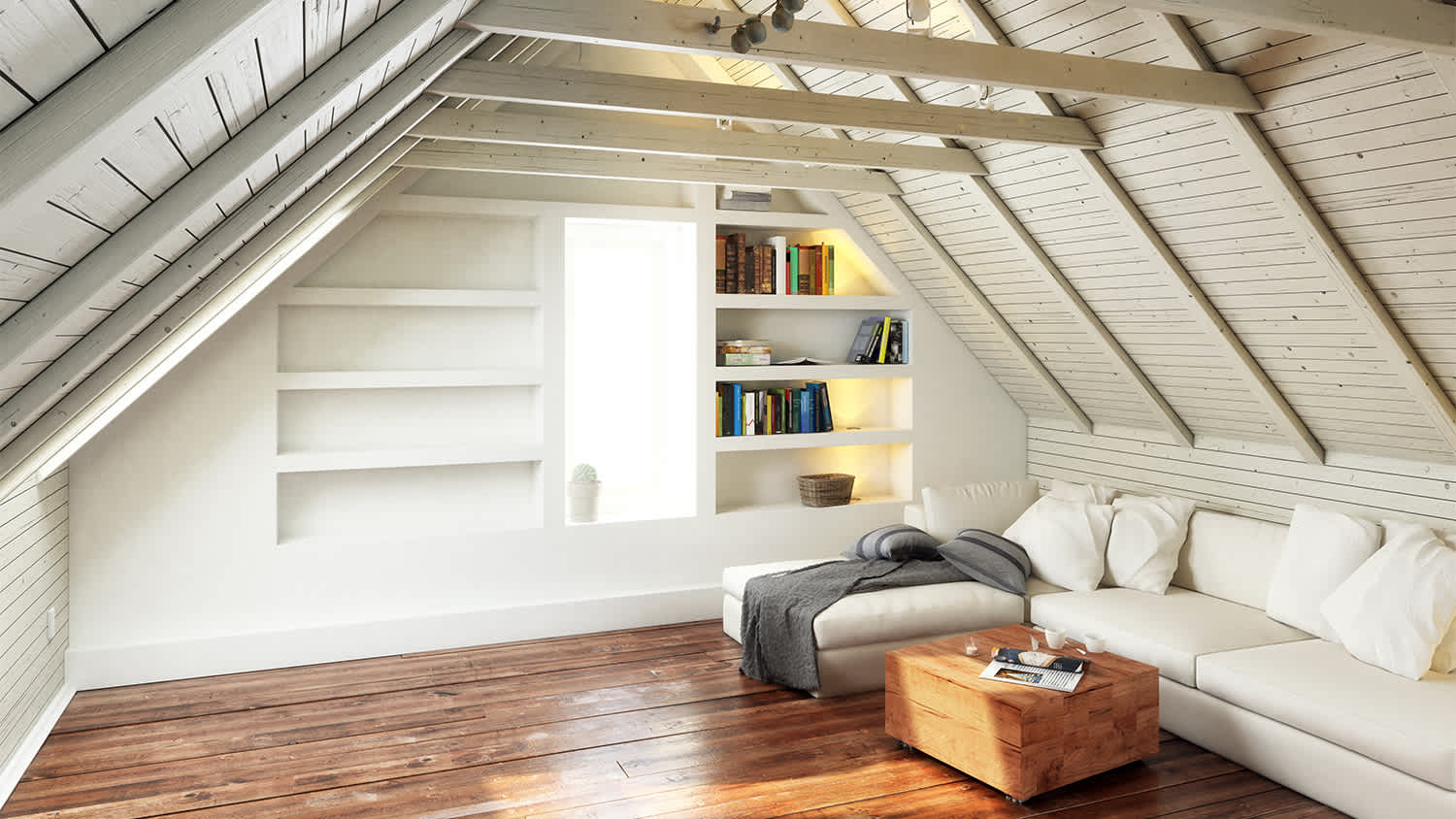
If you want to extend your living space, consider building an accessory dwelling unit or ADU. Learn more about the definition of ADU, its types, cost, and more.
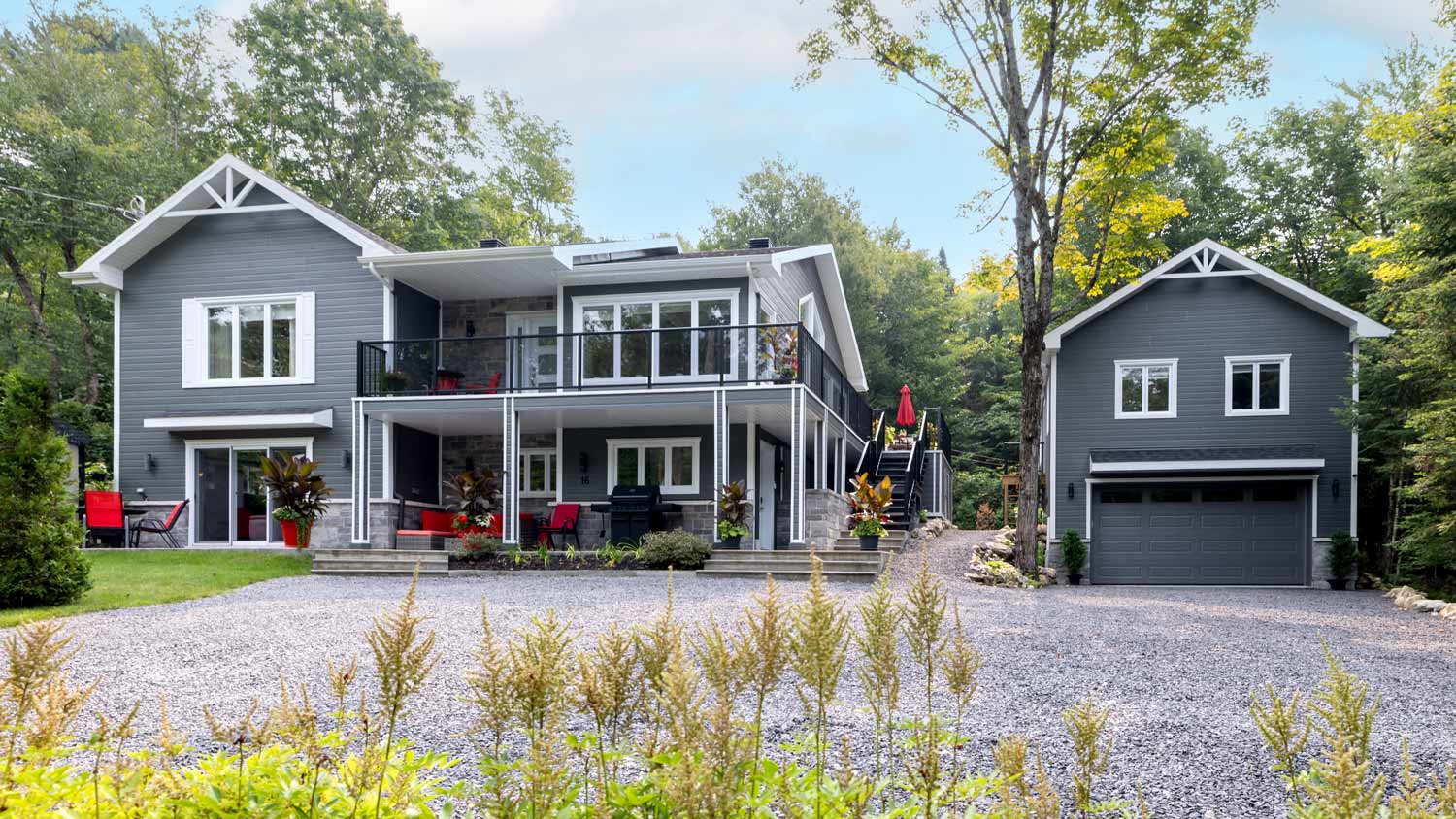
Thinking about building an ADU in or around your home? Learn how much value an ADU adds and whether or not it’s worth the investment in the long run.
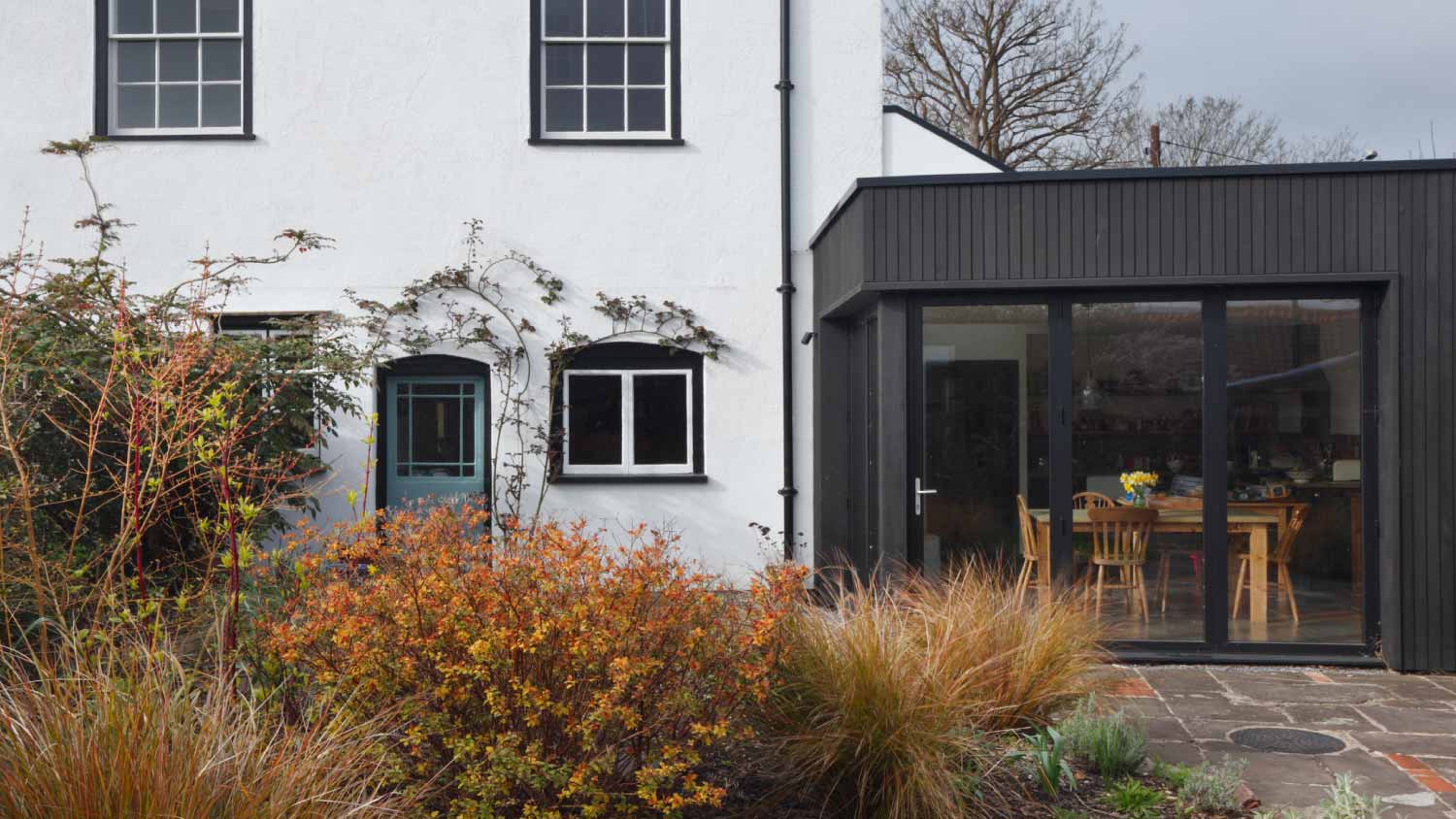
Looking to expand your home but not sure if an ADU or home addition is better? Learn about the differences to see which is the right option right for you.