


Discover how much a plumber costs in Dallas, explore local cost factors such as water quality and home age, and learn how to hire the right licensed pro.
Adding plumbing to a detached garage or shed costs $1,100 on average. Most spend between $900 and $1,300.


Distance is the top cost factor, with quotes 10 times higher if you want to hook up an outcropping on a far part of the yard.
PEX piping can save you at least $8 per foot over copper or CPVC without shortening the lifespan.
While toilets or sinks don’t need electricity, saunas or hot tubs do, so budget for running power lines if those are in your plans.
Depending on how your plumbing is configured, you may also need to budget an extra $1,000 to $5,000 for drywall and framing.
Adding plumbing to a detached garage or shed roughly 20 feet away from home will cost $1,100 for the average homeowner. Homeowners pay between $900 and $1,300 just to run the lines when adding plumbing to a shed or detached garage. Costs are generally the same whether you're renovating or building a new garage or shed. Adding special plumbing features like hot tubs, saunas, or wet bars will increase the price to get this project done.
Piping is the largest material cost associated with adding plumbing to a detached garage or shed. Depending on the type of plumbing materials, you’ll pay between $0.40 and $12 per linear foot for new plumbing. Your most popular options include CPVC, PEX, and copper.
| Pipe Material | Average Cost Per Linear Foot | Life Span |
|---|---|---|
| Copper piping | $2–$12 | 50–100 years |
| CPVC piping | $0.50–$3 | 50–75 years |
| PEX piping | $0.40–$4 | Up to 100 years |

There are multiple steps involved with preparation and installation when hooking up plumbing to a garage or shed.
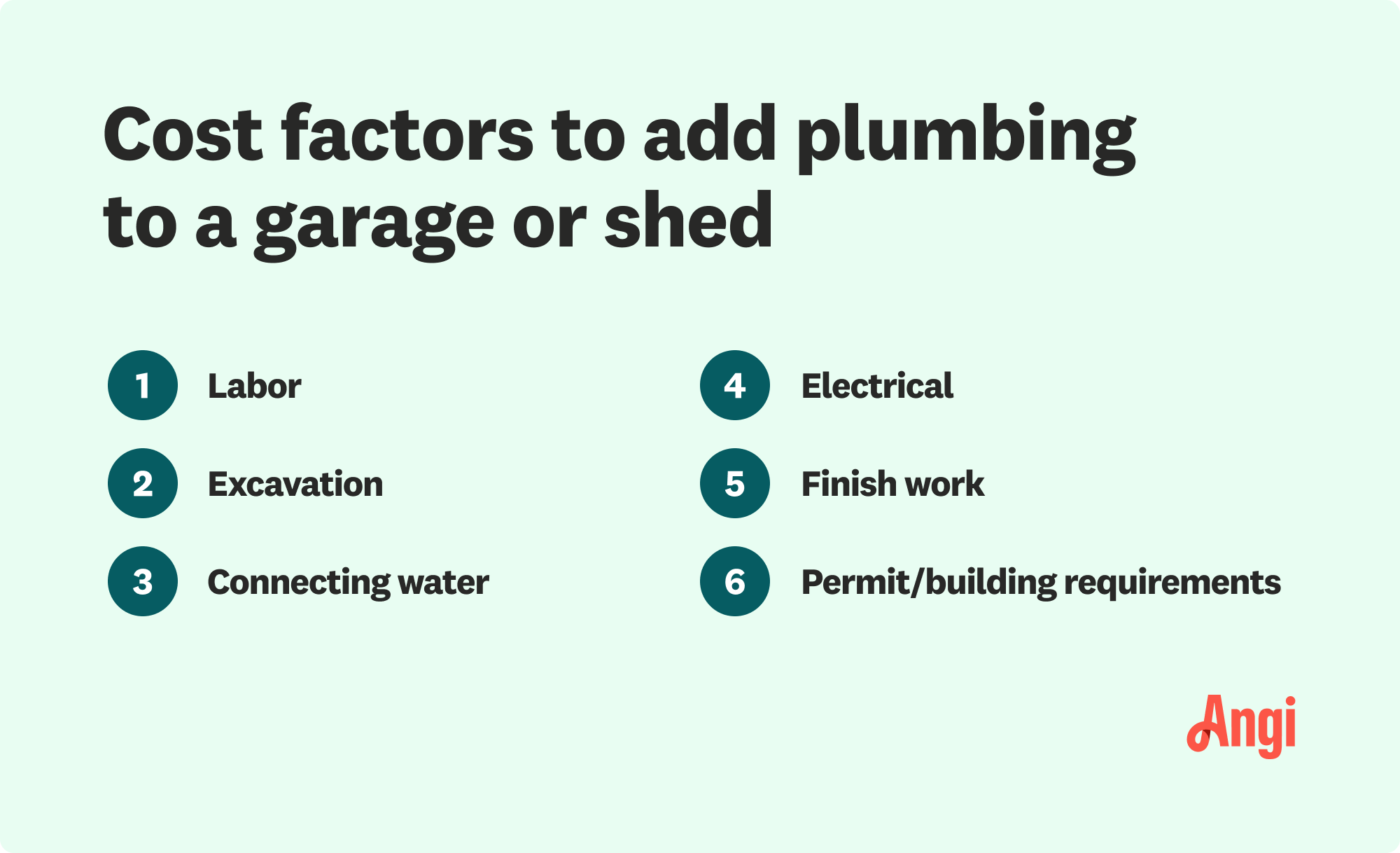
You may need several different professionals to install plumbing to a detached garage. Here are some of the most common rates you can expect from your plumbing team.
Local plumber: $45–$200 per hour
Emergency plumber cost: $60–$600 per hour
Electrician near you: $50–$100 per hour
The cost of trenching to lay down new plumbing pipes costs $5 to $12 per linear foot. Expect the cost for a 20-foot trench to fall between $100 and $240 on average. Excavating and digging a trench are essential steps to paving the way for pipes leading to your detached garage.
You'll likely get an all-inclusive quote for the cost to hire a plumber to install new plumbing in a garage or shed. The average cost for a plumber to reroute plumbing falls between $700 and $1,500 depending on the scope of the project.
While replumbing an entire home takes anywhere from two days to a full week of labor, plumbing a shed or garage might only take one to three days. Factors that will impact price include:
Type of pipes
Number of fixtures
Piping type
Even if your garage already has electricity, you may still need to budget in the cost to run electricity to a garage to attach plumbing fixtures and appliances (like installing a hot tub and sauna as part of your glamorous revamp). While electricians charge an average of $50 to $100 per hour, expect to pay anywhere from $1,000 to $3,000 to run electricity to a detached garage.
Carpenters cost between $30 and $200 per hour depending on the extent of the work and the skill level of your local carpenter. Apprentices cost toward the lower end of the price range, while a master carpenter costs toward the high end. Framing a wall costs anywhere from $1,000 to $5,000.
You'll likely need to cut some holes to get pipes installed in an existing garage or shed. It's sometimes necessary to demolish existing walls to add water lines. In this case, you'll need to pay for both wall demolishment and new wall installation.
Expect to pay anywhere from $100 to $300 for every permit needed. The number of permits you’ll need varies based on local requirements, so contact your local municipality’s building department to get a good idea of how much and how many permits they require for you to complete your project before you get started.
In some cases, you must add windows to any structures with toilets, sinks, showers, or other plumbing features. Adding a new window to an existing garage or shed can cost anywhere from $1,500 to $5,000 with labor and parts.
Running lines isn't the only cost associated with getting the water running in your backyard oasis with help from plumbers near you. You'll also pay for plumbing services for every fixture you install.
| Plumbing Fixture | Average Cost |
|---|---|
| Bathtub | $400–$1,900 |
| Hot tub | $350–$2,000 |
| Sauna | $300–$2,500 |
| Shower | $600–$1,600 |
| Sink | $150–$800 |
| Toilet | $250–$550 |
Bathtub cost: Hooking up a new tub can cost $400 to $1,900 on average without including the cost of the tub unit. This cost does include the typical $97 per drain that plumbers charge for drain installation.
Hot tub cost: Getting your new hot tub installed can cost $350 to $2,000. The big factor determining the cost of installing a hot tub is whether it’s an above-ground or in-ground unit. In-ground units cost more to install because of excavation.
Sauna cost: While sauna units can easily cost $10,000 on their own, you'll need to factor in at least another $300 to $2,500 in labor costs to have your sauna professionally installed by a plumber.
Shower cost: A shower installation will cost an average of $1,100 in addition to the cost of the unit, or a range of $600 to $1,600. Showers with waterfall features, multiple showerheads, or other special touches that require additional plumbing cost more.
Sink cost: Getting a sink with a drain installed in your newly renovated space will cost $150 to $800 for the plumbing pipes alone, plus an additional $225 to $650 in material expenses. Costs are similar for bathroom sinks, kitchen sinks, and "wet bar" sinks.
Toilet cost: Installing new toilet plumbing will cost between $250 and $550, or about $375 on average.
The cost to run plumbing to sheds or detached garages varies wildly because each property layout dramatically differs. The major factors influencing price are usually out of the homeowner's control.
The distance that your new piping will need to travel is the single biggest factor in determining the cost of your project. You could easily pay ten times more if you want to hook up an outcropping on a far part of the yard.
A bigger shed or garage will warrant more outlets and water pressure needed to direct plumbing throughout the detached garage.
Each fixture you install in your detached garage ranges from $225 to $2,000, with hot tub fixtures costing the most and sinks costing the least. Since you’ll pay per fixture for your total plumbing installation and hookup costs, the more fixtures you install, the higher the total cost.
Underground pipes will cost more to install because you’ll need to anticipate spending extra on trenching and excavation. Pipes within the walls that can’t otherwise be accessed need demolition and new wall installation fees are added to the plumbing cost, which can also ramp up your total spending.
The price per square foot and the type of piping material you choose influence total project costs. Copper is more expensive than PEX.
You’ll want to be prepared for any major project around the house, and adding plumbing to your detached garage is no exception. When searching for the best local plumbing company, asking questions can help you gauge whether or not they’re the right fit for the job. Here are some questions to get started vetting prospective plumbing contractors.
How much experience do you have as a plumber?
Are you licensed and insured?
How much do you think this project will cost?
What does the installation process look like?
Do you have a workmanship warranty?
How long will it take to complete the installation?
It’s not just that you should hire a pro plumber for installing plumbing in your detached garage—in most places, you have to have a license to do this type of work. You won’t save money by DIYing, and in fact, even a small mistake could lead to thousands of dollars in fines or repairs.
Instead, find a reputable plumber near you to get plumbing installed in your garage quickly, safely, and up to code.
For a complex job like installing new plumbing in a detached garage, many municipalities require a pro to do the work. But even without that requirement, there are many reasons why hiring a pro is the best choice for this project:
New plumbing installation requires hooking the plumbing to the water line, and this project often requires professional installation.
A pro plumber will ensure all work complies with local building codes.
This project will require a building permit, which a pro knows how to obtain to avoid project delays or fines.
Mistakes can lead to leaks and costly water damage.
Pros are highly trained, licensed, and insured.
A plumber will be able to complete the project much faster than someone who DIYs.
Plumbers have the right tools and supplies to get the job done correctly.
Expert plumbing installation is more likely to pass inspections and could increase the value of your home.
Although you can’t install the plumbing yourself, there are a few parts of this project you can help with.
Choose the plumbing fixtures you’ll install. Handy homeowners could install fixtures like faucets themselves once the pipes are installed by a pro.
Clear the garage of vehicles, tools, and other objects so that the plumbers and electricians have full access to the structure for installation.
Repaint walls after construction is complete.
Provide more details about your project, such as why you’re installing plumbing, the size of your garage, and your budget.
Discuss pipe options and weigh lifespan, durability, and costs to find what works best for you.
Choose plumbing fixtures, including showers, faucets, sinks, or a toilet, that a pro can install after the plumbing is done.
Ask about the project timeline and how you’ll provide garage access to the contractors, especially for longer installations.
Inquire about additional plumbing features, like water filters, insulation, and leak detectors.
Home is the most important place on earth, which is why Angi has helped more than 150 million homeowners transform their houses into homes they adore. To help homeowners with their next project, Angi provides readers with the most accurate cost data and upholds strict editorial standards. We extensively research project costs to develop the pricing data you see, so you can make the best decisions for you and your home. We rely on reputable sources, including the U.S. Bureau of Labor Statistics, academic journals, market studies, and interviews with industry experts—all to ensure our prices reflect real-world projects.
Want to help us improve our cost data? Send us a recent project quote to [email protected]. Quotes and personal information will not be shared publicly.
From average costs to expert advice, get all the answers you need to get your job done.
Discover how much a plumber costs in Dallas, explore local cost factors such as water quality and home age, and learn how to hire the right licensed pro.

The cost to cap a gas line is relatively low, as plumbers can handle the job in roughly an hour. We break down cost factors and DIY considerations.
Learn about main water line repair costs in Dallas and what affects your total so that you can budget accurately and avoid surprise charges.
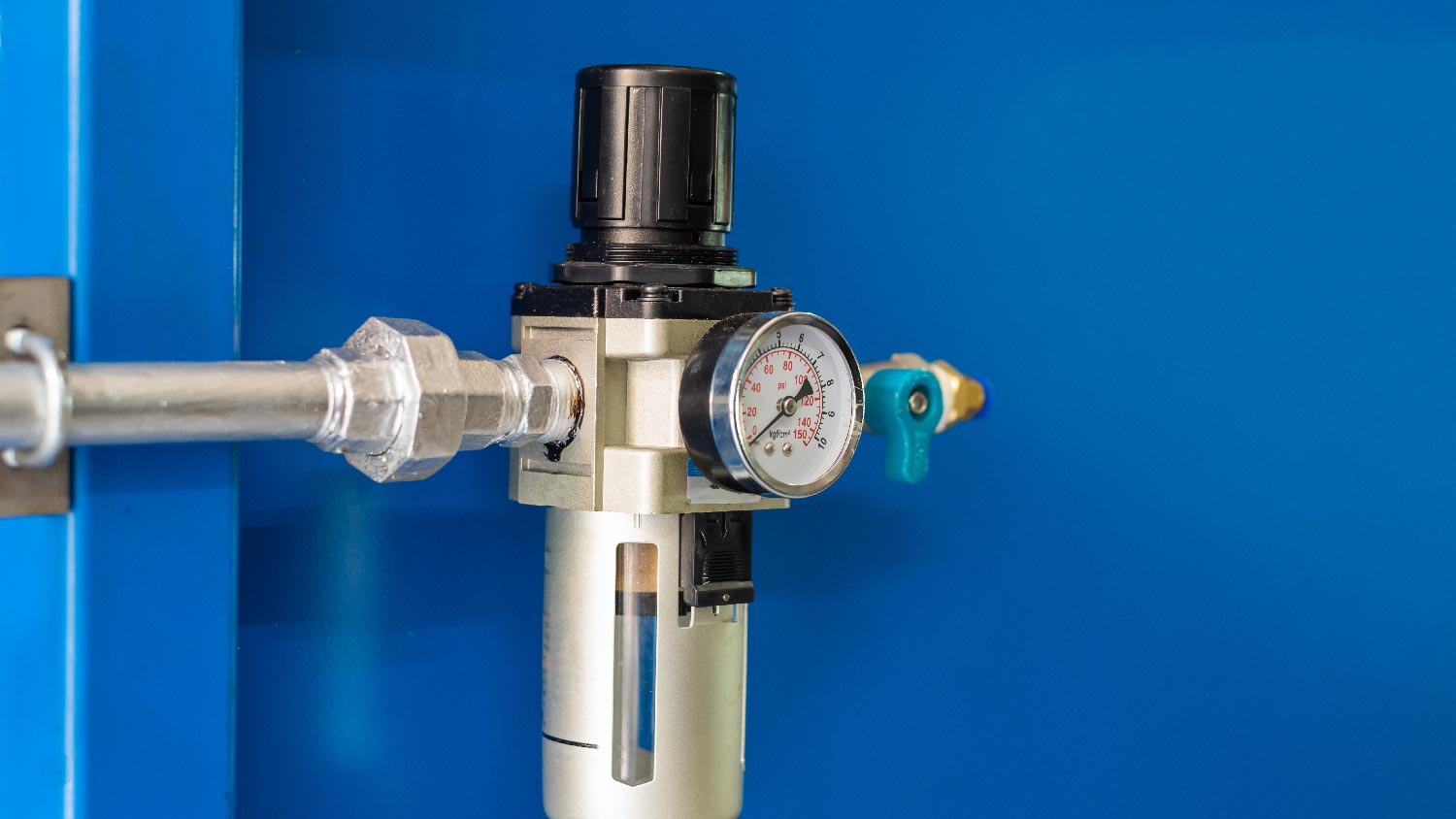
Find out the average water pressure regulator replacement cost, key price factors, and tips to save on your project. Get transparent, expert-backed cost info.

Need to stop a plumbing leak quickly and minimize water damage in your home? Buy yourself some time with these temporary fixes for a leaking pipe.

So, your toilet is wobbly, huh? Find the root cause and fix a rocking toilet yourself using caulk or plastic shims (or simply repair a loose toilet seat).