

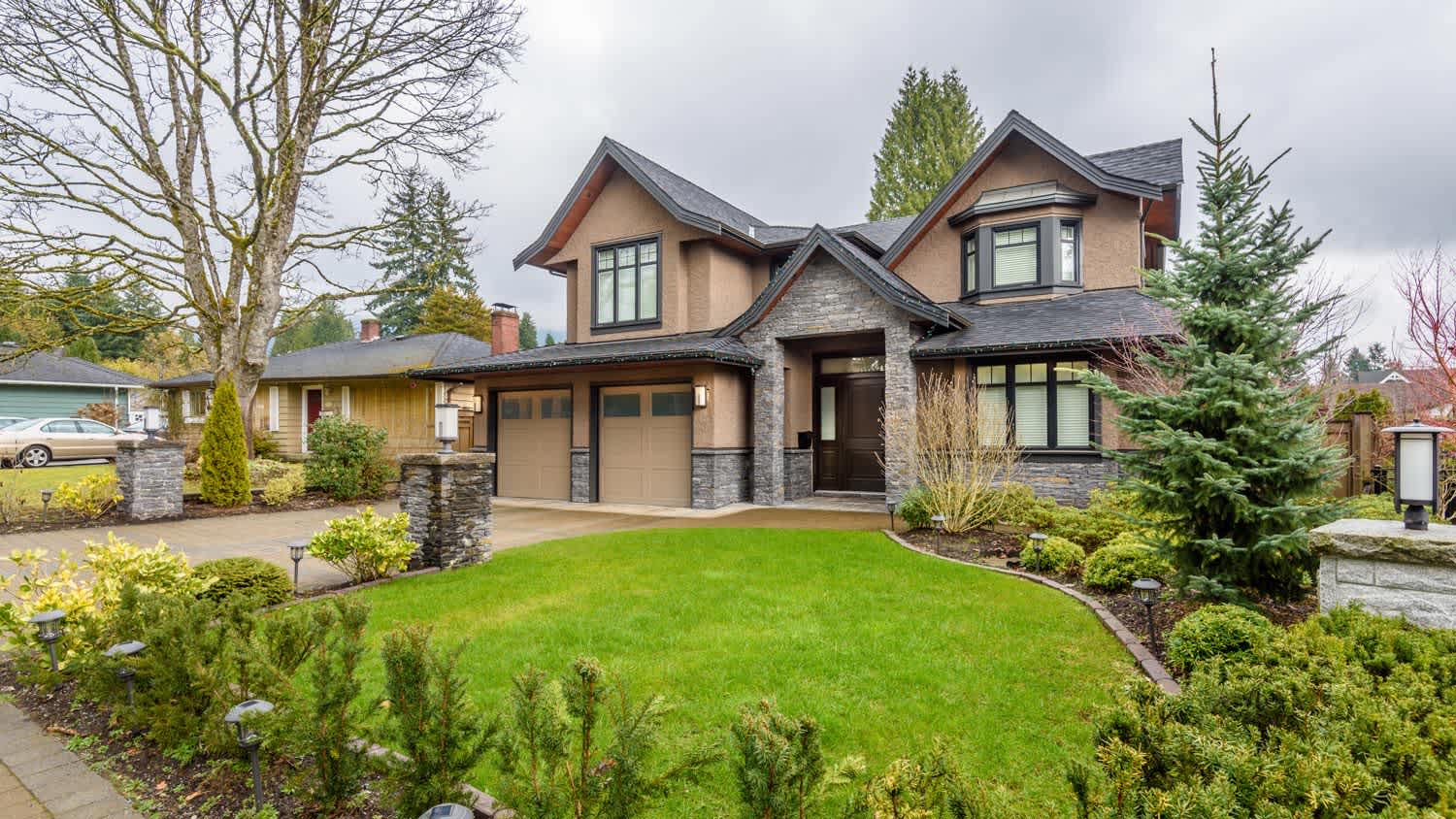
Unstable or sinking foundations require comprehensive and expensive solutions. Learn about foundation underpinning costs in this guide to set your budget.
Foundation repair costs depend on your project and location. Check with a local pro for your specific job.

Building a new foundation costs $4,012 to $14,769 on average, based on your foundation type and size.
Your soil, groundwater, and climate guide the best foundation choice, especially in flood zones or on soft ground.
Your budget should include soil testing at $1,000 to $5,000 plus permits, excavation, and drainage prep.
Hiring a local foundation professional keeps your home stable by managing soil prep, drainage, and code-required reinforcement.
In 2026, the national average cost to build a new foundation is $9,245, based on 880 verified projects reported by Angi Pros. Most homeowners pay between $4,012 and $14,769, with costs driven primarily by foundation type, project size, and site prep requirements. Costs can range from $5,000 to $37,000 per 1,000 square feet, depending on soil conditions, regional labor rates, and the complexity of excavation and drainage work.
Several key factors determine what you'll pay to lay a foundation, from labor fees to soil analysis findings. The type of foundation, site conditions, and local labor rates all play a role in the final cost. Understanding each factor helps you anticipate where your budget will go and where there may be room to adjust.
Foundation projects are typically priced by square footage, with costs averaging $5 to $37 per square foot. For a 1,000-square-foot foundation, that translates to a range of $5,000 to $37,000 depending on the foundation type and site conditions. Here's how costs scale across common foundation sizes:
| Square Footage | Average Cost Range in 2026 |
|---|---|
| 1,000 | $5,000–$37,000 |
| 1,500 | $7,500–$55,500 |
| 2,000 | $10,000–$74,000 |
| 2,500 | $12,500–$92,500 |
| 3,000 | $15,000–$111,000 |
The type of foundation you choose is one of the biggest drivers of overall project cost, with larger and more complex structures carrying higher price tags. Simpler options like monolithic slabs require less excavation and labor, while basements and walkout basements involve significantly more work and materials. Here's a breakdown of average costs per square foot by foundation type:
| Foundation Type | Average Cost Range per Sq. Ft. in 2026 |
|---|---|
| Monolithic Slab | $5–$16 |
| Pier and Beam | $6–$12 |
| Stem Wall | $6–$18 |
| Crawl Space | $6–$18 |
| Block | $9–$15 |
| Basement | $20–$37 |
| Shed | $5–$10 |
| Garage | $6–$12 |
| Walkout basement | $25–$55 |
Labor is the single largest cost in any foundation project, typically accounting for 40% to 60% of the total. On average, homeowners spend $4,500 to $18,500 to pour a foundation, with the final figure depending on your location and local cost of living. Projects in high cost-of-living areas will consistently land toward the upper end of that range.
Material costs vary significantly depending on the foundation type you choose, with a basement requiring far more material than a monolithic slab. Beyond the foundation itself, you'll also need to budget for waterproofing, insulation, and a drainage system. These additional material needs can add meaningfully to your overall project cost.
A building permit is required before your local foundation contractor can break ground, and getting one typically costs $450 to $2,300. The permit process may also require a soil analysis report and a foundation and site plan. Your contractor will know exactly what's needed to get your project approved and underway.
Where you build has a direct impact on foundation costs, since site-specific conditions shape both the type of foundation required and the labor involved. Flood-prone land may require a slab engineered to withstand water, while poor soil conditions can rule out shallow or slab-on-grade options entirely. In those cases, a deep foundation becomes necessary, which drives up both material and labor costs.
Several additional cost factors can add to your foundation budget beyond the core build:
Soil Testing: Before you can pour a slab for your foundation, you'll need to test its soil. On average, a geotechnical soil test, the kind needed for construction projects, costs approximately $1,000 to $5,000.
Grading and Excavation: Most construction projects that require pouring a foundation need to be graded. Homeowners spend around $2 to $10 per square foot on this task. Your soil conditions, type of foundation, and area's current slope can make the price rise or drop. You'll need to talk to a grading contractor since they know how to build up soil around a home foundation and can give you a more accurate project quote.
Sealing and Drainage: Any water around your foundation can damage its structural integrity, so prevention is key—foundation sealing and a drainage system are essential. Sealing your foundation can cost $1,900 to $7,300, while installing a drainage system can cost $1,100 to $6,500.
Foundation Inspection: A foundation inspection helps ensure that your foundation can safely withstand your home's weight. Inspections are conducted before your project starts and after it's done, and cost between $300 to $1,300.
Footings: A foundation's footing is the part of the foundation that supports it and prevents it from settling into the ground. Footings cost about $6.50 per square foot to build a foundation.

The right foundation type for your home depends on your area's climate and soil conditions, and each type comes with its own cost profile. Basements and crawl spaces sit in a category of their own, requiring extra excavation and structural supports that drive costs higher. Here's a look at the different types of foundations and what each could cost.
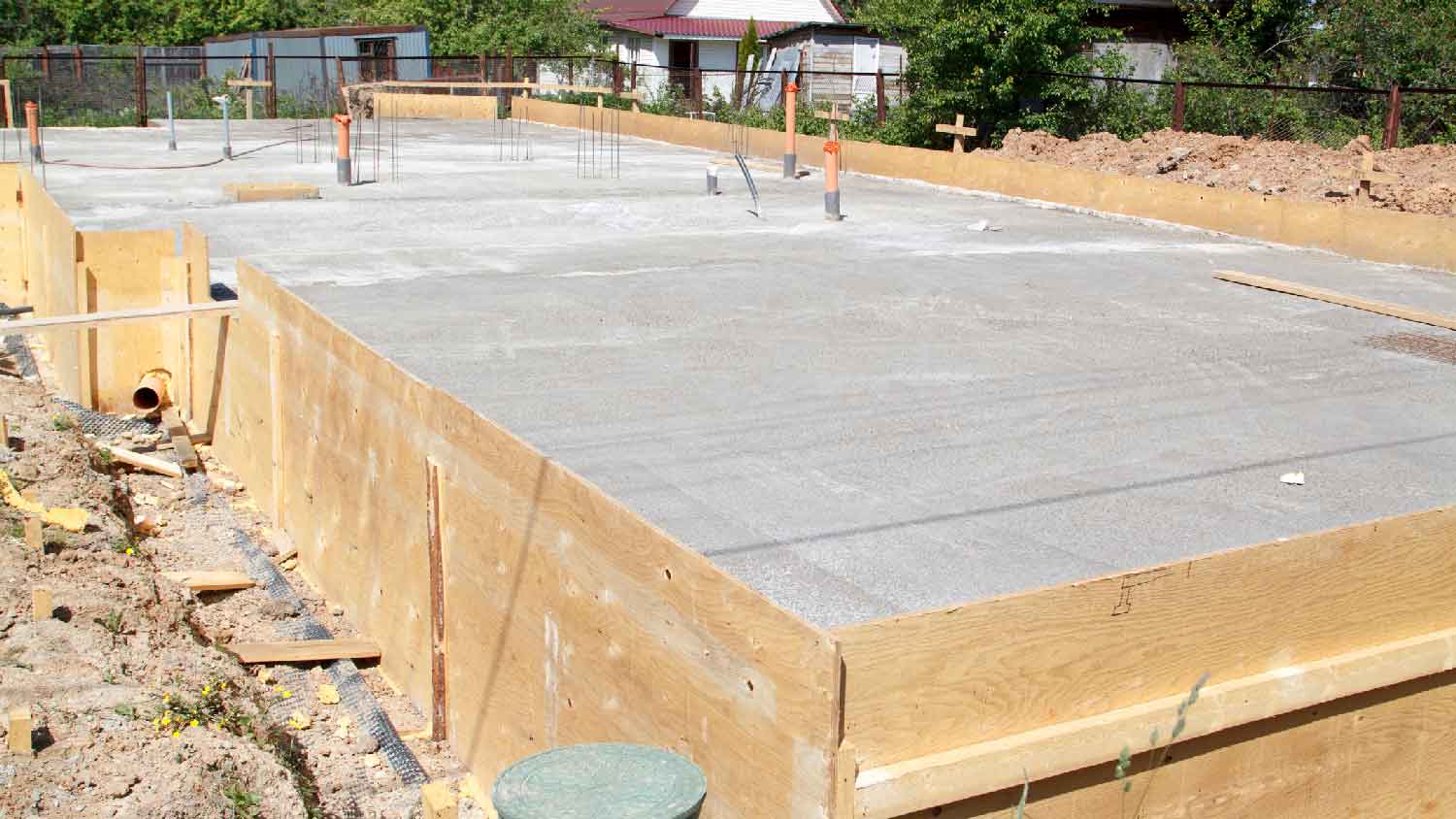
A concrete slab foundation costs $5,200 to $21,000, depending on the size of the project and the specific type of slab required. The area, soil type, and structural needs of your build will determine which slab option is the right fit.
A monolithic concrete slab costs an average of $5,200 to $13,000. This is quicker and easier than laying other foundations, so it brings your labor costs down considerably. However, it won't work unless the ground is level throughout your property and the soil is well-compacted. For areas requiring builds to rise above a floodplain, it's not a good choice.
You'll likely pay between $7,000 and $21,000 for a stem wall foundation. More excavation, materials, and labor are involved, so they carry a higher price tag than a monolithic concrete slab.
Pier and beam foundations—also known as post and pier foundations—cost an average of $8,000 to $15,000, or about $6 to $12 per square foot, with a steel l-beam cost landing at the higher end of that range. Here's how costs break down by component:
| Pier and Beam Foundations | Average Cost in 2026 |
|---|---|
| Concrete Foundation Piers | $1,000 |
| Wood Beams | $1,000–$3,000 |
| Steel Beams | $1,500–$5,000 |
These were common before builders started constructing concrete slab-on-grade foundations in the 1960s. They're still a good choice for moisture- and flood-prone areas, as they elevate and provide excellent airflow to prevent mold.
Pile foundations cost $20 to $60 per linear foot, with an average minimum cost of $28,000, making them one of the more expensive foundation options. They're the right choice when soil conditions aren't suitable to support a conventional concrete foundation. Prices vary by material:
| Pile Material | Cost per Linear Foot in 2026 |
|---|---|
| Wood | $13–$20 |
| Concrete | $30–$60 |
| Steel (hollow) | $20–$40 |
| Steel (concrete-filled) | $25–$45 |

A basement concrete foundation costs anywhere from $24,000 to $148,000, with the final price driven by the type of basement and the size of your project. Full basements sit at the lower end of that range, while walkout basements and basements added to existing homes push costs significantly higher. Here are some factors that will affect the price:
Waterproofing and drainage systems are important for keeping your basement hangout space dry.
Finishing the basement costs a lot more than leaving it unfinished, but it improves your home's resale value.
Doors and windows are something to consider, as you'll need exit windows for code compliance.
| Type of Basement Foundation | Average Cost in 2026 |
|---|---|
| Full Basement | $24,000–$50,000 |
| Walkout Basement | $37,000–$101,000 |
| Added to Existing Home | $38,000–$148,000 |
Crawl space foundations cost around $10,000 on average, though larger projects can approach $20,000. Because they don't require jacking up your home or extensive excavation, they cost significantly less than a basement build. They also offer a practical benefit: ongoing access to mechanical systems for repairs and maintenance.
A garage foundation costs $2,000 to $7,000 on average, with the price varying based on whether you're building a one-, two-, or three-car garage. The investment can pay off over time, as a properly built garage foundation adds to your home's resale value.
A poured concrete foundation for a 10-by-16-foot shed costs about $1,000, making it a straightforward and durable option. If you're looking for a more budget-friendly alternative, a gravel pad for your shed runs about $200 to $300 for the same size.
A block foundation uses stacked cinder blocks cemented with mortar and reinforced with rebar, making it best suited for larger homes. On average, homeowners spend $11,500 to $19,000, or $9 to $15 per square foot, for this foundation type.
Pouring a foundation is not a one-time expense—maintenance, repairs, and other ongoing costs are necessary to keep it performing as a solid base for your home over the long term. Staying on top of these costs helps you avoid small issues from becoming serious structural problems. Budgeting for regular upkeep is one of the smartest investments you can make after the initial build.
Regular maintenance of your foundation and the surrounding area is the most effective way to prevent costly damage. Staying proactive with a few key habits keeps your foundation stable and extends its lifespan. To maintain your foundation:
Regularly check and maintain your home's drainage system, including gutters and downspouts.
Ensure the soil around your foundation remains properly graded to direct water away.
Keep trees and other plants with large roots away from your foundation.
Water your foundation during extremely hot weather or drought to prevent soil shrinkage and erosion.
Foundation repairs average between $2,000 and $7,000, though serious structural problems will push costs higher. If you notice any signs of damage, contact a foundation repair pro right away—leaving issues unaddressed allows them to worsen and can lead to far more dangerous and expensive problems. The cost of foundation repair is well worth it compared to the alternative of major structural failure.
Your foundation is included in your homeowners insurance policy, but coverage varies depending on the cause of damage. Common issues like cracks and settling are often excluded, while sudden, accidental damage may be covered. Review your policy carefully so you know what to expect before you need to file a claim.
Regular inspections are key to keeping your foundation in good shape and avoiding costly repairs. Look for cracks and address them promptly. Make sure you have proper drainage around your home by maintaining clean gutters and downspouts, grading the landscape to slope away from the foundation, and avoiding excessive watering near the foundation.
Once your foundation is built, additional services are often needed before the project is fully complete, particularly for basement foundations. Common add-ons can add thousands to your total, so it's worth factoring them into your budget from the start. Some common add-ons for basement foundations include:
Doors and windows: Adding doors and windows to a basement can cost an average of $2,500 to $7,000.
Plumbing and electrical: Running utilities into a basement can cost $3,000 to $9,000, depending on how many and what type of plumbing hookups you need.
Basement finishing: Framing, drywall, paint, and flooring can range between $5,500 and $11,000 for a finished basement.
Waterproofing: Keeping water out of your basement is crucial. Waterproofing a basement averages between $2,500 and $8,000.\
Since a foundation is so vital to a structure's strength and durability, this isn't a project you'd want to cut corners on. One of the best ways to save money on the cost of a foundation is to put your best buck forward and build a foundation you won't have to replace at high cost in the long run.
Beyond preventive measures, another way to save money on concrete foundation costs is to choose the most budget-friendly foundation material you can. Due to their needs and soil conditions, most homeowners can only build one type of foundation. But if you have a little wiggle room—based on what your structural engineer recommends—consider more cost-effective options.
Unless you have extensive experience in foundation building code requirements, yard grading, and building a foundation, this job is better left to the pros.
You’ll likely need a licensed foundation contractor, architect, and structural engineer near you to work on this project. Each pro has specialized skills and tools they’ll bring to the job to ensure it’s done correctly, so you can spend your time and effort on another project.
Building a foundation requires specialized expertise, skill, and equipment. Here’s why it’s best to always hire a pro:
Pros know how to assess soil conditions, load-bearing capacity, and groundwater levels to build a long-lasting foundation.
Experts know how to prevent issues like shifting, settling, and cracking.
DIY foundation installation can compromise structural integrity and require costly repairs.
Experienced pros have the tools and equipment necessary to excavate, compact, and reinforce foundations.
A professionally built foundation adds stability, safety, and long-term value to your property.
Be ready to discuss with a pro which foundation material and type—monolithic slab, basement, or crawl space—will fit your budget.
Let your pro know the measurements and location of your foundation.
Ask about upgrades like added reinforcement, moisture barriers, and insulation.
Explain any site preparation needs, obstacles, or grading that could affect the cost and scope of the foundation.
Home is the most important place on earth, which is why Angi has helped more than 150 million homeowners transform their houses into homes they adore. To help homeowners with their next project, Angi provides readers with the most accurate cost data and upholds strict editorial standards. We extensively research project costs to develop the pricing data you see, so you can make the best decisions for you and your home. We rely on reputable sources, including the U.S. Bureau of Labor Statistics, academic journals, market studies, and interviews with industry experts—all to ensure our prices reflect real-world projects.
Want to help us improve our cost data? Send us a recent project quote to [email protected]. Quotes and personal information will not be shared publicly.
Positive experience. As previously stated, the replacement/repair could not be completed (no fault of the plumbing tech) b/c misinformation was rec?d by property management maintenance. Thanks to the plumbing tech for your efforts. Appreciate you!
 The Waterworks
Carpet repair done well. Scheduling was easy. Showed up on time.
 BR Flooring Installation
I would recommend this company to anyone! He showed up on time, was friendly, completed a very difficult repair on our dryer vent cover, was responsive, and pricing was extremely fair and competitive. I would have him back to do any of our repairs or cleanings without hesitation!
 U.S.A. Dryer Vent, LLC
Everything from initial contact to completion was absolutely top notch. We contacted the business during off hours to leave a message, and the owner still reached out to feel out the issue within minutes. We were scheduled and repaired within 48 hours. I cannot say enough about the...
 Supreme brick & chimney
Ace Fireplace Services came to the rescue for my chimney repair. They were quick to pinpoint the issue and worked their magic to fix it. My chimney is now in excellent shape, and I'm a satisfied customer.
 Ace Fireplace Services
On Sunday 2/26 I requested quotes via Angi from 4 refrigerator repair businesses. Northwest Appliance responded to me Monday morning (2/27) and my refrigerator was repaired by noon the same day. Great communication, they did everything they said they would. The technician had the parts on...
Great experience all together. Dog friendly, courteous, great results and honest with recommendations. Will certainly be using Cardinal in the future for any carpet repairs
 Cardinal Carpet Care & Repair
Description says they handle window repair including rotten hardwood - they called me back right away but didnâ t leave a voicemail. I followed up 3 days later and they said they donâ t do that kind of work.
 Window-Gurus
Chaz, the owner, was very responsive and he communicated with us throughout the entire process. The overall cost was in the middle compared to the three estimates we received. The installation crew was very professional. Chaz was considerate enough to send a crew back to our home to repair...
 Unique Hardwood Floor LLC
Great guys. Spend a lot of time repairing and prepping our walls before doing the new paint. Home looks great now.
From average costs to expert advice, get all the answers you need to get your job done.
Unstable or sinking foundations require comprehensive and expensive solutions. Learn about foundation underpinning costs in this guide to set your budget.
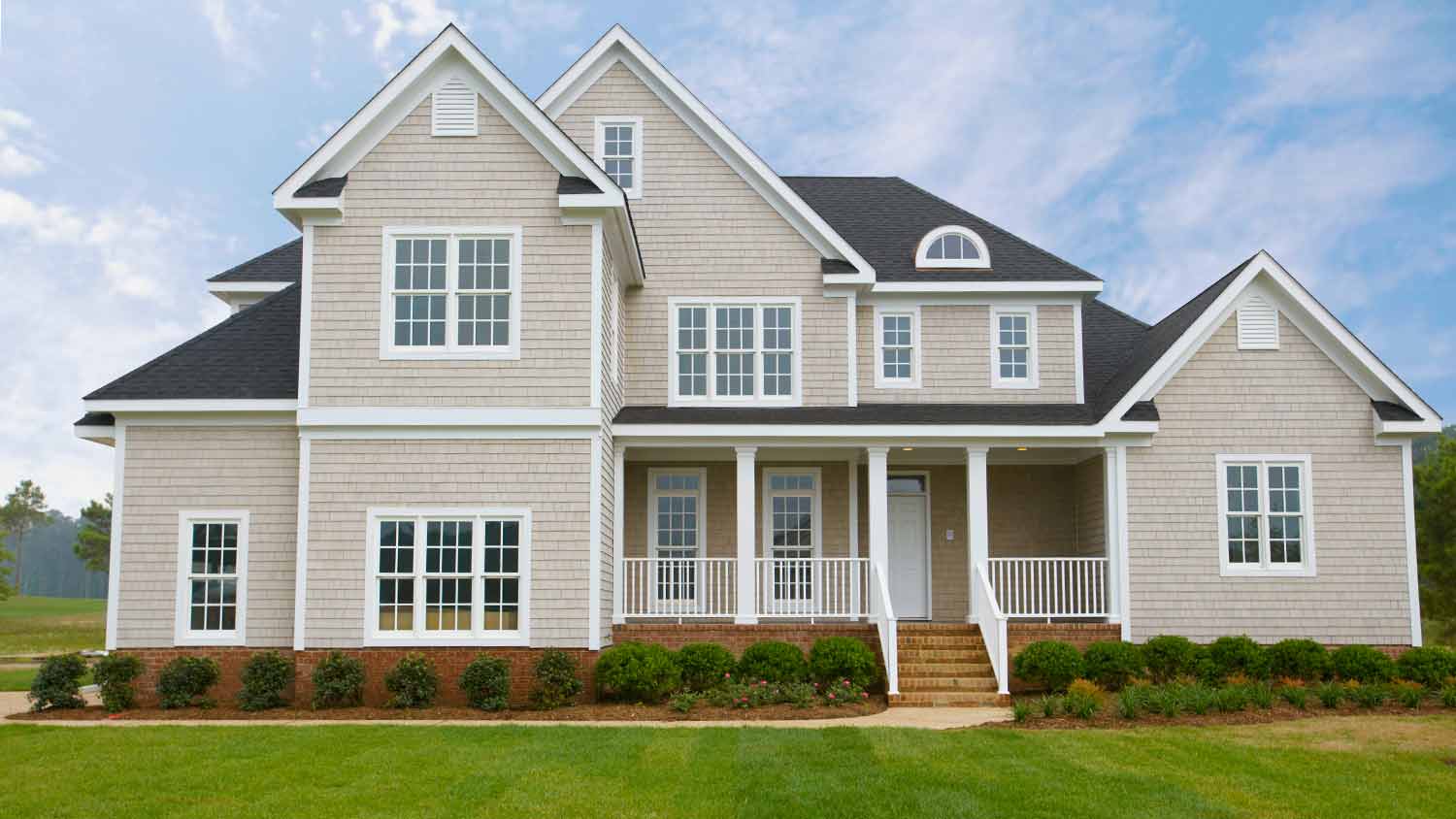
Staying ahead of foundation problems can save you time and effort. Learn how much foundation inspections cost and what affects how much you’ll pay.
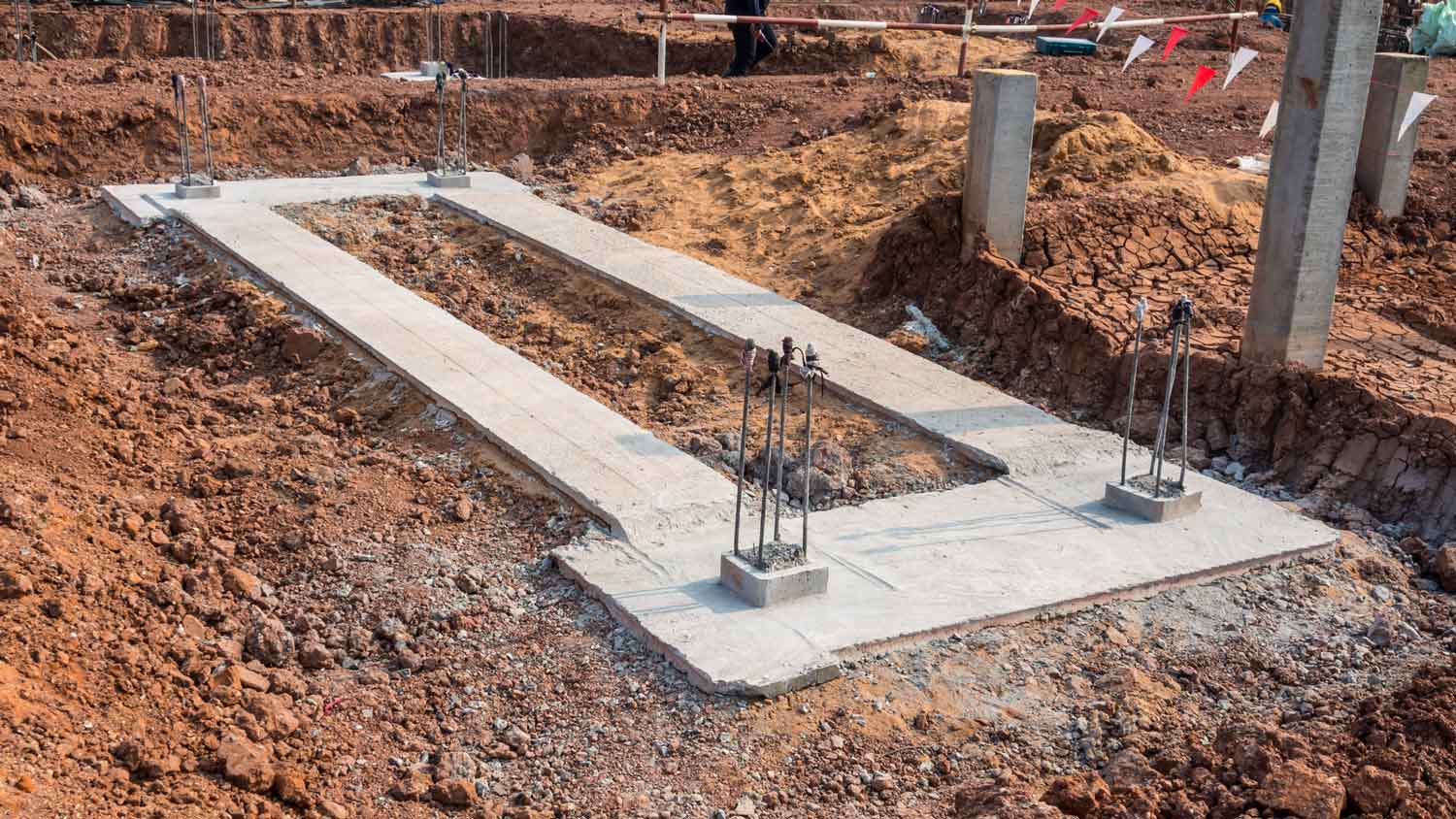
Discover how much concrete footing costs to plan your project. Learn about average prices, cost factors, and ways to save when installing concrete footings.
Minor foundation issues should be repaired before they become a major problem. When hiring a pro, consider these concrete foundation repair questions.
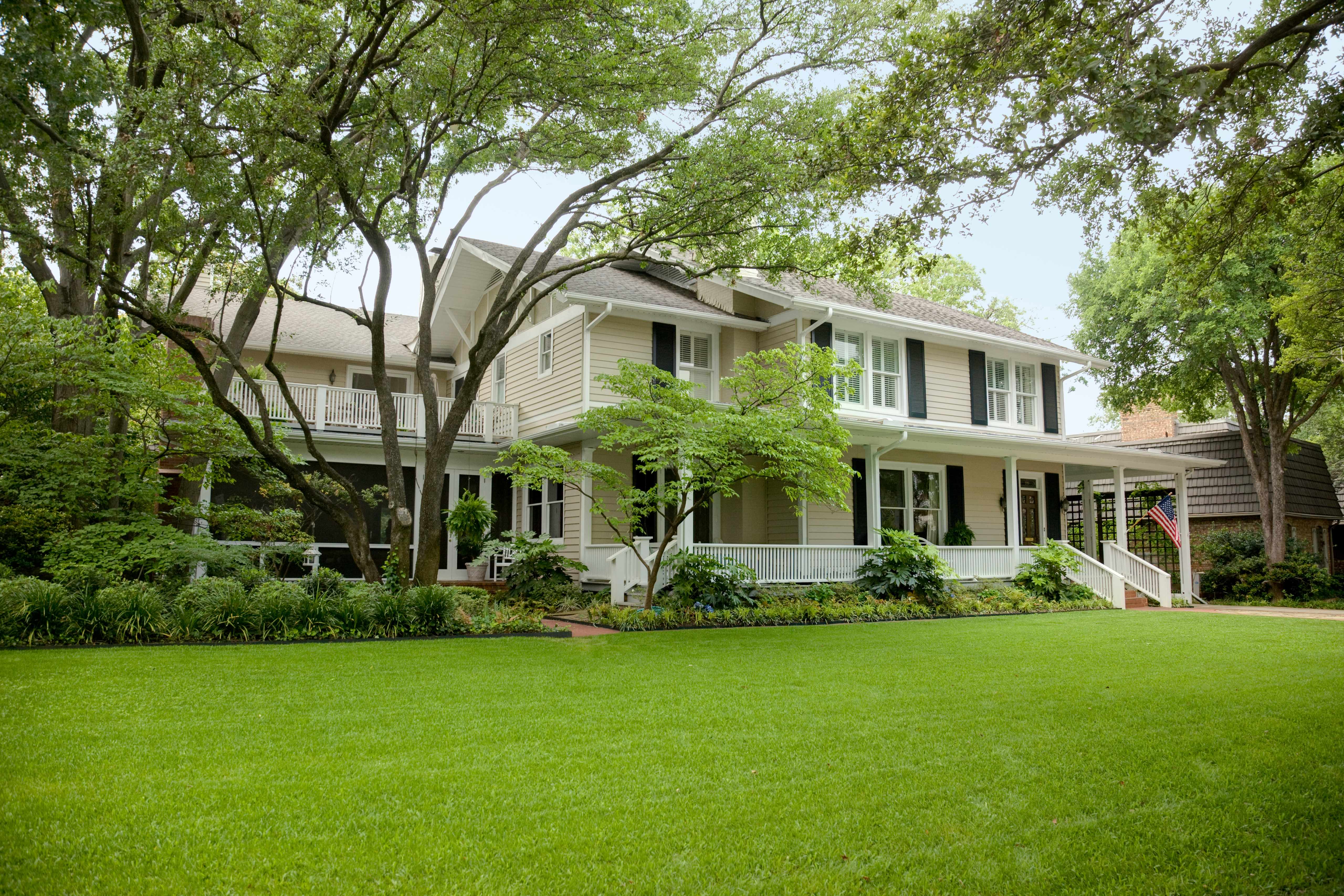
Learn how to pour a concrete slab or foundation when building a new home, and get tips to ensure the process goes smoothly.
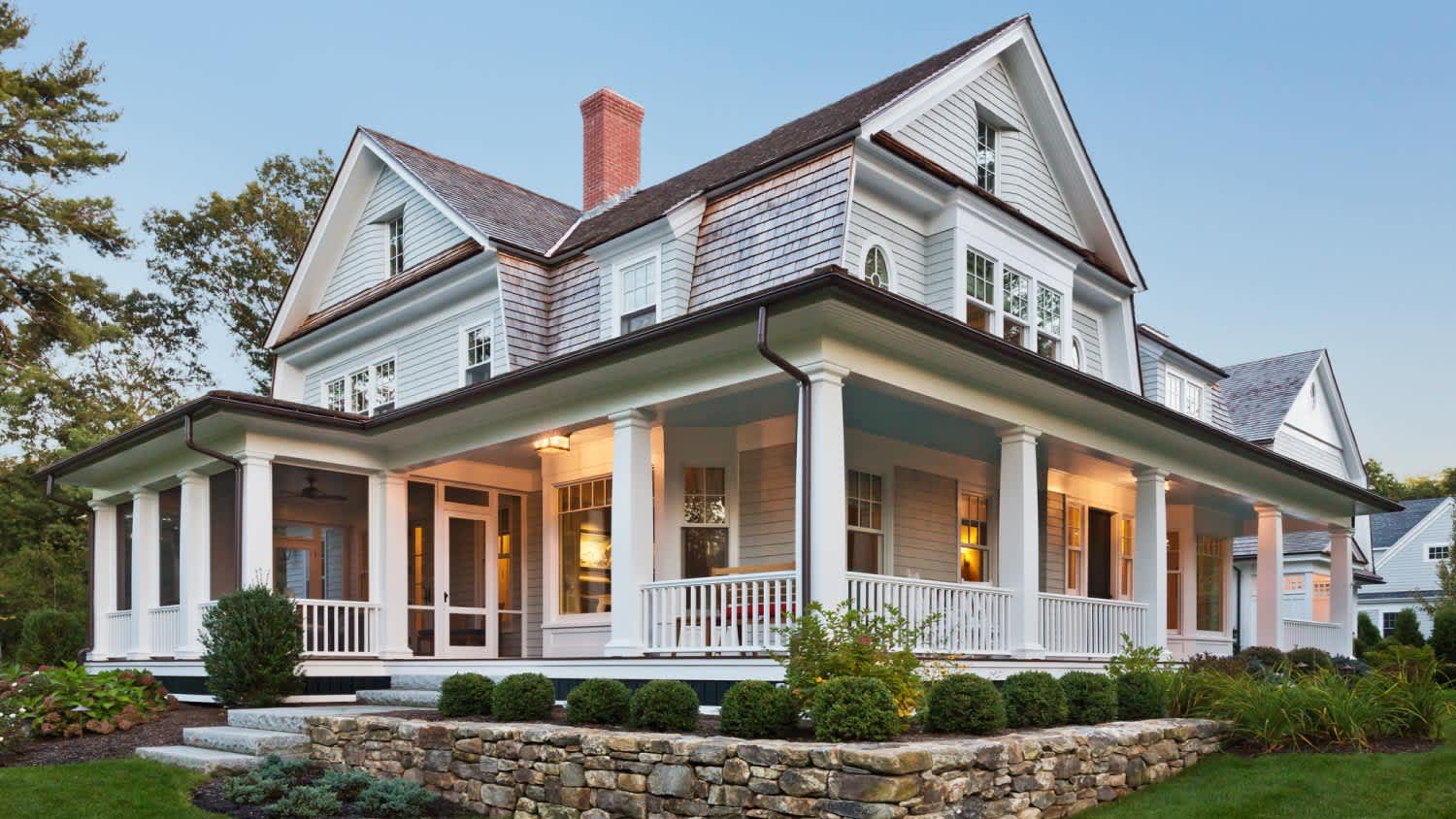
Identifying foundation issues early is the best way to avoid severe, expensive damage. Use this foundation inspection guide to check for budding problems.