

•
Discover the cost to install a ceiling fan, including labor, materials, and tips to save. Learn what impacts your price and how to budget for your project.
Kitchen and bathroom remodel costs depend on your project and location. Check with a local pro for your specific job.

Bathroom fan installation averages $396, with projects ranging from $120 to $900 depending on your bathroom size and fan type.
The type of fan you choose and the square footage of your bathroom determine the CFM rating and overall project complexity.
Account for duct and vent installation costs ranging from $250 to $950 and permits between $10 and $500 when creating your budget.
Hiring a local bathroom fan installation professional prevents electrical hazards and moisture buildup while ensuring code compliance and proper ventilation.
In 2026, the national average cost to install a bathroom fan is $396, based on 2,554 verified projects from Angi Pros. Most homeowners pay between $241 and $563, with the spread driven by bathroom size, fan type, and the complexity of your duct and vent setup.
Several factors influence what you'll pay to install a bathroom fan, and knowing them upfront helps you avoid surprises. The most important variables include bathroom size, fan type, labor, and permit requirements. If you're still deciding on the right unit, learning how to choose a bathroom exhaust fan is a smart first step before requesting quotes.
Bathroom size is one of the primary drivers of fan cost because larger spaces require higher-powered units. Bathroom fans are rated in cubic feet per minute (CFM), which measures how quickly the fan moves air—a good rule of thumb is 1 CFM per square foot of bathroom space. To find your bathroom's square footage, simply multiply the room's length by its width.
The table below breaks down CFM ratings and their corresponding fan costs by bathroom size:
| CFM Rating | Bathroom Square Footage | Average Bathroom Fan Cost |
|---|---|---|
| 80 or less | 40–80 | $20–$250 |
| 80–99 | 80–100 | $50–$325 |
| 100–150 | 100–150 | $55–$400 |
| 150+ | 150+ | $100–$500+ |
Most bathrooms need only one fan, but very large bathrooms may require multiple units to ventilate properly. Add 50 CFM per tub, toilet, or shower, and an additional 100 CFM for a jetted tub. A single high-powered 390 CFM fan costs about $340, while a 530+ CFM fan runs around $540. Installing a couple of 150 CFM fans instead could cost $200 to $1,000, so comparison shopping before you buy is worth the effort.
The type of bathroom fan you choose significantly affects your total installation cost. Fans with added features like lights, heaters, timers, or motion sensing cost more than standard models. Here is a look at the most common bathroom fan types and their average cost ranges:
| Fan Type | Average Cost Range in 2026 |
|---|---|
| Basic fan | $20–$50 |
| Wall-mounted | $20–$350 |
| Ceiling-mounted | $20–$400 |
| Inline | $100–$310 |
| Fan with light | $40–$330 |
| Fan with heater | $90–$280 |
| Fan with timer | $100–$300 |
| Fan with light and heater | $50–$370 |
| Adjustable speed | $90–$380 |
| Continuous run | $120–$330 |
| Smart fan | $75–$190 |
| Humidity or motion sensing | $100–$400 |
Bathroom fans vary in noise level, and the sones rating on the product label tells you exactly how loud a given model will be. The lower the sones rating, the quieter the fan—and the higher the price. If noise is a concern, investing in a low-noise model is worth considering, especially for bathrooms near bedrooms or living areas. The table below breaks down how the average bathroom fan cost varies based on sones rating:
| Sones Rating | Average Bathroom Fan Cost |
|---|---|
| Less than 1 | $70–$350+ |
| 1 | $20–$200 |
| 2 | $20–$90 |
| 3 | $20–$60 |
| 4+ | $20–$50 |
Labor costs for installing a bathroom fan range between $200 and $800, depending on the complexity of the work involved. Costs vary because the job may require electrical work, ductwork, venting, and roofing in addition to the fan installation itself. Hiring a pro to install a bathroom fan may mean coordinating a handyperson, an electrician, or HVAC professionals depending on your specific situation.
Permits are a required part of most new bathroom fan installations, and costs vary by permit type and location. HVAC permits average $250 to $400, roofing permits for bathroom fan projects run $70 to $250, and electrical permits range from $10 to $500. Check with your local offices to confirm which permits apply to your project and how much the permits cost before work begins.

The fan type you choose has the greatest impact on your total installation cost, so it pays to understand your options before buying. Basic models are the most affordable, while fans with added features like lights, heaters, or smart controls sit at the higher end of the price range. Matching the fan type to your bathroom's needs and your budget is the most effective way to keep costs in check.
Wall-mounted bathroom fans cost $20 to $350, making them one of the more affordable options. Many wall-mounted models are also designed to be ceiling-mounted, giving you flexibility in placement. Always check the manufacturer's instructions to confirm which installation orientations are supported before purchasing.
Ceiling-mounted fans are the most common bathroom fan option, costing $20 to $400. Installing the fan on the ceiling is the best choice for ventilation because warm, moist air naturally rises and exits more efficiently from above. If your bathroom layout allows, a ceiling-mounted installation is the recommended approach.
Inline fans are more effective at removing moisture than wall-mounted or ceiling-mounted models, with units ranging from $100 to $310. These fans mount directly onto your ductwork, pulling moist air from the bathroom and pushing it outside. The added effectiveness makes inline fans a strong choice for bathrooms with persistent humidity or ventilation challenges.
Beyond the fan unit and basic labor, several additional costs can affect your total bathroom fan installation budget, such as removal of an existing fan, electrical work, ductwork, and permits. Accounting for these costs helps you avoid surprises when the project is underway.
Whether you're replacing an existing fan or installing a new one significantly affects your labor costs. A straightforward replacement requires the fan cost plus $100 to $400 in labor, while a brand-new installation requires the fan cost plus $200 to $800 in labor. If your bathroom has never had a fan before, budget for the higher end of the labor range to account for new wiring, ductwork, and venting.
Most bathroom fan installers include removal and disposal of your old fan in their labor quote, so confirm this when getting estimates. If you're handling the removal yourself, check with your local trash company to see whether they accept old fans. In some areas, you'll need to drop the unit off at a recycling center, which is typically free.
Electricians charge $50 to $100 per hour on average for the electrical work required during a bathroom fan installation. The amount of electrical work needed depends on your existing wiring and the fan type you select. For most new installations, electrical costs are already factored into the overall labor estimate of $200 to $800.

Installing brand-new vents and ductwork for your bathroom fan is the recommended approach, as tapping into an existing duct can cause moisture buildup. A wall vent installation costs $250 to $800, while a roof installation runs a bit higher at $350 to $950. Venting through the roof is generally the better option since hot air rises. For roof bathroom fan venting, a pro will run ductwork through the attic and install a roof vent cap. New fan installation costs about $200 to $800 in total, including duct and vent installation.
The easiest way to save on bathroom fan installation is by choosing the fan that best fits your budget. Since fans range from $20 up to hundreds of dollars, you should consider which features you need.
Just make sure to buy the fan with the right CFM rating for your bathroom. Cutting corners here could mean your bathroom doesn't ventilate properly. Whether it feels unpleasantly stuffy or leads to mold growth, you'll want to avoid these potential problems as they can be costly to fix.
Additionally, you get quotes from at least three exhaust fan installers so you can compare different companies' services. Check all of the details to thoroughly understand all of the fees.
Learning how to install a bathroom fan isn't for beginner DIYers, since it requires a wide range of skills and knowledge in electrical and HVAC systems. Even for experienced DIYers, it's usually best to replace existing fans rather than install a new one from scratch.
It's always best to call a local bathroom fan installer. They'll help get the job done so you can get back to taking long showers without worrying about mildew or mold growth.
Installing a bathroom fan isn't a simple DIY task. Here's why it's best to hire an experienced pro:
Hiring a pro ensures your bathroom fan is installed safely, efficiently, and in compliance with local building codes.
DIY installations can lead to electrical hazards, poor ventilation, and costly damage.
Bathroom fan pros know how to handle tasks like wiring, ducting, and mounting.
Professionals know how to prevent common problems like improper venting, moisture buildup, and mold growth.
Professionally installed bathroom fans improve airflow, reduce humidity, and protect your home from moisture issues.
If you want to participate in the fan installation process, focus on smaller tasks such as:
Clearing decor, rugs, and accessories from your bathroom to provide your pro with easy access
Helping to measure or mark the ceiling for proper placement
Holding or passing tools and parts to your installer
Cleaning up dust, debris, and packaging after installation
Be ready to discuss with a pro which type of fan—wall-mounted, ceiling-mounted, or inline—will fit your budget.
Provide your pro with the size of your bathroom and the location of your fan.
Let your pro know about any existing fans or light fixtures that require removal.
Discuss any electrical concerns or moisture issues before installation begins.
Home is the most important place on earth, which is why Angi has helped more than 150 million homeowners transform their houses into homes they adore. To help homeowners with their next project, Angi provides readers with the most accurate cost data and upholds strict editorial standards. We survey real Angi customers about their project costs to develop the pricing data you see, so you can make the best decisions for you and your home. We pair this data with research from reputable sources, including the U.S. Bureau of Labor Statistics, academic journals, market studies, and interviews with industry experts—all to ensure our prices reflect real-world projects.
Want to help us improve our cost data? Send us a recent project quote to [email protected]. Quotes and personal information will not be shared publicly.
Jason has helped me with multiple household projects, with the most recent being new door installation. He has always showed up on time and organized and has done an incredible job! Jason is very professional and he's now my go-to for anything around my house that needs to be fixed or...
 Huff Garage Rescue, LLC
Cole has been handling plumbing and general contracting for our four properties over the past three years, and he’s always done a great job. Most recently, he installed a sink and countertop in our retail store where none existed before, and it turned out exactly how we needed. He’s...
 ANB Renovations LLC
1st Choice Renew is simply the best! We hired them for a complete home renovation, and they transformed our space into something truly amazing. The team attention to detail and commitment to quality were evident throughout the project. They were easy to work with, very responsive, and always...
 Save A Dime
This company went above and beyond with their work, chimney sweeps are usually pretty messy, but the clean up was spot on.!! Josh explained every thing that he was doing, and the things that he was checking to make sure the chimney was safe for me and my family. He was very professional,...
 Supreme brick & chimney
Custom Paint Jobs LLC turned our outdated bathroom into a modern masterpiece.
 Custom Paint Jobs, LLC
Excellent customer service and knowledge. I was recommend to him from my neighbour. My front door and window came in great and were installed beautifully perfectly, I m very satisfied with their excellent work, so decided to order one more big bow window for my living room. I cant wait for...
 Window Depot USA of Central Ohio
If I could give 10 stars for Kitchen Tune Up, I would. I cannot say enough good things about my experience with Kitchen Tune Up and the entire team involved in the process of my kitchen project. They went above and beyond as far as service and quality with my cabinets, paint, countertops, and...
It was wonderful working with Yordy and his team. They were very professional and are experts in what they do. They have completed the work on time, with better quality and with in fairly reasonable price. We just started with backsplash work , but liking his work, we went on to provide...
 Flooring Solutions
We were having 2”x 2” tile installed . There was a small installation error and the new additional replacement tile was from a different lot and the colors didn’t match. Joe assured us that he would rectify everything , which he did without hesitation. We decided to go with the 18” x 36” tile...
 CarifaTile
They work that 360 did on my kitchen cabinets is nothing short of amazing. I still cannot believe the difference from before and after. Jon and Jeff were both so incredibly professional throughout the whole process and their communications with me were constant and consistent. These guys...
 360 Painting Columbus
From average costs to expert advice, get all the answers you need to get your job done.
Discover the cost to install a ceiling fan, including labor, materials, and tips to save. Learn what impacts your price and how to budget for your project.

Whole-house fans can help reduce your electric bills by providing ventilation and cool, fresh air. Use this whole house fan cost guide to price out the project.

Attic fan installation costs vary based on location, fan type, and other factors. Get the cost breakdown for labor, materials, and additional extras so you can work out your budget for this essential home renovation project.
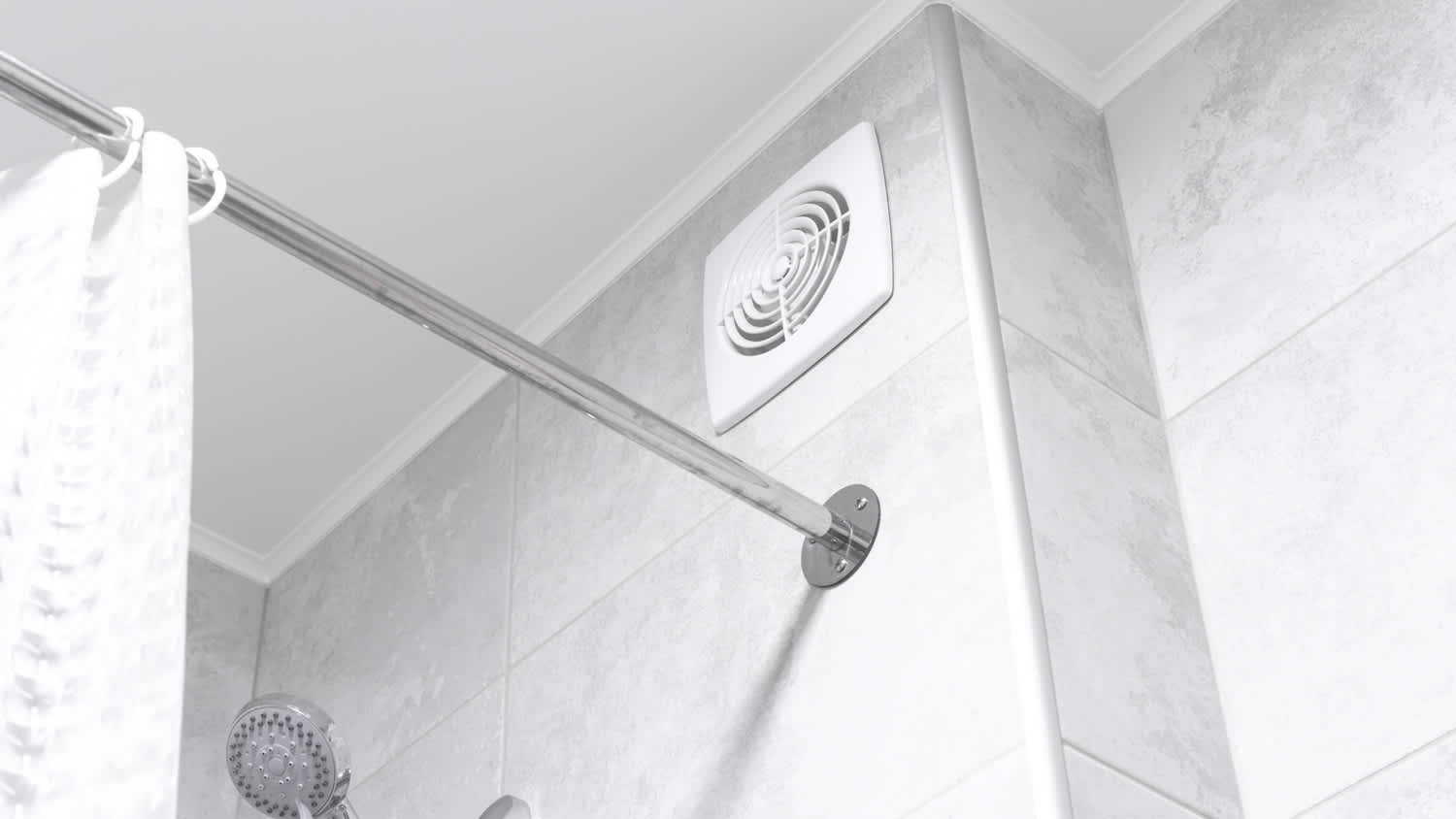
Learn how to hire a qualified bathroom fan installation pro. Find tips on questions to ask, qualifications to verify, and what to expect.

If you’re wondering who installs bathroom exhaust fans, you can call several different types of pros, or do it yourself, depending on your needs.
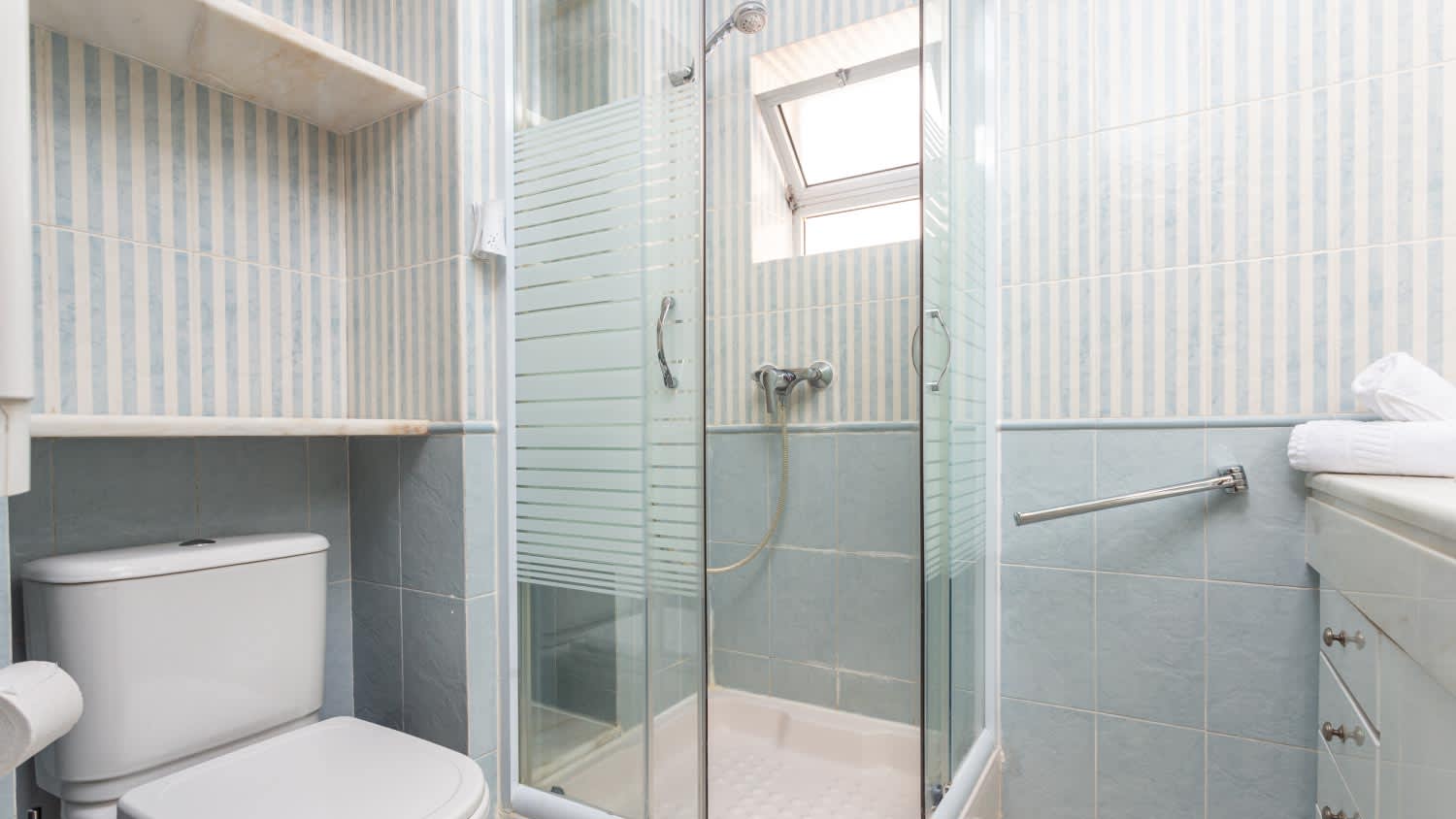
Is your bathroom trapping steam and moisture? Learn about bathroom fan installation costs, warning signs, and how to hire a local bathroom fan installer.