
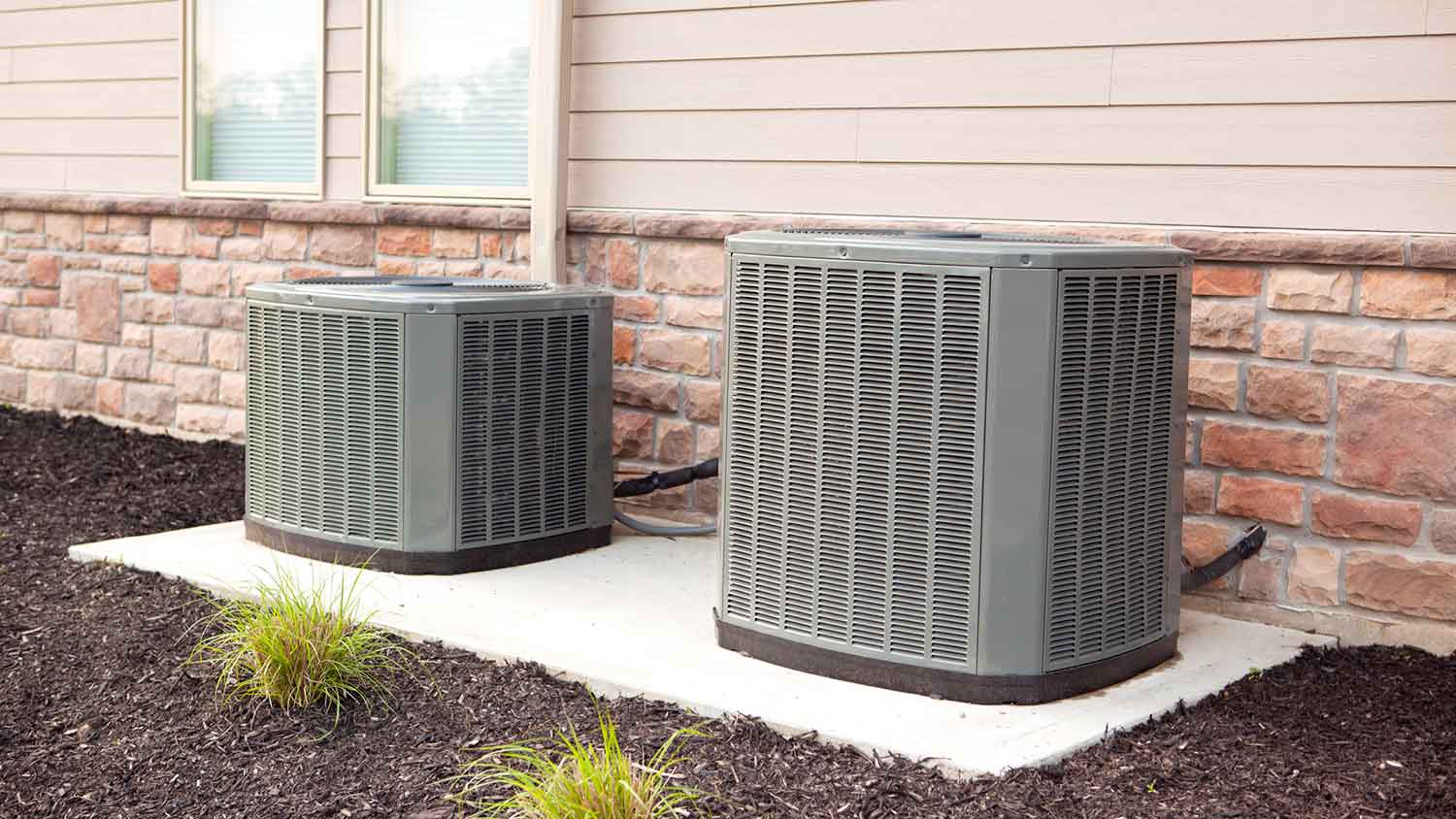
Average costs of HVAC inspections vary based on house size, location, and type of HVAC system. Follow our easy guide to gauge your home’s HVAC inspection cost.
Avoid and address these common HVAC issues

Common HVAC issues like dirty air filters restrict airflow and force your system to work harder, reducing efficiency and raising energy bills.
Short cycling happens when your system turns on briefly then shuts off before completing the cooling cycle, often caused by incorrect sizing or thermostat problems.
Air handler malfunctions show up as loud banging sounds, electrical burning smells, or poor air quality despite clean filters in your home.
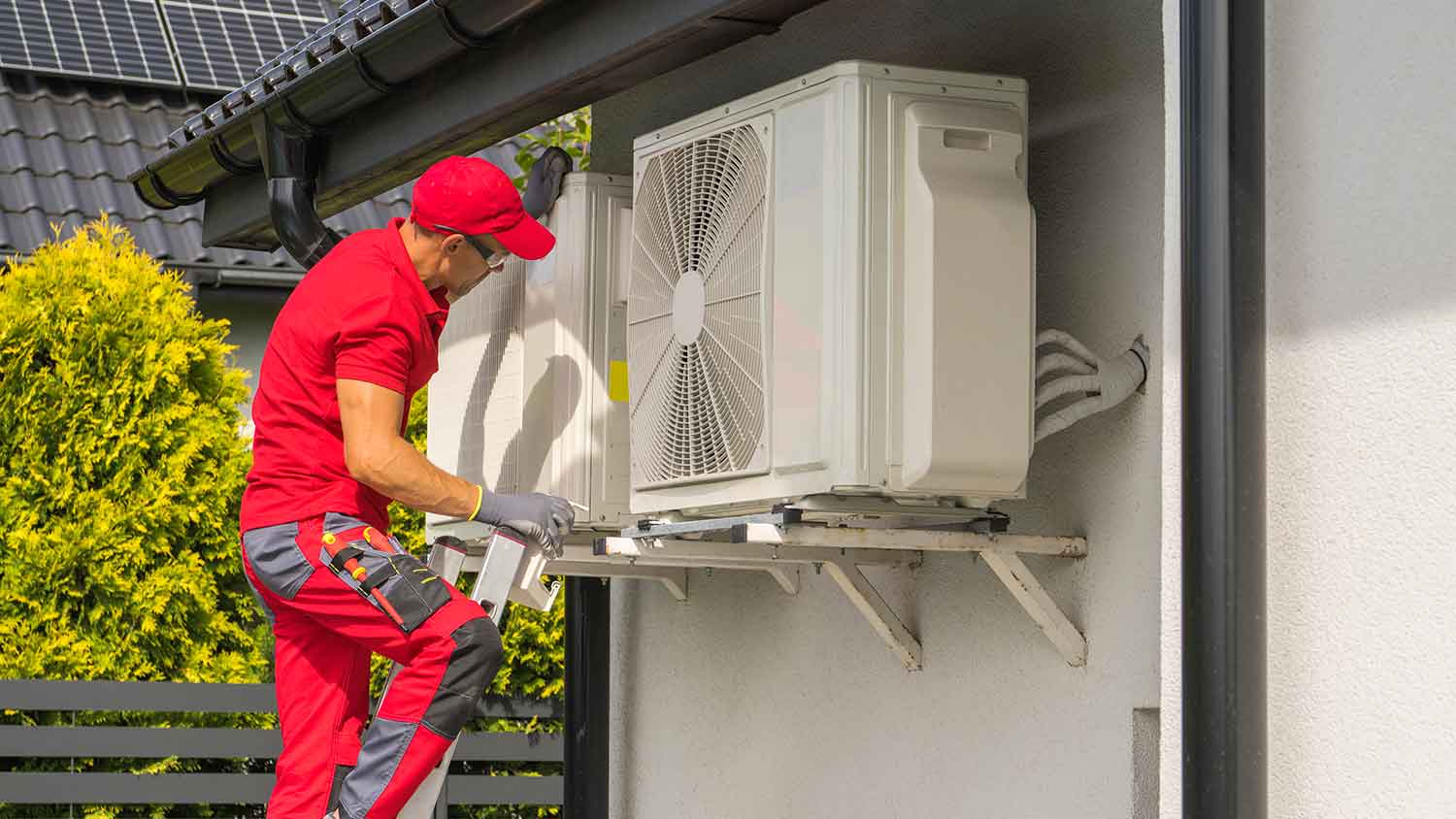
Hiring a local air conditioning repair professional provides reliable support for refrigerant leaks and compressor repairs, keeping your system running efficiently.
Your HVAC system keeps you toasty during the winter months and cool during the summer months, in addition to filtering your air and maintaining proper humidity levels. In other words, this complicated yet necessary system often falls victim to common HVAC problems.
Some of these problems require a local HVAC repair technician to resolve, but others are DIY-friendly. Here are some common HVAC problems and solutions.
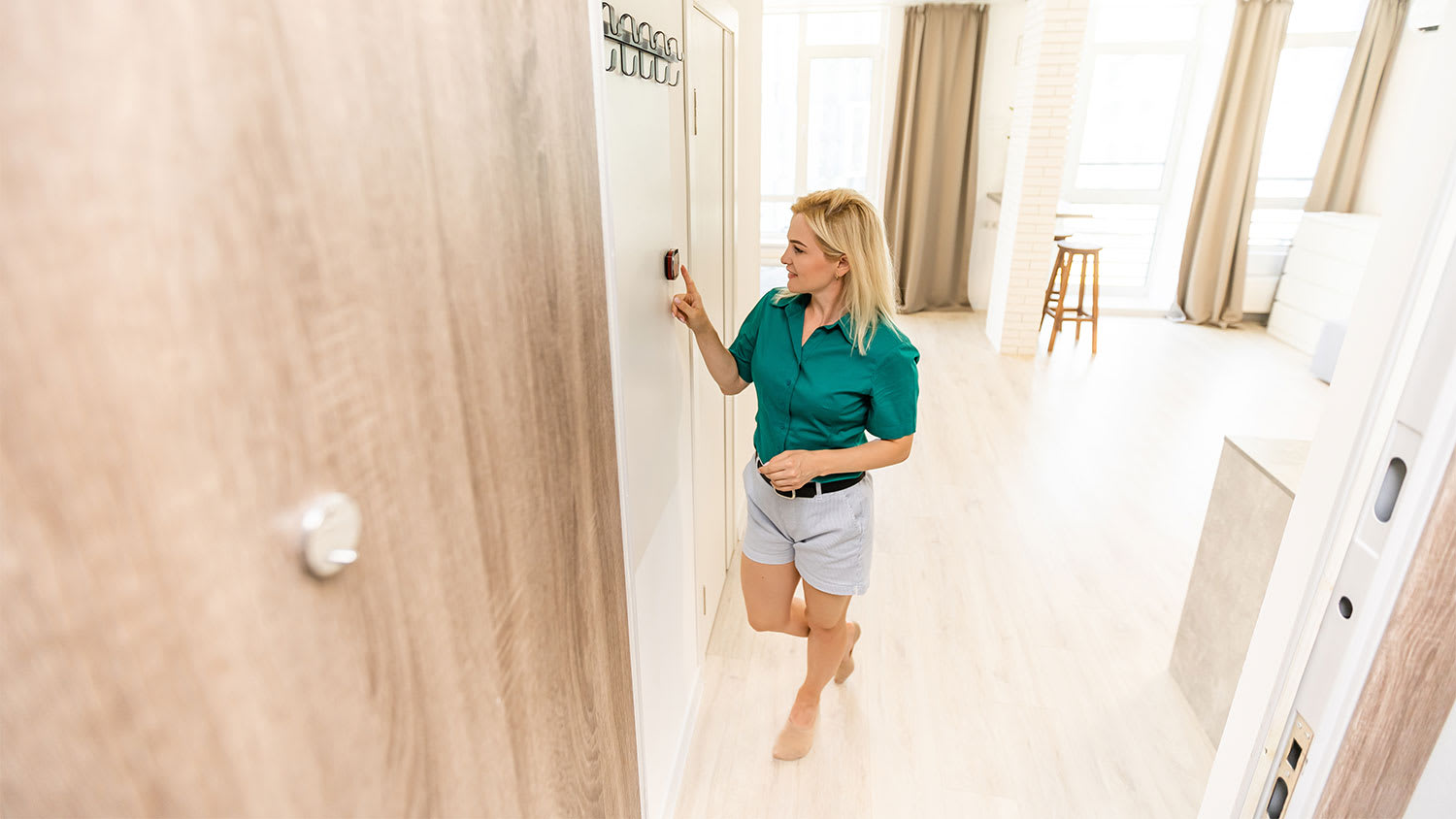
One of the most common HVAC problems is the system not turning on. Sometimes, this issue is caused by something simple, such as dead batteries in the thermostat. But in some cases, it can stem from a more serious issue, such as a wiring problem within the unit or an electrical issue within your home.
The first thing to do is check the batteries in the thermostat. Replacing the batteries will cost much less than a service call. If that’s not it, the issue could be a tripped circuit breaker. Locate your circuit breaker and see if the breaker for the HVAC system is in the “off” position. If so, you can switch it back to the “on” position to reset the breaker and turn on the unit.
If these solutions don’t work, it’s time to call in a professional HVAC repair company near you to diagnose the problem. An HVAC technician will be able to quickly identify the issue and fix the cause correctly.

Is your air conditioner or heater struggling to keep up with extreme weather or even day-to-day needs? Your HVAC system has lost some of its efficiency. An inefficient HVAC system decreases your home’s comfort level and leads to an increase in energy consumption and utility bills.
There are a number of possible reasons why your system is not as spry as it used to be, so prepare for some troubleshooting.
Your first stop? The air filters. Change out or clean each and every filter affiliated with your system according to instructions.
Dirty filters prevent the usual flow of air, so swap them out every two or three months.
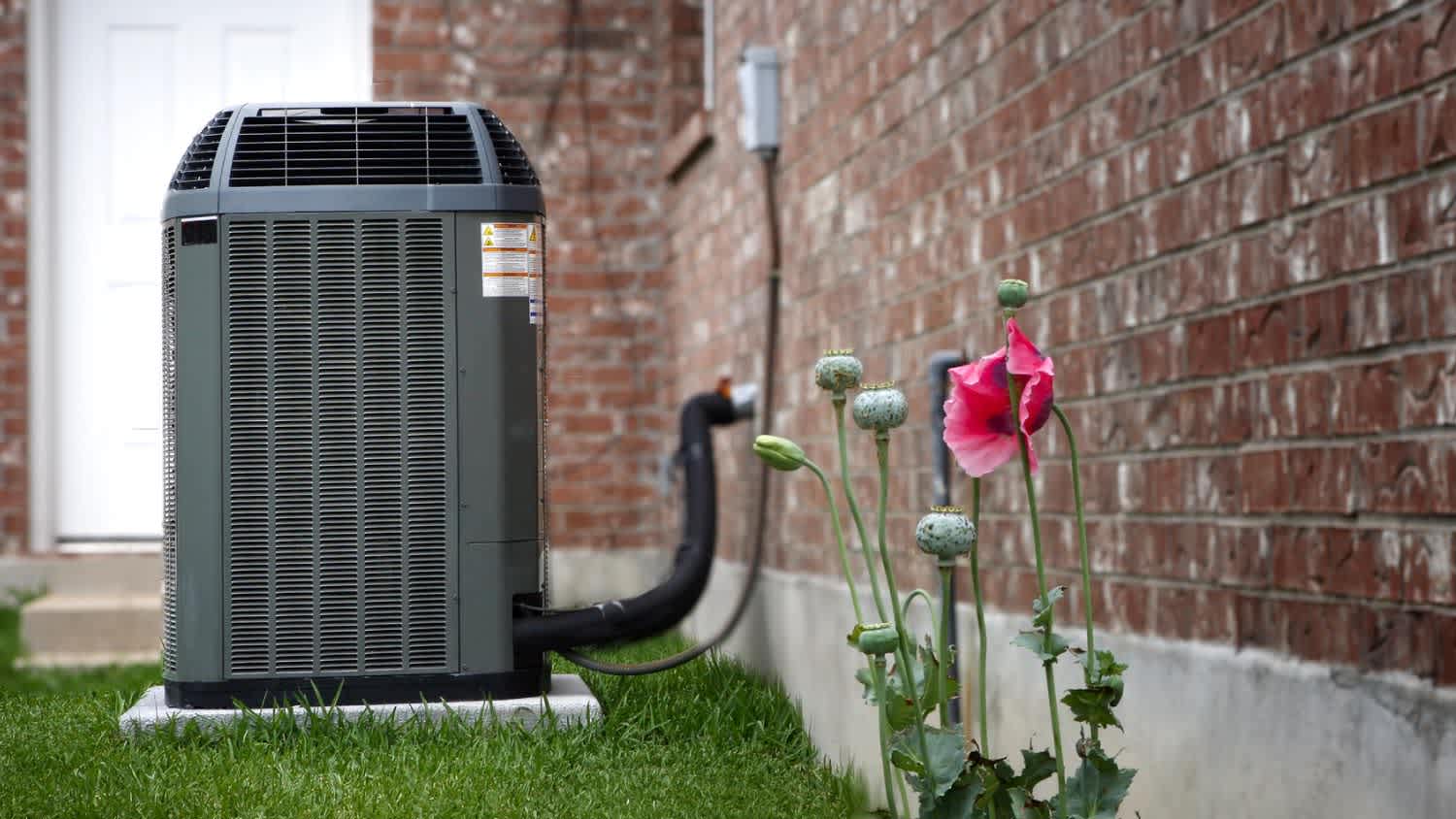
Blockages are also a common culprit for poor airflow. Go outside to your central unit and remove any debris.
Repeat that step for your vents, ducts, and grills.
Dirty ducts and related components also lead to a decrease in overall efficiency.
Properly cleaning these areas, however, requires specialized tools. Contact a local duct cleaning company and set up a consultation.
When your HVAC system sends out cool or hot air to different rooms at different rates, it creates uneven temperature distribution. Many factors determine which parts of your home receive HVAC system priority, such as the room size, the location of air vents, the windows, and even the outside temperature.
Luckily, there are some easy fixes for this common HVAC problem that’ll even out the temperature levels in your space.
The likely culprit here is poor insulation in certain parts of your home.
First, cover up big windows with sun-blocking drapes or blinds. Check on the window liners and replace if necessary.
Beef up insulation throughout the house via your preferred materials. As always, clean or replace the air filters.
Install dampers in your HVAC system, otherwise known as duct dampers or volume balancing dampers. These movable plates go in the ductwork and regulate the flow of air.
Look into a zoned HVAC system. An HVAC zoning system activates your air conditioner or heater based on the most used parts of your home.
Make sure to cover big windows with sun-blocking drapes or blinds. You should inspect each room's insulation. Also, add dampers to regulate your HVAC system. This addition will move the air to make every room equal in temperature.
Whining, squealing, rattling, and other noisy operations in most types of HVAC systems are common problems that are indicative of various issues. Whining or squealing sounds point to problems with moving parts, while rattling noises often indicate loose components or debris in the system.
These noises can disrupt the comfort of your home and, if left unaddressed, may lead to more significant system damage. It's crucial to diagnose and resolve these noises promptly to ensure the HVAC system operates efficiently and quietly.
Safely examine the system's moving parts, such as fan blades, bearings, and belts, for signs of wear or damage. Lubricate these components as recommended by the manufacturer to reduce friction and noise.
Check for loose screws, bolts, or fasteners in the system, particularly in the blower motor and other accessible parts, and tighten them to eliminate rattling sounds.
Dirty or clogged air filters can obstruct airflow, causing the system to work harder and create additional noise. Clean or replace filters regularly to ensure proper air circulation.
Loose or damaged ducts can cause rattling or banging sounds as air passes through. Inspect and secure duct connections and, if needed, repair or insulate them to reduce noise.
If noise persists and your system is outdated, consider upgrading to newer, more efficient models designed for reduced noise levels.

The efficiency and performance of your air conditioning system can be negatively impacted by dirty evaporator coils, which is a common issue for HVAC systems. These coils within the indoor unit can clog with dust, debris, and other particles over time, forming an insulating layer that obstructs heat absorption and transfer.
As a result, the system must exert more effort, resulting in reduced cooling capabilities and possibly elevated energy expenses. To ensure optimal cooling and energy efficiency, address dirty evaporator coils promptly.
Keep the area around the indoor unit clean and dust-free to minimize the introduction of additional debris onto the coils.
Ensure you change or clean your air filters regularly, as clean filters help prevent dust and debris from reaching the evaporator coils.
Consider using high-efficiency air filters or electronic air cleaners to reduce the amount of airborne particles that can accumulate on the coils.
Maintain good indoor air quality to reduce the buildup of dust and particulates in the first place, which will, in turn, help keep the coils cleaner for longer.
If your coils are heavily soiled or clogged, seek professional assistance for a more thorough cleaning or potential coil replacement.
Schedule regular maintenance with a professional HVAC technician who can clean the evaporator coils as part of a routine service.
If your system is blowing hot air in the summer when it should keep things cool, there’s a problem. Several things could cause this issue, including dirty air filters, a damaged compressor, or low levels of refrigerant. If the air filter is clogged or dirty, it can restrict airflow and strain the unit, causing it to blow warmer air than usual.
The HVAC compressor’s job is to compress the refrigerant gas to cycle it through the AC system to the condenser so it can cool the air. If it’s malfunctioning, it will not cool the air properly. If your system's refrigerant level is low, it can also prevent it from cooling the air as it should.
You can replace air filters yourself and see if this will fix the problem.
Listen for clicking or rattling noises coming from the compressor. If it makes unusual noises, you should call in a professional HVAC technician to check the compressor to ensure it is operating correctly.
Is there ice on the evaporator coil or refrigerant lines? That’s a sign the refrigerant levels are low. You can also listen for hissing sounds, as that can also be a sign you need a professional to come in and recharge the freon.
If refrigerant levels are low, it may indicate an AC refrigerant leak. Leaks are one of the most common HVAC problems, and they must be addressed by a HVAC professional. Some causes of leaks can be things such as corrosion, wear and tear, and poor installation.
If it’s a simple fix, you may be able to go the DIY route, but only if you have HVAC experience. You may be able to detect refrigerant leaks, and then call in a professional to fix it.
Refrigerant leaks are hazardous, and detecting them can be dangerous. You can try various methods for detecting leaks, such as performing a visual inspection to check for oil or residue leaks around fittings, connections, and valves, or using soapy water on the lines to see if it bubbles and shows a sign of a leak.
You can also invest in an electronic leak detector, but it may be more cost-efficient and safe to call in a professional HVAC technician to find the leak for you.
The air handler is the part of the HVAC unit that circulates the air throughout the system and into the residence. Air handlers may malfunction due to dirty filters, a malfunctioning motor, or faulty wiring.
A couple of tell-tale signs your air handler is malfunctioning are hearing a loud banging or screeching sounds when the system turns on or smelling electrical burns coming from your ductwork. Always call a HVAC professional as soon as possible if you ever have a burning smell from your HVAC system.
Pay attention to the air quality. If the air quality is poor despite changing your filters, it’s a sign the air handler isn’t working properly.
Check for loss of airflow. If the air isn’t blowing, the blower may be malfunctioning.
You will need to contact a professional HVAC technician to fix the air handler because it can be risky and complicated to fix.
Does your air conditioning come on, but turn off after a few minutes before the room is cool? If so, then your HVAC could be short-cycling, which is when your unit will run for a couple of minutes, then turn off before the cycle is complete. Short cycling has a few causes, such as electrical issues, dirty air filters, frozen evaporator coil, leaks, and thermostat issues.
Another reason is your HVAC system is the incorrect size for your home. If the unit is too large or small, it will short cycle. For example, if the unit is too big for the space, it will cool the area too quickly and turn off before the cycle is complete.
You can fix this issue by changing the air filters. If filters are dirty and clogged, this may be the source of the problem, meaning this simple solution will fix it.
Check for leaks in the lines or ice buildup on the evaporator coil. If you notice a leak or buildup, hire an AC repair pro to fix the problem. If the thermostat is malfunctioning or there are electrical issues, a professional will need to correct these problems so your unit will stop short cycling.
Gas-powered furnaces and water heaters often encounter issues with their pilot lights, which serve as the ignition source for the gas burner. When they malfunction, heating system failures can occur, with common problems including frequent outages, flickering, or complete failure to ignite.
Several factors can contribute to these issues, including thermocouple malfunction, dirty or obstructed components, gas supply problems, or malfunctioning electronic ignition systems.
Ensuring that your pilot light is functioning correctly is essential to maintaining a comfortable and warm living space, as malfunctions can severely disrupt the heating in your home.
Note: Trying to fix a pilot light can be dangerous and cause severe injuries if safety precautions are not followed or if done improperly. It’s always best to contact a professional to solve these issues.

Relight the pilot light following the manufacturer's instructions to ensure it's safely relit.
Inspect the thermocouple by checking for a bend or other damage and, if needed, have it replaced by a professional.
Dust, dirt, or soot can obstruct the pilot light and prevent it from staying lit. Carefully clean the area around the pilot and ensure there are no obstructions.
Ensure the gas supply to the furnace or water heater is turned on and that the gas valve is functioning correctly.
If your system has an electronic ignition, troubleshoot any potential issues with the ignition system or seek professional help for repairs.
If you're unable to resolve the issue, or if the pilot light problems persist, contact a qualified HVAC technician for a more in-depth inspection and repair.
If your electric bill is higher than usual, it may be the result of these common HVAC problems. Of course, extreme temperatures can make your HVAC system run more frequently and cause increased energy costs. But, if circumstances are the same and your bill skyrocketed, it's crucial to figure out what is causing your system not to operate efficiently.
You will notice that many HVAC problems stem from dirty air filters. So, the first step is to check the air filters and replace them if needed.
Schedule a regular maintenance check anyway to keep your HVAC system in optimal condition.
If you’re good people wanting to do business with good people, hire Matt. He is a consummate professional and utterly competent. He installed a water heater in my home at a price that beat competitors by hundreds of dollars with a promise to support the unit for its life (even after its 6 yr...
 Greene's Plumbing Services
Corey Carr was great. I had damage from a recent storm and needed to have my mast and other components replaced. The project entailed coordinating with AEP, and Corey helped make a stressful situation a lot less stressful. I really appreciated his dedication to service and the job very well done.
 Mr. Electric of Columbus
This service was great. My air conditioner went out during the heat spell that we had. My husband has health issues and they came out that night and at 9:30pm the air conditioner was fixed and running. We are sooo very thankful, this is the company I will be using from now on and would...
 Mr. Mechanical Ohio
I normally do not leave reviews, but my experience with Worthington Air was extremely frustrating and disappointing. About 30 days ago, I had a consultation done for an HVAC replacement and was quoted approximately $15,079. Based on that quote, I applied for financing through their company...
 ARS Columbus Worthington Air
Great company! Price was competitive, technician showed up on time and completed the job (exterior electric Radon fan replacement) quickly. Would hire them again.
 MaGen Property Inspections and Radon Mitigation
Raven and crew does absolutely fantastic job. They are very professional if any concerns were to occur with any of her work she always took responsibility and finished out with a great job. I have worked with her business for a year and have always been satisfied. Very trusted business and...
 Creations of Transformation LLC
I would recommend this company to anyone! He showed up on time, was friendly, completed a very difficult repair on our dryer vent cover, was responsive, and pricing was extremely fair and competitive. I would have him back to do any of our repairs or cleanings without hesitation!
 U.S.A. Dryer Vent, LLC
Ace Fireplace Services' chimney sweep service is truly exceptional. They used advanced technology to ensure a thorough cleaning process, and my chimney has never looked better. I highly recommend their services.
 Ace Fireplace Services
The technician was very professional and friendly. He answered all my questions and was very thorough. He left the fireplace area very clean . He inspected from the roof and advised me as to other work that might need to be done. There was no pressure there. I was very satisfied with the...
 Supreme brick & chimney
On time, clean and finished fast. Windows seem sturdy and the finish is good. Caulking was done with no smudges. Would recommend.
 Window Depot USA of Central Ohio
From average costs to expert advice, get all the answers you need to get your job done.
Average costs of HVAC inspections vary based on house size, location, and type of HVAC system. Follow our easy guide to gauge your home’s HVAC inspection cost.

If you suffer from allergies, look to your HVAC for help. With a few system upgrades, you can ensure only the freshest air circulates in your home.
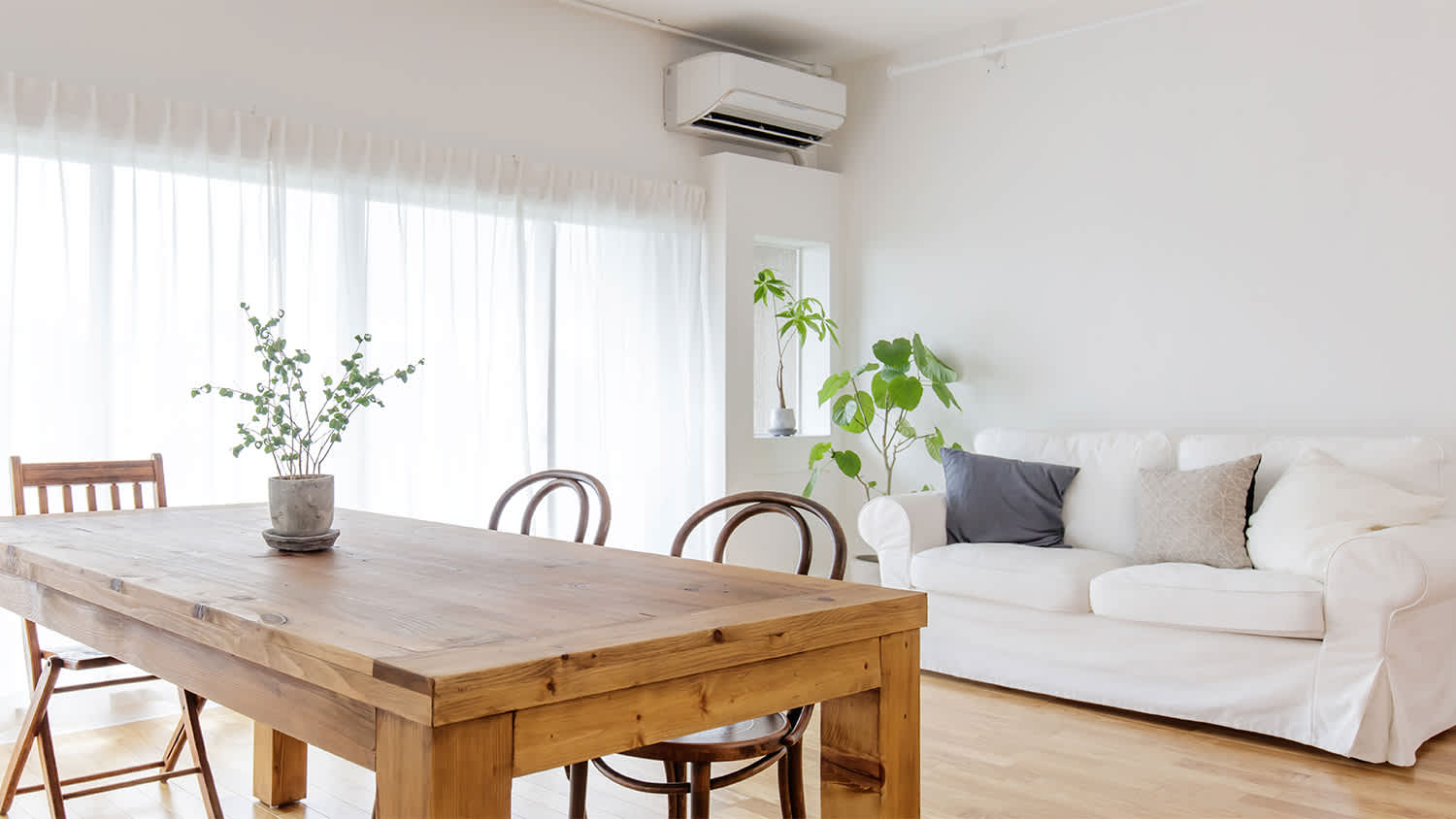
Repairing your HVAC is not often advisable, but many attempt it in a pinch anyway. Here are some common repair mistakes to avoid and when to call in the pros.
Air conditioners have a really important job, which is why it’s upsetting when they stop working. Check out 12 air conditioner troubleshooting tips here.
Several signs might indicate your HVAC is not working properly. Our guide will tell you when an issue is serious and when to call HVAC repair.
Think you have an AC coolant leak? Check out six telltale signs that something is up with the coolant in your system and tips to prevent it in the future.