

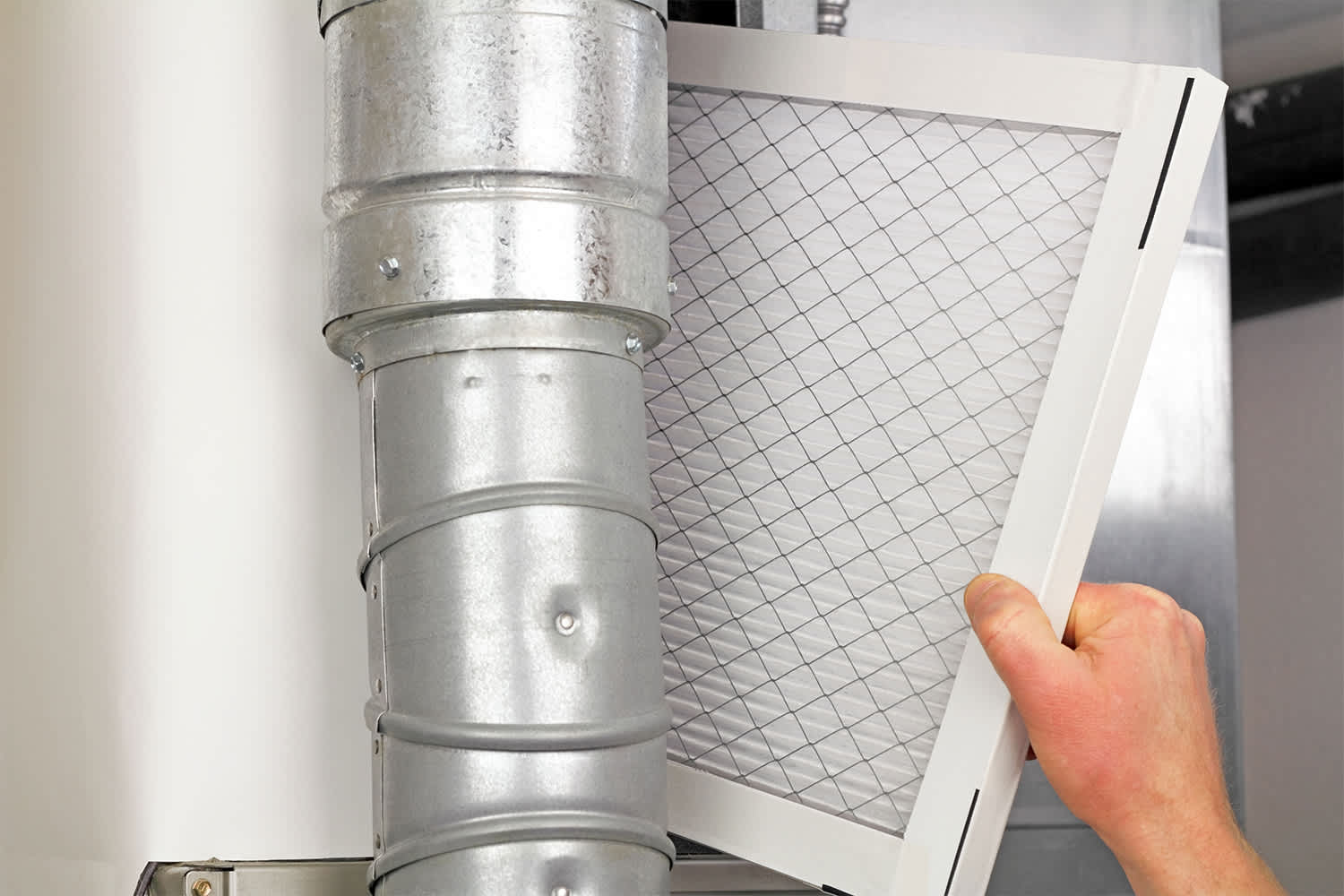
The average cost of an electric furnace ranges between $1,700 and $7,000, depending on the size, ductwork, and complexity.
Heating and air conditioning service costs depend on your project and location. Check with a local pro for your specific job.


New furnace installation costs between $2,823 and $6,897 on average, with your furnace type and size impacting your total.
The fuel type you choose and the efficiency rating of your furnace will determine how much you save on monthly heating bills.
You should account for old furnace removal fees, building permits, and potential ductwork upgrades when creating your budget.
Hiring a local furnace installation professional ensures your system is sized correctly and keeps your home safe from carbon monoxide risks.
In 2026, the national average cost for a new furnace installation is $4,814, based on 11,869 verified projects from Angi Pros. Most homeowners pay between $2,823 and $6,897, with furnace type, size, and fuel source being the primary drivers of that spread. If it's been a while since you've gone furnace shopping (they last about 20 years on average), budgeting for old furnace removal, permits, and ductwork upgrades will help you avoid surprises.
Furnace installation costs vary based on several factors, including the size, type of furnace, and brand. The most common variables that shape your total are furnace capacity, fuel type, and efficiency rating. Understanding how each factor affects price helps you build a realistic budget before you start getting quotes.
A new furnace often costs between $1,200 and $10,000 installed, depending primarily on the heating capacity your home requires. Furnace capacity is measured in British Thermal Units (BTUs) per hour, with the average home needing 80,000 to 100,000 BTUs. To determine what furnace size you need, estimate 30 to 60 BTUs per square foot of living space. Choosing a system that's too large or too small will result in wasted energy, uneven heating, and a shorter equipment lifespan.
The table below shows the estimated furnace installation cost based on home size and BTUs needed:
| Home Size | BTUs Needed | Average Cost Installed in 2026 |
|---|---|---|
| 1,000 square feet | 30,000–60,000 | $1,200–$2,000 |
| 1,500 square feet | 45,000–90,000 | $1,800–$3,000 |
| 2,000 square feet | 60,000–120,000 | $2,400–$4,000 |
| 2,500 square feet | 75,000–150,000 | $3,000–$5,000 |
| 3,000 square feet | 90,000–180,000 | $3,600–$6,000 |
| 3,500 square feet | 105,000–210,000 | $4,200–$7,000 |
| 4,000 square feet | 120,000–240,000 | $4,800–$8,000 |
| 4,500 square feet | 135,000–270,000 | $5,400–$9,000 |
| 5,000 square feet | 150,000–300,000 | $6,000–$10,000 |
The type of furnace you choose directly affects your installation cost, since each fuel source requires different equipment and infrastructure. All furnaces heat your home, but the way they are powered varies significantly. The table below breaks down average installation costs by furnace type:
| Furnace Type | Average Cost Installed in 2026 |
|---|---|
| Electric | $2,000–$7,000 |
| Natural gas | $3,800–$10,000 |
| Oil | $6,750–$10,000 |
| Propane | $3,700–$14,200 |

When shopping for a new furnace, the first decision you'll make is which fuel type to use, and the four most common options are natural gas, propane, oil, and electric. Natural gas is the most popular choice among homeowners—according to Angi customer data, 58% have a natural gas furnace, while 12% use oil, and another 12% use electric. Consult a local furnace professional to determine which fuel type and system are the best fit for your home.
Where you live directly affects what you'll pay for furnace installation, since labor rates rise in areas with a higher cost of living or greater demand. In states like Maryland, California, and Virginia, you can expect to pay at least $5,000 for a new furnace. Getting quotes from multiple local installers is the best way to understand what's typical for your area.
While the most efficient furnaces are often the most expensive, it'll be worth it to your wallet in the long run. Minimizing heat loss through ductwork, pipes, or chimneys maximizes the heat delivered into your living space.
High-efficiency furnaces have an annual fuel utilization efficiency (AFUE) rating of 96% or higher. Mid-efficiency furnaces have an AFUE rating of 90% to 95%, and low-efficiency furnaces have an AFUE rating of 80% to 89%.
Labor costs for furnace installation often run $75 to $100 per hour for most homeowners. Rates vary by location, and if you live in an area with a higher cost of living, expect to pay toward the higher end of that range. Getting itemized quotes from two or three local installers helps you understand what labor will add to your total.
Furnace installation permits cost between $400 and $1,500, though not every city or municipality requires one. Your local furnace installer can confirm whether a permit is required in your area before work begins. Skipping a required permit can create problems when you sell your home or file an insurance claim, so it's worth verifying upfront.
Removing your existing furnace is a necessary part of most new installations, and the fee often ranges from $60 to $330, depending on your location. Most local HVAC contractors will handle disposal during the installation appointment, but that service comes at an added cost. Confirm removal and disposal fees when you request your installation quote so there are no surprises on the final bill.
New ductwork installation costs about $2,000 to $5,000 and may be necessary if your existing ducts are incompatible with your new furnace or insufficient to heat your home properly. Your HVAC technician will assess the existing ductwork during installation and recommend replacement if needed. Addressing ductwork issues at the same time as your furnace replacement avoids the cost and disruption of a separate service call later.
Furnace maintenance is an ongoing expense to plan for, with HVAC maintenance fees costing between $60 and $550 per year. Regardless of the furnace type you choose, annual tune-ups are essential to avoid major repairs and keep your system running efficiently. Scheduling maintenance before winter each year is the best way to catch small issues before they become costly problems.
This is one home improvement project you should leave to the pros. Replacing a furnace involves gas or electrical connections, ventilation systems, air handling equipment, ductwork, and detailed system sizing. If you choose the wrong size system or install it incorrectly, you'll deal with higher energy bills, uneven heating, and shortened equipment life. Instead, hire a local furnace installer to get the job done right the first time.
A furnace installer will ensure that your new system is properly installed and operates safely. Here are other reasons to hire a pro for this job:
They have the tools and expertise to calculate heating load, meaning your furnace won't be oversized or undersized—and it won't waste energy or leave you cold.
Professionals install and test gas or electrical connections to ensure they comply with building codes, keeping homes safe.
HVAC technicians can inspect ductwork for leaks or restrictions that impact furnace performance and efficiency.
Furnace installers understand proper venting techniques to prevent carbon monoxide risks.
Many furnace manufacturers require professional installation to protect warranty coverage.
Depending on your location, HVAC pros must hold certifications or a license and can inform you if a permit is required.
You might be heating up at the thought of spending a lot of money on a new furnace, but there are some ways to save on the overall cost. Comparing the type of furnace you need along with different brands is a great way to save money upfront, even before the installation. Here are few other ways to save money on the cost of a new furnace:
Ask for quotes from multiple HVAC professionals to ensure you're getting the best deal.
Scope the internet and mailers for deals, coupons, and rebates from installers.
Try to learn the age of your existing furnace. Save money every month to replace it versus financing, if possible.
According to EnergyStar, gas furnaces that are 97% or more efficient and some oil furnaces are eligible for a tax rebate. This credit is effective for those furnaces purchased and installed from January 1, 2023, through December 31, 2032, and can be worth up to 60% of your total project cost, up to $600.
Your furnace installer can help you balance up-front costs with long-term operating expenses and share options for furnace size, fuel type, and efficiency ratings.
Ask if your existing ductwork needs sealing, repair, resizing, or other work to improve airflow and comfort.
Review warranties on equipment and labor, and understand the necessary steps to maintain them.
Understand the expected lifespan and maintenance required to keep your new system running smoothly.
Inquire about rebates or tax incentives for energy-efficient upgrades and whether you qualify.
Home is the most important place on earth, which is why Angi has helped more than 150 million homeowners transform their houses into homes they adore. To help homeowners with their next project, Angi provides readers with the most accurate cost data and upholds strict editorial standards. We’ve surveyed over 10,000 real Angi customers about their project costs to develop the pricing data you see, so you can make the best decisions for you and your home. We pair this data with research from reputable sources, including the U.S. Bureau of Labor Statistics, academic journals, market studies, and interviews with industry experts—all to ensure our prices reflect real-world projects.
Want to help us improve our cost data? Send us a recent project quote to [email protected]. Quotes and personal information will not be shared publicly.
If you’re good people wanting to do business with good people, hire Matt. He is a consummate professional and utterly competent. He installed a water heater in my home at a price that beat competitors by hundreds of dollars with a promise to support the unit for its life (even after its 6 yr...
 Greene's Plumbing Services
Corey Carr was great. I had damage from a recent storm and needed to have my mast and other components replaced. The project entailed coordinating with AEP, and Corey helped make a stressful situation a lot less stressful. I really appreciated his dedication to service and the job very well done.
 Mr. Electric of Columbus
This service was great. My air conditioner went out during the heat spell that we had. My husband has health issues and they came out that night and at 9:30pm the air conditioner was fixed and running. We are sooo very thankful, this is the company I will be using from now on and would...
 Mr. Mechanical Ohio
I normally do not leave reviews, but my experience with Worthington Air was extremely frustrating and disappointing. About 30 days ago, I had a consultation done for an HVAC replacement and was quoted approximately $15,079. Based on that quote, I applied for financing through their company...
 ARS Columbus Worthington Air
Great company! Price was competitive, technician showed up on time and completed the job (exterior electric Radon fan replacement) quickly. Would hire them again.
 MaGen Property Inspections and Radon Mitigation
Raven and crew does absolutely fantastic job. They are very professional if any concerns were to occur with any of her work she always took responsibility and finished out with a great job. I have worked with her business for a year and have always been satisfied. Very trusted business and...
 Creations of Transformation LLC
I would recommend this company to anyone! He showed up on time, was friendly, completed a very difficult repair on our dryer vent cover, was responsive, and pricing was extremely fair and competitive. I would have him back to do any of our repairs or cleanings without hesitation!
 U.S.A. Dryer Vent, LLC
Ace Fireplace Services' chimney sweep service is truly exceptional. They used advanced technology to ensure a thorough cleaning process, and my chimney has never looked better. I highly recommend their services.
 Ace Fireplace Services
The technician was very professional and friendly. He answered all my questions and was very thorough. He left the fireplace area very clean . He inspected from the roof and advised me as to other work that might need to be done. There was no pressure there. I was very satisfied with the...
 Supreme brick & chimney
On time, clean and finished fast. Windows seem sturdy and the finish is good. Caulking was done with no smudges. Would recommend.
 Window Depot USA of Central Ohio
From average costs to expert advice, get all the answers you need to get your job done.
The average cost of an electric furnace ranges between $1,700 and $7,000, depending on the size, ductwork, and complexity.
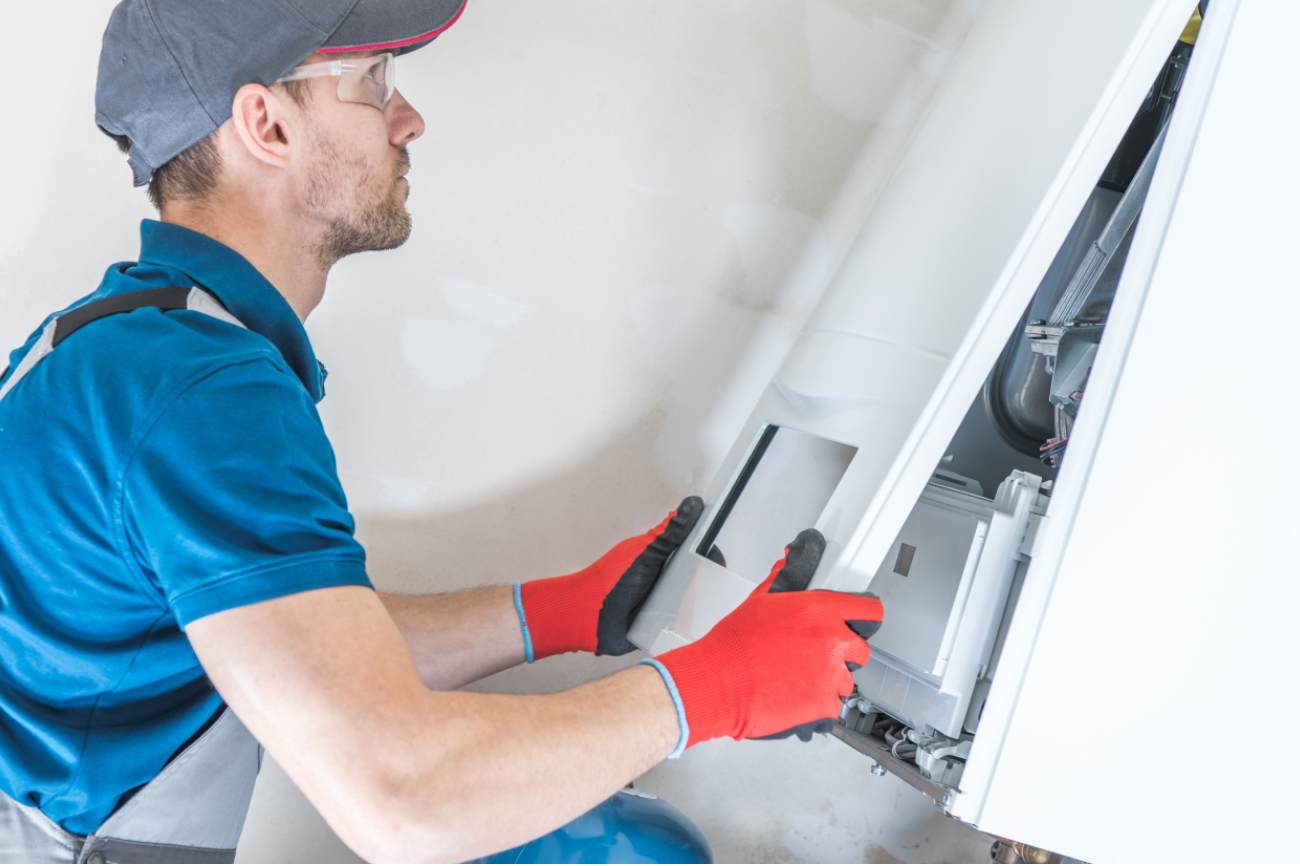
Moving a furnace a few feet is not a huge matter. However, moving a furnace to another room or different part of the house will probably cost a few thousand dollars. It's a major job involving numerous different professionals.

Getting AC and furnace replacement done at the same time can lead to huge benefits for your wallet and your home. Here’s everything you need to know.
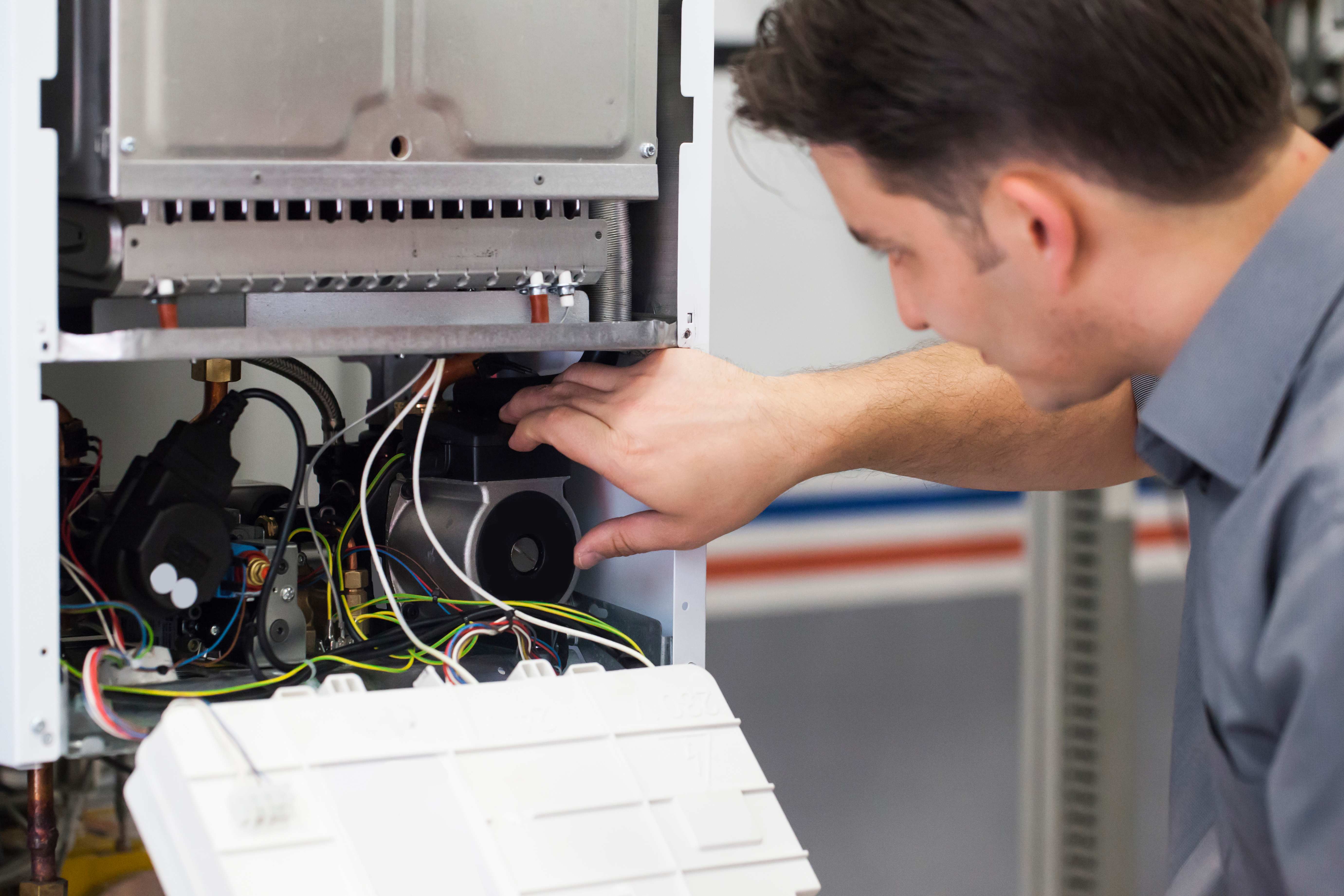
Furnace installations are complex projects that require qualified pros. Use this guide to understand furnace installation services, typical costs, and what to confirm before hiring a pro.

System type, desired comfort features, and energy efficiency are just a few of the decisions you will need to make before investing in a new furnace. Here are eight tips to consider when evaluating the right type of furnace for your home.

Modern furnaces are never short on comfort or energy efficiency. Here are six must-have features in your next furnace.