


The cost of a new AC unit depends on the size and type. Our guide breaks down AC replacement cost factors so you can decide which option matches your budget.
Heating and air conditioning service costs depend on your project and location. Check with a local pro for your specific job.


TXV expansion valves for your air conditioning system cost $350 to $450, and labor runs $200 to $400 for the replacement.
The size of your AC unit determines the TXV valve size you need, which directly impacts both parts and labor costs.
Summer peak season brings higher costs and longer wait times, so schedule your AC inspection during offseason months for better pricing.
Hiring a local air conditioner installing professional prevents AC breakdowns and keeps your home cool through specialized tools and refrigerant expertise.
In 2026, the national average TXV valve replacement cost is $400, though most homeowners pay between $350 and $450. Costs can reach as high as $800 depending on your location, the size of your air conditioner, the time of year, and any additional repairs needed.

A thermostatic expansion valve (or TXV) manages the amount of liquid refrigerant flowing through the air conditioning system. When the refrigerant in your AC gets to the TXV valve, it is high-pressured and in liquid form. The TXV functions like a spray nozzle, it restricts the flow of the refrigerant passing through to the evaporator. This restriction causes the refrigerant to go from high to low pressure and keeps the liquid refrigerant from getting into spots that it shouldn't, like your air conditioner compressor.
So, what does all of this mean to you? The TXV valve is an essential part of your AC unit, and without a properly functioning one, your AC could become inefficient or break down completely. That's why servicing your AC at least once a year is critical to keeping your home cool.
Manny was very trustworthy and professional. He gave me a very fair price. Within 24 hours he had done his inspection and given me an estimate. It's the first time I talked to an HVAC company that didn't make me feel like I was getting overcharged. One of the other companies I spoke to was trying to charge 6 times the cost. He took lots of pictures and video and explained step by step what was done wrong by the other contractors and what he would need to do to fix it. He was able to do the work the day after I accepted the estimate. He completed all the work in one day. I am confident and very relieved to say that my HVAC system is set up properly.
Replacing an AC expansion valve comes down to two core expenses: the part itself and the labor to install it, with total costs typically ranging from $100 to $800 depending on your unit size, location, and timing. A local air conditioner installer can source the correct TXV valve for your system and complete the replacement. The sections below break down how each factor affects your final cost.
TXV expansion valves cost $100 to $300 for materials alone, with the price driven by the specific brand or type required for your AC system. Consult your manufacturer's manual to confirm which valve you need, or let your AC pro source the part directly and bill you for it.
Labor for a TXV valve replacement typically runs $200 to $400, based on a two- to three-hour job at roughly $100 to $150 per hour. Valves that are harder to access can extend the job time and push labor costs toward the higher end of that range.
Your AC unit's size directly determines the TXV valve size you need, which affects both parts and labor costs. Residential single-home units typically run $300 to $800 for a full replacement, while commercial-sized systems average $700 to $2,000.
Summer is peak season for AC repairs, and scheduling a TXV replacement during those months can add around $200 to your bill on top of longer wait times. Having a pro inspect your system during the offseason lets you address repairs proactively when pricing is more favorable and appointments are easier to get.
AC units installed in attics, crawl spaces, or other tight locations take longer to work on, which drives up labor charges for repairs like a TXV valve replacement. When installing a new unit, keep future serviceability in mind, since a tucked-away placement that looks clean today can translate to higher repair bills down the road.
Where you live has a meaningful impact on TXV replacement costs because labor makes up a significant portion of the total. Urban areas and high-cost-of-living markets typically carry higher labor rates, while rural locations may offer lower rates but can add travel fees if a technician needs to cover a significant distance to reach your home.
Work and materials backed by installer or manufacturer warranties can cost more upfront, but they protect you from out-of-pocket expenses if something goes wrong with parts or labor. If your AC unit is newer or you recently had the TXV valve replaced, contact the original installer to clarify what warranty coverage applies and who is responsible for any needed repairs.
While a contractor is already working on your TXV valve, they may identify other parts of your HVAC system that are worn or failing. Bundling those repairs into the same visit typically saves on labor costs, since the technician is already on-site and familiar with your system. Common additional AC repairs and their average costs vary by service type:
| Type of AC Repair | Average Cost in 2026 |
|---|---|
| Preventative maintenance | $75–$200 |
| Refrigerant leak repairs | $250–$1,500 |
| Refrigerant recharging | $100–$500 |
| AC transformer replacement | $200–$600 |
| Clogged coil cleaning | $100–$400 |
| Capacitor replacement | $100–$250 |
| Evaporator and condenser coil replacement | $400–$1,500 |
There are a few noticeable symptoms of a bad expansion valve. It’s important to remember, though, that these symptoms often could indicate other problems, so it’s best to leave the diagnosis to an AC repair company near you.
Banging or clanking noises coming from the AC unit
Weakened AC performance
AC is freezing up with visible ice on coils or TXV valve
AC compressor is not turning off
AC is running longer than usual
AC system switches off immediately after turning on
Poor airflow
If you start noticing one (or many) of these problems, it’s best to turn the AC unit off until it can be assessed, as continued operation might worsen the situation. Because of its complexity—and unless you’ve worked in HVAC before—you most likely aren’t too familiar with this valve. Leave the process to an experienced professional and invest in the HVAC repair cost.

While you could save on the cost of labor, this is not a DIY job. Replacing an expansion valve takes tools, gauges, and professional expertise, so it's not a good idea for most people to try it on their own. You could inadvertently create a more significant issue and DIY damage could void your warranty.
Just the cost of the tools required to do the job can range from $4,000 to $5,000, and they can’t be bought from your local hardware store. This project involves getting deep into the guts of your AC system, removing the valve with the proper tools, replacing it with a new one, and hooking everything back up.
Even for a professional, replacing the valve can take hours. A pro can also replace your refrigerant to prevent the new TXV valve from failing and may be able to do an AC unit tuneup or AC repair while they’re at it.
“A competent HVAC pro will not only fix your problem but can actually save you money compared to doing it yourself,” says Robert Tschudi, Expert Review Board member and North Carolina-based homebuilder and remodeler. “Not only do the pros get good discounts on parts, but they know the most efficient way to get you up and running again.”
Home is the most important place on earth, which is why Angi has helped more than 150 million homeowners transform their houses into homes they adore. To help homeowners with their next project, Angi provides readers with the most accurate cost data and upholds strict editorial standards. We extensively research project costs to develop the pricing data you see, so you can make the best decisions for you and your home. We rely on reputable sources, including the U.S. Bureau of Labor Statistics, academic journals, market studies, and interviews with industry experts—all to ensure our prices reflect real-world projects.
Want to help us improve our cost data? Send us a recent project quote to [email protected]. Quotes and personal information will not be shared publicly.
I have used Columbus Worthington Air for years and recommend them whenever I have a chance. The staff is quick, courteous, and well-trained.
 ARS Columbus Worthington Air
If you’re good people wanting to do business with good people, hire Matt. He is a consummate professional and utterly competent. He installed a water heater in my home at a price that beat competitors by hundreds of dollars with a promise to support the unit for its life (even after its 6 yr...
 Greene's Plumbing Services
Corey Carr was great. I had damage from a recent storm and needed to have my mast and other components replaced. The project entailed coordinating with AEP, and Corey helped make a stressful situation a lot less stressful. I really appreciated his dedication to service and the job very well done.
 Mr. Electric of Columbus
This service was great. My air conditioner went out during the heat spell that we had. My husband has health issues and they came out that night and at 9:30pm the air conditioner was fixed and running. We are sooo very thankful, this is the company I will be using from now on and would...
 Mr. Mechanical Ohio
Great company! Price was competitive, technician showed up on time and completed the job (exterior electric Radon fan replacement) quickly. Would hire them again.
 MaGen Property Inspections and Radon Mitigation
Raven and crew does absolutely fantastic job. They are very professional if any concerns were to occur with any of her work she always took responsibility and finished out with a great job. I have worked with her business for a year and have always been satisfied. Very trusted business and...
 Creations of Transformation LLC
I would recommend this company to anyone! He showed up on time, was friendly, completed a very difficult repair on our dryer vent cover, was responsive, and pricing was extremely fair and competitive. I would have him back to do any of our repairs or cleanings without hesitation!
 U.S.A. Dryer Vent, LLC
Ace Fireplace Services' chimney sweep service is truly exceptional. They used advanced technology to ensure a thorough cleaning process, and my chimney has never looked better. I highly recommend their services.
 Ace Fireplace Services
The technician was very professional and friendly. He answered all my questions and was very thorough. He left the fireplace area very clean . He inspected from the roof and advised me as to other work that might need to be done. There was no pressure there. I was very satisfied with the...
 Supreme brick & chimney
On time, clean and finished fast. Windows seem sturdy and the finish is good. Caulking was done with no smudges. Would recommend.
 Window Depot USA of Central Ohio
From average costs to expert advice, get all the answers you need to get your job done.
The cost of a new AC unit depends on the size and type. Our guide breaks down AC replacement cost factors so you can decide which option matches your budget.
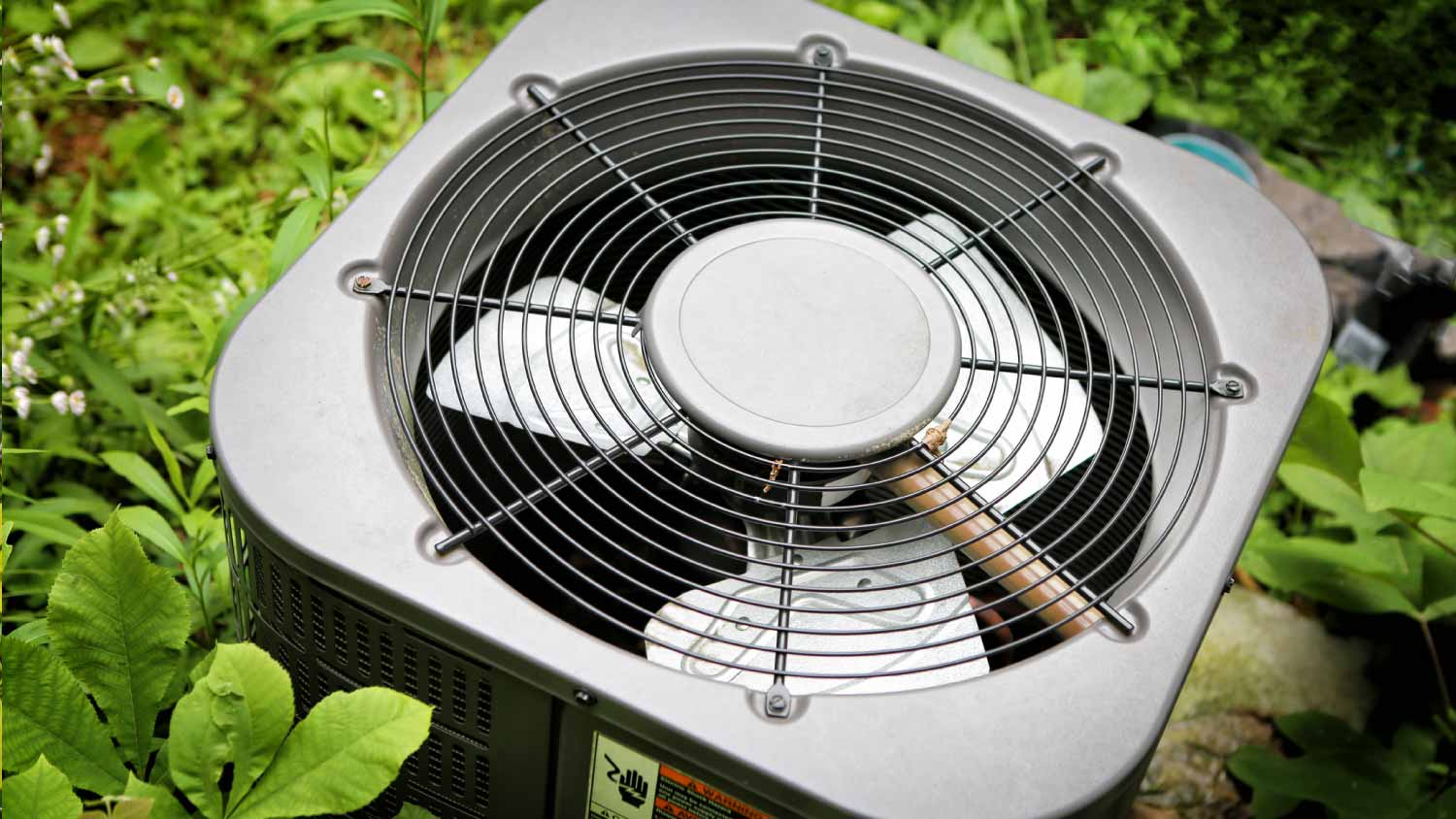
If you’re having problems with your air conditioner’s condenser, it may be time for an upgrade. Learn about the cost to replace an AC condenser in this guide.
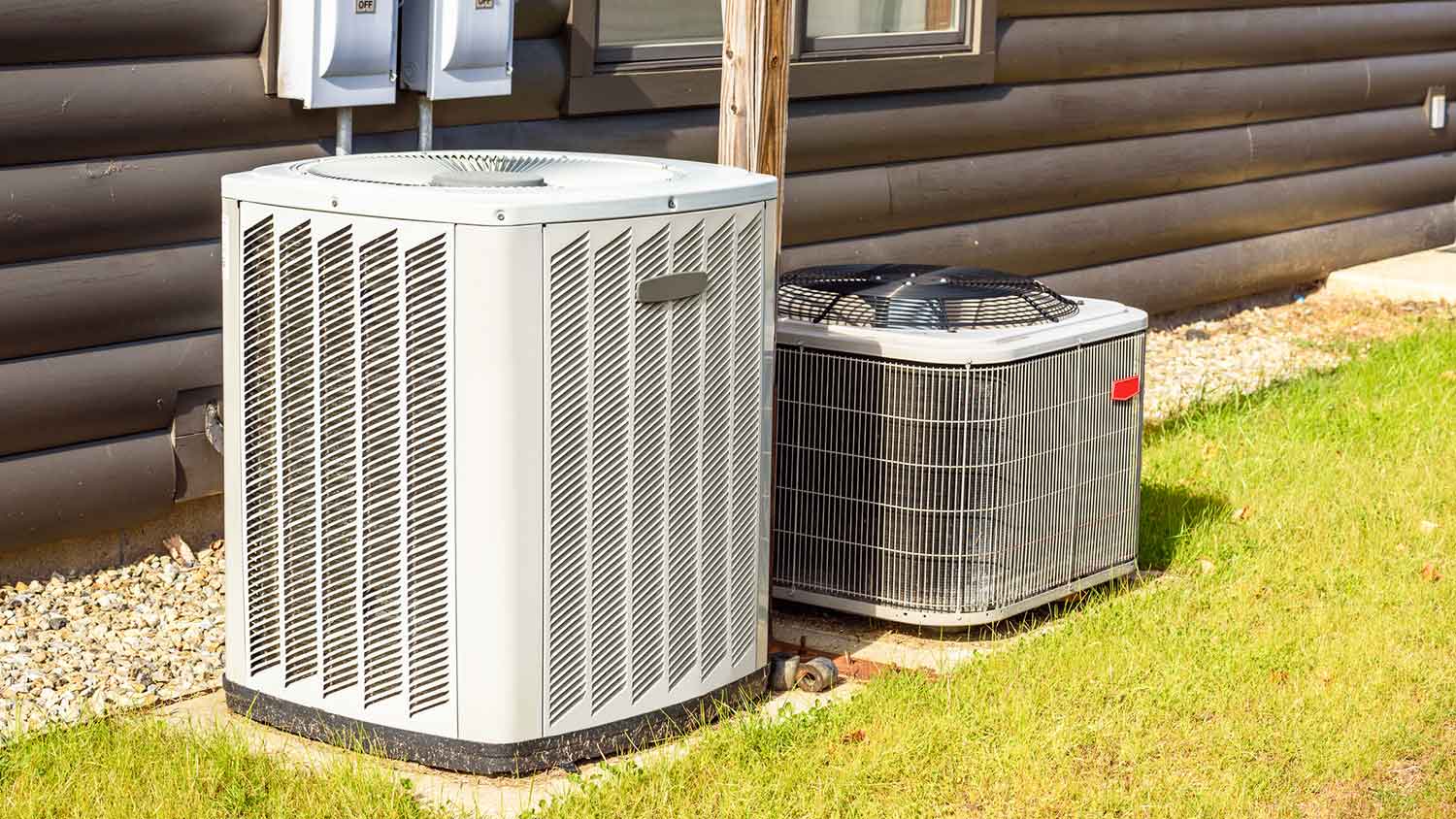
Find out the average AC freon leak repair cost, key price factors, and how to save. Get transparent estimates and expert tips for homeowners.
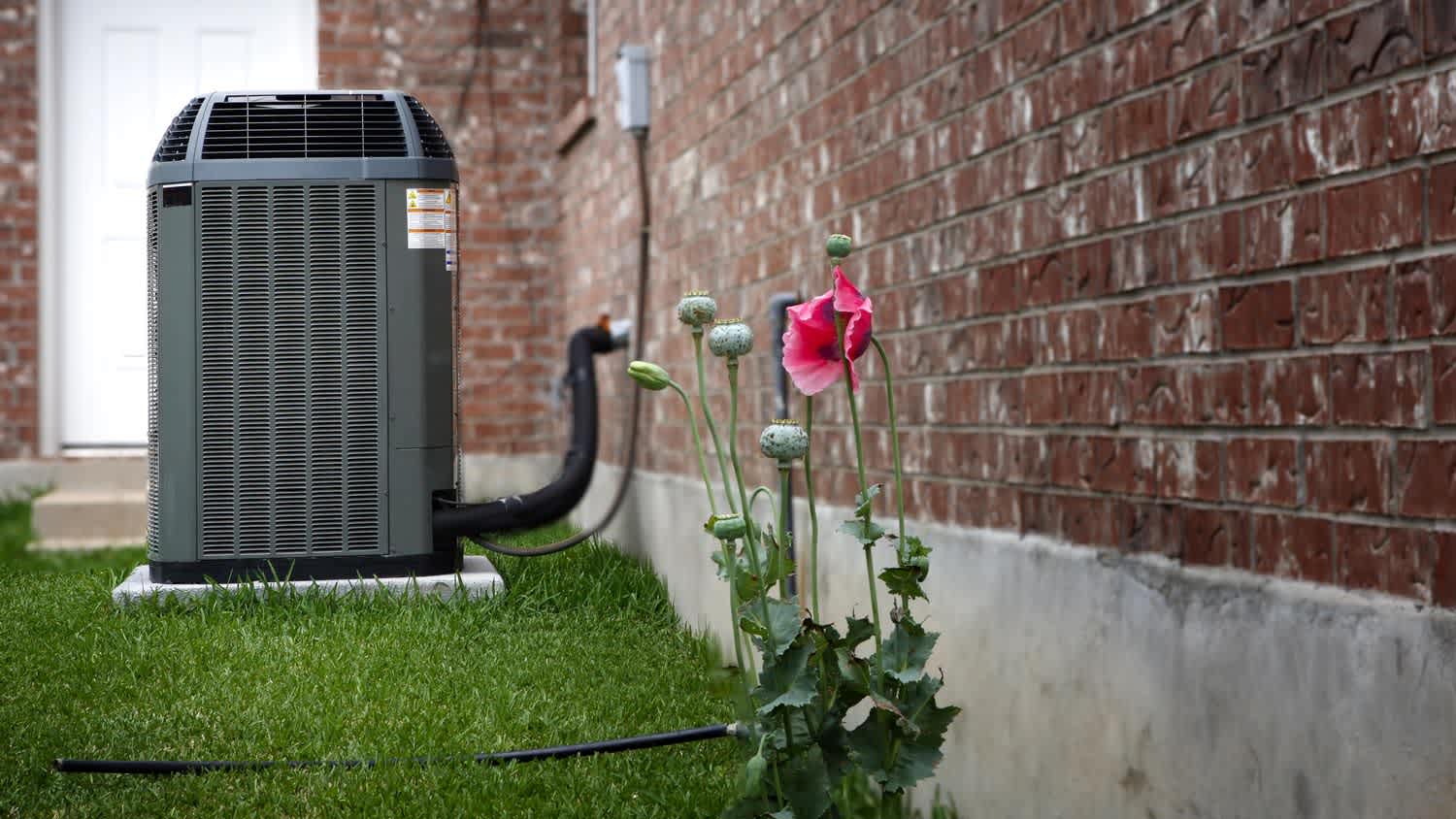
Can you replace just the outside AC unit? That’s a problem most homeowners face when dealing with HVAC issues. Our guide provides answers.
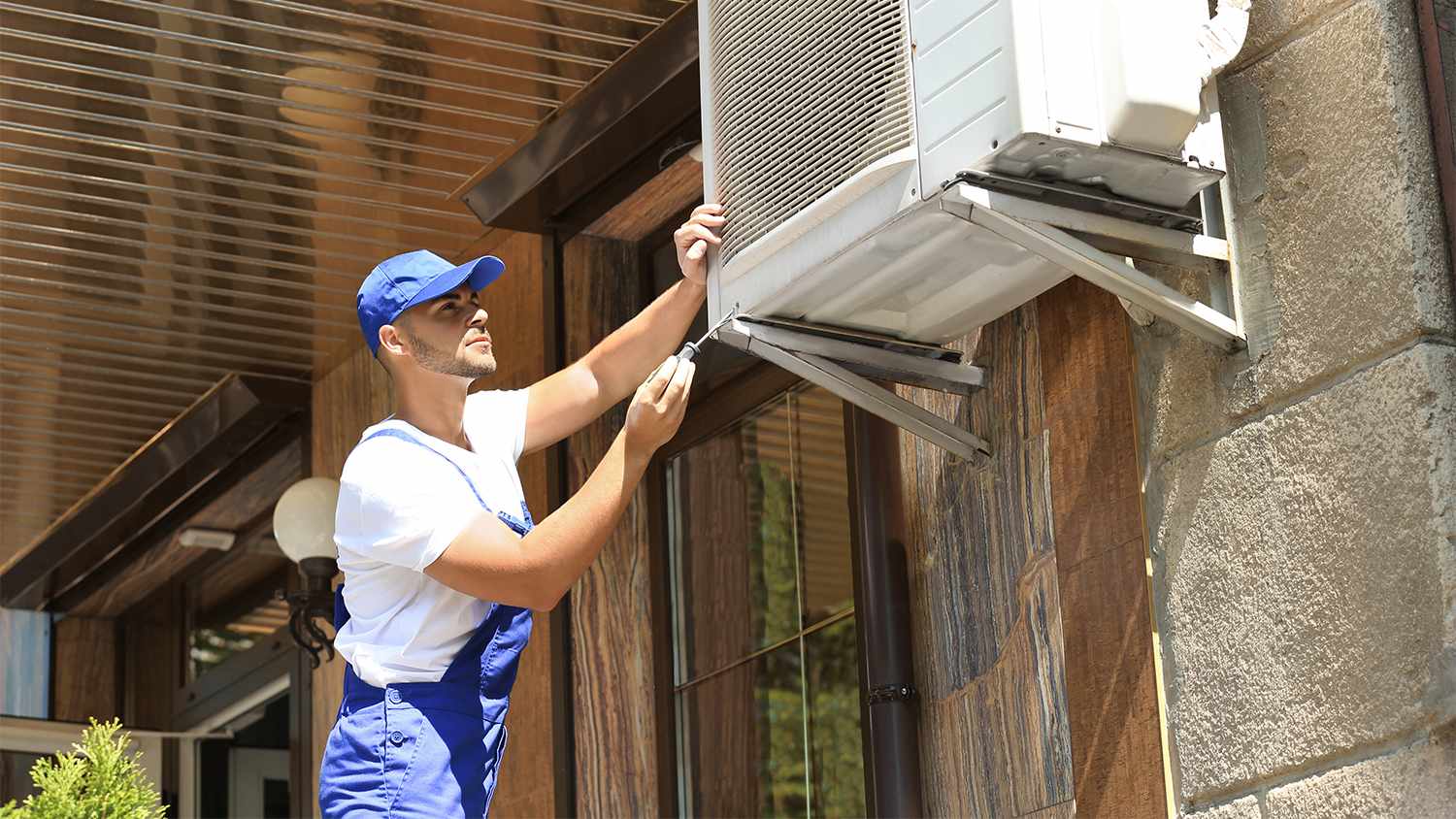
When deciding whether to repair or replace an AC unit consider the age of the unit, its overall performance, efficiency, and the cost of required repairs.
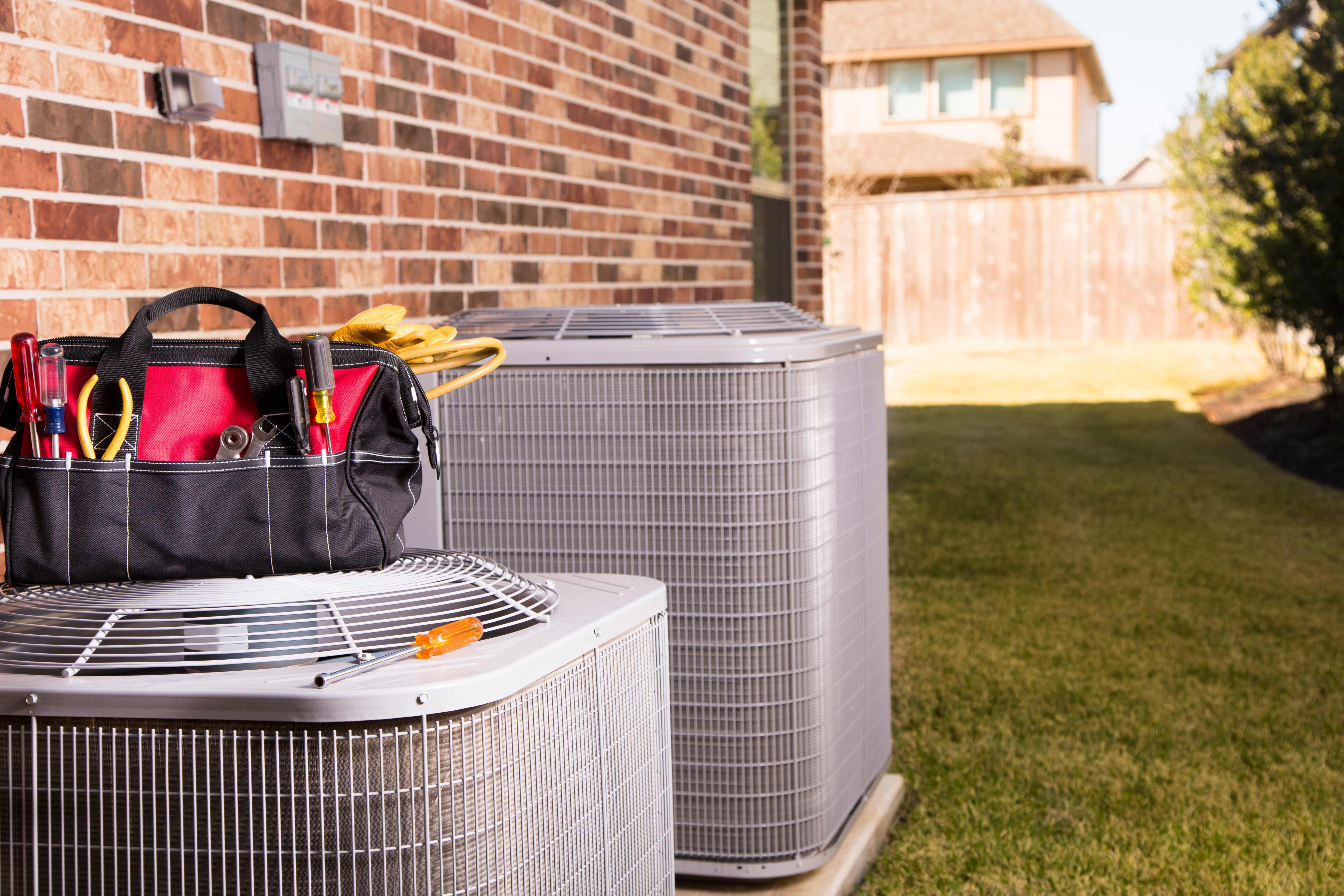
Whether you need to repair, service, or replace your AC unit, here are the questions you should ask an HVAC technician before you hire them.