


If the motorized damper in your AC unit goes kaput, you need to replace it. Here is how much you can expect to pay to get this job done.
An often overlooked HVAC part can help you fine-tune your home’s temperature
 - Derek Rose.png?impolicy=thumbnail)
HVAC dampers are movable plates in your ductwork that control airflow to different zones, helping prevent overheating or overcooling in specific rooms.
Expect to pay around $350 for HVAC damper replacement, and addressing damper issues early helps your system run more efficiently.
You can adjust manual dampers by turning the lever on your ductwork, closing lower-level dampers in summer and upper-level dampers in winter.
Hiring a local HVAC company provides reliable support with damper installation and zoning adjustments, keeping your home comfortable year-round.
As long as your HVAC system runs smoothly, you may not think too much about what a damper is or how it works. However, if you wonder why your house is so much warmer upstairs or why some rooms feel colder than others, this often overlooked part may be the reason. Let’s look at how HVAC dampers work, where to find them, and how they can make your home comfier.
Simply put, an HVAC damper is a plate component within the ductwork that controls airflow. The purpose of HVAC dampers is to control airflow to specific parts of your home to regulate cooling in different zones and prevent your HVAC system from running constantly to maintain temperature.
This can be done by opening and closing HVAC dampers to control the amount of airflow coming through the ducts. By choosing specific parts of your duct system to open or close at certain times, you can divide your home into zones and direct air to the rooms where you need it most.
Dampers help prevent overheating or overcooling in certain rooms, giving you more options to control your family’s comfort and optimize energy usage.
Here are the outlet types you find in most U.S. homes:
15-amp, 120-volt (2-prong and 3-prong): The standard household outlet for lamps, TVs, and chargers.
20-amp, 125-volt: A higher-power outlet for kitchens, laundry rooms, and workshops.
240-volt (20-amp to 50-amp): A large-appliance outlet for dryers, ranges, and EV chargers.
GFCI: A shock-protection outlet for kitchens, baths, and other wet areas.
AFCI: A fire-protection outlet for bedrooms and living spaces.
Tamper-resistant: A child-safe outlet with internal shutters, now standard in new homes.
Weather-resistant: A corrosion-resistant outlet built for outdoor use.
Convenience types: Switched, combination, USB, smart, and rotating outlets.
HVAC dampers are essentially valves for airflow. When closed, they act like a river dam, blocking airflow in a home’s ductwork like a dam stops water from flowing in a river. A closed damper will shut airflow to a specific zone that doesn’t need conditioning. Meanwhile, open dampers allow air to flow freely through their connected ducts. Unlike vents, they’re closer to the air source—your air handler or blower motor—for more effective airflow control.
By closing some of your system’s dampers—either manually or via automation from a thermostat in an HVAC zone—you can conserve energy while directing airflow toward any ducts with open dampers. This determines the amount of cooled or heated air that flows to different parts of your home. If you want a particular room or set of rooms to be cooled or heated, dampers can help.
Since cold air naturally sinks and hot air rises, dampers can allow you to use physics to your advantage. During the winter, you can direct warm air to lower levels where it gets cooler. In the summer, you can direct cold air to upstairs areas where heat gathers.

If your home has HVAC dampers, you’ll most likely find them between the main trunk line (aka, the large middle or “body” part of your unit) and your supply ducts. The trunk line leads directly out of the furnace or air handler to deliver conditioned air to the entire home, while supply ducts are small, round branch lines that blow air into each room.
However, every home is different. Some homes may have dampers at other points closer to supply ducts, while others without dedicated heating and cooling zones may not have any dampers. You’ll often be able to spot dampers on exposed ductwork in your basement or crawlspace. Designs vary between manufacturers, but most have a handle on the outside of a duct that you can turn to open or close the damper.
If one of your dampers isn’t functioning, an HVAC damper replacement costs about $350. Call a local duct installer for an estimate.

HVAC dampers can either be automatic or manual. Automatic dampers use a motor to open and close valves automatically, so you don’t have to adjust them as the seasons change. These are usually controlled by individual thermostats in your HVAC zones. Manual dampers are managed via valves outside your air ducts that you can manually open and close.
Within these categories, you’ll find various damper types for different types of ductwork that come in numerous shapes and sizes. There are many types of HVAC dampers used in homes that differ in their design and operation, some of which can either be manual or automatic.
Volume control dampers: These dampers are manual and let you control airflow at each HVAC supply. They consist of a lever that opens and closes the vent to restrict or promote airflow.
Zone dampers: Zone dampers are always automatic and adjust based on thermostats in your zones. These appear in hidden ductwork most of the time, usually close to your air handler or furnace.
Backdraft dampers: Backdraft dampers only allow for airflow in one direction, so they prevent air loss when your HVAC system isn’t active. These are popular in systems that have fresh air intake systems. A blower door test can often easily detect issues with backdraft dampers or the need to install one.
Fire dampers: Fire dampers are more common in multi-family homes, but they can appear in larger single-family homes as well. These shut automatically in the case of a fire to slow the spread of smoke and flames.
Opposed blade dampers: Opposed blade dampers have multiple blades that can move independently. These are usually automatic dampers that offer directional airflow control. They can also restrict airflow to a particular section of your home with the blades closed.
Parallel blade dampers: These work similarly to opposed blade dampers, but the blades are parallel and offer less control over directional airflow.
Butterfly flat dish dampers: As the name suggests, the hinges for these dampers look like little butterflies that sit on top of ducts. The dampers within consist of a round blade and a seal around the circumference that meets the blade’s edges, making them best for round ducts. When in line with the duct, the blade controls airflow in one direction. They’re very easy to install and take up virtually no space.
Louver dampers: Louver dampers start automatically closing when there is higher pressure in an area of your HVAC system. They are powerful air blockers that can match any duct size, making them the most common type of damper in homes.
Automatic dampers are more common, but it’s worth knowing the pros and cons of both options.
Automatic HVAC dampers are today’s go-to option because they’re significantly easier to use. Controlled by a small motor, they automatically regulate the airflow throughout an HVAC system, eliminating the need to make adjustments by hand.
Manual dampers are cheaper to purchase and install, making them a cost-effective alternative to automatic dampers.
Automatic dampers conserve energy and, as a result, lower energy bills by directing airflow precisely as needed. In contrast, a manual damper can waste energy if you don’t open or close it efficiently.
Since there’s no wiring involved, installing a manual damper is easier than an automatic one. Many handy homeowners can install manual dampers themselves, cutting down on costs.
Automatic and manual dampers are both durable and low maintenance, lasting around 20 years without issue. Manual dampers have a slight edge here, however, because they have fewer parts that can break or fail than automatic dampers.
If your home has manual HVAC dampers, you'll need to adjust them yourself as the seasons change or as rooms get heated and cooled. You can control your HVAC dampers by opening or closing the damper flap or valve for each damper, and you can find these valves in the ductwork throughout your HVAC system or on your supply vents.
Start by turning off your AC and heater. If your ducts are accessible, you'll likely see a damper access panel on the outside. Each damper should be labeled to indicate which room in your HVAC zoning system it controls.
Loosen or tighten each damper lever to the desired position. In the summer, you'll want to close the AC dampers on your lower floors so cold air flows upstairs and flows down naturally. In the winter, you'll want to close upstairs dampers so warm air flows into lower levels and naturally rises. Depending on your needs, you can adjust dampers so they’re only halfway open.
If you have automatic dampers, you only need to set the thermostats in each zone to “heat” or “cool,” depending on the season, and then set your desired temperature for each zone.
Installing an HVAC damper costs between $70 and $340. Considering that an entire HVAC system costs an average of $7,500 to install, the damper is one of the least expensive components. The exact price depends on the type of damper—blade dampers tend to be slightly pricier than butterfly dampers—and whether you DIY or hire a pro for installation.
Installing a manual HVAC damper yourself is cheaper than hiring a pro. The DIY route eliminates the cost of labor, so the only expense is the damper itself, which might only be a couple hundred bucks.
However, installing an HVAC damper is a tricky task that might not be an option for homeowners with limited handiwork experience. It involves cutting sheet metal, manipulating ductwork, and, for automatic dampers, complex wiring. Unless you’re well-versed in these areas, we recommend hiring an HVAC technician to install a damper.
I have used Columbus Worthington Air for years and recommend them whenever I have a chance. The staff is quick, courteous, and well-trained.
 ARS Columbus Worthington Air
If you’re good people wanting to do business with good people, hire Matt. He is a consummate professional and utterly competent. He installed a water heater in my home at a price that beat competitors by hundreds of dollars with a promise to support the unit for its life (even after its 6 yr...
 Greene's Plumbing Services
Corey Carr was great. I had damage from a recent storm and needed to have my mast and other components replaced. The project entailed coordinating with AEP, and Corey helped make a stressful situation a lot less stressful. I really appreciated his dedication to service and the job very well done.
 Mr. Electric of Columbus
This service was great. My air conditioner went out during the heat spell that we had. My husband has health issues and they came out that night and at 9:30pm the air conditioner was fixed and running. We are sooo very thankful, this is the company I will be using from now on and would...
 Mr. Mechanical Ohio
Great company! Price was competitive, technician showed up on time and completed the job (exterior electric Radon fan replacement) quickly. Would hire them again.
 MaGen Property Inspections and Radon Mitigation
Raven and crew does absolutely fantastic job. They are very professional if any concerns were to occur with any of her work she always took responsibility and finished out with a great job. I have worked with her business for a year and have always been satisfied. Very trusted business and...
 Creations of Transformation LLC
I would recommend this company to anyone! He showed up on time, was friendly, completed a very difficult repair on our dryer vent cover, was responsive, and pricing was extremely fair and competitive. I would have him back to do any of our repairs or cleanings without hesitation!
 U.S.A. Dryer Vent, LLC
Ace Fireplace Services' chimney sweep service is truly exceptional. They used advanced technology to ensure a thorough cleaning process, and my chimney has never looked better. I highly recommend their services.
 Ace Fireplace Services
The technician was very professional and friendly. He answered all my questions and was very thorough. He left the fireplace area very clean . He inspected from the roof and advised me as to other work that might need to be done. There was no pressure there. I was very satisfied with the...
 Supreme brick & chimney
On time, clean and finished fast. Windows seem sturdy and the finish is good. Caulking was done with no smudges. Would recommend.
 Window Depot USA of Central Ohio
From average costs to expert advice, get all the answers you need to get your job done.
If the motorized damper in your AC unit goes kaput, you need to replace it. Here is how much you can expect to pay to get this job done.

Discover the factors affecting HVAC zoning system cost, energy savings, DIY options, and expert insights. Get informed about your home’s heating and cooling.
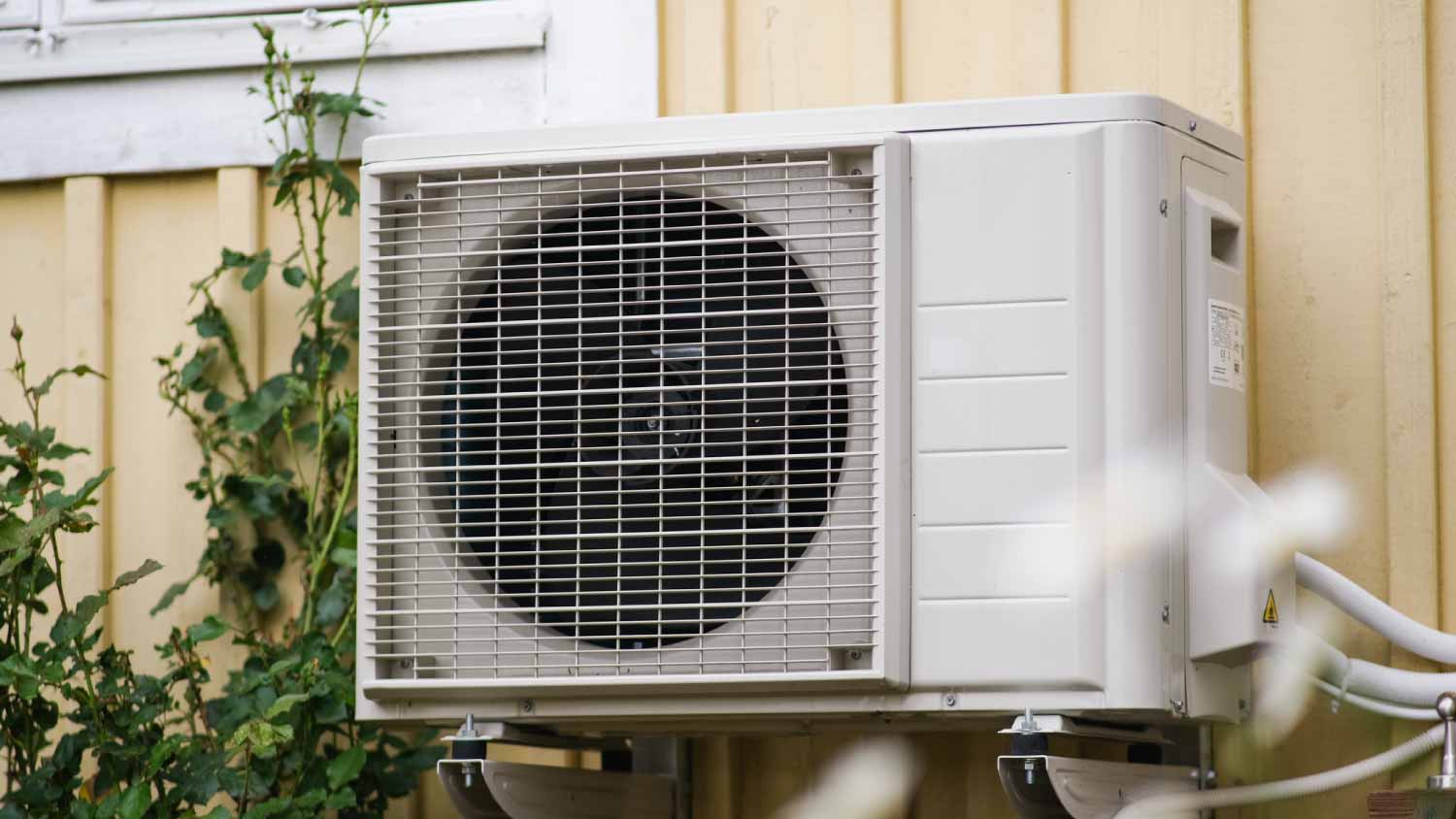
There are quite a few different types of dampers in HVACs. Learn the various types and their functions to learn more about your HVAC system.
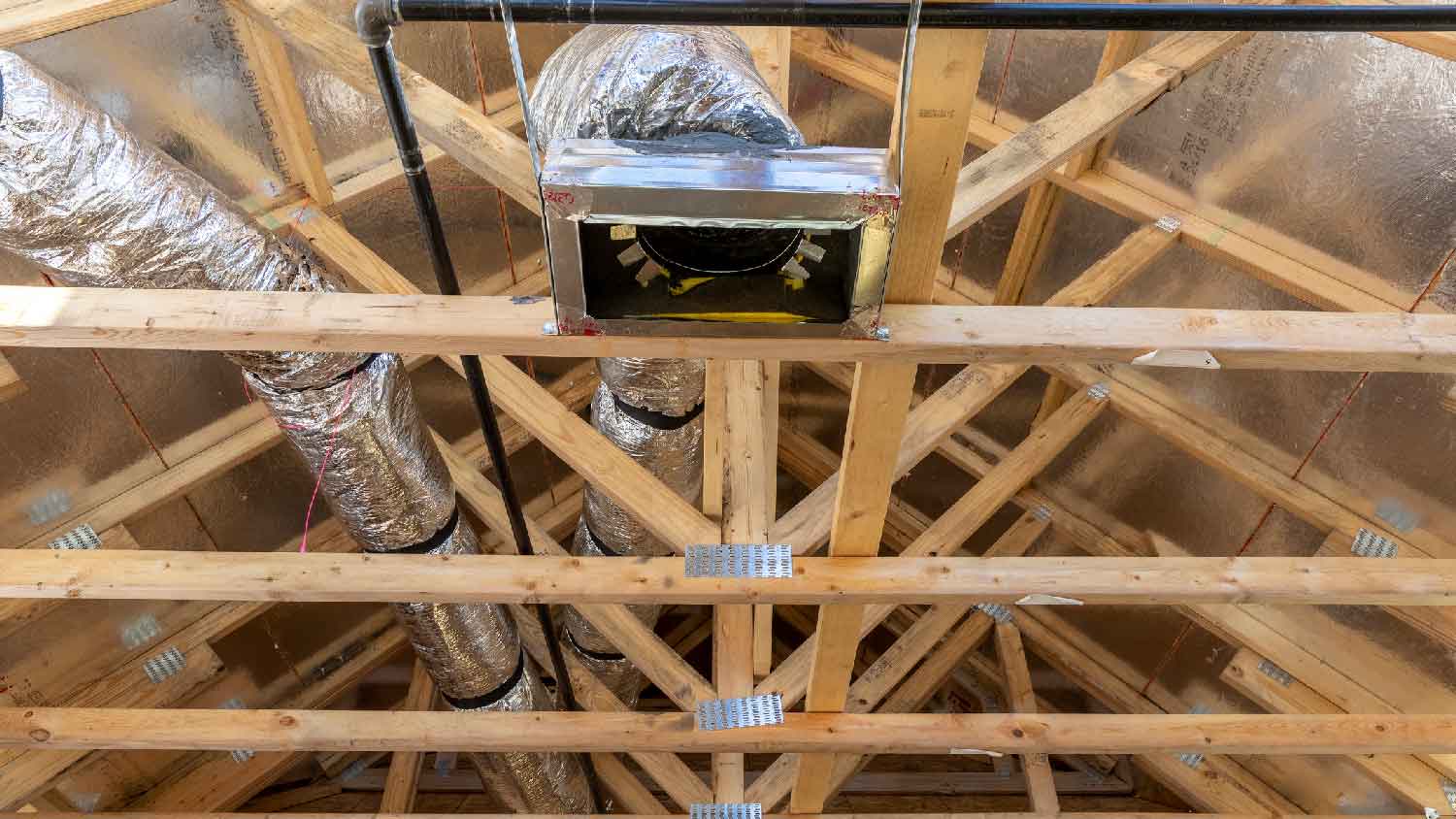
In an HVAC system, dampers help control and direct airflow—but they aren’t always easy to locate. Here’s how to find dampers in ductwork.
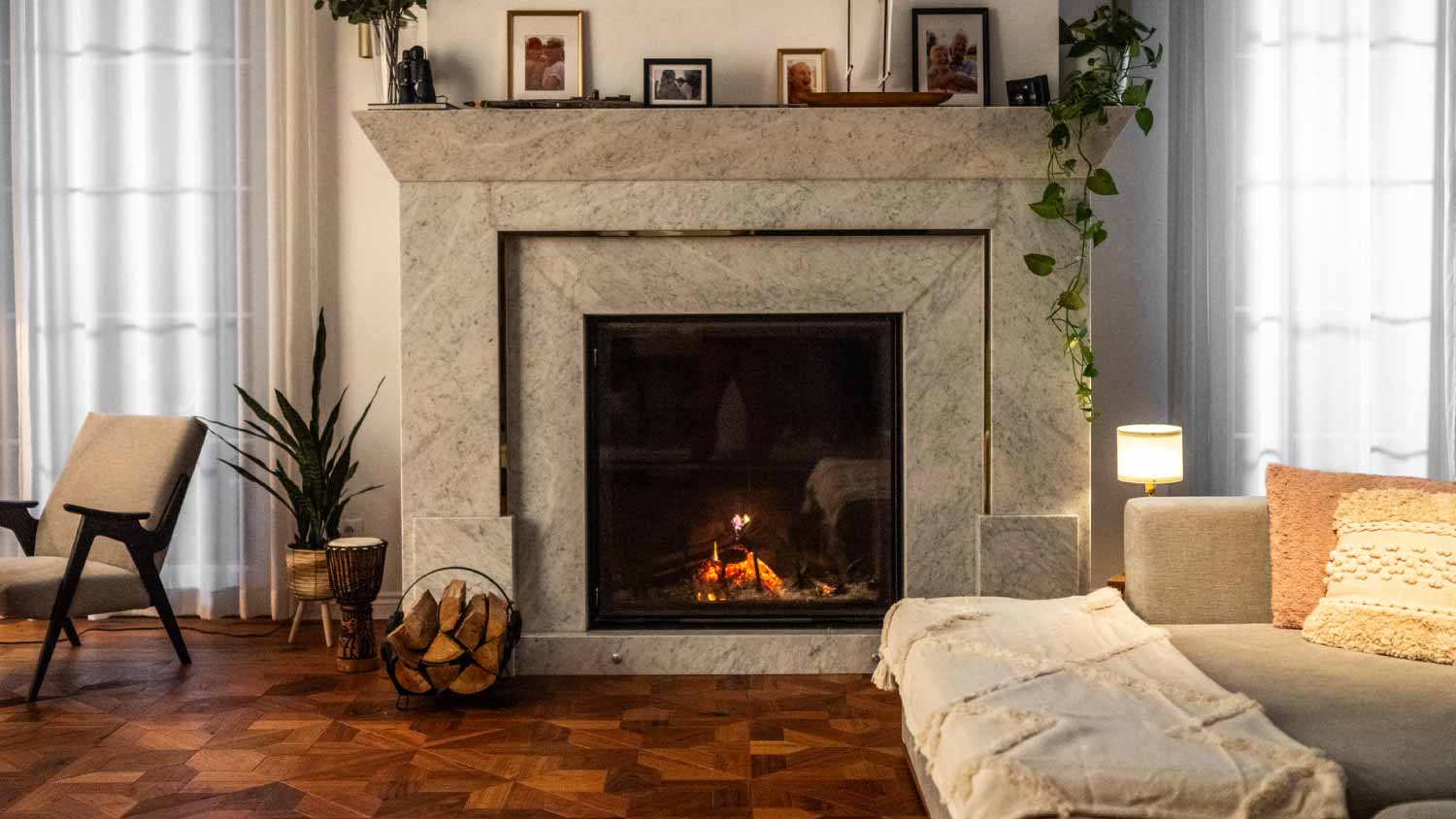
Wondering what is a chimney damper? A chimney damper is a small flap that allows you to open and shut the airflow through your chimney.

An HVAC zoning system makes your home more comfortable. Learn about installing a zone system, including HVAC zoning system costs and considerations.