
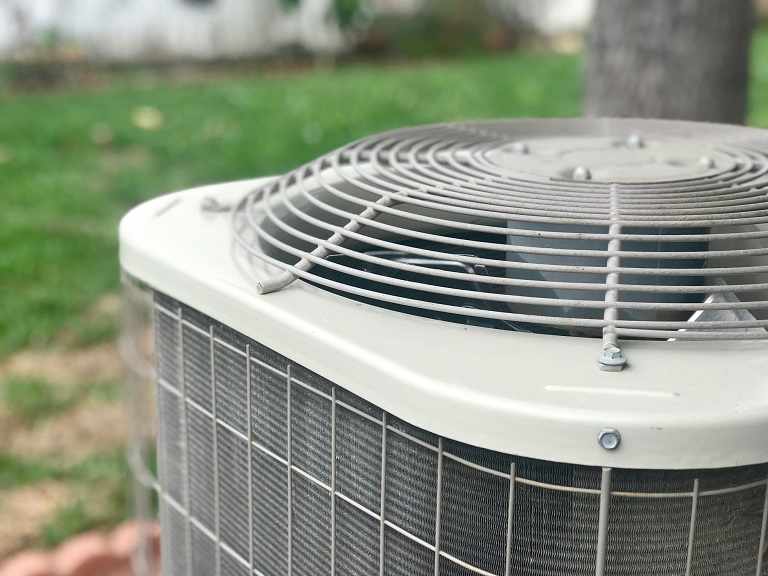
Discover the average air handler replacement cost, including labor and materials, plus expert tips to help you budget and save on your HVAC upgrade.
A variable speed air handler will keep your house cool and quiet

A variable speed air handler operates at multiple speeds to maintain consistent temperatures in your home, reducing the temperature swings you get with standard systems.
Expect to pay $1,000 to $3,500 for a variable speed air handler installation, compared to $600 or more for a single-speed system.
Your variable speed system runs longer cycles than standard handlers, which means you need to replace air filters more frequently to maintain efficiency.
Hiring a local HVAC repair professional ensures proper sizing and installation, helping your system deliver the energy savings and quiet operation you expect.
As a homeowner, few things are more important to you than your heating, ventilating, and air-conditioning (HVAC) system, and the air handler is one of the most critical components. As a result, it’s important that you choose the right air handler for your home, and one increasingly popular option is the variable speed air handler.
But just what is a variable speed air handler, and is it right for your home? This guide breaks down variable speed air handler pros and cons to help you decide.
While the refrigerant, coils, evaporator, condenser, and compressor in an air conditioner are busy absorbing heat from the home and releasing it outside, the air conditioner relies on the handler to move air through the home. The A/C system's operating efficiency depends on how much electricity it consumes to move heat around and how much electricity the handler uses to push air through the home.
Sometimes, delivering air into your home at 100% isn’t always necessary, particularly during days when the temperatures are mild. Enter variable speed air handlers. These flexible parts can operate at a variety of speeds depending on the needs of your house.
For example, if a standard air handler tried to cool your home, it would produce a blast of cold air until the thermostat reached the desired temperature, after which it would go into standby mode. A variable speed handler, on the other hand, would run at different speeds to provide more consistent cooling and produce less noise in the process.
Variable speed air handlers are popular ways to upgrade your air conditioner, thanks to their efficiency and method for maintaining overall comfort levels.
Traditional air handlers produce large blasts of cold air, and then none at all once it reaches standby mode. Variable speed air handlers, however, progressively raise and reduce their speed, which means the cooling will be more consistent, and there will be fewer large fluctuations in temperature.

More air will pass through your air filter because of the longer running cycles typical of variable speed air handlers. This means it will filter out more impurities in the process, resulting in an overall cleaner and more hygienic environment in your home.
Another benefit of longer run cycles? Less humidity, which are words every homeowner loves to hear in the summer.
Standard air handlers produce a lot of noise when operating, but because variable speed air handlers operate at lower speeds with less frequent switching, they are much quieter. In fact, you probably won’t even notice when the system cycles on; it’s that quiet.
Going “zero to 60” to blow cold air isn’t very energy efficient, so variable speed air handlers are likely to save you money on your utility bill, even though they operate for longer periods of time than standard air handlers. They run at lower speeds and cycle less frequently, which are the big drivers of energy usage.
Variable speed air handlers need less maintenance and last longer than standard air handler systems because they don’t cycle as much. Since cycling puts the most strain on air handler systems, variable speed air handlers have less wear and tear. This can result in additional savings for homeowners; the average cost of HVAC maintenance is $150.
Although the benefits of variable speed air handlers are pretty substantial, you should be aware of a few drawbacks to this system.
For a variable speed system to run at maximum speed and efficiency, they need precise sizing. This makes it more complicated to install them. And if the sizing isn’t right when installed, those money-saving, noise-reducing benefits could fly right out the window.
Because of the sizing requirement and the nature of the system itself, a variable speed air handler is more expensive than a standard system in terms of up-front costs (usually about 30% more). How much you’d pay for one in your home depends on your situation, such as the total square footage of your home, the type of AC system you have, and the brand of air handler you prefer.
An HVAC professional near you can tour your home and quote your project based on your needs.
A variable speed air handler runs a lot more than a single speed air handler, which means you need to replace the filters more frequently. The filters themselves are inexpensive, but you may need to hire a professional to service the system more frequently.
A variable speed air handler typically costs from $1,000 to $3,500, whereas a single speed air handler may cost as little as $600 to install.
Whether buying one is worth the money all depends on a few factors:
Costs: While a single speed air handler may cost less than a variable speed system, you should shop around to see what kind of deal you can get.
Climate: Variable speed air handlers do a better job keeping your home at a consistent temperature. If that's important to you and where you live, it should factor into your decision.
Maintenance: HVAC maintenance can get expensive and time-consuming, so you may be willing to pay more for a low-maintenance system.
Think a variable speed air handler is right for you? Contact a local HVAC company to handle the installation; this is not a task to DIY, even if you’ve got several home renovation projects under your belt. In fact, warranties often require professional installations.
If you have a trusted HVAC technician who handles repairs and annual maintenance for your system, they’re your best bet for installing the new air handler. But if you don’t already have a contractor in mind, ask your friends, family, neighbors, and colleagues for recommendations. You should also read online reviews and get quotes from multiple contractors before making a decision. Here are seven questions to ask an HVAC contractor before hiring them.
I have used Columbus Worthington Air for years and recommend them whenever I have a chance. The staff is quick, courteous, and well-trained.
 ARS Columbus Worthington Air
If you’re good people wanting to do business with good people, hire Matt. He is a consummate professional and utterly competent. He installed a water heater in my home at a price that beat competitors by hundreds of dollars with a promise to support the unit for its life (even after its 6 yr...
 Greene's Plumbing Services
Corey Carr was great. I had damage from a recent storm and needed to have my mast and other components replaced. The project entailed coordinating with AEP, and Corey helped make a stressful situation a lot less stressful. I really appreciated his dedication to service and the job very well done.
 Mr. Electric of Columbus
This service was great. My air conditioner went out during the heat spell that we had. My husband has health issues and they came out that night and at 9:30pm the air conditioner was fixed and running. We are sooo very thankful, this is the company I will be using from now on and would...
 Mr. Mechanical Ohio
Great company! Price was competitive, technician showed up on time and completed the job (exterior electric Radon fan replacement) quickly. Would hire them again.
 MaGen Property Inspections and Radon Mitigation
Raven and crew does absolutely fantastic job. They are very professional if any concerns were to occur with any of her work she always took responsibility and finished out with a great job. I have worked with her business for a year and have always been satisfied. Very trusted business and...
 Creations of Transformation LLC
I would recommend this company to anyone! He showed up on time, was friendly, completed a very difficult repair on our dryer vent cover, was responsive, and pricing was extremely fair and competitive. I would have him back to do any of our repairs or cleanings without hesitation!
 U.S.A. Dryer Vent, LLC
Ace Fireplace Services' chimney sweep service is truly exceptional. They used advanced technology to ensure a thorough cleaning process, and my chimney has never looked better. I highly recommend their services.
 Ace Fireplace Services
The technician was very professional and friendly. He answered all my questions and was very thorough. He left the fireplace area very clean . He inspected from the roof and advised me as to other work that might need to be done. There was no pressure there. I was very satisfied with the...
 Supreme brick & chimney
On time, clean and finished fast. Windows seem sturdy and the finish is good. Caulking was done with no smudges. Would recommend.
 Window Depot USA of Central Ohio
From average costs to expert advice, get all the answers you need to get your job done.
Discover the average air handler replacement cost, including labor and materials, plus expert tips to help you budget and save on your HVAC upgrade.

Explore how much an AC compressor costs to install based on cost factors like it’s type, brand, size, and local labor rates.

The cost of a new AC unit depends on the size and type. Our guide breaks down AC replacement cost factors so you can decide which option matches your budget.
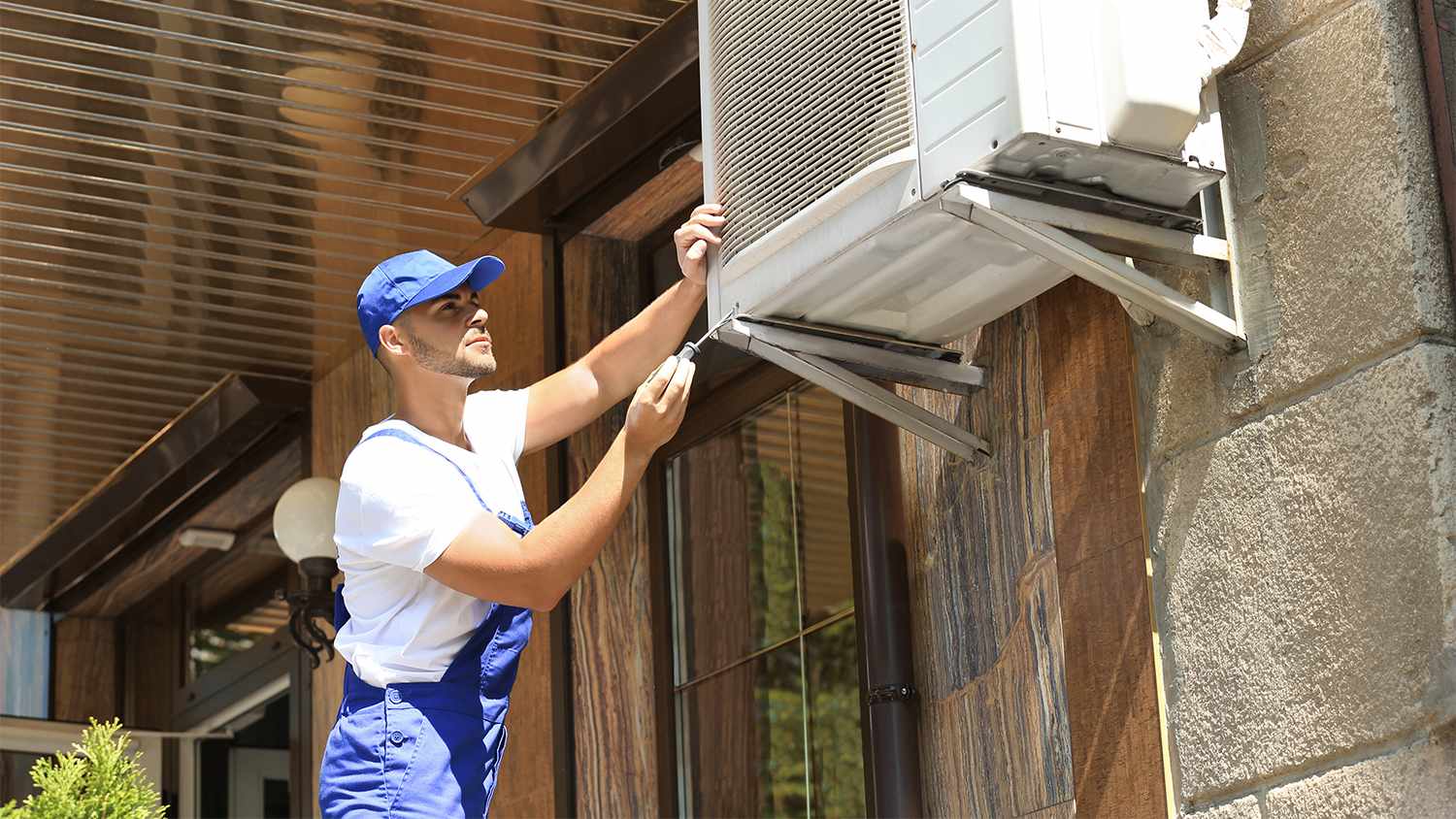
When deciding whether to repair or replace an AC unit consider the age of the unit, its overall performance, efficiency, and the cost of required repairs.
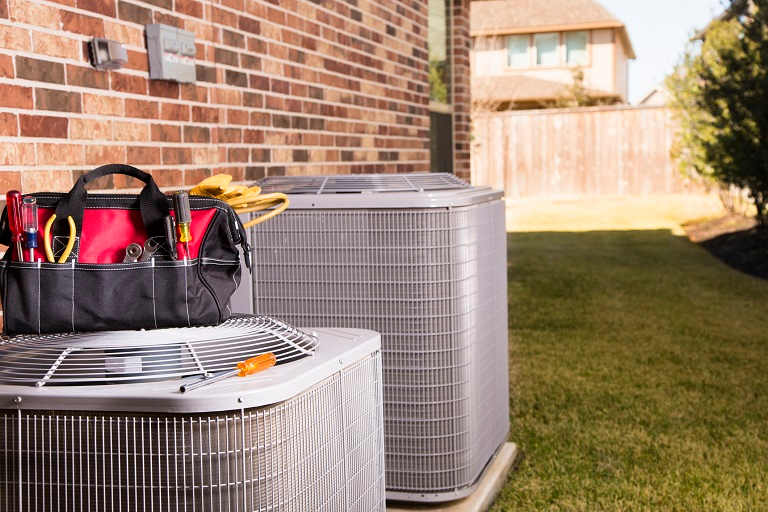
Adding central air to a house can add comfort and increase your home’s value. Our guide explains what you need to know about installing AC.
Not sure what kind of upkeep your air conditioner needs? Make sure you’re covering all of your bases with this air conditioner maintenance checklist.