

Ductless heating and cooling system costs vary depending on size, type, and energy efficiency. Their installation is likely to lower your energy bills.
Your comfort and home’s energy efficiency depend on quality installation

Your installed HVAC system can show improper installation through leaking water around indoor or outdoor components, blown fuses, uncomfortable temperatures, or unexpectedly high energy bills.
Poor ductwork installation causes hot and cold spots throughout your home when ducts are undersized, kinked, disconnected, or sealed only with tape that fails quickly.
Check your system carefully during the first year for signs like parts wearing out quickly, excessive noise, or uneven heating and cooling that signal installation mistakes.
Hiring a local HVAC company provides expert diagnosis of installation errors like electrical problems and ductwork issues, helping protect your comfort and energy efficiency long-term.
Whether you’re shivering in the frozen depths of winter or wilting in the summer sun, a reliable HVAC system is a blessing to your family’s comfort. However, if the system isn’t correctly installed, you’re likely paying more money for fewer benefits. In fact, according to Energy Star, more than half of the HVAC systems in American homes aren’t delivering the efficiency and savings they’re capable of due to installation errors.
In this guide to identifying improper HVAC installation, we’ll discuss the symptoms of an improperly installed HVAC system, common installation errors, and how you can fix problems that arise.
Unfortunately, about 90% of HVAC systems are installed incorrectly, according to the North Carolina Alternative Energy Corporation. The nonprofit group studied HVAC installations and compared them to the manufacturer’s code and found that an overwhelming number were installed incorrectly. Improper installations can cause problems like leaks, higher energy bills, and less efficiency.
Since your HVAC system is a major system in your home, there are a few symptoms of improper installation that should be pretty obvious.
If your newly installed HVAC system is leaking from any component, your installer very likely made a mistake. You might find leaks in the following areas:
Around the indoor air handler: This usually suggests that the condensate line wasn’t installed properly or that the line or drain pan were damaged during the installation process.
Around the exterior condenser: Leaking around a new AC condenser probably means that the condenser coils were kicked or damaged while your tech was installing them.
Around ductwork: Condensation on ductwork can form if the ducts aren’t properly insulated or are installed incorrectly.
In any of these cases, you should call a reputable HVAC company in to handle the issue. The damage might be covered by your manufacturer’s warranty, as there’s a chance the problem is due to a manufacturer defect.
If you notice problems with your electrical system after HVAC installation or you’re running into blown fuses, you could have a problem with the AC capacitor, which turns the compressor on and off to regulate temperature. In many cases, these problems could be the result of a manufacturer issue.
However, you might run into an AC tripping the breaker or blowing fuses if a hidden leak is to blame. Have a reputable HVAC company near you come out to inspect the system and uncover the underlying issue.
You’d expect a new HVAC system to provide a comfortable and steady indoor temperature, but if something went wrong during the installation, that might not be the case. Below are some underlying issues that could be causing this problem:
The outdoor unit was damaged: If the condenser coils or refrigerant lines were kinked during the installation, you may notice your AC blowing warm air.
The unit isn’t sized properly: If your HVAC tech failed to size your system appropriately for your house, that could cause poor cooling and/or heating.
Other components were damaged: If your tech makes a mistake and damages your blower motor during the installation, it could fail to circulate conditioned air to your living space.
The vents aren’t sealed: If your installer failed to seal all potential areas in your ducts where air could leak out, you might be losing conditioned air to the void behind your walls, leading to less conditioned air getting to your living area.
If you feel that the airflow coming from your supply vents isn’t sufficient, there could be a few things to blame:
Leaks in your ducts: If your contractor didn’t seal your ducts properly, the pressure created by your blower motor will be lost to the void behind your walls, resulting in reduced airflow from your vents.
Closed dampers: Your installer may have left manual HVAC dampers closed or failed to install automatic dampers properly, which could lead to poor airflow to certain parts of your home.
Poorly calibrated thermostat: If your tech installed a new thermostat and didn’t calibrate it properly, you may unintentionally be calling for less conditioned air, which could result in poor airflow.
HVAC systems will always make some noise, but if you hear clanking, notice that your unit is much louder than expected, or you find that the components are making any other unexpected noises, there might be an issue with how your tech installed belts, motors, or other pieces.
Do not ignore unusual odors, strange loud noises, or performance issues with your heating system. These can be indicative of serious problems. If you ever experience these, turn off your system and call a professional immediately.
If you notice hot and cold spots throughout your home, especially if you have a centralized system, there’s something wrong with your new equipment. There could be many things to blame, all of which require a second look from a more reputable company:
Improperly installed dampers
Leaks in your ductwork
Damage to internal components done during the installation
Your HVAC tech improperly sized your system for your home
Your tech installed the wrong type of HVAC system for your needs and climate
New HVAC equipment will almost always be more efficient than older systems, so if you notice your energy bills go up instead of down after you install a new HVAC system, you’ve got a problem. There are a few things that could be causing your issue:
Your tech sized your system incorrectly
You have leaks in your ductwork
The type of HVAC system doesn’t meet your needs based on climate
Components were damaged during installation
Your HVAC installer didn’t properly lubricate moving parts
Your tech didn’t calibrate your thermostat properly
If you find yourself making an HVAC service call within the first year after your new system is installed, something went awry during the installation. In most cases, this means your tech didn’t lubricate moving components properly or didn’t install them according to the manufacturer’s specifications.
There’s also a chance that they undersized your system or accidentally damaged components during the installation work that’s leading to undue stress on your system.
When an HVAC system is performing less efficiently than it should, it may be due to one of these installation errors.
Your air conditioning unit generates a lot of moisture, which condenses around the coils to produce cool air for your home. Proper drainage mechanisms are essential to avoid leakage around in the unit or from its components and to ensure water isn’t pooling and fostering the growth of mold and mildew.
If you see leaks or notice unpleasant odors, it could be an issue with the secondary drip pan, the condenser pan, or another part of the unit’s drainage system.
Undersized ducts and ones that have been kinked or disconnected will restrict the airflow, distributing the pressure unevenly and resulting in hot and cold spots throughout the home. Loose screws or brackets can also create unpleasant noises when the system is operating.
Suppose the previous contractor cut corners on the ductwork, using cheap materials or leaving gaps and cracks sealed only with tape. That quick fix will soon fail, radically compromising your system’s efficiency.
Whenever you hire someone to install a new HVAC system, make sure they replace any old ductwork in the house—or at least inspect the ducts for damage—since they have likely suffered some damage over the years.
Connecting the HVAC units to your home’s electrical system is one of the trickiest parts of the job and often ends up being the place where things go wrong. HVAC systems often rumble and shake as they operate, putting a strain on the wiring, which can quickly come loose if it wasn’t secured correctly during installation.
An inexperienced technician or DIYer in over their head may also install an incorrectly sized fuse. The system may work at first, but it’ll quickly lead to blowouts and poor performance if not replaced with the proper part.
The power of an HVAC unit correlates with its size—the larger a unit, the more hot or cold air it can produce—but bigger isn’t always better. Installing a unit that’s too large for your home can lead to constant start and stop errors, and a unit too small will quickly wear out from being overworked and running constantly.
Factors such as local climate, the house orientation, the materials that compose it, and the height of your ceilings can affect the load size that’ll most efficiently treat your home. A good installation technician will make the complex calculations necessary to determine the right size for your home rather than relying on loose rules of thumb.
While many HVAC installation mistakes can lead to wasted money and discomfort, a poorly vented gas furnace unit can quickly pose threats to the health and safety of your family. The furnace produces toxic gasses (including carbon monoxide) as part of its regular operation, and if the system isn’t adequately vented, they’ll feed into your home.
Install carbon monoxide alarms on every level of your home, in central locations, and outside bedrooms. Check all of your carbon monoxide detectors every month, and replace the batteries on a set schedule according to the manufacturer’s instructions.

There are a few different ways an inexperienced or cost-cutting technician might fail to properly vent your unit, including:
Installing pipes that are the wrong size
Using the wrong materials
Neglecting to install a fresh air uptake vent
Placing the vent pipes in an area where they might get buried in snow or knocked out of place by high winds
Where you install your HVAC system and its components has implications for its performance. A replacement system should never be placed in the same spot as the old unit. You should also shield the system from direct sunlight so the warm rays don’t overburden the system.
The placement of the thermostat is also significant: If it’s located near windows or heat sources, it won’t accurately measure the temperature inside and could lead to HVAC malfunction. Additionally, the outdoor condenser unit must have adequate clearance, at least 2 feet around the whole perimeter, to ensure efficient operation.
If you’re installing baseboard heaters to work alongside a boiler for heat, it’s possible for the installer to cut corners and fail to install them on interior rooms as well as exterior rooms. This could lead to uneven heating.
If you’re thinking about saving money on your new HVAC system by handling the installation yourself or hiring a handyman instead of a certified contractor, think again. HVAC installation is a high-risk job with high-stakes consequences if performed incorrectly—potentially even imperiling the lives of you and your family. In most cases, DIY installation is also illegal, with states requiring licensure for anyone handling the refrigerant required by a central AC.
Whether you’re adding a brand-new system to your home or replacing an old setup, hire a professional HVAC contractor in your area. Ask if their technicians maintain certifications from the North American Technician Excellence (NATE) or Mechanical Service Contractors of America (MSCA) and whether they follow Energy Star’s quality installation guidelines.
Be suspicious of contractors offering unusually low bids. Repairing a poorly done installation will be significantly more expensive than paying more to ensure it’s done correctly the first time. In a typical home, the HVAC system accounts for about half of the monthly energy bill, so spending a little more money to hire quality technicians for the installation and inspections is an investment you’ll quickly recoup.
I have used Columbus Worthington Air for years and recommend them whenever I have a chance. The staff is quick, courteous, and well-trained.
 ARS Columbus Worthington Air
If you’re good people wanting to do business with good people, hire Matt. He is a consummate professional and utterly competent. He installed a water heater in my home at a price that beat competitors by hundreds of dollars with a promise to support the unit for its life (even after its 6 yr...
 Greene's Plumbing Services
Corey Carr was great. I had damage from a recent storm and needed to have my mast and other components replaced. The project entailed coordinating with AEP, and Corey helped make a stressful situation a lot less stressful. I really appreciated his dedication to service and the job very well done.
 Mr. Electric of Columbus
This service was great. My air conditioner went out during the heat spell that we had. My husband has health issues and they came out that night and at 9:30pm the air conditioner was fixed and running. We are sooo very thankful, this is the company I will be using from now on and would...
 Mr. Mechanical Ohio
Great company! Price was competitive, technician showed up on time and completed the job (exterior electric Radon fan replacement) quickly. Would hire them again.
 MaGen Property Inspections and Radon Mitigation
Raven and crew does absolutely fantastic job. They are very professional if any concerns were to occur with any of her work she always took responsibility and finished out with a great job. I have worked with her business for a year and have always been satisfied. Very trusted business and...
 Creations of Transformation LLC
I would recommend this company to anyone! He showed up on time, was friendly, completed a very difficult repair on our dryer vent cover, was responsive, and pricing was extremely fair and competitive. I would have him back to do any of our repairs or cleanings without hesitation!
 U.S.A. Dryer Vent, LLC
Ace Fireplace Services' chimney sweep service is truly exceptional. They used advanced technology to ensure a thorough cleaning process, and my chimney has never looked better. I highly recommend their services.
 Ace Fireplace Services
The technician was very professional and friendly. He answered all my questions and was very thorough. He left the fireplace area very clean . He inspected from the roof and advised me as to other work that might need to be done. There was no pressure there. I was very satisfied with the...
 Supreme brick & chimney
On time, clean and finished fast. Windows seem sturdy and the finish is good. Caulking was done with no smudges. Would recommend.
 Window Depot USA of Central Ohio
From average costs to expert advice, get all the answers you need to get your job done.
Ductless heating and cooling system costs vary depending on size, type, and energy efficiency. Their installation is likely to lower your energy bills.
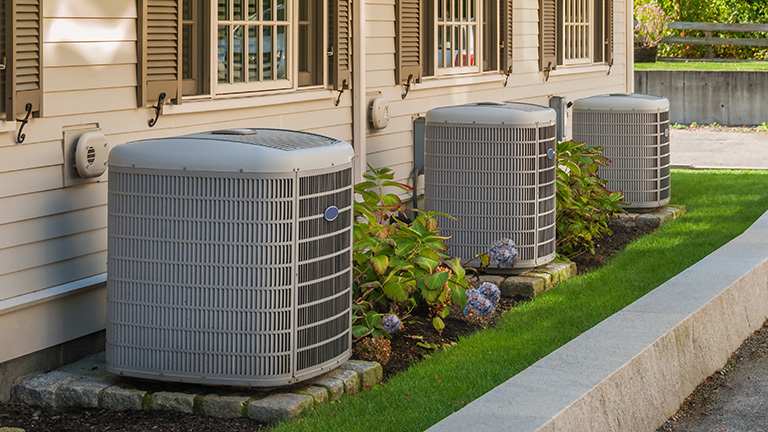
HVAC replacement costs depend on a lot of factors, like unit type, size, and labor. See what you can expect to pay for HVAC replacement here.
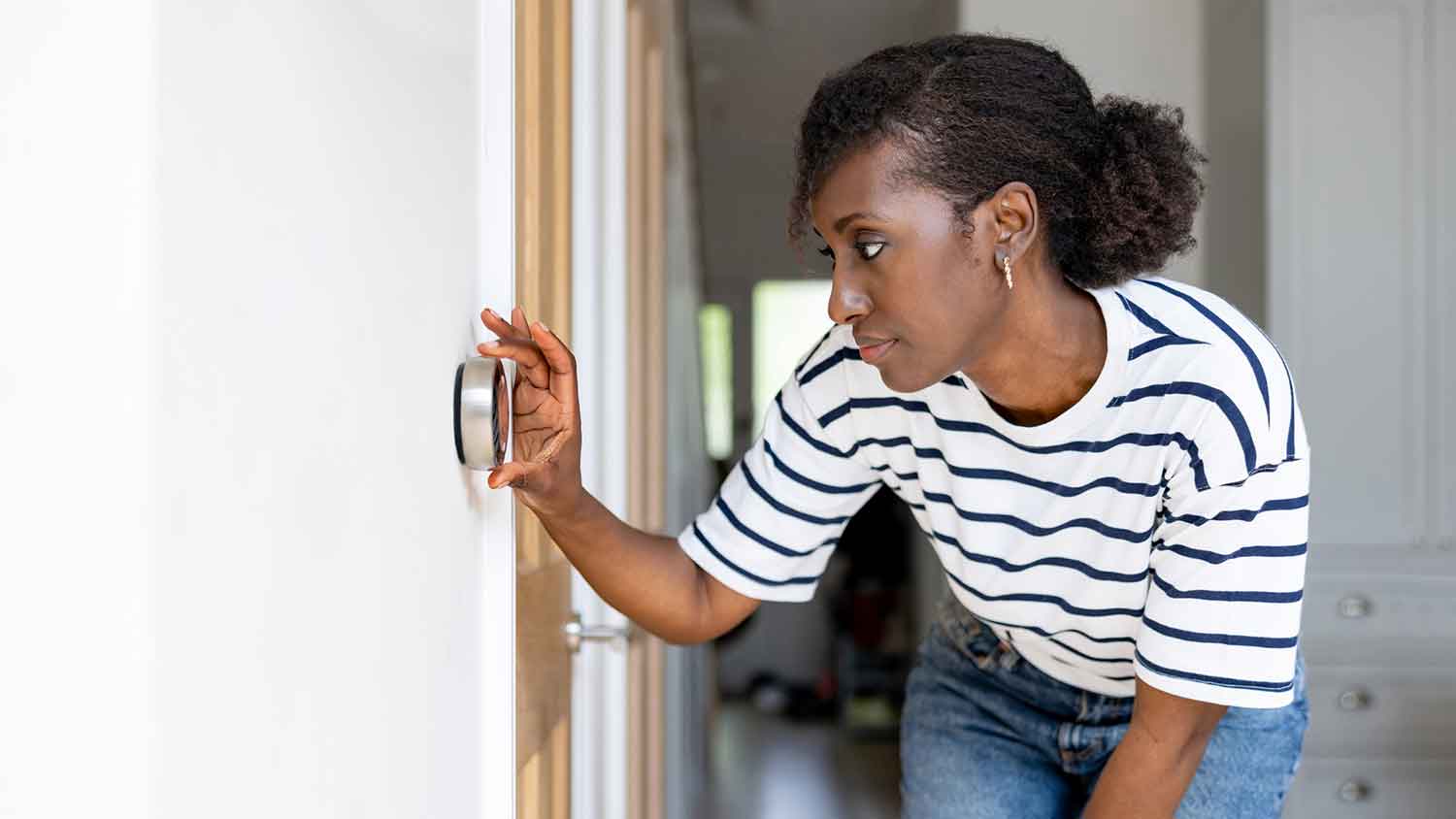
Discover the factors affecting HVAC zoning system cost, energy savings, DIY options, and expert insights. Get informed about your home’s heating and cooling.

Experiencing a bit of shock and wondering, "Why is my gas bill so high?" The cause could be a number of issues, read on to learn what you can do about it.
Who installs geothermal heating systems? Our hiring guide reviews what to look for when installing a geothermal system.

Saving energy on an HVAC system is an absolute must if you want to slash energy costs. Check out these 11 tips to make your HVAC system more energy-efficient.