

Fire damage restoration costs vary widely based on the extent of the damage. Learn how to assess your home and estimate your total after a fire.
Keep your home safe by taking these steps to prevent electrical fires

Stopping an electrical fire starts with identifying common hazards like frayed cords, overloaded outlets, or faulty wiring that can overheat and spark.
Unplug devices when you're not using them to prevent power surges and overheating, especially before leaving your home for extended periods.
Install GFCI outlets in areas near water to protect your home from ground faults, shocks, and electrical fires caused by moisture exposure.
Hiring a local electrical professional provides reliable support with inspections, wiring upgrades, and outlet installations that keep your home safe and up to code.
From plugging in devices to programming the automatic coffee maker, most households run on electricity all day, every day. That’s why it’s essential to learn how to prevent electrical fires that are hazardous to your personal safety and home.
Thankfully, this is a highly preventable problem with some simple steps homeowners can take immediately by following home electrical safety tips. Here are 10 ways to prevent electrical fires at home.
Follow these guidelines to maintain your appliances properly to avoid an electrical fire.
In order to keep your home safe and prevent electrical fires, it’s important to perform regular maintenance on your appliances and practice proper safety precautions. For example, dusting behind and beneath appliances, especially ones that generate heat, can make the difference between an unexpected fire and a protected home.
Dryers are particularly susceptible to fires, so clean out the lint trap after each use and hire a pro to inspect and clean your ducts and vents annually. It also helps to check your refrigerator coil on a regular basis to ensure they’re clean, which helps prevent overheating.
Additional kitchen appliances like instant pots and air fryers are all the rage right now, but be aware of when and where you plug them in. Be sure not to overload a kitchen outlet with too many appliances, and always unplug units when they are not being used.
In addition, regularly check older appliances for damaged or frayed electrical cords, which can cause an additional risk for a fire. If your toaster, microwave, or other appliance emits sparks or begins smoking, stop use immediately, unplug it, and call an electrician to help prevent an electrical fire at home. After identifying the issue, repair the appliance or replace it.
Whether you’re leaving the house for the supermarket or going on a weekend getaway, take time to unplug your devices before you go. Power outages and other electrical issues can happen at any time, and if there is food or another flammable object on or near the device, it can spark a fire.
In addition, cords can overheat in the instance of an unexpected power surge. There’s another good reason to unplug: you’ll save some money on your energy bill. Even when not in use, many devices still draw electricity when plugged in.
The National Fire Protection Association says that space heaters play a role in over 30% of home heating-related fires (including water heaters and fireplaces), and 88% of associated deaths. Many newer space heaters have built-in safety components, such as a thermal shutoff and a power shutoff if the heater gets too hot, but it’s still wise to use these devices with caution.
Never put your space heater anywhere except the floor (not on a bench or a desk), keep it away from water and flammable items, and don’t ever leave it unattended. Most manufacturers advise against plugging space heaters into surge protectors, extension cords, or GFCI outlets; stick to standard wall outlets for these devices.
Follow these guidelines to maintain your outlets properly to avoid an electrical fire.
Whether you have little fingers poking around your outlets or not, you should cover unused outlets with caps to keep dust out and prevent contact with conductive materials. And as helpful as they are, extension cords should only be used on a temporary basis, since they can overheat and lead to fires when they’re connected to appliances they’re not properly rated for.
The electrical circuits in your home send power to each outlet, but there is a limit on how much each one can handle. While it’s tempting to simply plug in an extension cord, you should be aware of the risk of overloading an outlet.
When plugging in multiple items to one outlet, always use a surge protector and carefully monitor your electricity usage. And if your entertainment area needs to house a TV, several streaming devices, and a laptop, consider hiring a local electrician to install additional sockets to help spread out the electrical burden and prevent a fire at home.
Ground-fault circuit interrupter outlets (GFCI) protect you from an electrical ground fault, fires, and overheating. A professional electrician can install GFCI outlets, and add GFCI into circuit breakers and portable devices for ground fault protection, even when GFCI isn’t on a circuit. A GFCI monitors the current flowing through a circuit, and if the current varies by 5 milliamps, suggesting that a ground fault might occur, the GFCI will shut off power nearly immediately, preventing electrocution.
GFCIs are especially important to have anywhere there is an outlet near water, as water creates a higher electrocution risk. GFCIs are now required by the National Electric Code (NEC) in new kitchens, bathrooms, crawl spaces, unfinished basements, and in outdoor receptacles to lower the risk of electrical fire.
It’s best to store any fabric items such as bedding, towels, and rugs a good distance away from electrical outlets and other hot devices. This tip is especially important to practice when there are hot devices, including space heaters or irons, that are plugged into outlets. Also, pay attention to the storage location of any flammable liquids, including lighter fluid and gasoline. Even in a garage, these liquids need to be kept a safe distance away from outlets to help prevent a fire in your home.
Follow these guidelines to maintain your cords and power strips properly to avoid an electrical fire
The location of cords and power strips is crucial in preventing electrical fires. Although it may be tempting to disguise a bulky cord under a rug or carpet, it can lead to overheating and cause a dangerous problem inside your home.
It’s best to keep cords and power strips away from heat or water sources, if possible. If lengthy cords are posing a problem, consider using cord clips or organizers to keep them in one spot and prevent tripping. Just make sure to avoid using nails or staples, which can damage cords.

Keep an eye out for any cords or wiring that show signs of fraying or ripping. Damaged electrical components overheat more easily, and you should replace them as soon as possible. Plugs can also show signs of being worn out or damaged, making them more likely to overheat or spark. Be aware of plugs that feel hot to the touch, indicating a larger electrical problem that you should address immediately.
In some instances, such as with a large appliance, you can often purchase a replacement cord. In other cases, like a lamp with a faulty plug, the safest option is to replace the entire unit.
Unusual signs of electrical activity, including flickering lights or a strange buzzing from an outlet, can be a telltale sign of an electrical problem. Don’t ignore the issue, as it could be a sign of a potential fire hazard. Instead, discontinue using the light or outlet and call a professional electrician to diagnose and troubleshoot the issue.
Follow these guidelines to maintain your wiring properly to avoid an electrical fire

Wiring is not designed to last forever, so hiring an electrician to conduct an electrical inspection is a good idea if you live in an older home. This type of inspection is also recommended during the home-buying process so potential buyers are aware of any outstanding electrical issues or fire risks.
During the inspection, ask the electrician about the home’s wiring status and type. It’s important to know what kind of wiring runs through your house since aluminum wiring is more susceptible to electrical fires than copper wiring.
In the case of an electrical fire, having the correct number of smoke detectors installed in your home can make a huge difference. There should be a unit approximately every 21 feet in your home, including in every bedroom and outside of every sleeping area. Don’t forget to include alarms in areas such as the basement, garage, and attic.
It’s also a good idea to have a fire extinguisher on hand at all times. Since you can’t put out electrical fires with water, an extinguisher can help tackle smaller outbreaks.
I recently had Mosby Electric perform an electrical installation on 8-14-2026, and I couldn’t be more satisfied with the service. From the moment I called, their team demonstrated fast arrival and professionalism. The electricians were highly knowledgeable, completing the installation...
 Mosby Electric
Great company! Price was competitive, technician showed up on time and completed the job (exterior electric Radon fan replacement) quickly. Would hire them again.
 MaGen Property Inspections and Radon Mitigation
I conferred with 2 other contractors before Armstrong Electric. Nick and his crew showed me that the project was not as convoluted as the other contractors made it appear to be. They completed the entire project on time. They were professional, friendly and cleaned up after at completion. I...
 ARMSTRONG ELECTRIC, LLC
The techs on my project, Shawn and Cliff, were great. They were prompt, courteous, and efficient. I am very happy with the results and would definitely contact Mr. Electric for any future electrical projects.
 Mr. Electric of Columbus
Victor was wonderful. He was on time, professional, and explained everything he was doing. He was thorough and figured out that the problem was electrical instead of with my HVAC system. Very knowledgeable. I will be using this company in the future for any HVAC needs. Thanks!
 Hubbs Heating & Air LLC
They were excellent. They did a great job. I was totally satisfied. They put tremendous effort in making sure the work was completed. They were great. They provided immediate response to any inquires I made. I would hire them again. I would recommend them to anyone who needs electrical work....
 JCB & Associates, LLC DBA Property-Tech Industries
Initially, the repairman could not find the problem. Apparently, there was some electrical shortage, but he could not find the definite problem. He left, but called back later to say he had a new idea. He returned and replaced the light switches on the doors. The refrigerator seemed to return...
 Appliance Pro LLC
The initial quoted price from a walk-through seemed high, but we discussed that the quote represented worst case scenario (re-wiring to two floors) and we were excited about the opportunity to have the work done in a timely manner with closing for fire safety reasons, etc. When the job was...
I have to tell you I am all about customer service - I will go out of my way and even pay more for it if you give me great customer service. <br> <br>In a world where this is hard to find, these guys were awesome! I can not sing their praises enough. They were prompt, personable, funny, got...
 Waibel Electric
When I challenged the markup on the generator, Bruder Electric withdrew its bid. They only want naïve customers.
From average costs to expert advice, get all the answers you need to get your job done.
Fire damage restoration costs vary widely based on the extent of the damage. Learn how to assess your home and estimate your total after a fire.

Discover several methods to understand how to put out an electrical fire and important tips to prevent them from happening.

Fire prevention is tricky when you don’t know the common causes of house fires. Read this guide and learn all about home fires and some basic prevention tips.

Cooking, smoking, electrical issues, malfunctioning alarms, and other hazards can lead to deadly house fires. Follow these tips to prevent fires from happening.

The kitchen presents the greatest risk of fire in your home. Prepare yourself by knowing how to put out a kitchen fire.
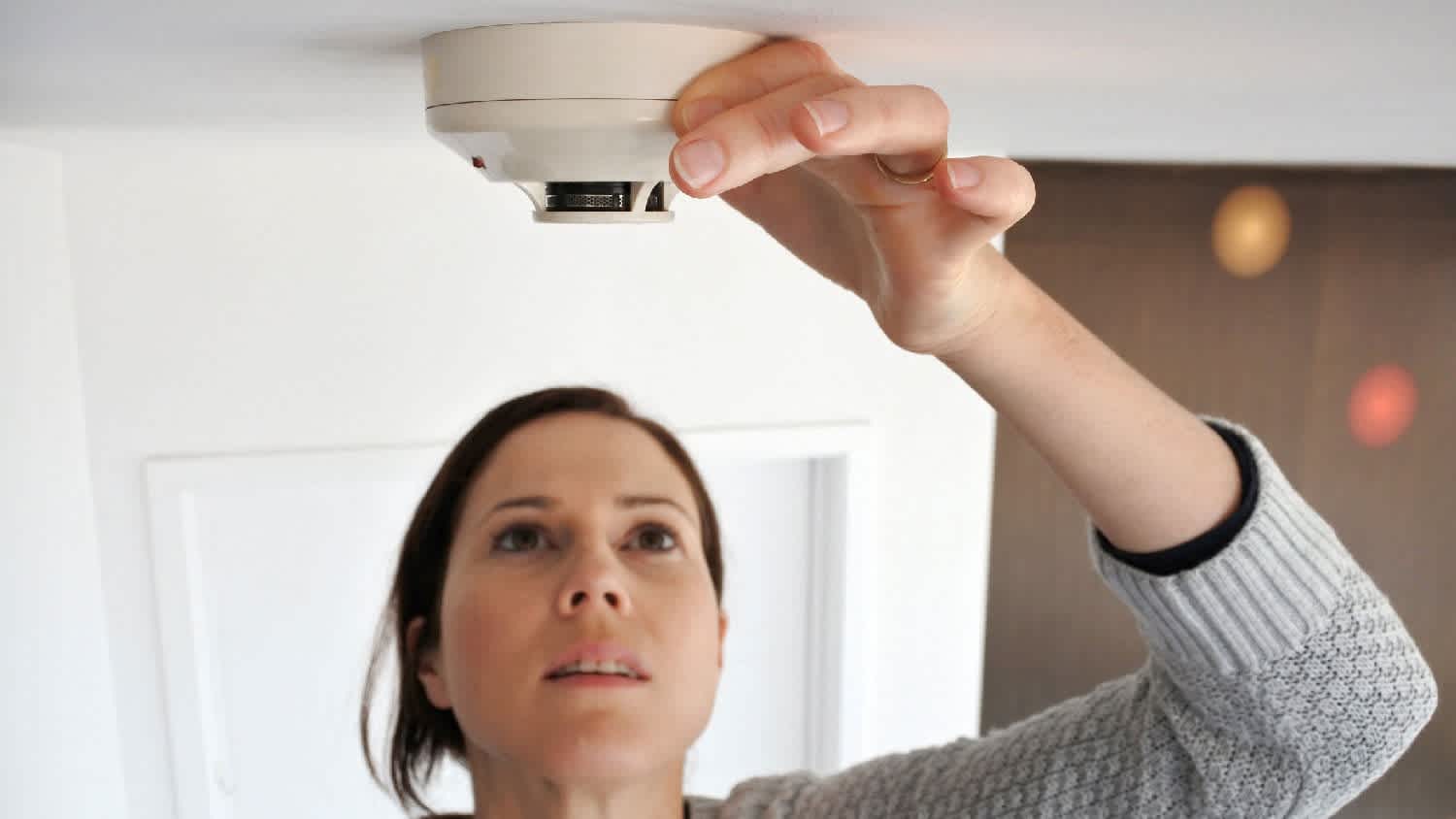
If you’re looking to upgrade or replace your fire systems, here are some fire prevention questions you can expect to discuss with a pro before starting.