

A power outage emergency kit will help ensure you stay as safe and comfortable as possible next time the power goes out. We’ll help you compile everything you need.
Don’t be left in the dark

Power outages happen when storms, wind, snow, or downed lines cut electricity to your home, so preparing emergency supplies now keeps you safe later.
Keep flashlights, batteries, candles, bottled water, non-perishable food, and a battery-operated radio ready so you can navigate safely when the lights go out.
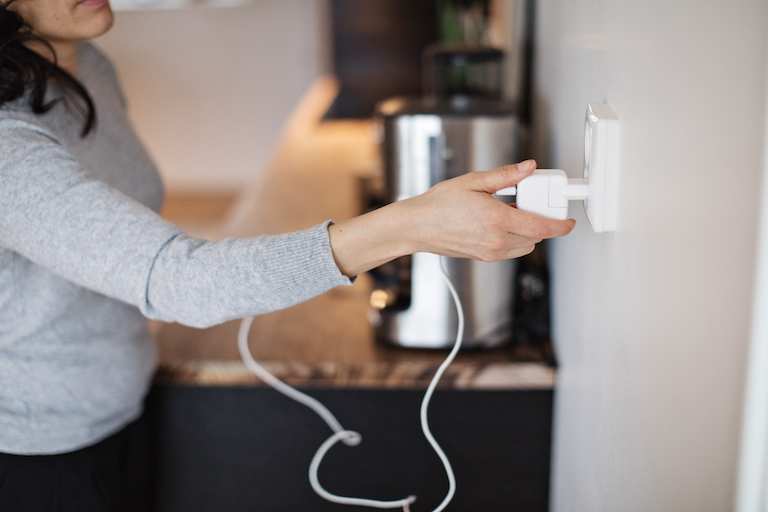
Unplug electronics and appliances right away to protect them from power surges that can happen when electricity comes back on and cause expensive damage.
Hiring a local electrical professional provides reliable help with tripped breakers, blown fuses, and electrical issues that keep your power from coming back on safely.
One minute you’re happily making dinner, and the next … you’re in total darkness wondering what just happened. Power outages are bound to occur sooner or later. Big thunderstorms, wind, snow, a downed power line in your yard, and rolling blackouts can all be reasons for losing your electricity.
How well you’re prepared determines how stressed out you’ll be when dealing with a power outage. Here are 10 things to do when the power goes out at home.
Whoever said “an ounce of preparation is worth a pound of cure” had probably sat in their living room wishing for a flashlight when their electricity went off. So prepare for a power outage while the lights are still on. Practicing emergency preparedness for a power outage puts you miles ahead in being safe and comfortable.
Keep your home stocked with the following emergency supplies. Store them in a convenient location, so you can grab them quickly.
If there’s no electricity, batteries are your BFFs. Stockpile for your flashlights, radio, electronics, and anything else that’s battery-operated. Keep your lines of communication open by adding a battery backup for everyone’s cell phone, too.

It’s a smart idea to proactively prepare a kit for emergencies. Several flashlights, candles, matches, bottled water, a manual can opener, non-perishable food, and a battery-operated or hand-crank radio should be your staples.
Invest in a portable generator for emergency lighting and other important electrical equipment if you’re forced to deal with an extended power outage. You especially need a generator if you or someone in your family takes medicine that’s required to be refrigerated or uses an electrical medical device.
What to do when the power goes out hinges on being able to move around. Your first order of business is to get some light into your home. Trying to navigate in the dark sets you up for dangerous falls.
Turn on your cell phone’s flashlight and make your way to your emergency kit. Hand out flashlights and candles (which should be in containers to avoid a fire).
The first thing to figure out is whether it is an electrical problem with your house, or if the outage is more widespread. Look out your window and see if the streetlights are still on and if your neighbors have lights.
If you see lights, you may have just tripped a breaker or have a blown fuse. Finding your fuse box and resetting the circuit breaker will most likely reinstate your power. If you need help with electrical issues, call a licensed electrician near you.
If the entire neighborhood is dark, you’re most likely dealing with a power outage caused by something outside your home like bad weather, a rolling blackout, or a downed power line in your yard.

Contact your utility company and report the power outage. They track the areas where power is out and need to know how many households are without electricity.
Most utility companies show power outage areas on their website. You can log into your account, read the outage information, and stay updated on the estimated time your power will be back on.
Power surges, which are common as teams work on power restoration, can damage your expensive electronic devices and appliances. When you realize the power’s out, minimize the chances you’ll be shelling out money for costly repair and replacement costs.
Go from room to room unplugging each one to guard against expensive replacement costs that can be caused by a power surge. Make sure to roll up the cords and store them out of the way to keep from tripping over them in the dark.
Your electric stove, refrigerator, and dishwasher are big-ticket items you need to protect against power surges. Unplug every appliance as soon as you realize the power’s out and leave them that way until you’re confident the problem is fixed for good. If you cook with natural gas, don’t worry about your stove.
Nobody wants to suffer through a power outage only to end up with food poisoning a few days later because they ate something that was ruined while the electricity was off. Food safety is important during and after a power outage.
Are you wondering how long refrigerated food will last after the power goes out? After all, you’ve spent good money on groceries and you don’t want them to go bad. Items in your fridge should be safe to eat after a temporary power outage of up to four hours. After that, throw out perishables like meat, eggs, and dairy.
Keep your food as cool for as long as you can by not opening the refrigerator door for any reason. Put a sign on it to remind everyone to leave it closed. Tape it closed for extra assurance.
Most foods will stay frozen for one to three days in an unopened freezer. The key here is to keep it shut—tell everyone in the family the freezer is off-limits. Once the electricity’s back on, check the freezer’s contents and throw out anything that’s half or completely thawed out.

During a power outage caused by severe weather, it stands to reason your water supply could dwindle, too. Be on the safe side by adding three days’ worth of water to your emergency kit. Run your bathtub full of water as an extra precaution. You can use it to wash dishes, flush toilets, and wash yourself off if the power outage lingers.
Depending on the temperature when the power goes off, make an effort to regulate your temperature. ‘
Move everyone, including your pets, to the lowest level of your house. If weather permits, open your windows to create a breeze. If it’s sunny, block it out by closing your curtains or blinds. Dress in summer clothing like tank tops and shorts made from lightweight, breathable fabric.
If you have a fireplace, now’s the time to build one. Gather everyone in the warmest room of the house under blankets and throws. Dress in layers and don’t forget socks and head covering. If you don’t have another source of heat and it’s safe to travel, move your family to a heated emergency shelter.
During extreme cold weather, leave at least one faucet dripping so you don’t end up dealing with frozen pipes on top of a power outage.
Now is not the time to ration drinking water.
Bottled: Everyone should help themselves to the safe bottled drinking water you set aside in your emergency preparedness plan. Aim to drink a minimum of 48 ounces every day to stay hydrated, and 12 to 16 ounces more during hot weather.
Boiled: If you didn’t store enough safe drinking water to ride out the power outage, your best bet is to boil some. Fire up your outdoor grill or gas stove and set a large pot of water on it. Once it begins boiling, allow it to boil for at least one minute. Set it aside and let it cool before drinking it.
It’s easier to get hurt during a power outage because of your decreased ability to see. Since driving may not be an option because of bad weather, and emergency rooms will be jam-packed anyway, it’s wise to practice power outage safety during a blackout.
When anything burns, it produces colorless, odorless gas that’s poisonous. Running generators or grilling inside can cause carbon monoxide poisoning. Take great care to avoid this by putting your generator near an open window and keeping your grill outside.
If any of your family feels dizzy, nauseous, have an upset stomach, vomiting, chest pain, or confusion, they could be suffering from carbon monoxide poisoning. Take them outside immediately so they can breathe fresh air.
Both inside and outside stairs are hazards during a power outage. Without being able to see where you’re going, you can easily miss a step, get your foot hung on loose carpet or boards, or slip on wet steps in the rain. Proactively add stair treads to make stairs safer.
Avoid staircases as much as possible during a power outage. If you must navigate steps, take a flashlight, go slowly, and hold the handrails to stay upright and injury-free.
Building a fire, lighting candles, and grilling put you in harm’s way. Burns can blister, cause severe pain, and get infected if you aren’t careful.
Wear protective gloves and stay vigilant when you’re around a fire or hot surfaces. If you get burned, treat the area by pouring cool water over it, dabbing aloe vera on it, and wrapping it in a clean bandage.
I recently had Mosby Electric perform an electrical installation on 8-14-2026, and I couldn’t be more satisfied with the service. From the moment I called, their team demonstrated fast arrival and professionalism. The electricians were highly knowledgeable, completing the installation...
 Mosby Electric
Great company! Price was competitive, technician showed up on time and completed the job (exterior electric Radon fan replacement) quickly. Would hire them again.
 MaGen Property Inspections and Radon Mitigation
I conferred with 2 other contractors before Armstrong Electric. Nick and his crew showed me that the project was not as convoluted as the other contractors made it appear to be. They completed the entire project on time. They were professional, friendly and cleaned up after at completion. I...
 ARMSTRONG ELECTRIC, LLC
The techs on my project, Shawn and Cliff, were great. They were prompt, courteous, and efficient. I am very happy with the results and would definitely contact Mr. Electric for any future electrical projects.
 Mr. Electric of Columbus
Victor was wonderful. He was on time, professional, and explained everything he was doing. He was thorough and figured out that the problem was electrical instead of with my HVAC system. Very knowledgeable. I will be using this company in the future for any HVAC needs. Thanks!
 Hubbs Heating & Air LLC
They were excellent. They did a great job. I was totally satisfied. They put tremendous effort in making sure the work was completed. They were great. They provided immediate response to any inquires I made. I would hire them again. I would recommend them to anyone who needs electrical work....
 JCB & Associates, LLC DBA Property-Tech Industries
Initially, the repairman could not find the problem. Apparently, there was some electrical shortage, but he could not find the definite problem. He left, but called back later to say he had a new idea. He returned and replaced the light switches on the doors. The refrigerator seemed to return...
 Appliance Pro LLC
The initial quoted price from a walk-through seemed high, but we discussed that the quote represented worst case scenario (re-wiring to two floors) and we were excited about the opportunity to have the work done in a timely manner with closing for fire safety reasons, etc. When the job was...
I have to tell you I am all about customer service - I will go out of my way and even pay more for it if you give me great customer service. <br> <br>In a world where this is hard to find, these guys were awesome! I can not sing their praises enough. They were prompt, personable, funny, got...
 Waibel Electric
When I challenged the markup on the generator, Bruder Electric withdrew its bid. They only want naïve customers.
From average costs to expert advice, get all the answers you need to get your job done.
A power outage emergency kit will help ensure you stay as safe and comfortable as possible next time the power goes out. We’ll help you compile everything you need.

If your AC is not working after a power outage, you’re not alone. Learn the main reasons your AC unit is having trouble and what to do.

Home emergencies can pop up at any time, so it’s best to be prepared. From broken windows to clogged toilets, here’s how to handle common home mishaps.
An electrical power surge is a sudden and short increase in voltage in an electrical circuit, which can damage sensitive electronics.

Knowing what an electrical emergency is in your home helps you take speedy and appropriate action to keep your family safe and get your power back on.

When the power goes out in your home, the food inside your fridge and freezer starts running out of time. How many hours do you have until your groceries become unsafe to consume? We answer this and other important questions in this guide.