

If you need electrical work done, you’ve probably been asking, “How much does an electrician cost?” We’ll break down all the cost factors for you here.
It’s not shocking that most electric work is best left to the pros

An electrician consultation helps you plan complex projects like home additions or solar panel installations and provides expert advice on wiring choices that save time and money.
Rewiring costs range from $4,000 to $8,000 for whole-house projects, while meter-to-breaker upgrades cost $200 to $500, making early professional assessment valuable.
Your electrical system needs professional attention when you spot hidden problems like constantly tripping breakers, intermittent shorts, or mysterious issues you can't trace to a source.
Hiring a local electrical professional keeps your home safe by handling code compliance, permits, inspections, and complex wiring that protects against electrical fires and shocks.
We've all seen overly confident movie characters take on DIY home electrical work. They pull out the pliers, attach a few wires, hold their breath, and flip a breaker switch. Alas, it rarely goes well. As a gentle reminder—most electrical work is better left to the professionals. Yes, that goes for small wiring jobs that may seem straightforward.
Here's a guide to help you spot electrical problems, so you know when it’s best to call an electrician.
If you don’t know anything about your electrical system (homes don’t exactly come with a manual) and don’t have any experience with wiring, don’t hesitate to call a professional electrician for electrical projects.
While it’s possible to DIY basic projects like replacing an outlet or a doorbell, it can be potentially dangerous or damaging to attempt wiring tasks that are out of your league. Hire an electrician for any electrical jobs that require working with your home’s wiring to stay on the safe side.
Every city has electrical codes for construction, and those requirements can vary from place to place. These codes mandate what kind of wiring to use, safety features for electrical systems, and plenty of other important information.
If you’re completing a home remodel or other work that involves significant additions or changes to your home’s electrical system, hire an electrician who knows the latest local codes and can ensure your system meets all requirements. Licensed and certified electricians must keep up with the newest codes, so they’re a reliable source for staying compliant and safe.
Sometimes electrical issues can be difficult to identify, but they can still cause plenty of trouble. For example, constantly flipping breakers could hint at old wiring or intermittent shorts that could be a hazard and lead to an eventual electrical fire.
Since problems like these can stay hidden inside your walls, it’s difficult for homeowners to find them or recognize the severity of them. If you’re struggling to find the source of an electrical problem, call in the pros to inspect your system. Electricians know where to look and what to test to find out the cause of the issue before it worsens.
Decades of electrical improvements have made home electrical systems safer than ever. However, there is still some risk of getting shocked, especially when working with wiring or large appliances. And if there’s damage to the wiring that could cause a short, that risk increases.
If you’re worried about health hazards from working around wiring or believe that there’s a considerable risk of shock due to system damage, shut down the circuit using your breaker box and hire an electrician to handle the problem for you. Electricians have the protective clothing and equipment necessary to deal with electrical hazards on the job.
Certain remodels will require the work of a professional electrician because of the components involved and the impact they have on your electrical system. For example, breaker replacements or upgrades require a trained electrician to inspect your current breakers and choose the replacements that have the necessary amperage and compatibility with your setup.
A transfer switch for a whole-house generator is another situation where the size and importance of the project means a professional should handle it. A transfer switch can move entire circuits in a home to or back from generator power, a complex task that requires careful installation from an experienced electrician.
Old wiring is less likely to be up to current codes and more likely to short and cause electrical fires. If you’re living in an older house, you may find large parts of the wiring need to be replaced entirely. That’s a sign to call in an electrician. Understanding what wiring needs to be replaced and routing new wiring through walls is not a DIY job.
You also need to budget for it: Rewiring a house can cost between $4,000 and $8,000. In some cases, you may only need to rewire from the meter to the breaker box as part of an upgrade. This project should be handled by an electrician, but it’s a much more affordable project, usually between $200 and $500.
Every electrician’s tool kit has a voltmeter, multimeter, or a similar tool to help them measure electricity. These vital tools and their probes allow users to safely test which wires are live and the strength and stability of the current.
If you don’t have a voltmeter or alternative tool, it’s much harder to complete electrical tasks around the house. Hire an electrician with the proper tools for testing and inspecting your electrical system.

Some electrical decisions are too big to make on your own without an expert. For example, major projects like planning a home expansion, updating the entire wiring system, and adding solar panels require a professional electrician consultation.
In other cases, especially large remodels, you may want to call in an electrician for an inspection and consultation on how to save money. The right wiring choices in the right rooms can not only save time on the remodel but may be able to lower the price, too.
I recently had Mosby Electric perform an electrical installation on 8-14-2026, and I couldn’t be more satisfied with the service. From the moment I called, their team demonstrated fast arrival and professionalism. The electricians were highly knowledgeable, completing the installation...
 Mosby Electric
Great company! Price was competitive, technician showed up on time and completed the job (exterior electric Radon fan replacement) quickly. Would hire them again.
 MaGen Property Inspections and Radon Mitigation
I conferred with 2 other contractors before Armstrong Electric. Nick and his crew showed me that the project was not as convoluted as the other contractors made it appear to be. They completed the entire project on time. They were professional, friendly and cleaned up after at completion. I...
 ARMSTRONG ELECTRIC, LLC
The techs on my project, Shawn and Cliff, were great. They were prompt, courteous, and efficient. I am very happy with the results and would definitely contact Mr. Electric for any future electrical projects.
 Mr. Electric of Columbus
Victor was wonderful. He was on time, professional, and explained everything he was doing. He was thorough and figured out that the problem was electrical instead of with my HVAC system. Very knowledgeable. I will be using this company in the future for any HVAC needs. Thanks!
 Hubbs Heating & Air LLC
They were excellent. They did a great job. I was totally satisfied. They put tremendous effort in making sure the work was completed. They were great. They provided immediate response to any inquires I made. I would hire them again. I would recommend them to anyone who needs electrical work....
 JCB & Associates, LLC DBA Property-Tech Industries
Initially, the repairman could not find the problem. Apparently, there was some electrical shortage, but he could not find the definite problem. He left, but called back later to say he had a new idea. He returned and replaced the light switches on the doors. The refrigerator seemed to return...
 Appliance Pro LLC
The initial quoted price from a walk-through seemed high, but we discussed that the quote represented worst case scenario (re-wiring to two floors) and we were excited about the opportunity to have the work done in a timely manner with closing for fire safety reasons, etc. When the job was...
I have to tell you I am all about customer service - I will go out of my way and even pay more for it if you give me great customer service. <br> <br>In a world where this is hard to find, these guys were awesome! I can not sing their praises enough. They were prompt, personable, funny, got...
 Waibel Electric
When I challenged the markup on the generator, Bruder Electric withdrew its bid. They only want naïve customers.
From average costs to expert advice, get all the answers you need to get your job done.
If you need electrical work done, you’ve probably been asking, “How much does an electrician cost?” We’ll break down all the cost factors for you here.

The cost to install a 240-volt outlet varies depending on the amperage and the home’s current wiring conditions. Use this guide to budget for your next project.
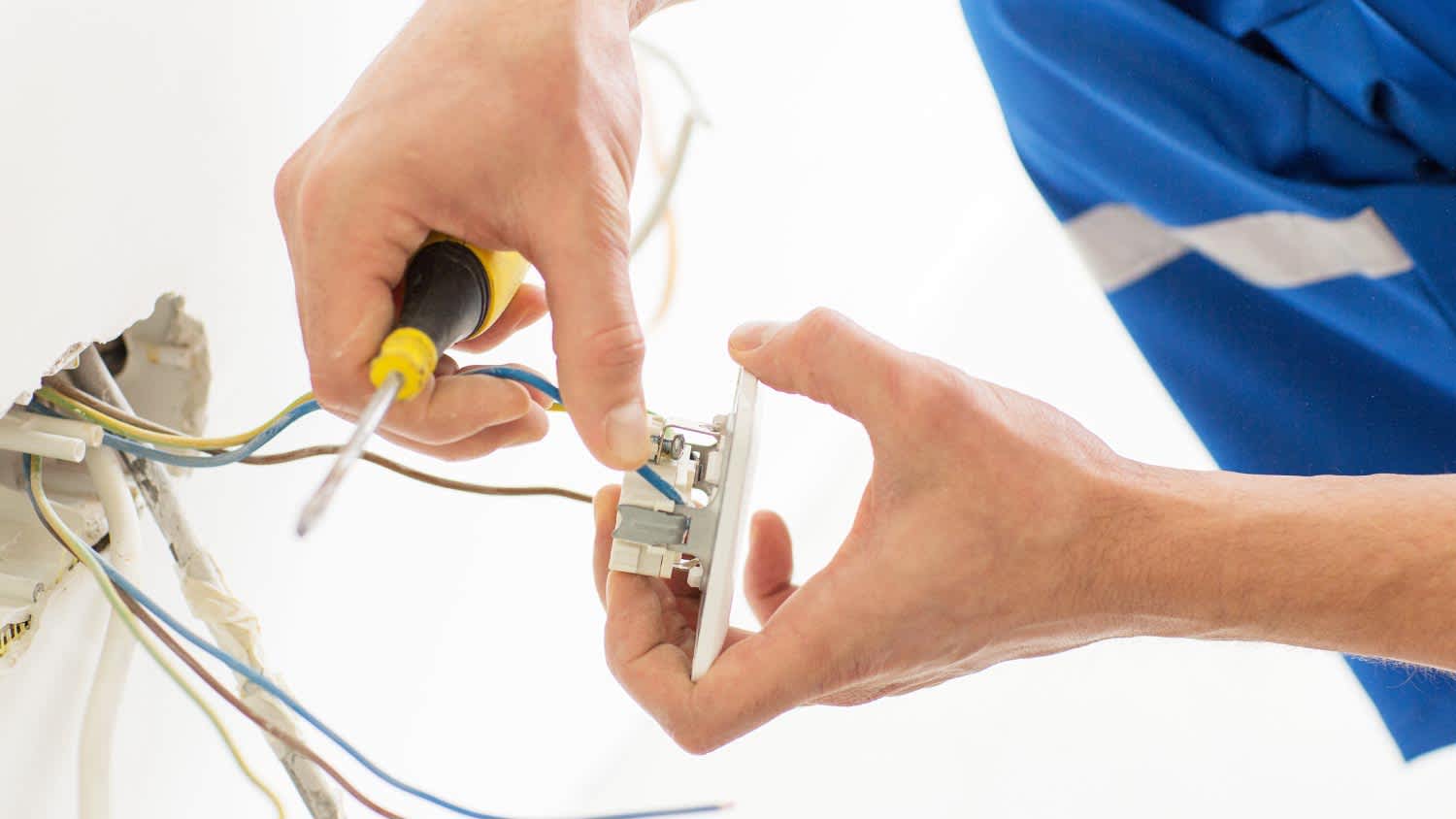
The cost to install a 220v outlet will depend on factors such as what type of 220v outlet you need and other key factors you can learn about in this cost guide.
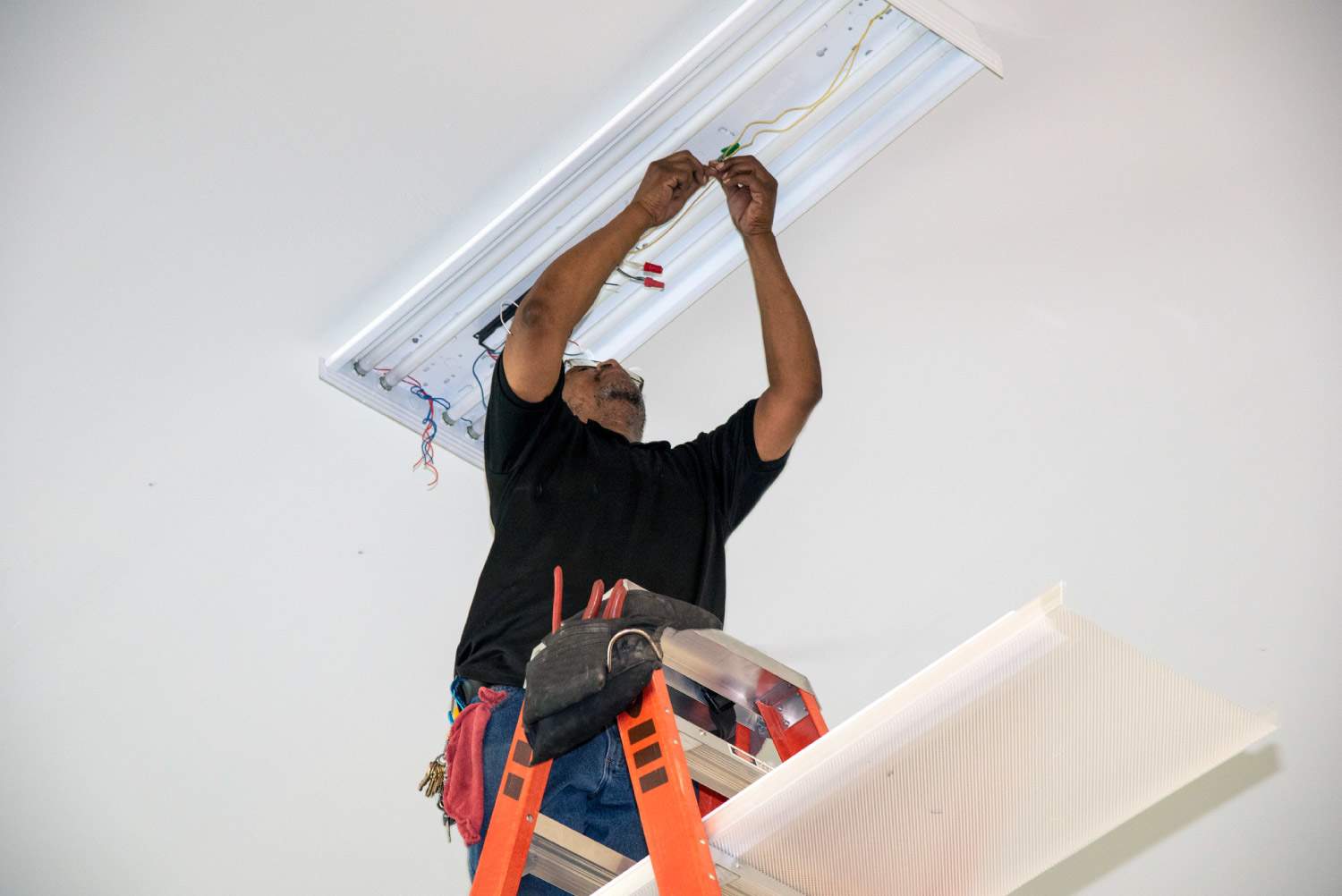
Whether they’re updating outlets or replacing your electrical panel, you need to make sure you’re hiring an experienced electrician for the job. Learn how to find your perfect pro here.

Finding the best electrician for your project starts with asking the right questions and checking credentials. Here are tips on how to find an electrician.
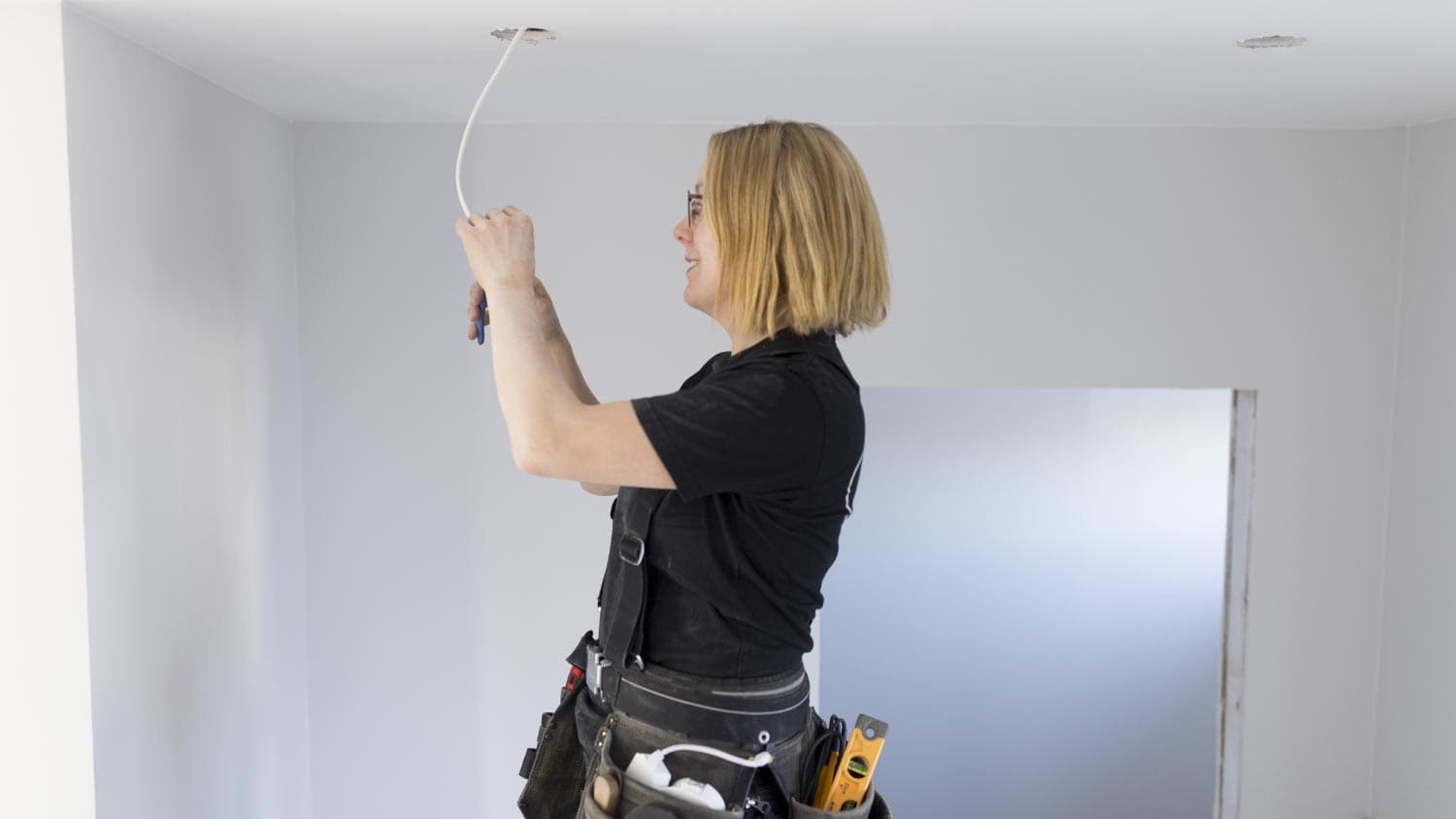
Hiring a professional is a smart choice for safety’s sake. Choose the best person with this list of questions to ask an electrician.