


The cost to install a 240-volt outlet varies depending on the amperage and the home’s current wiring conditions. Use this guide to budget for your next project.
Electrical service costs depend on your project and location. Check with a local pro for your specific job.

Professional EV charger installation costs between $554 and $1,381, and your charger type and features drive the total.
Your panel distance, wall access, and indoor versus outdoor placement all affect labor time and materials needed.
You should budget for electrical panel upgrades $800 to $2,000 and permits $150 to $200 for installation.
Hiring a local EV charger installing professional prevents shock hazards and ensures your wiring and grounding meet local codes.
In 2026, the national average cost to install an EV charger at home is $967, based on 4,398 verified projects from Angi Pros. Most homeowners pay between $554 and $1,381, with the spread driven primarily by charger type, your location, and the features your charger includes. If you're also factoring in an electrical panel upgrade ($800 to $2,000) or permits ($150 to $200), those costs can push your total higher.
Home EV charger installation costs depend primarily on the charger type, your electrical panel capacity, wiring distance, and smart features. Factoring in these variables upfront ensures you get an accurate estimate from your electrician.
There are two home EV charging methods—Level 1 and Level 2—and the type you choose is the primary driver of your total cost. Level 1 charging stations cost $300 to $600, while Level 2 stations start at $300 and can easily exceed $1,000 depending on features like higher amperage or touchscreen displays. Once labor is factored in, your all-in total will be $700 to over $2,000.
Level 1 chargers are more affordable upfront but charge significantly slower, so most homeowners who rely on their EV daily opt for Level 2. Here’s how the costs break down:
| Charging Station Type | Voltage Requirements | Average Cost in 2026 |
|---|---|---|
| Level 1 | 110V–120V | $300–$600 |
| Level 2 | 220V–240V | $700–$2,000 |
If you’re looking to finance your EV charging station, one option is through your financial institution. With the rising popularity of electric vehicles, some banks and credit unions now allow customers to finance charging stations along with their electric-powered cars.
You might also be able to finance your EV charging station through your charging station provider. Along with installation and maintenance services, some third-party charging station providers offer flexible payment options for their customers. In some cases, installing an EV charging station in your home makes you eligible to receive tax credits or rebates.
Fortunately, every electric car comes standard with a 120-volt charging option, which means you can charge from a regular household outlet. Unfortunately, using a standard household outlet through what’s known as Level 1 charging takes approximately four to five hours per driving hour charged.
That means that if you Level-1 charge for eight hours, you might only store about 35 to 40 hours of driving range. That’s where Level 2 charging comes in.
Level 2 charging uses a special 240-volt outlet, similar to major home appliances like ovens, clothes dryers, water heaters, and central air conditioners. The advantage of Level 2 charging is that you can charge in less than half the time as Level 1 and can easily gain a whopping 180 miles of driving range from the same eight-hour charging cycle.
Needless to say, installing a Level 2 electric charging station outside your home or inside your garage is an ideal way to optimize your time and investment in your EV.
Hiring an EV charging expert near you is the safest and most reliable way to get your charger installed, with professional installation running between $400 and $1,200. Depending on your breaker box's amperage, some pros may charge below this range. Professional electricians have the experience and tools to meet local building codes and deliver a high-quality installation.
After finding a good location for the charger and obtaining the necessary permits, the electrician will:
Securely mount the charger to the wall
Run wiring from the electrical panel to the charger
Ensure the charger is correctly grounded to prevent electrical hazards.
Once everything is set up, the electrician can show you how to use the charger and answer questions.
Your vehicle and home setup may require additional features and upgrades, which can increase the total cost of your EV charger installation. Permits are another expense worth planning for before work begins. Talk through your preferred features and installation location with your electrician so there are no surprises in the final bill.
Here is a breakdown of common additional costs for EV charging station installation:
| Feature | Average Cost in 2026 |
|---|---|
| Smart features | $200 to $600 |
| Safety features | $100 to $500 |
| Permits | $100 to $200 |
| Electrical upgrades | $800 to $2,000 |
| New wiring | $500 to $1,500 |
| Weatherproofing | $50 |
| Mounting accessories | $50 |
| Mounting pedestals | At least $300 |
Many modern EV chargers include Wi-Fi connectivity, allowing you to control and monitor charging sessions through a smartphone app. These smart features let you start or stop charging remotely, schedule sessions, and track energy usage. Chargers with these capabilities cost $200 to $600 more than basic models without smart features.
A quality Level 2 charger should include lightning protection, overheat protection, overvoltage protection, leakage protection, and a waterproof rating of at least IP67. IP67 certification means the unit is fully protected against dust and sand and can operate for at least 30 minutes submerged under one meter of water. Chargers with these built-in safety protections can cost $100 to $500 more than basic models.
Permit requirements for EV charger installation vary by state and city, and typically cost $100 to $200 when required. California, for example, requires an electrical permit for a new 120-volt outlet, though 110-volt Level 1 stations are exempt. Check with your local building authority to ensure you don't need a permit before installing to avoid any fees. Alternatively, check with the U.S. Department of Energy for state laws, codes, regulations, and incentives pertaining to EV charging station installations.
If your current electrical panel can't handle the added load of an EV charger, upgrading your electrical panel can cost anywhere from $800 to $2,000, whether that means adding a new circuit or replacing the panel entirely. Older homes may also need new wiring to support the charger. Running new wires through walls or from the basement to the garage can add $500 to $1,500 to the project's total price.
Where you install your EV charger directly impacts cost—the closer the installation point is to your main electrical panel, the less you'll pay for wiring. Indoor garage installations are typically simpler and less expensive than outdoor setups. Outdoor installations may require weatherproofing and more extensive wiring, and some municipalities mandate a hardwired connection for chargers installed outside the home.
Some municipalities require a Level 2 charging station to be hardwired rather than plugged into an outlet. If you choose an installation location outside your home, the charger is exposed to the elements, so a hardwired installation is required for safety.
Even if you avoid charging during severe weather, your EV charger still needs to withstand the elements year-round. A simple cover runs around $50, while a heavy-duty, lockable enclosure costs around $200. Investing in the right level of weatherproofing protects your equipment and can extend your charger's lifespan.
Your installation setup may require special mounting hardware to secure the charger to a wall or a freestanding structure. Wall mounts cost between $50 and $150, while freestanding pedestals cost at least $300. If you're mounting outdoors or on an uneven surface, factor in the cost of hardware before finalizing your installation plan.
Public charging stations are more expensive, take a long time to charge, and could be offline or occupied. This makes for a major inconvenience if you depend on your EV to take you to work. You’ll spend around $2.50 to $14 to fully charge a standard-sized EV at home. Compare that to public charging stations, which cost anywhere from $12 to $24 to charge an EV.
Even with all of these considerations, an at-home charging station might not be a good fit for your home. Below are the pros and cons of a home charging station to help you decide if it’s right for you.
| Pros of an EV Charging Station | Cons of an EV Charging Station |
|---|---|
| Charge your EV whenever you want | Most chargers can only reach up to 25 feet away and may not reach detached garages or street parking |
| Faster charging with Level 2 chargers compared to standard outlets | Older homes may require electrical system upgrades |
| More affordable to charge a standard-sized EV at home | Higher initial installation costs |

While it might seem tempting to save money by doing it yourself, DIY electrical work can easily lead to costly mistakes, failed inspections, and significant safety hazards. A professional will ensure your home setup is safe, efficient, and compliant with all local regulations.
Installing an EV charger involves a lot more than simply mounting a box to the wall. Here’s why a pro makes all the difference:
Licensed electricians ensure that your wiring and circuits can handle the charger’s electrical load without overloading your electrical panel.
They handle all necessary permits and ensure the installation meets local codes and utility requirements.
Professionals can safely upgrade your electrical panel or add a dedicated circuit if your current setup doesn’t support a Level 2 charger.
DIY electrical work can lead to shock hazards, failed inspections, and voided insurance coverage.
Professionals know how to route wiring cleanly through garages and exterior walls, and install weatherproof enclosures where necessary.
They’ll test voltage, grounding, and connectivity to confirm your charger operates efficiently and safely.
Reputable electricians are licensed, insured, and often provide workmanship warranties.
If you’d like to stay involved in the process and potentially cut down on installation time, there are a few safe prep tasks you can take on before your electrician arrives:
Clear out space in your garage or driveway for the charger location.
Prep and clean the wall where the unit will be mounted.
Confirm your Wi-Fi signal is strong in the installation area if your charger has smart features.
Label circuits in your electrical panel to help your pro work more efficiently.
Some chargers qualify for the 30% Federal tax credit of up to $1,000 for equipment and installation to help offset some of the costs, which the IRS provides a form for.
If you haven’t already purchased an EV and are planning ahead by looking at charging stations, there’s good news regarding your potential purchase. The IRA also offers up to $7,500 in tax credits through December 2032 for EVs, while used EVs over two years of age are eligible for a separate tax credit of $4,000 or 30% off, depending on which value is less. This can help you save for your charging station.
Keep in mind there are many requirements, which greatly restrict who can qualify for the IRA tax credit, so keep the following in mind:
The battery components of your EV must be manufactured in North America.
Critical minerals used in your EV must derive from the U.S., countries in compliance with the free trade agreement, or recycled materials.
The assembly of the EV must occur in North America.
EV cars must cost less than $55,000.
SUVs, pickup trucks, and larger vehicles must cost less than $80,000.
Heads of household become ineligible for the tax credit if their gross income is greater than $225,000 ($150,000 for all other taxpayers).
Joint married couples become ineligible if their gross income is greater than $300,000.
You can also search on the U.S. Department of Energy’s Alternative Fuels Data Center website to see if there are any rebates or tax credits for installing an electric charging station in your state.
While California has the largest range of rebates, discounts, and credits for EV buyers, many other states also have generous programs and incentives at the local city and utility company levels. It’s all well worth investigating to see even greater returns on your EV investments.
Ask your electrician if your home’s electrical panel can handle the additional load or if it needs to be upgraded.
Discuss where the charger should be placed and whether a hardwired setup or a plug-in model makes more sense.
If the budget allows, consider add-ons such as Wi-Fi controls, surge protection, and weatherproof enclosures that can enhance convenience and safety.
Home is the most important place on earth, which is why Angi has helped more than 150 million homeowners transform their houses into homes they adore. To help homeowners with their next project, Angi provides readers with the most accurate cost data and upholds strict editorial standards. We’ve surveyed thousands of real Angi customers about their project costs to develop the pricing data you see, so you can make the best decisions for you and your home. We pair this data with research from reputable sources, including the U.S. Bureau of Labor Statistics, academic journals, market studies, and interviews with industry experts—all to ensure our prices reflect real-world projects.
Want to help us improve our cost data? Send us a recent project quote to [email protected]. Quotes and personal information will not be shared publicly.
I recently had Mosby Electric perform an electrical installation on 8-14-2026, and I couldn’t be more satisfied with the service. From the moment I called, their team demonstrated fast arrival and professionalism. The electricians were highly knowledgeable, completing the installation...
 Mosby Electric
Great company! Price was competitive, technician showed up on time and completed the job (exterior electric Radon fan replacement) quickly. Would hire them again.
 MaGen Property Inspections and Radon Mitigation
I conferred with 2 other contractors before Armstrong Electric. Nick and his crew showed me that the project was not as convoluted as the other contractors made it appear to be. They completed the entire project on time. They were professional, friendly and cleaned up after at completion. I...
 ARMSTRONG ELECTRIC, LLC
The techs on my project, Shawn and Cliff, were great. They were prompt, courteous, and efficient. I am very happy with the results and would definitely contact Mr. Electric for any future electrical projects.
 Mr. Electric of Columbus
Victor was wonderful. He was on time, professional, and explained everything he was doing. He was thorough and figured out that the problem was electrical instead of with my HVAC system. Very knowledgeable. I will be using this company in the future for any HVAC needs. Thanks!
 Hubbs Heating & Air LLC
They were excellent. They did a great job. I was totally satisfied. They put tremendous effort in making sure the work was completed. They were great. They provided immediate response to any inquires I made. I would hire them again. I would recommend them to anyone who needs electrical work....
 JCB & Associates, LLC DBA Property-Tech Industries
Initially, the repairman could not find the problem. Apparently, there was some electrical shortage, but he could not find the definite problem. He left, but called back later to say he had a new idea. He returned and replaced the light switches on the doors. The refrigerator seemed to return...
 Appliance Pro LLC
The initial quoted price from a walk-through seemed high, but we discussed that the quote represented worst case scenario (re-wiring to two floors) and we were excited about the opportunity to have the work done in a timely manner with closing for fire safety reasons, etc. When the job was...
I have to tell you I am all about customer service - I will go out of my way and even pay more for it if you give me great customer service. <br> <br>In a world where this is hard to find, these guys were awesome! I can not sing their praises enough. They were prompt, personable, funny, got...
 Waibel Electric
When I challenged the markup on the generator, Bruder Electric withdrew its bid. They only want naïve customers.
From average costs to expert advice, get all the answers you need to get your job done.
The cost to install a 240-volt outlet varies depending on the amperage and the home’s current wiring conditions. Use this guide to budget for your next project.
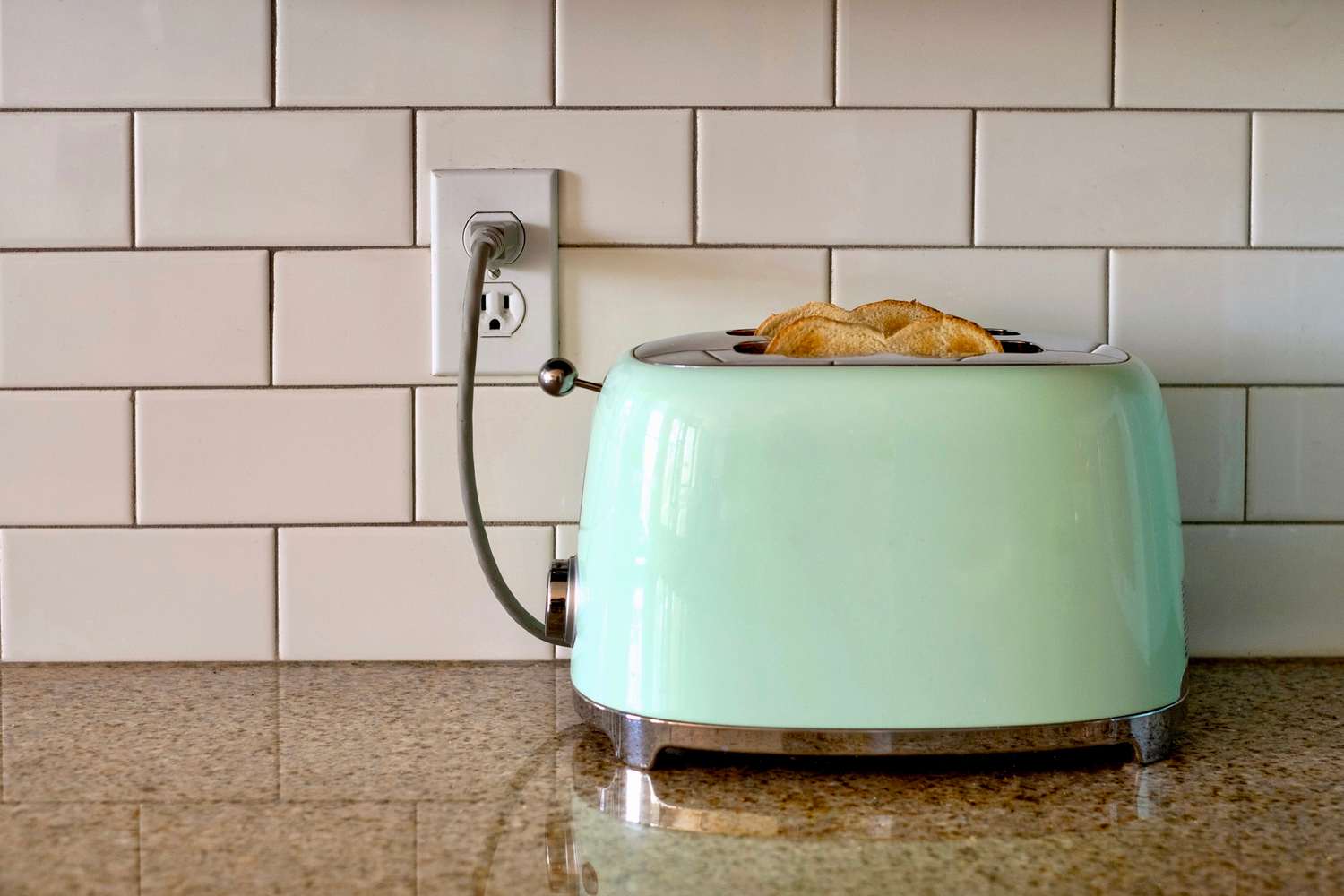
The average cost to install an electrical outlet is $133 to $296 each. This guide explains what factors impact the total cost of installing an outlet.
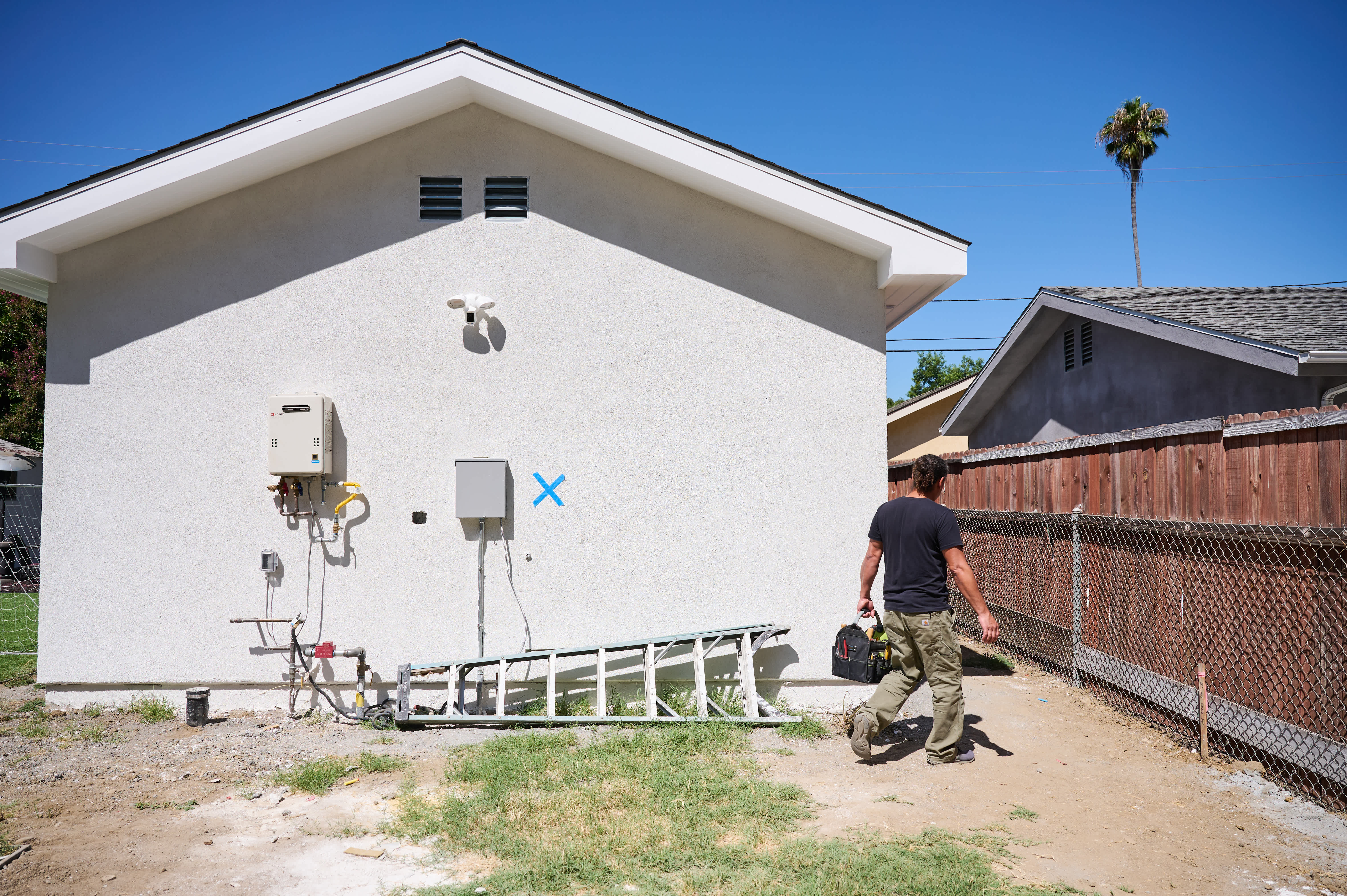
Before you hire a licensed electrical contractor, you should learn the cost to run electric from the road to your house so you can budget for the project.
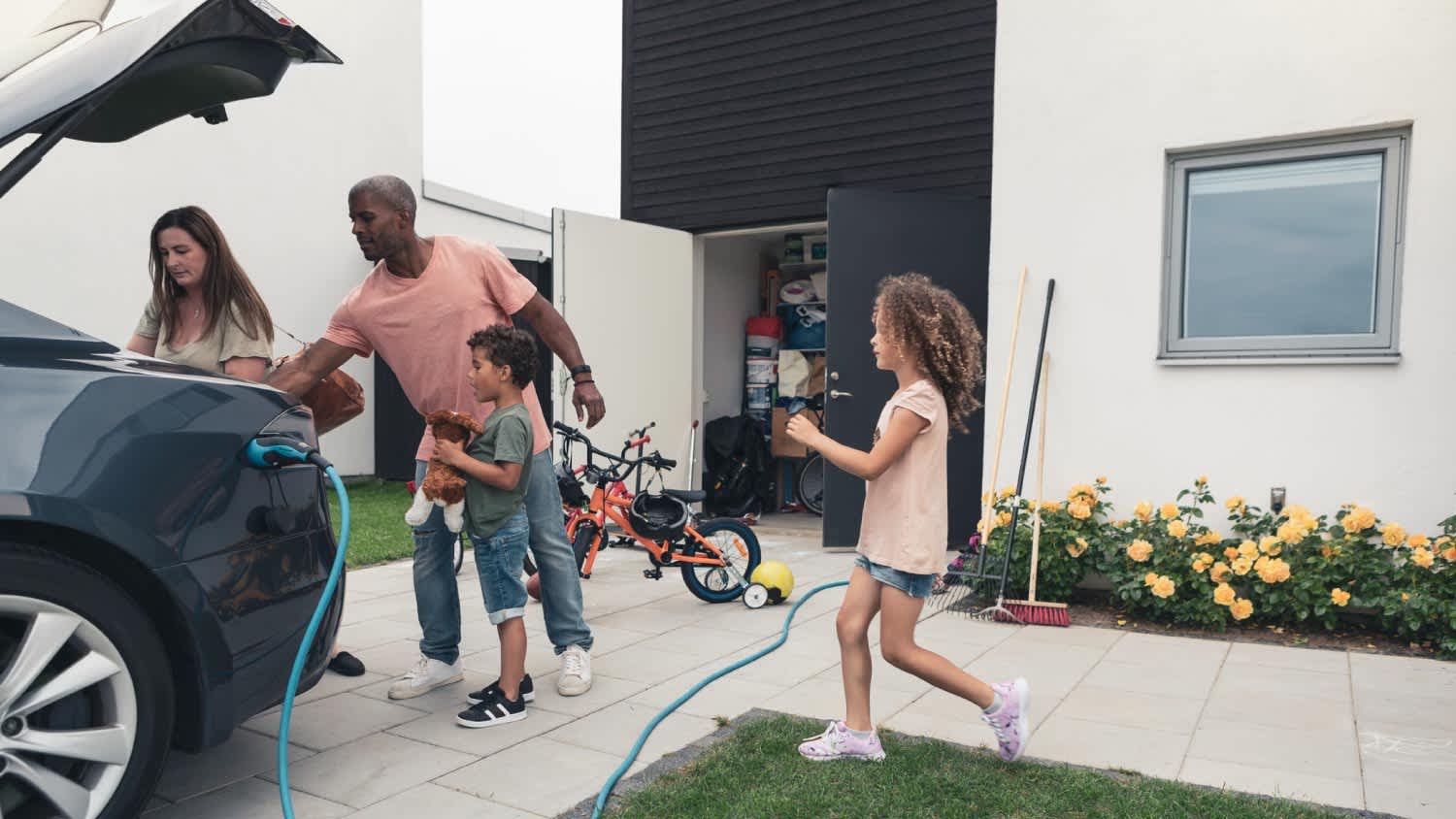
Thinking about an electrical vehicle charging station installation? Learn about charger levels, costs to expect, and how to hire the right local electrician.
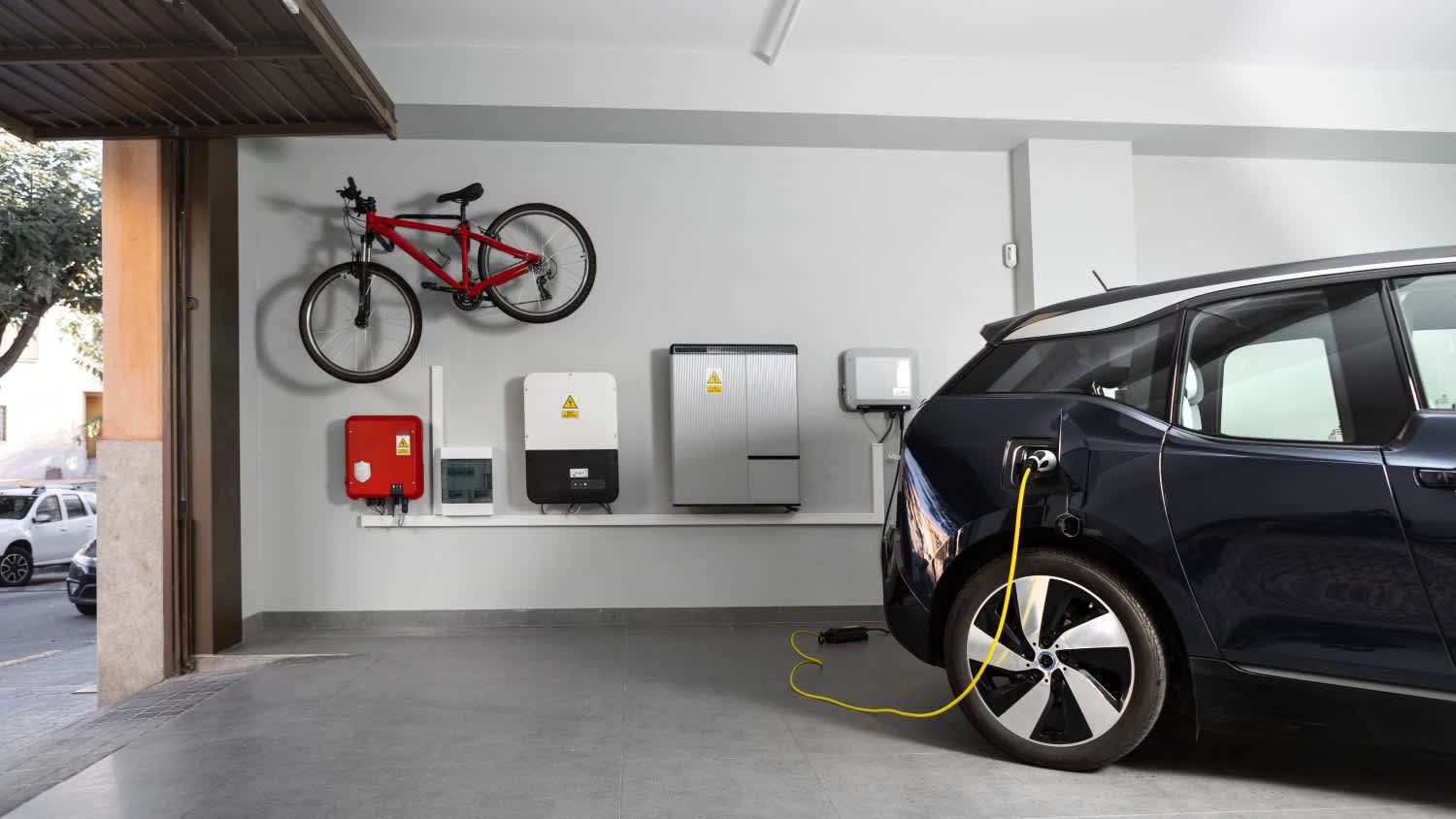
Finding a qualified electrician for EV charging station installation? Learn what credentials to verify, questions to ask, and how to hire the right pro.
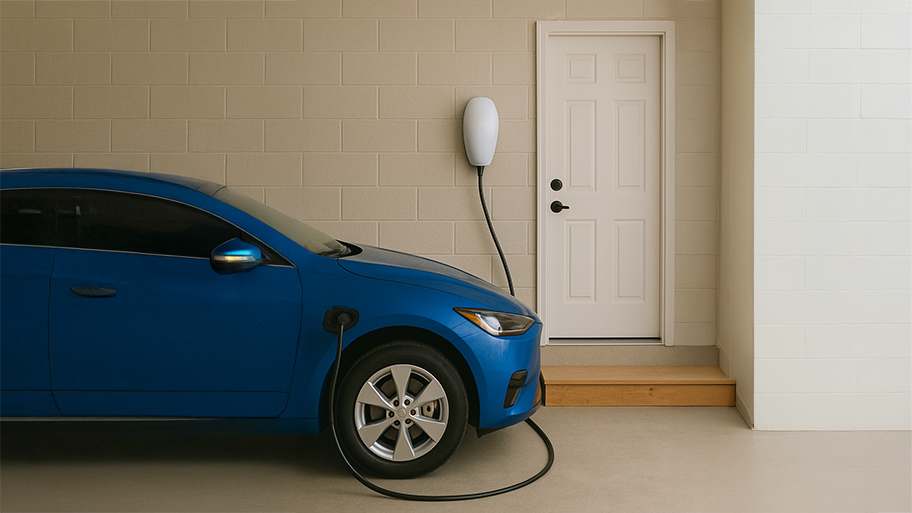
Explore the pros and cons of a Level 1 charging station versus a Level 2 charging station when deciding the best way to charge your electric car at home.