

•
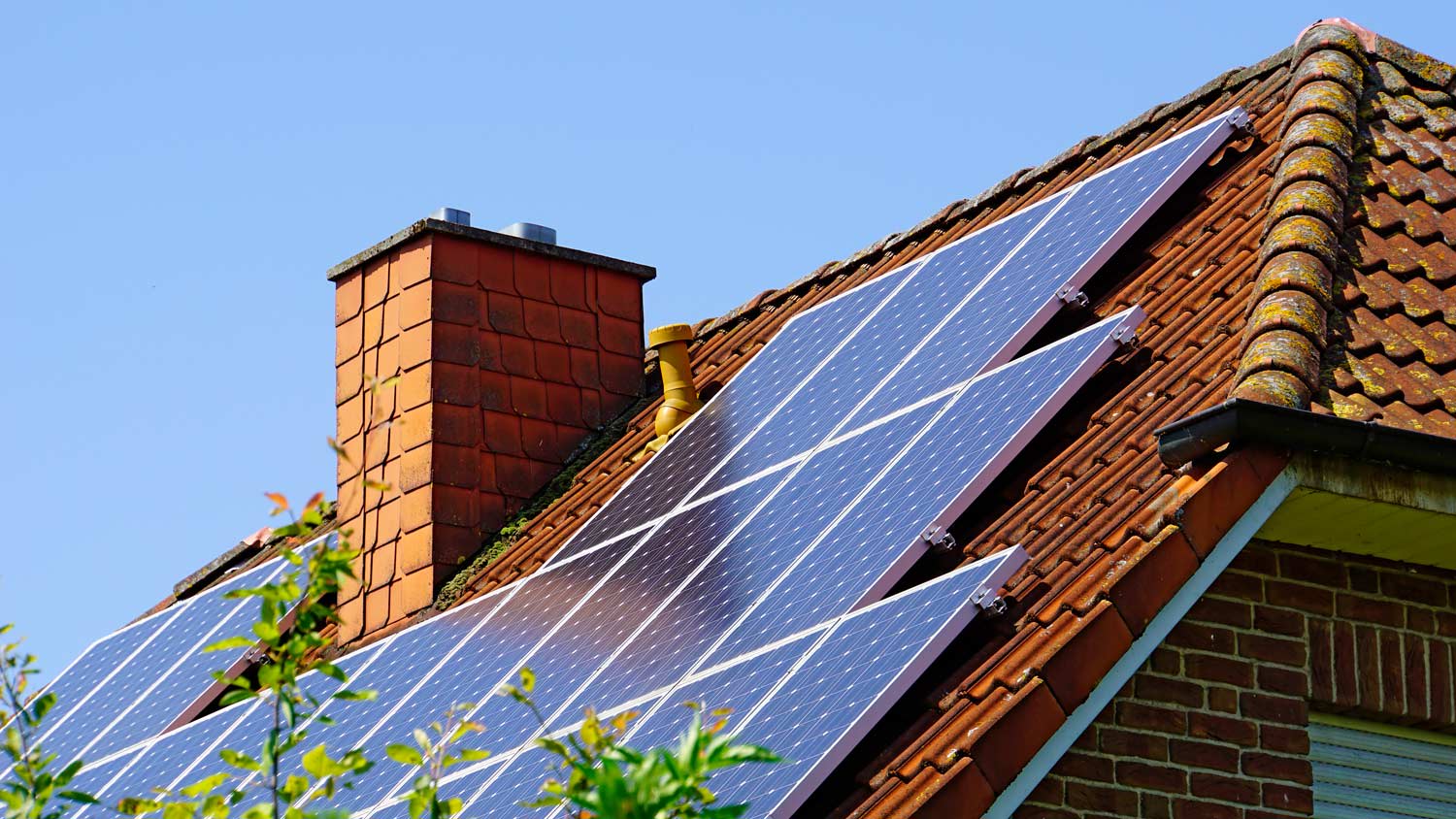
Discover the average solar panel installation cost, key price factors, and expert tips to help you budget for your solar project.
Electrical service costs depend on your project and location. Check with a local pro for your specific job.

Professional subpanel installation costs $400 to $1,750 on average, with the distance from your main panel driving your wiring requirements.
Your subpanel amperage and the number of breakers you need determine your material costs, with larger panels requiring more circuits.
Account for electrical permits, grounding rods, and new wiring in your budget, which runs $600 to $2,200 for most installations.
Hiring a local electrical professional prevents fire hazards, avoids code violations, and ensures your wiring passes inspection safely.
In 2026, the national average cost to install an electrical subpanel is $1,200. Most homeowners spend $400 to $1,750, with subpanel amperage, number of breakers, and distance from the main panel accounting for the range. An electrical subpanel distributes power from your main panel to a specific area of your home, and working with a licensed electrician keeps the job safe and up to code.
A subpanel acts as a branch of your primary electrical panel, directing power to a specific area of your home, and installation costs vary based on several key factors.
Subpanel costs rise with the amount of amps the panel is rated to handle, with a 50-amp panel starting around $400 and a 100-amp panel starting around $500. Most homes use a 60- to 125-amp subpanel, though 200-amp and 400-amp panels are sometimes installed for large homes, workshops, or properties with high electricity demand. The capacity of your main panel and local utility guidelines both limit how large a subpanel can be, so an electrician will confirm what your system can support.
The table below shows how average costs differ by amperage:
| Subpanel Amperage | Average Installation Cost Range in 2026 |
|---|---|
| 100 | $400–$1,000 |
| 125 | $500–$1,250 |
| 150 | $600–$1,750 |
Distance from the main panel is a direct cost driver for subpanel installation, since a farther location requires more wiring and additional planning. When the subpanel is placed too far from the main panel, electricians may need to upgrade to a higher-grade wiring type, adding further to the project cost.
AFCI (Arc Fault Circuit Interrupter) and GFCI (Ground Fault Circuit Interrupter) components protect your home by shutting down outlets or breakers when an electrical current problem is detected. Breakers with these protections built in are a common choice during subpanel installation, though they cost more than standard breakers without them.
A subpanel powering several appliances or devices can place significant amp demands on your electrical system. When those demands exceed what the current setup can support, electricians will recommend upgrading your main panel and your home's electrical service to handle the increased load.

A few add-on services are common during subpanel installations, depending on its location and role in your home.
A combination panel blends the features of a main panel and a subpanel, making it a strong fit for separate living spaces like a finished basement. These upgraded panels typically cost several hundred dollars more than a standard subpanel.
Adding a grounding rod to your subpanel installation costs $200 to $500 and protects the panel from lightning strikes. Your electrician will typically recommend one whenever the subpanel is installed in a separate structure, such as a detached garage.
Subpanels in the same building as the main panel generally do not require a dedicated main breaker, but a main shutoff breaker is often required as a safety measure when the subpanel is installed in a separate structure.
Electricians charge by the hour for subpanel work, and the cost to hire an electrician typically ranges from $50 to $130 per hour, covering both travel time and time on the job.
Moving a subpanel from one location to another costs an average of $1,000 to $3,000, with the final price depending on whether the panel is indoors or outdoors, how many circuits are involved, and how many floors the wiring must cross. Relocating a panel to an outdoor location specifically runs roughly $1,500 to $2,500, including the necessary equipment and wiring.
Electrical permits are required for subpanel installation, and skipping them can result in fines; permits typically cost $50 to $300. The specific permit types you need depend on your location and project details, so confirm with your electrician whether permitting costs are included in their estimate.
New wiring for a subpanel installation costs roughly $1,400 on average, though the full range runs from $600 to $2,200 depending on how much wiring your project requires.
Installing a subpanel costs between $400 and $1,750 on average. While the cost of wiring a subpanel yourself as a DIY project could, in theory, save money, incorrect installation could cost far more than hiring a pro, in terms of time, effort, and safety. Because the job involves wiring, special connections, meeting permit requirements, and serious potential dangers both during and after the project, your best option is to hire a local and licensed electrician for the task.
Because installing a subpanel requires extensive training and strict code compliance, hiring a licensed electrician is always best:
Licensed electricians have the tools, knowledge, and experience to stay safe during the work and keep you safe afterwards.
DIY installation errors can create hazards like overloads, fires, or code violations.
DIY failure to obtain proper permitting and inspections can result in fines, insurance denials, or problems when selling the home.
Professionals handle all necessary permits and inspections and must meet strict and mandatory compliance regulations.
They ensure component, voltage, and amperage compatibility between the new subpanel and your primary electrical panel.
Reputable electricians warrant their work and carry insurance to protect you and themselves.
One of the advantages of installing a subpanel is that it's budget-friendly compared to upgrading the main electrical panel and its wiring. Here are some of our best suggestions on how to save money on this project:
Hire during construction off-seasons: During busy construction seasons, electricians often charge higher prices, especially for a single residential project. Schedule your installation during the winter off-season to make scheduling easier and increase the likelihood of a lower rate.
Keep your wiring and main panel updated: Know the current state of your electrical panel, your home's amperage, and how your wiring supports your electronics. Investigate problems like frequent breaker tripping or other signs that your electrical panel isn't keeping up with your home's needs.
Position the subpanel close to the main panel: The farther away your subpanel is from the main panel, the more wiring electricians will need to run. We recommend locations like by the entrance of a furnished basement or the closest wall of a separate garage.
Keep amperage manageable: Choosing a higher amperage will raise costs without giving you any benefit in return, and may require more expensive wiring, too.
Get multiple quotes: When shopping around for an electrician, see if you can arrange for multiple quotes for a project to find the best value for your budget.
One of the most common reasons a homeowner may need a new subpanel is because they live in a home that is more than 15 to 20 years old, and the house simply has more energy needs now than it did when it was built. Homes built in the 80s and 90s weren't designed to keep up with the electrical demands of modern technology (think computers, smart devices, electric vehicles, and other technological conveniences).
Some other reasons you may need a new subpanel include the following:
Your main panel is full, and you need more space to add circuits.
You need a subpanel in another location for the sake of convenience.
You're expanding your home or doing some remodeling that requires additional electronic needs.
In many cases, a new subpanel is warranted if your old one is not functioning properly. Some warning signs that you may need a new subpanel include frequent breaker trips, heat, buzzing or humming noises coming from the panel, and visible damage.
Be ready to discuss the purpose of the subpanel, such as whether it's for a garage, addition, or detached structure.
Discuss with your contractor the amperage and quantity of new circuits you need.
Be able to explain the distance between your main electrical panel and where you wish to put your new subpanel.
Talk with your professional about any other related costs you could encounter, including the addition of outlets and wiring, and whether wall repairs will be necessary after the installation.
Home is the most important place on earth, which is why Angi has helped more than 150 million homeowners transform their houses into homes they adore. To help homeowners with their next project, Angi provides readers with the most accurate cost data and upholds strict editorial standards. We extensively research project costs to develop the pricing data you see, so you can make the best decisions for you and your home. We rely on reputable sources, including the U.S. Bureau of Labor Statistics, academic journals, market studies, and interviews with industry experts—all to ensure our prices reflect real-world projects.
Want to help us improve our cost data? Send us a recent project quote to [email protected]. Quotes and personal information will not be shared publicly.
I recently had Mosby Electric perform an electrical installation on 8-14-2026, and I couldn’t be more satisfied with the service. From the moment I called, their team demonstrated fast arrival and professionalism. The electricians were highly knowledgeable, completing the installation...
 Mosby Electric
Great company! Price was competitive, technician showed up on time and completed the job (exterior electric Radon fan replacement) quickly. Would hire them again.
 MaGen Property Inspections and Radon Mitigation
I conferred with 2 other contractors before Armstrong Electric. Nick and his crew showed me that the project was not as convoluted as the other contractors made it appear to be. They completed the entire project on time. They were professional, friendly and cleaned up after at completion. I...
 ARMSTRONG ELECTRIC, LLC
The techs on my project, Shawn and Cliff, were great. They were prompt, courteous, and efficient. I am very happy with the results and would definitely contact Mr. Electric for any future electrical projects.
 Mr. Electric of Columbus
Victor was wonderful. He was on time, professional, and explained everything he was doing. He was thorough and figured out that the problem was electrical instead of with my HVAC system. Very knowledgeable. I will be using this company in the future for any HVAC needs. Thanks!
 Hubbs Heating & Air LLC
They were excellent. They did a great job. I was totally satisfied. They put tremendous effort in making sure the work was completed. They were great. They provided immediate response to any inquires I made. I would hire them again. I would recommend them to anyone who needs electrical work....
 JCB & Associates, LLC DBA Property-Tech Industries
Initially, the repairman could not find the problem. Apparently, there was some electrical shortage, but he could not find the definite problem. He left, but called back later to say he had a new idea. He returned and replaced the light switches on the doors. The refrigerator seemed to return...
 Appliance Pro LLC
The initial quoted price from a walk-through seemed high, but we discussed that the quote represented worst case scenario (re-wiring to two floors) and we were excited about the opportunity to have the work done in a timely manner with closing for fire safety reasons, etc. When the job was...
I have to tell you I am all about customer service - I will go out of my way and even pay more for it if you give me great customer service. <br> <br>In a world where this is hard to find, these guys were awesome! I can not sing their praises enough. They were prompt, personable, funny, got...
 Waibel Electric
When I challenged the markup on the generator, Bruder Electric withdrew its bid. They only want naïve customers.
From average costs to expert advice, get all the answers you need to get your job done.
Discover the average solar panel installation cost, key price factors, and expert tips to help you budget for your solar project.
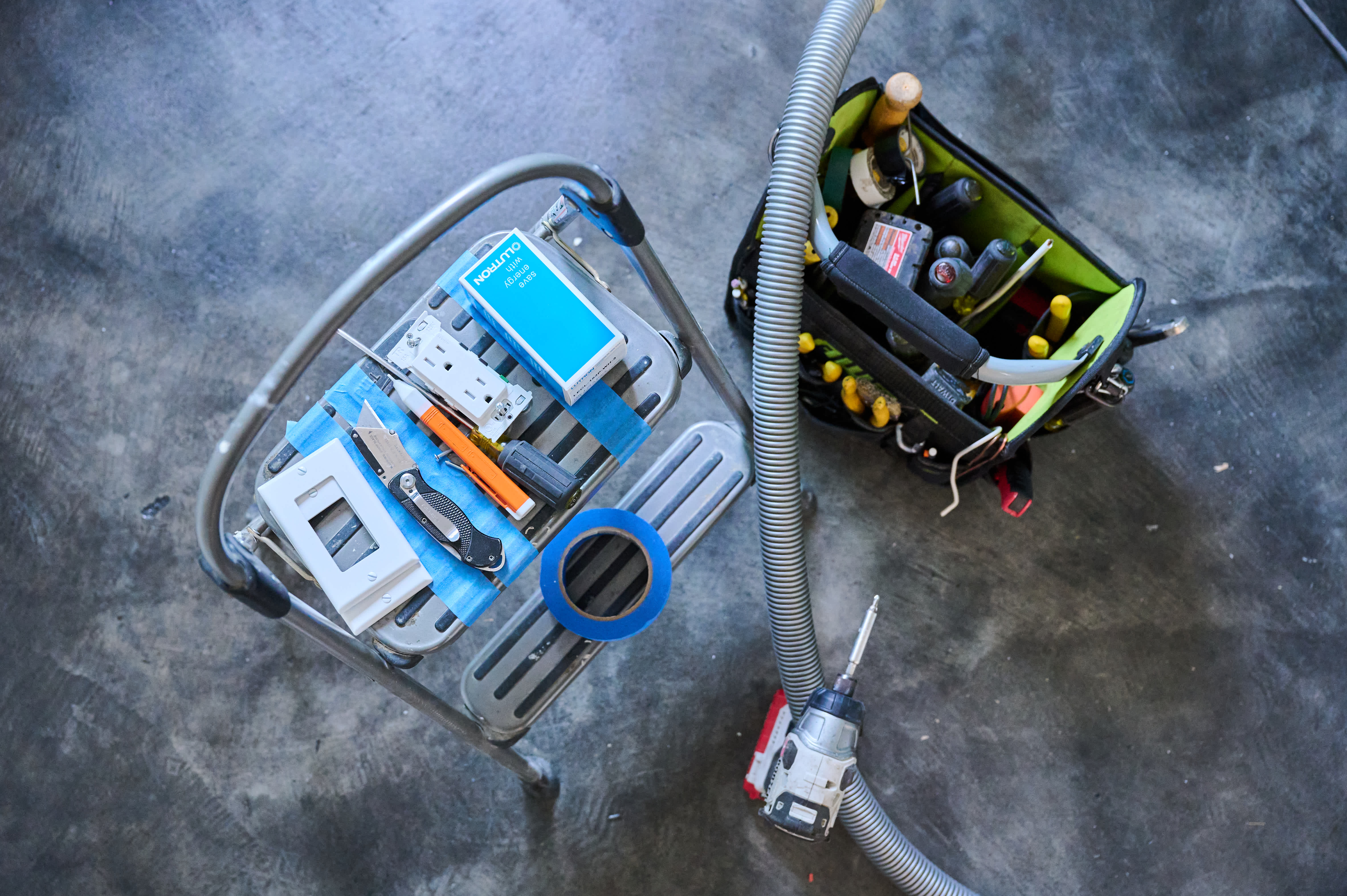
Looking to size up your electrical system to cover higher usage and improve efficiency? Use this guide to see the cost to upgrade an electrical panel.
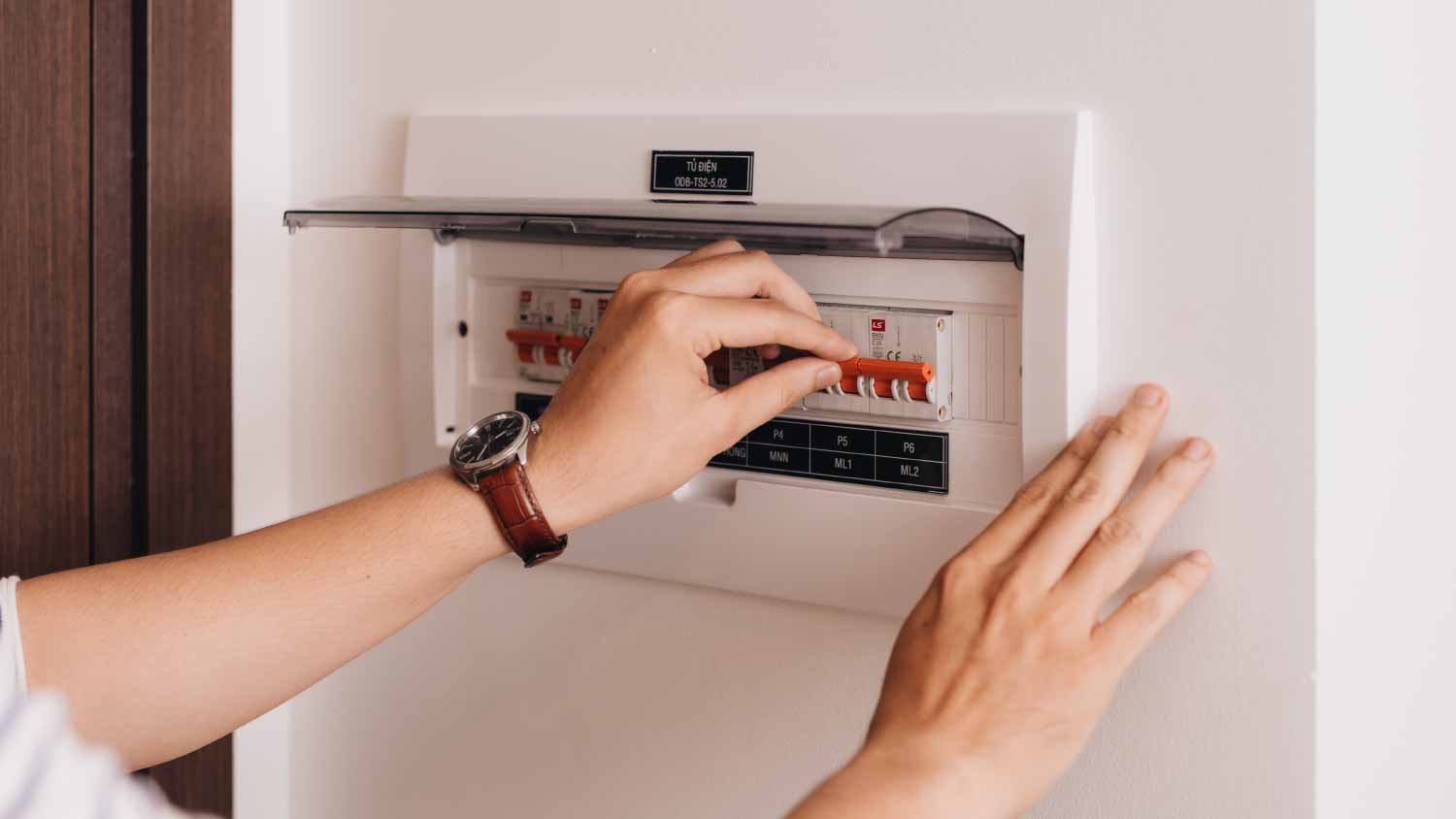
Your budget for moving an electrical panel depends on the type, labor, and more. Find out the average cost to move an electrical panel.

Thinking about a hot tub and spa installation? Learn about site preparation, costs to expect, and how to hire the right local pro for your backyard retreat.
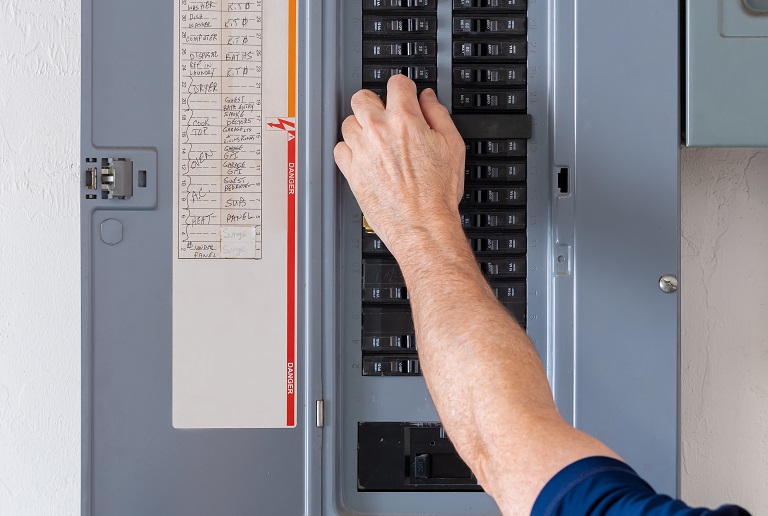
When you need to choose between a 100-amp versus 200-amp electrical panel, check out our easy-to-understand explanation of your home’s power options.
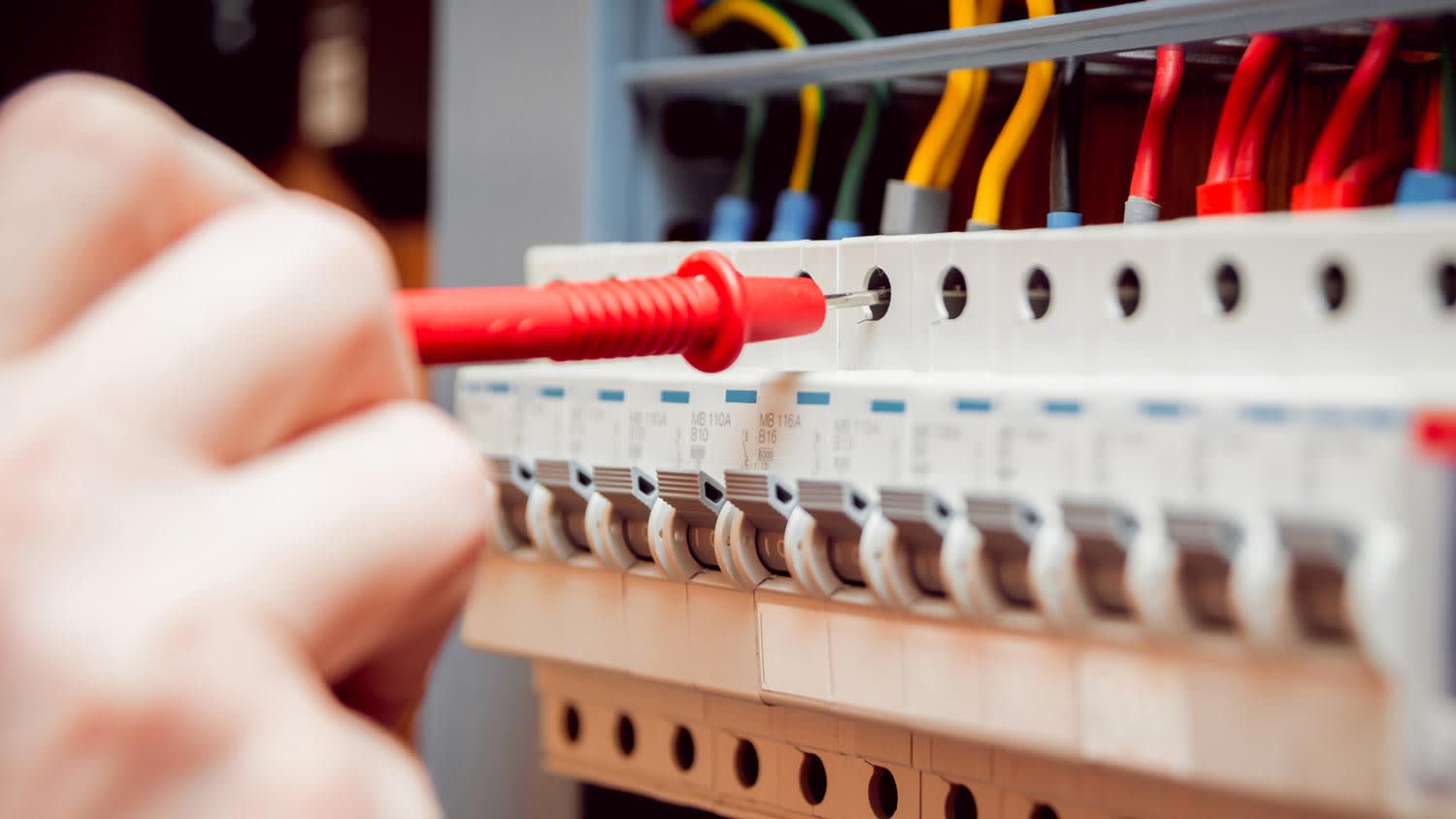
When installing a new 200-amp service panel, the right wire size is critical to ensuring sufficient amperage.