
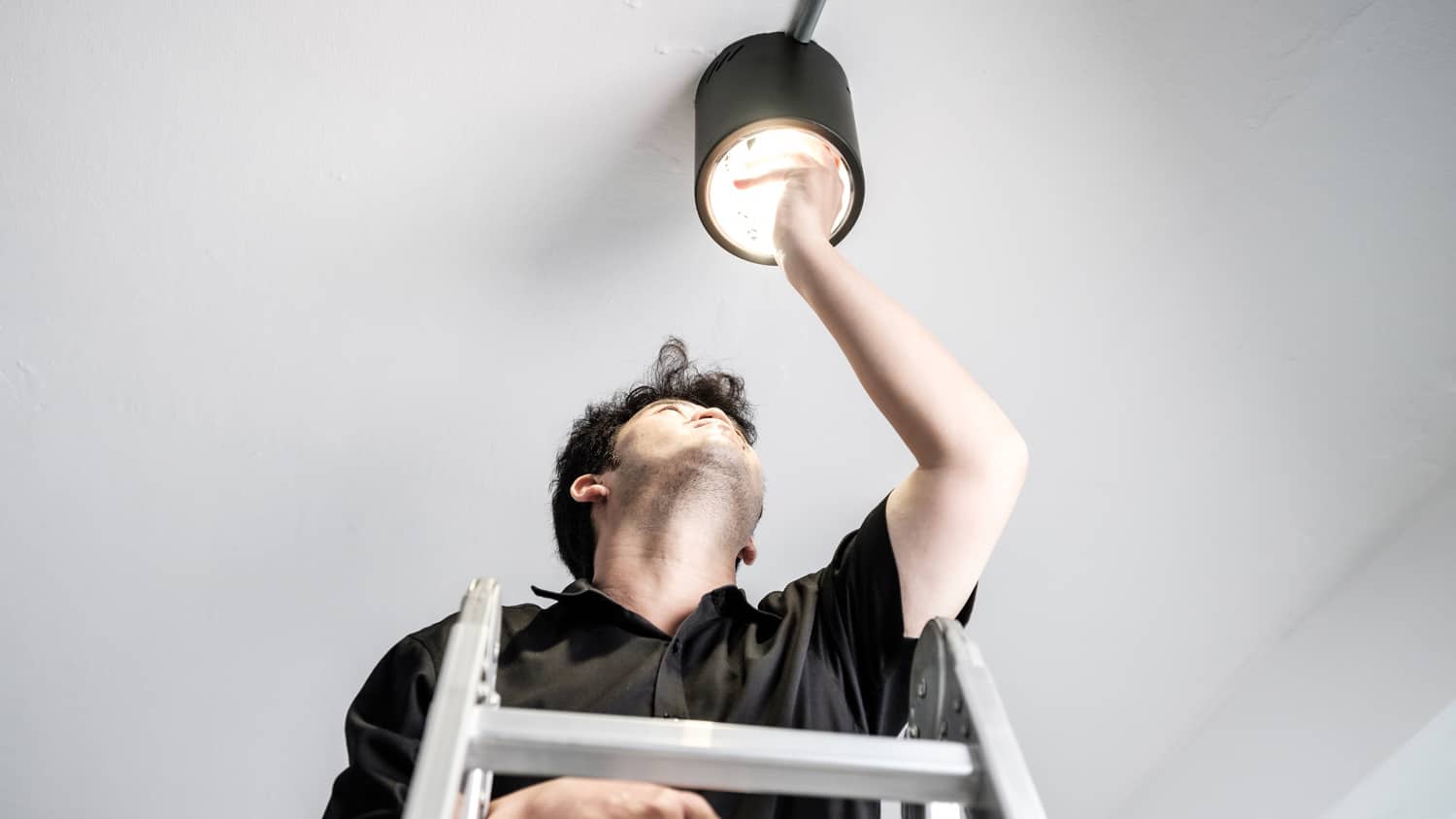
Whether you own or rent your home, you have to watch for potential electrical dangers. To help, check out our guide to eight electrical dangers to know.
Between aging wiring and a constant influx of new appliances, it's important to keep a close eye on the electrical health of your home

Your home electrical safety depends on routine checks of plugs, outlets, cords, and appliances to catch damage before it becomes a fire hazard.
Buzzing sounds, warm switches, odd smells, or flickering lights signal electrical problems in your home that need immediate attention to prevent fires.
You protect your home by avoiding overloaded outlets, unplugging unused appliances, and keeping high-power items like space heaters plugged directly into wall outlets.
Hiring a local electrical professional provides expert help with wiring inspections, outlet repairs, and panel upgrades to keep your home safe from electrical hazards.
From blow-drying our hair before work to celebrating our new air fryer, electricity keeps our lives moving along. But here's the tricky part: Electrical fires are the second-leading cause of home fires in the U.S., especially due to aging wiring systems and a growing dependency on electronics.
Whether you've just moved into a new space or are looking to give your current home a much-needed self-inspection, here are the top tips to keep your home safe from common electrical dangers.
Electrical Safety Foundation International suggests scheduling routine check-ups on your home's power setup. We're talking about all the things under your control, such as plugs, appliances, bulbs, and surge protectors.
Move from room to room to confirm:
All plugs and switches work properly
Plugs fit snugly into your outlets
Light bulbs match the wattage of your lamps
Fuses are properly turned to the on position
Major appliances, space heaters, and AC units connect to the wall outlet (not surge protectors or extension cords)
Wires do not run under rugs or up against furniture
Wires are not pinched by staples, nails, windows, or doors
Cords are damage-free and property intact
All products feature the seal of the Underwriters Laboratory (UL)
Appliances and wiring do not come in contact with water
“You might love them, but certain items in your home can become electrical hazards,” says Jeffrey Broussard, electrician at Boston Standard Company in Boston, MA. “The electrical code changes to make things safer, but your old things, like that vintage lamp or grandma’s old waffle iron, remain the same. Toss them to be safe.”
As for electrical issues outside of your control—the next stop on our list—it's crucial to work with a licensed electrician instead of attempting repairs or further inspection yourself.
You could follow all the proper safety rules when plugging in and caring for your home's wiring and still end up with an issue hidden out of sight. For example, older wiring—such as knob-and-tube wiring in older homes—can lead to problems over time due to frayed cords or incorrect alterations.
Keep your eyes, ears, and nose out for these red flags of electrical problems in your home:
Buzzing sounds from appliances, walls, lamps, or wiring
Warm light switches, electrical outlets, or areas around ceiling lamps
Odd smells around electrical units
Frequently tripped breakers
Sparking outlets
Flickering lights or bulbs that burn out quickly
Signs of pest teeth marks in wires or animal droppings nearby

In addition to keeping an eye out for electrical issues, how do you prevent them from happening in the first place? Start by understanding how much an electrical outlet can handle and how to avoid overloading your system. Most outlets can handle between 15 and 20 amps of power, so it's important to keep an eye on the power level of each item.
We know how tempting it is to fit just one more plug into that surge protector or to hook up a Griswold Family level of holiday lights to one outlet. But overloaded systems are one of the top culprits of electrical fires.
For example, avoid plugging any of the following into a surge protector or extension cord:
Air conditioners
Space heaters
Refrigerators
Microwaves
Toasters
Hairdryers
Curling irons
Sump pumps
Slow cookers
Air fryers
Pressure cookers
You should also never plug one extension cord into another or extend a power strip with another power strip.
A quick note on extension cords: If you find yourself relying on them throughout your home, you may not have enough sockets and electrical capacity. Contact your electrician to speak about proper wiring.
On our many home renovation adventures, electrical repairs or alterations can stop us in our tracks, and for good reason. The moment wiring comes into the picture, we recommend contacting a professional to oversee and complete the project.
If you need to complete a simple DIY appliance project, like cleaning your oven or replacing a garbage disposal, always switch off the breaker to that area of your home before working. Unplug all appliances and lamps before making any simple alterations as well—even changing a bulb.
Anything past this requires the help of a pro to avoid shock hazards, fires, or electrical wiring issues that affect the rest of your home.
If you do not need an appliance at all times—such as a slow cooker, hair straightener, or blender—unplug it when not in use. Be sure to store the cord and item in a safe place away from children and pets.
If you're headed away on vacation, also consider unplugging energy-sapping electronics like modems, computers, and chargers.
Arc faults cause a whopping 30,000 home fires throughout the U.S. each year, according to the ESFI. Since the issue stems from damaged wires, outlets, and appliances, you're more likely to encounter arc faults in older or poorly wired homes.
Arc fault protection interrupters can detect the moment this damaging fault occurs, cutting off power before problems worsen. A handful of states currently require AFCIs in new home constructions, but you can hire electricians for installation across the country.
Tamper Resistant Receptacles, or TRRs, are the long-term answer to covering outlets from small curious hands. If you have little ones in the house, TRRs add a spring-loaded cover to outlets to keep someone from inserting unwanted objects into the wall. The outlet must receive simultaneous pressure on both sides to release—such as a plug itself.
Electrical safety goes far beyond avoiding a tripped breaker or a power surge to your laptop. By paying close attention to the wiring of your home, earn peace of mind that you're doing all you can to prevent this common offender of home fires.
I recently had Mosby Electric perform an electrical installation on 8-14-2026, and I couldn’t be more satisfied with the service. From the moment I called, their team demonstrated fast arrival and professionalism. The electricians were highly knowledgeable, completing the installation...
 Mosby Electric
Great company! Price was competitive, technician showed up on time and completed the job (exterior electric Radon fan replacement) quickly. Would hire them again.
 MaGen Property Inspections and Radon Mitigation
I conferred with 2 other contractors before Armstrong Electric. Nick and his crew showed me that the project was not as convoluted as the other contractors made it appear to be. They completed the entire project on time. They were professional, friendly and cleaned up after at completion. I...
 ARMSTRONG ELECTRIC, LLC
The techs on my project, Shawn and Cliff, were great. They were prompt, courteous, and efficient. I am very happy with the results and would definitely contact Mr. Electric for any future electrical projects.
 Mr. Electric of Columbus
Victor was wonderful. He was on time, professional, and explained everything he was doing. He was thorough and figured out that the problem was electrical instead of with my HVAC system. Very knowledgeable. I will be using this company in the future for any HVAC needs. Thanks!
 Hubbs Heating & Air LLC
They were excellent. They did a great job. I was totally satisfied. They put tremendous effort in making sure the work was completed. They were great. They provided immediate response to any inquires I made. I would hire them again. I would recommend them to anyone who needs electrical work....
 JCB & Associates, LLC DBA Property-Tech Industries
Initially, the repairman could not find the problem. Apparently, there was some electrical shortage, but he could not find the definite problem. He left, but called back later to say he had a new idea. He returned and replaced the light switches on the doors. The refrigerator seemed to return...
 Appliance Pro LLC
The initial quoted price from a walk-through seemed high, but we discussed that the quote represented worst case scenario (re-wiring to two floors) and we were excited about the opportunity to have the work done in a timely manner with closing for fire safety reasons, etc. When the job was...
I have to tell you I am all about customer service - I will go out of my way and even pay more for it if you give me great customer service. <br> <br>In a world where this is hard to find, these guys were awesome! I can not sing their praises enough. They were prompt, personable, funny, got...
 Waibel Electric
When I challenged the markup on the generator, Bruder Electric withdrew its bid. They only want naïve customers.
From average costs to expert advice, get all the answers you need to get your job done.
Whether you own or rent your home, you have to watch for potential electrical dangers. To help, check out our guide to eight electrical dangers to know.

Your home is your safe zone, but is it truly safe? Staying proactive is key to avoiding an emergency. Learn general home safety tips to keep your house secure.

Stay warm and safe with these 9 essential space heater safety tips to prevent fires, protect kids or pets, and keep your home cozy all winter long.

With recent upgrades to technology and appliances, many homeowners are seeking answers on how to get more electric power for their devices safely. Here are six smart (and hands-off) ways to upgrade your home electrical system.

Cooking, smoking, electrical issues, malfunctioning alarms, and other hazards can lead to deadly house fires. Follow these tips to prevent fires from happening.

Home electrical inspections add a layer of security to the home buying process and show you the overall health and safety of the property’s electrical system. For peace of mind, before you buy, read about what electrical inspections can do for you.