

The cost of a whole-house surge protector depends on the materials, size, installation, and more. This guide will help you budget for a new surge protector.
Learn about electrical power surges so you don’t get left in the dark

A power surge is a sudden spike in voltage above the normal 169-volt maximum, and it can fry your electronics or shorten their lifespan over time.
Most power surges in your home come from inside sources like turning large appliances on and off, not from lightning strikes or external electrical grid issues.
You can protect your devices by unplugging electronics during storms, using surge protectors with a Joules rating, and watching for warning signs like flickering lights.
Hiring a local electrical professional provides peace of mind when you notice ongoing issues like tripping breakers or flickering lights, helping identify faulty wiring before it causes fires.
Most of us feel pretty safe inside the house when a lightning storm is raging outside, but we're surrounded by a bunch of things that are in danger—our electronics. One lightning strike in the right place and—bam—a power surge hits, but when the power comes back on, some of our electronics may not. Of course, lightning isn't the only cause of power surges. Read on to learn about what power surges are, what causes them, and how to protect your electronics.
Power surges are higher-than-normal surges of electricity. Home electronics are fragile and can only handle so much electrical current. If a surge of electricity overwhelms an electronic device's voltage limits, it can be "fried." And it may not happen all at once—mall power surges over time can gradually degrade electronics.
More technically speaking, a surge is a transient wave of current or "overvoltage" that lasts a short period of time. These transient waves can sometimes contain tens of thousands of volts and last just microseconds.
While power surges are primarily a danger to sensitive electronics, they can be dangerous to people. A strong surge can cause an appliance to overheat or even catch fire.
The more severe the surge, the more likely it is to cause overheating and a fire. Switching appliances on and off doesn't cause as severe of a spike as, say, a lightning strike, but all surges carry a small risk of fire. While the risk is low, a surge protector can help protect you from potential disasters.
Household electrical systems tend to run an alternating current rated at 120 volts and 60 hertz, but maxes out at 169 volts (with a minimum of 0).
A power surge causes the voltage to exceed 169 volts, which is harmful because it causes the electrical current to go above the normal operating voltage. This, in turn, creates an arc of electrical current that damages circuit boards and the various components that help run your appliances and devices. Smaller electrical surges cause damage more slowly and may shorten the lifespan of the device or appliance. This is why many homeowners deem surge protectors a good investment.

While most people think of lightning strikes when they think of power surges, an estimated 60 to 80% of power surges come from inside the house. Yes, turning large appliances on and off or even flicking the thermostat switch are the most common power surge causes.
Power outages happen when there’s a large-scale power grid failure. The outage itself might not cause a power surge, but the reconnection to power can. A sudden jump in the current often occurs when power is restored after an outage. The surge can cause damage to appliances and devices plugged in that don’t have a surge protector.
An overload can occur when too much power draws from a single circuit, like when you use too many devices at once or when there's an overuse of extension cords. The massive current causes a voltage spike, and the circuit becomes overwhelmed. Space heaters, hairdryers, power tools, and large appliances are common culprits for triggering an electrical overload.
Damaged, faulty, or exposed wiring in your home can also cause power surges. These wiring issues are often hidden in your walls and difficult to identify on your own. Signs of faulty wiring include outlets with burn marks, a burning smell, a buzzing sound, or a circuit breaker that trips frequently. If you notice any of these signs, unplug your electronic devices and appliances and contact a local electrician.
If lightning strikes your power line or electrical system, it can cause an excessive current, leading to a power surge. Power surges from lightning are rare but are significant when they occur. If you expect a severe storm in your area, unplug any devices that don’t have surge protectors.
Other causes of power surges include:
Appliances (such as refrigerators, dishwashers, air conditioners, microwaves, and washing machines)
Downed power lines
Bad equipment from the utility company
Tripped circuit breakers
Short circuits
Power company malfunctions

An electric power surge is a sudden and short increase in voltage, while a power outage is a full loss of power. A power surge may cause electronics to switch on and off temporarily. A power outage may cause them to turn off, but for an extended period. Depending on the cause of the outage, it can be restored within hours or days, but it may take longer due a storm, fire, or other severe damage.
A power surge may have occurred if you notice the following signs:
Flashing lights on digital clocks
Appliances and devices turning off or not working
Pungent smell surrounding a device or appliance
Surge protectors and power strips need to be reset
Power quickly going on and off in your home
A sudden return to power after a long power outage
If you’ve experienced a power surge, take these steps to ensure your home and devices are safe and ready for use.
Unplug any devices that were plugged in during the surge. Then reset the circuit breaker and plug your devices back in.
Ensure your appliances, electronics, and electrical outlets have not been damaged. Take note of any outlets that aren’t working, have burn marks, or have pungent odors. If you notice any damage to your appliances, reset the device and circuit breaker to see if that’s the issue. Contact an electrician if you notice burnt or odorous outlets.
Make sure your HVAC systems are working properly. If you notice any issues, reach out to a local HVAC technician.
If you notice ongoing issues after a power surge, such as breakers that continue to trip or lights that keep flickering or going out, contact a licensed electrician in your area. You may have damaged wiring, increasing the risk of fire and personal injury.
A surge protector isn’t a fool-proof way to prevent the damage and possible expenses of a power surge. A particularly strong surge could still overwhelm a surge protector, or only some of your devices may be connected to the protector. One bad power surge could leave you out thousands of dollars.
A professional electrician can inspect your home to ensure no flaws could lead to a surge. They might recommend updating your home's electrical system or installing a whole-home surge protector. You'll need a professional for most electrical upgrades.
A surge protector doesn't block the surge; it simply redirects a sudden increase in voltage into the ground.
Most surge protectors come in the form of a power strip that you can plug multiple devices into, protecting all of them at once. When the power spikes past a designated level of voltage, the surge protector diverts the extra current into grounding wires, giving the electricity a pathway away from the devices.
While power strips and surge protectors look similar, only the surge protector will keep electronics from getting fried by excess electricity. A standard power strip is simply a device that allows you to have extra outlets. These strips are basically just extension cords without the additional protection.
Check the packaging to ensure it’s a surge protector before buying it—there should be a Joules rating on it. If it says 2,000 Joules, that means it can take 2,000 Joules worth of power surges before it’s no longer effective.
I recently had Mosby Electric perform an electrical installation on 8-14-2026, and I couldn’t be more satisfied with the service. From the moment I called, their team demonstrated fast arrival and professionalism. The electricians were highly knowledgeable, completing the installation...
 Mosby Electric
Great company! Price was competitive, technician showed up on time and completed the job (exterior electric Radon fan replacement) quickly. Would hire them again.
 MaGen Property Inspections and Radon Mitigation
I conferred with 2 other contractors before Armstrong Electric. Nick and his crew showed me that the project was not as convoluted as the other contractors made it appear to be. They completed the entire project on time. They were professional, friendly and cleaned up after at completion. I...
 ARMSTRONG ELECTRIC, LLC
The techs on my project, Shawn and Cliff, were great. They were prompt, courteous, and efficient. I am very happy with the results and would definitely contact Mr. Electric for any future electrical projects.
 Mr. Electric of Columbus
Victor was wonderful. He was on time, professional, and explained everything he was doing. He was thorough and figured out that the problem was electrical instead of with my HVAC system. Very knowledgeable. I will be using this company in the future for any HVAC needs. Thanks!
 Hubbs Heating & Air LLC
They were excellent. They did a great job. I was totally satisfied. They put tremendous effort in making sure the work was completed. They were great. They provided immediate response to any inquires I made. I would hire them again. I would recommend them to anyone who needs electrical work....
 JCB & Associates, LLC DBA Property-Tech Industries
Initially, the repairman could not find the problem. Apparently, there was some electrical shortage, but he could not find the definite problem. He left, but called back later to say he had a new idea. He returned and replaced the light switches on the doors. The refrigerator seemed to return...
 Appliance Pro LLC
The initial quoted price from a walk-through seemed high, but we discussed that the quote represented worst case scenario (re-wiring to two floors) and we were excited about the opportunity to have the work done in a timely manner with closing for fire safety reasons, etc. When the job was...
I have to tell you I am all about customer service - I will go out of my way and even pay more for it if you give me great customer service. <br> <br>In a world where this is hard to find, these guys were awesome! I can not sing their praises enough. They were prompt, personable, funny, got...
 Waibel Electric
When I challenged the markup on the generator, Bruder Electric withdrew its bid. They only want naïve customers.
From average costs to expert advice, get all the answers you need to get your job done.
The cost of a whole-house surge protector depends on the materials, size, installation, and more. This guide will help you budget for a new surge protector.
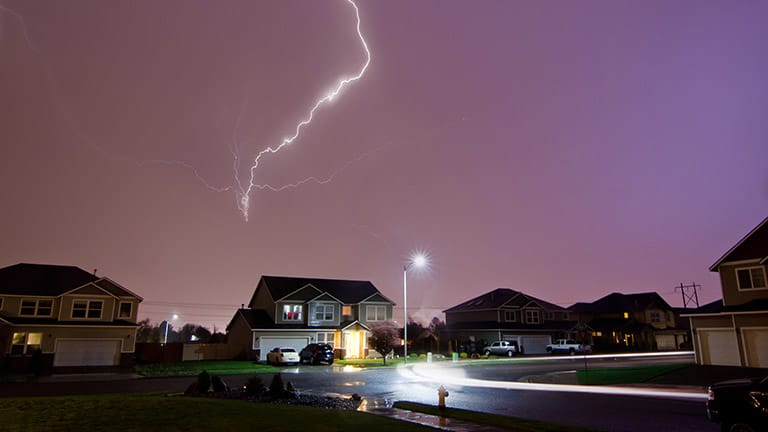
If you live in a storm-prone area, you might have wondered how much a lightning protection system costs. Explore a comprehensive breakdown here.
Circuit breakers and surge protectors protect your home electronics and wiring, but they work in different ways. Here’s what you should know about these vital components.

You may be wondering if surge protection is worth it for your home. Let's compare the costs of damages from surges vs. the costs of preventative measures.
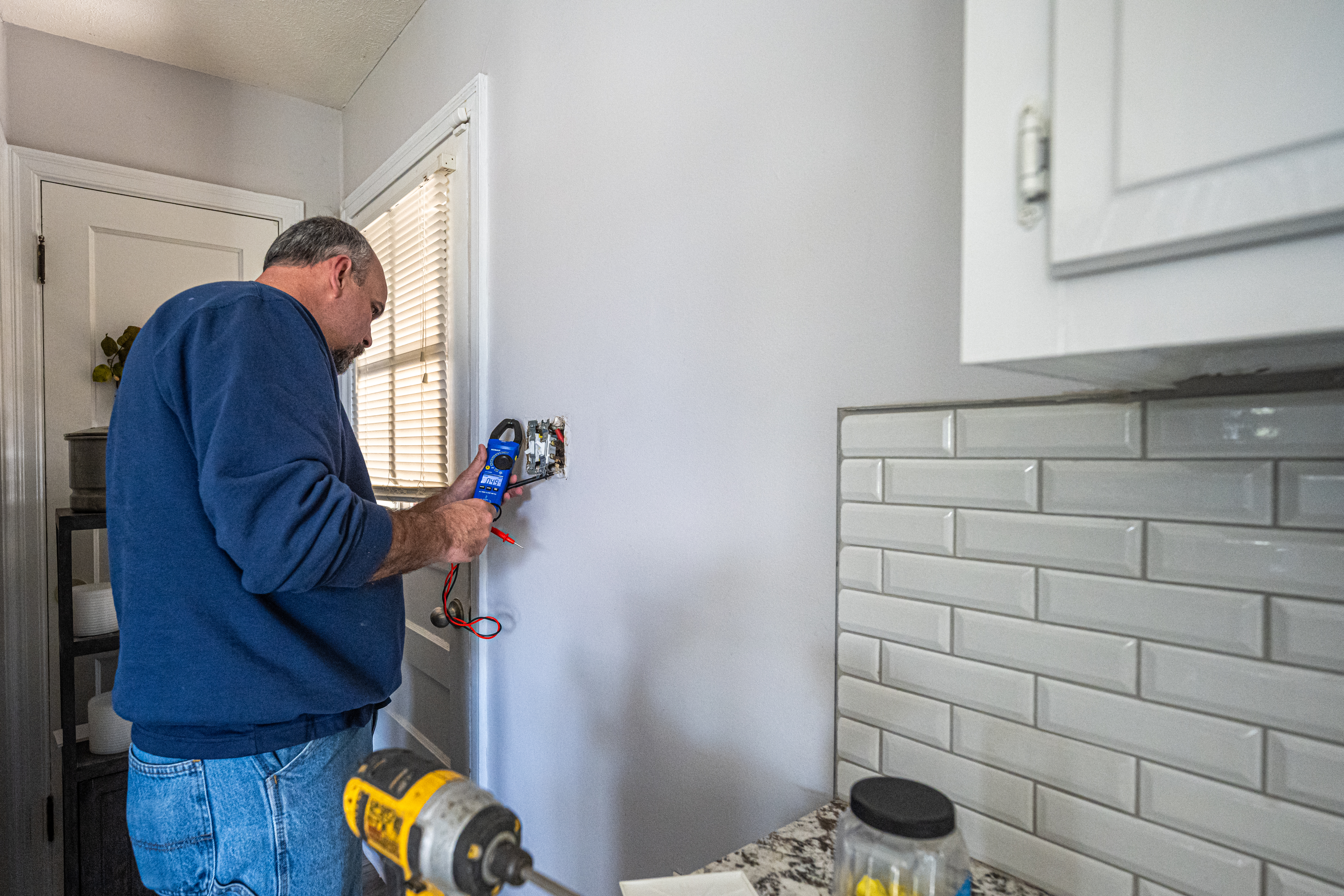
High electric bills or switches that don’t work properly are some of the most common electrical problems in a home. Learn about other electric issues you may have in your home, what causes them, and how to solve them before they become dangerous.

What does a ground wire do? During a power surge, the ground wire lets excess energy safely exit your home and go into the ground, keeping you safe.