
How much is the average electric bill in the United States? Learn how much the average electric bill costs in your state and ways to reduce it.
Paying attention to your energy usage really pays

Electric usage monitoring devices measure power consumption in your home, giving you real-time data to identify which appliances and circuits use the most electricity.
Whole-house monitors cost $100 to $360 plus $100 to $300 for professional installation, while outlet monitors cost $15 to $55 with no installation fees.
Your monitor shows energy consumption patterns that help you adjust habits and cut costs, with consistent users saving 5% to 15% on annual electric bills.
Hiring a local electrical professional keeps whole-house monitor installation safe and code-compliant, handling panel work and ensuring proper sensor connections for accurate readings.
There are numerous ways to reduce your energy bills. The trick is knowing which methods are the most effective while causing the least amount of inconvenience. Wondering whether turning off the lights or unplugging your cell phone charger saves more money? You don't have to just wonder after installing an electric usage monitor; you’ll know. Learn about electric usage monitoring and how to use it to lower your monthly energy costs.
Electric usage monitoring is when you use a special device to detect and record electrical voltage passing through your home's electrical service box or a single outlet location. You can then use the resulting data to adjust your home's energy consumption, discover which devices use the most energy, and even monitor how much electricity your solar panels generate.
Electric usage monitoring doesn't reduce your power bills by itself, but it gives you the knowledge to lower them. After all, knowledge is power (quite literally, in this instance).

An electric usage monitor is a specialized device that actually measures the power that your appliances and devices are drawing. Some types can even show you exactly how much this energy use costs you, and others can show you the amount of greenhouse gas emissions associated with your energy usage.
There are two common types of usage monitors available:
Whole-house electrical usage monitors: These install directly into your home's electrical service panel and continuously monitor which circuits use how much electricity throughout the house. Whole-house electrical usage monitors typically come with computer compatibility, a smartphone app, Wi-Fi capability, a monitoring screen device, or all of these.
Individual outlet electric usage monitors: These plug into an outlet and include their own plug-in location actually on the monitor itself for the electrical device that you had in the outlet. The monitor captures and records power usage data for the device you plugged in, allowing you to measure exactly how much power that device is drawing.
Individual outlet monitors are excellent for determining how much electricity a 15- or 20-amp appliance (depending on the monitor's rating) or other device uses continuously or temporarily. These monitors aren't typically rated for use by large-consumption appliances, such as electric stoves or clothes dryers.

Whole-house electric usage monitors install directly in your home's circuit breaker box. The monitors have several sensors that connect to each electrical circuit and monitor the electricity that each one uses.
The information is then sent to a screen device or app, where you can easily see how much energy each circuit consumes at any time. Many monitors can learn the electronic signatures of individual devices plugged into a circuit and provide that information, too. Some whole-house monitors also include the ability to monitor solar panel energy production.
Individual outlet monitors, often called smart plugs, perform a function similar to whole-house types but on a smaller scale. Outlet monitors only calculate the electrical consumption of the device plugged into it and send the data to a monitoring device or app. Some models allow you to use several monitors around your home and gather all the information in one place.
While electric usage monitors aren't always 100% accurate, most are accurate enough to provide you with data to help lower your energy usage and electric bills.
Usage monitors use sensors to record the voltage running through the circuit or outlet. These sensors can pick up most electrical currents; however, small amounts of current may go undetected. Combined with sensor errors or limited sensitivity, the accuracy ratings for typical monitors range from plus or minus about 1% to 6% (meaning that the measured value of electricity is typically only between 1% to 6% off from the actual value).
Electric usage monitoring provides immediate, real-time data that you can use to begin saving money on your electric bill right now. According to a study conducted by the University of Oxford’s Environmental Change Institute, people who consistently review and act on energy monitoring data save an average of 5% up to 15% on annual energy bills.
The amount of money you save by using a monitor depends on how you use the data it provides and if changing electrical consumption habits is possible for your home and family. Developing a home energy efficiency checklist and taking the advice of an energy audit company are proven methods of reducing energy consumption and saving money over time.
As far as the devices themselves are concerned, individual outlet electric usage monitors typically cost between $15 and $55, while whole-house units run between $100 and $360.
Individual monitor installation costs you nothing, as it only requires plugging in the device and setting up the phone or computer app. On the other hand, a pro must install whole-house monitors into a home's electrical panel. Usually, a local electrician can perform the work for between $100 and $300, but be sure to ask around and see what pros near you charge to get the best rate.

Electric usage monitoring is worth it if you make use of the information you gain and reduce your energy consumption habits as a result. Even though most monitors aren't entirely accurate at all times, they will provide enough data to allow you to know where you can cut energy costs. Even if you can shave only a small percentage off your monthly bill, the monitor will eventually pay for itself and, potentially, much more.
However, many people are investing in elaborate home automation systems that allow them to control numerous home functions, like turning off lights, automatically adjusting the smart thermostat, and several other energy-saving tasks. In those cases, an electrical usage monitor isn't likely to make an impact over and above the automation system.
I recently had Mosby Electric perform an electrical installation on 8-14-2026, and I couldn’t be more satisfied with the service. From the moment I called, their team demonstrated fast arrival and professionalism. The electricians were highly knowledgeable, completing the installation...
 Mosby Electric
Great company! Price was competitive, technician showed up on time and completed the job (exterior electric Radon fan replacement) quickly. Would hire them again.
 MaGen Property Inspections and Radon Mitigation
I conferred with 2 other contractors before Armstrong Electric. Nick and his crew showed me that the project was not as convoluted as the other contractors made it appear to be. They completed the entire project on time. They were professional, friendly and cleaned up after at completion. I...
 ARMSTRONG ELECTRIC, LLC
The techs on my project, Shawn and Cliff, were great. They were prompt, courteous, and efficient. I am very happy with the results and would definitely contact Mr. Electric for any future electrical projects.
 Mr. Electric of Columbus
Victor was wonderful. He was on time, professional, and explained everything he was doing. He was thorough and figured out that the problem was electrical instead of with my HVAC system. Very knowledgeable. I will be using this company in the future for any HVAC needs. Thanks!
 Hubbs Heating & Air LLC
They were excellent. They did a great job. I was totally satisfied. They put tremendous effort in making sure the work was completed. They were great. They provided immediate response to any inquires I made. I would hire them again. I would recommend them to anyone who needs electrical work....
 JCB & Associates, LLC DBA Property-Tech Industries
Initially, the repairman could not find the problem. Apparently, there was some electrical shortage, but he could not find the definite problem. He left, but called back later to say he had a new idea. He returned and replaced the light switches on the doors. The refrigerator seemed to return...
 Appliance Pro LLC
The initial quoted price from a walk-through seemed high, but we discussed that the quote represented worst case scenario (re-wiring to two floors) and we were excited about the opportunity to have the work done in a timely manner with closing for fire safety reasons, etc. When the job was...
I have to tell you I am all about customer service - I will go out of my way and even pay more for it if you give me great customer service. <br> <br>In a world where this is hard to find, these guys were awesome! I can not sing their praises enough. They were prompt, personable, funny, got...
 Waibel Electric
When I challenged the markup on the generator, Bruder Electric withdrew its bid. They only want naïve customers.
From average costs to expert advice, get all the answers you need to get your job done.
How much is the average electric bill in the United States? Learn how much the average electric bill costs in your state and ways to reduce it.

If your outside electrical meter box has sustained wear and tear, it might be time for a replacement. How much it costs to replace an electrical meter box depends on labor, model, and box type.

Find out how an EV charger installation can make your electric vehicle ownership experience even better. Learn about costs, benefits, and more.
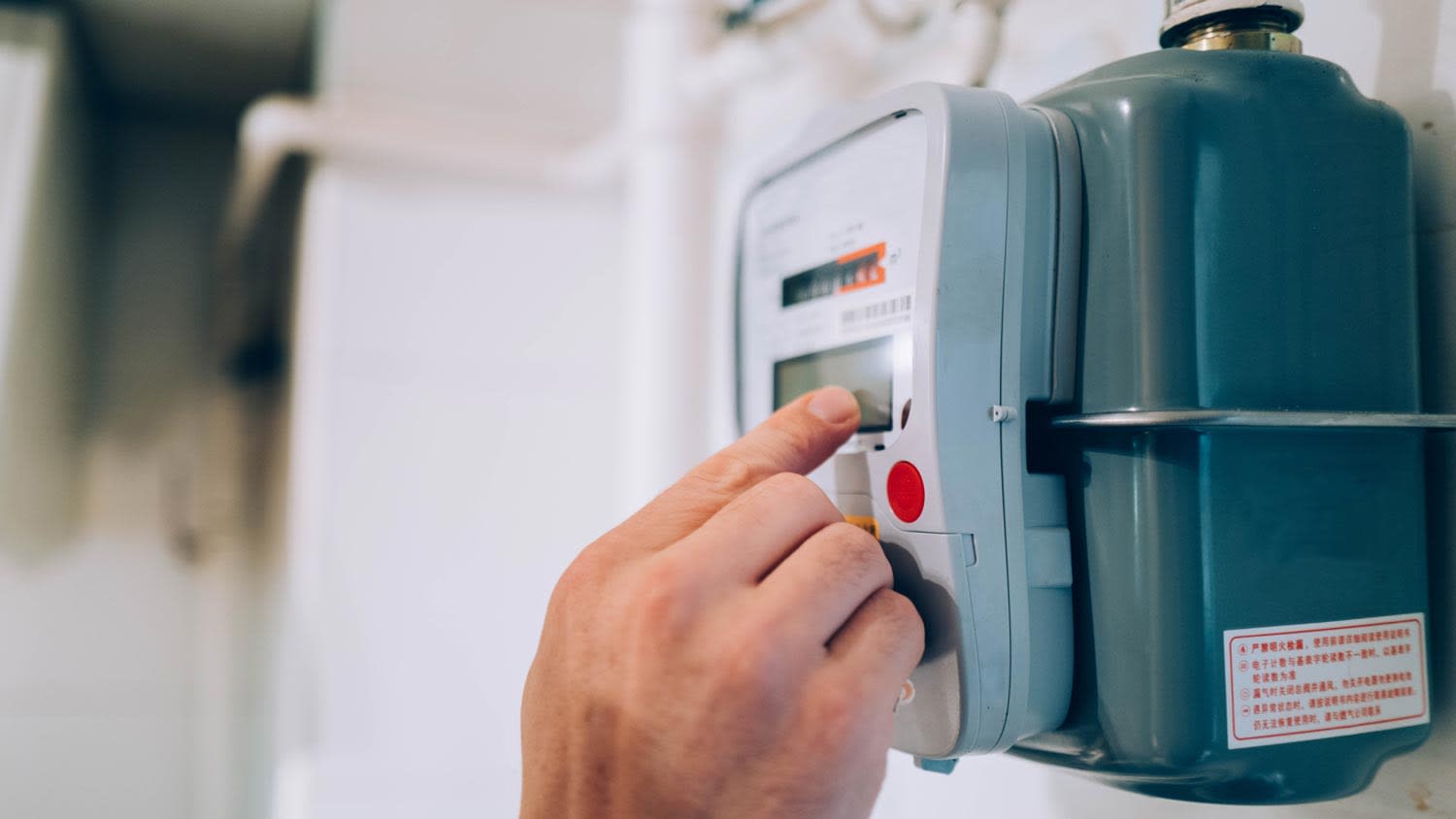
If you want to track the success of your attempts to conserve electricity, use our step-by-step instructions to learn how to read an electrical meter.

Watts measure the power consumed by appliances like your refrigerator. Find out your refrigerator wattage to save time and money, and use the right generator.
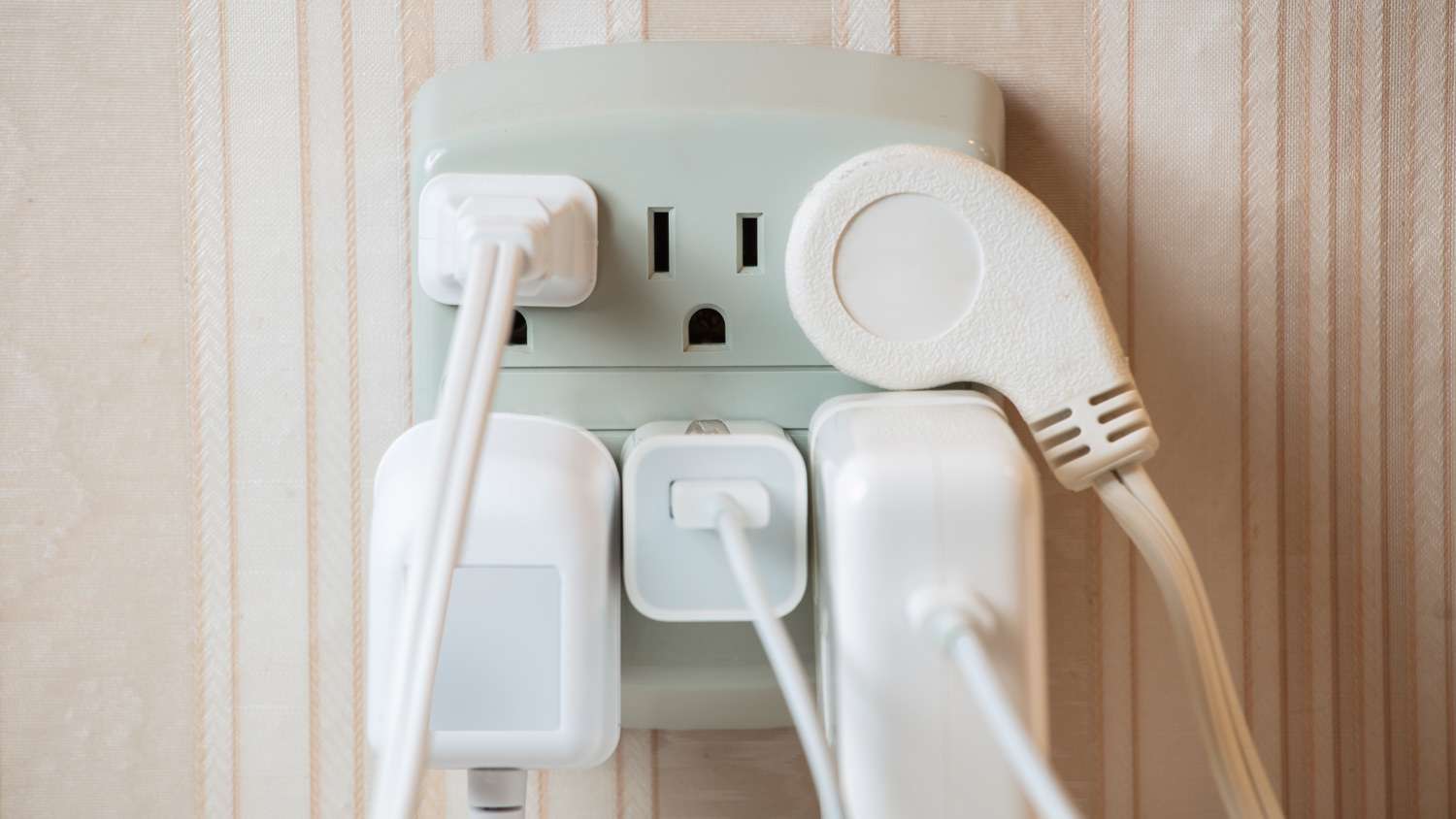
Learn how to calculate your home's load factor with simple steps and examples to better understand your everyday energy usage.