
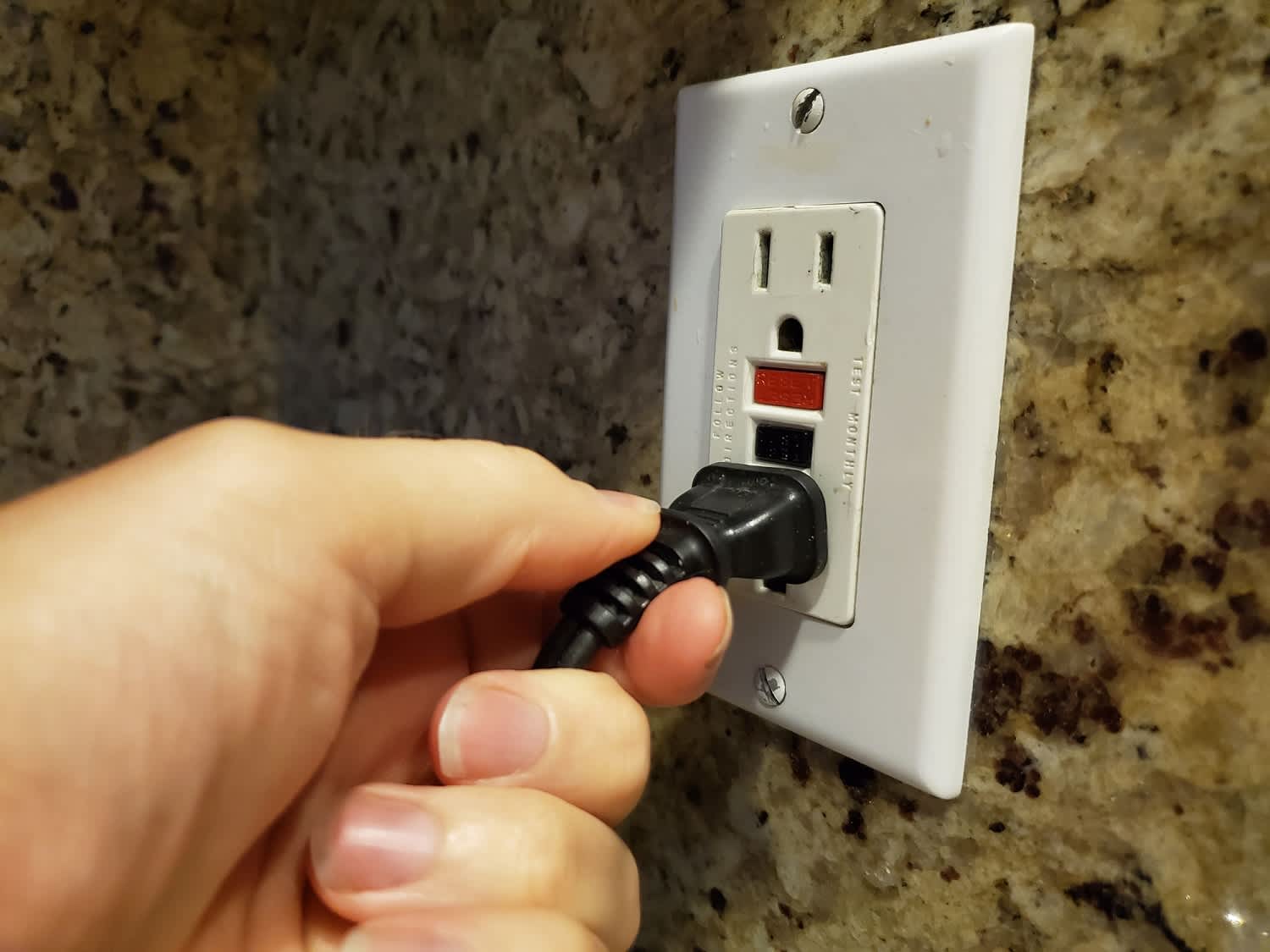
A GFCI outlet can keep your family safe and is relatively inexpensive to install. Learn how much replacing GFCI outlets will cost you, and what factors into those costs.
These special outlets in your bathrooms, kitchen, and outdoor spaces are designed to keep you safe

A GFCI outlet cuts power in under 1/30 of a second when it detects electrical current flowing outside the intended circuit, protecting you from shocks.
Your bathroom, kitchen, garage, and outdoor outlets need GFCI protection when they're within 6 feet of water sources to meet electrical code requirements.
Test your GFCI outlets monthly by pressing the test button to confirm the outlet clicks off and the reset button pops out for reliable protection.
Hiring a local electrical professional keeps installation safe and code-compliant, handling the wiring and testing so your home stays protected from electrical hazards.
Have you ever wondered why some of your outlets have reset buttons while others don’t? It’s all in the name of safety, and those special outlets with extra buttons are called GFCI (ground fault circuit interrupter) outlets. What is a GFCI outlet, where is it needed, and why are they so important to the safety of your home? We’ll walk you through everything you want to know about these unique components of your electrical system.

Not every outlet offers the same protection from electrocution. A GFCI outlet is designed to prevent electrocution. The National Electrical Code® requires these outlets in particular locations of the home, specifically those that may be in contact with water.
So, how can a GFCI outlet stop a small electrical issue from becoming a big one? The outlet will cut power to the circuit to stop the electrical current if it detects any minor changes, even as small as four to five milliamps. To put that in perspective, one milliamp is 1/1,000 of an ampere, which is the basic measure of electrical currents in a home.
When a GFCI cuts power, it prevents a ground fault, which is when electricity flows outside the intended circuit and is working to reach the ground through any path necessary, even the human body.
If the GFCI outlet notices excess energy or an abnormal flow, it can cut the power in less than 1/30 of a second. You might still feel a shock, but this outlet helps prevent serious injuries and fatalities.
There are three main types of GFCI outlets:
Receptacle: This is the most common GFCI outlet type and it resembles traditional outlets. It’s either wired as a single-location outlet, which protects just one outlet, or as a multiple-location GFCI, which will protect other outlets in the home that are on the same circuit.
Circuit Breaker: A circuit breaker GFCI safeguards an entire circuit, protecting both the electrical system (like a standard circuit breaker box) and the humans who use it. This is ideal for outdoor spaces and garages with several GFCI outlets.
Temporary: Never use a temporary GFCI for permanent in-home use. Pros often use this type for construction work.

The National Electrical Code® requires GFCI outlets in several locations throughout your home. There should be GFCI for outlets within 6 feet of a sink or water source. Long story short, if the outlet is likely to come into contact with water, it should be a GFCI outlet.
Bathrooms: Bathrooms were the first place to require GFCI outlets. All 15—and 20-amp, 125-volt outlets in bathrooms require GFCI protection.
Kitchens: GFCI outlets must be within 6 feet of a sink, wet bar, or another water source. Even if a dishwasher isn’t within 6 feet of a sink, you also need a GFCI outlet for hooking up this appliance.
Garages: All 15- and 20-amp, 125-volt outlets in the garage must be GFCI outlets. You might also consider a GFCI circuit breaker if you have several outlets in your garage.
Basements: If you have an unfinished basement, it must have GFCI outlets. If you have a finished basement with a bathroom, bar, or another water source, it also needs GFCI outlets. If your finished basement is simply a home theater or art studio with no sinks, standard outlets will work.
Laundry rooms: The 2005 revision of the National Electrical Code® requires all 15 and 20-amp, 125-volt outlets in laundry and utility rooms to have GFCIs.
Outdoor spaces: Planning to install some fairy lights over your patio? Make sure you’re GFCI protected. The National Electrical Code® requires all outdoor outlets to have GFCI protection and weatherproof covers. Outdoor outlets must be no higher than 6.5 feet above a walking surface because they must always be within easy reach.
Crawl spaces: Crawl spaces must have GFCI outlet protection, but because they can be harder to access, pros recommend GFCI circuit breakers for this area, instead.
Water heaters: Any outlets within 6 feet of your water heater need GFCI protection.
Wet bars: Do you entertain guests at a bar with its own sink? You’ll need outlets for your electrical ice crusher, and they’ll need GFCI protection. No sink? Standard outlets will do the job.
Boathouses: If you have a boathouse, you’ll need GFCI outlets for any electrics, including boat hoist outlets, of 125 volts or more.
Any other wet area: The regulations state that you should install GFCI outlets in any wet area. So, GFCIs are the way to go if, for example, you’re adding a mudroom in your house. That way, you don’t need to worry about constantly dripping boots or soggy doggies.
Bedrooms, living rooms, and offices do not require GFCI outlets (unless they have a sink or other water source in them and the outlets are less than 6 feet away). But if you want added safety, consider replacing ungrounded outlets with GFCI outlets for more protection anywhere in your home.
The National Electrical Code (NEC) has separate requirements for dwellings vs. non-dwellings. Check out the federal code requirements to stay safe and compliant.
Dwellings are defined as permanent living spaces for one or more persons, including areas for sleeping, cooking and sanitation. NEC codes require GFCI protection for 150-volt to 250-volt receptacles produced by single-branch circuits rated 150 volts or less to be ground in the following spots:
Laundry rooms
All areas with sinks
Kitchen countertops
Dishwasher outlets
Bathrooms
Basements
Crawl spaces
Non-dwelling spaces include commercial kitchens, workshops, or offices that aren’t used as a permanent residence. There are fewer GFCI requirements for these places, but the following still apply:
All areas with sinks
Basements
Bathrooms
Crawl spaces
Garages
Kitchens
Locker rooms
Outdoor areas
As you can see, GFCI outlets are essential for preventing shock and electrocution. Just make sure to test your GFCI outlets regularly, about once a month, to ensure they’re working properly.
Plug a lamp, alarm clock, or other small device into the GFCI outlet.
Turn on the device.
Press the test button on the outlet.
You should hear a click, the device should shut off, and the outlet’s reset button should pop out.
Press the reset button to restart the GFCI protection.
If the lamp or other small device does not shut off, you need to call an electrician immediately to replace the old GFCI outlet. A malfunctioning GFCI outlet could lead to serious and even fatal injuries.

A standard outlet can’t protect you from accidental shocks. If you plug something into the outlet and there’s a malfunction, there is no failsafe that will turn off power to the outlet. This means that electricity could jump out and hit you, causing electric shock or leading to an electric fire. GFCIs are so valuable because they do have that failsafe.
On the more simple side of things, as opposed to standard outlets, some GFCI outlets feature one or two indicator lights in the bottom corner of the outlet face.
The main light is the status indicator. It stays green if the outlet is working correctly and turns red if it detects a problem. In some models, the light can go off completely, indicating the device has tripped. If there’s a second indicator button, it typically flashes amber when there’s a trip so that you’ll know your electrical outlet is not working.
If you have solid experience working with low-voltage electricity and want to replace existing electrical outlets with safer GFCI outlets, you can install them yourself. However, if you lack adequate electrical system knowledge, always leave this job to the professionals.
Outlined below are the high-level steps for how to install a GFCI outlet:
Always turn off the power at the circuit breaker first.
Remove the existing outlet wall plate with a screwdriver.
Carefully pull the existing outlet out of the electrical box.
Using a voltage tester, test and identify the black and white noncurrent load wires and the white and black hot line wires. Never touch the live wires directly.
Strip and connect the wires to the appropriate terminal screws of the new GFCI receptacle.
Screw the connected GFCI outlet box back into the wall.
Turn on the circuit breaker, press the GFCI outlet reset button, and test it to ensure it works correctly.
According to data from Angi customers, 57.8% of electrical projects are repairs-based, while 42.2% are for initial installations or relocations. Call a professional electrician for any electrical problems you have or projects you’re thinking about.
The cost to install or replace GFCI outlets, including materials and labor, averages around $210 per outlet, which is well worth it for your safety.
Working with electricity is dangerous and can even be fatal in the case of extreme electric shock. Don’t try to DIY GFCI installation if you don’t know your way around wires and electricity. In most cases, it’s best to hire an electrician near you to install GFCI outlets.
I recently had Mosby Electric perform an electrical installation on 8-14-2026, and I couldn’t be more satisfied with the service. From the moment I called, their team demonstrated fast arrival and professionalism. The electricians were highly knowledgeable, completing the installation...
 Mosby Electric
Great company! Price was competitive, technician showed up on time and completed the job (exterior electric Radon fan replacement) quickly. Would hire them again.
 MaGen Property Inspections and Radon Mitigation
I conferred with 2 other contractors before Armstrong Electric. Nick and his crew showed me that the project was not as convoluted as the other contractors made it appear to be. They completed the entire project on time. They were professional, friendly and cleaned up after at completion. I...
 ARMSTRONG ELECTRIC, LLC
The techs on my project, Shawn and Cliff, were great. They were prompt, courteous, and efficient. I am very happy with the results and would definitely contact Mr. Electric for any future electrical projects.
 Mr. Electric of Columbus
Victor was wonderful. He was on time, professional, and explained everything he was doing. He was thorough and figured out that the problem was electrical instead of with my HVAC system. Very knowledgeable. I will be using this company in the future for any HVAC needs. Thanks!
 Hubbs Heating & Air LLC
They were excellent. They did a great job. I was totally satisfied. They put tremendous effort in making sure the work was completed. They were great. They provided immediate response to any inquires I made. I would hire them again. I would recommend them to anyone who needs electrical work....
 JCB & Associates, LLC DBA Property-Tech Industries
Initially, the repairman could not find the problem. Apparently, there was some electrical shortage, but he could not find the definite problem. He left, but called back later to say he had a new idea. He returned and replaced the light switches on the doors. The refrigerator seemed to return...
 Appliance Pro LLC
The initial quoted price from a walk-through seemed high, but we discussed that the quote represented worst case scenario (re-wiring to two floors) and we were excited about the opportunity to have the work done in a timely manner with closing for fire safety reasons, etc. When the job was...
I have to tell you I am all about customer service - I will go out of my way and even pay more for it if you give me great customer service. <br> <br>In a world where this is hard to find, these guys were awesome! I can not sing their praises enough. They were prompt, personable, funny, got...
 Waibel Electric
When I challenged the markup on the generator, Bruder Electric withdrew its bid. They only want naïve customers.
From average costs to expert advice, get all the answers you need to get your job done.
A GFCI outlet can keep your family safe and is relatively inexpensive to install. Learn how much replacing GFCI outlets will cost you, and what factors into those costs.

Installing an outdoor outlet is a relatively affordable way to take your outdoor space to the next level. Find out the cost to install outdoor outlets

There are many types of GFCI outlets, but knowing which is best for your home can be a challenge. Here’s a guide on the 10 most common GFCI outlets.
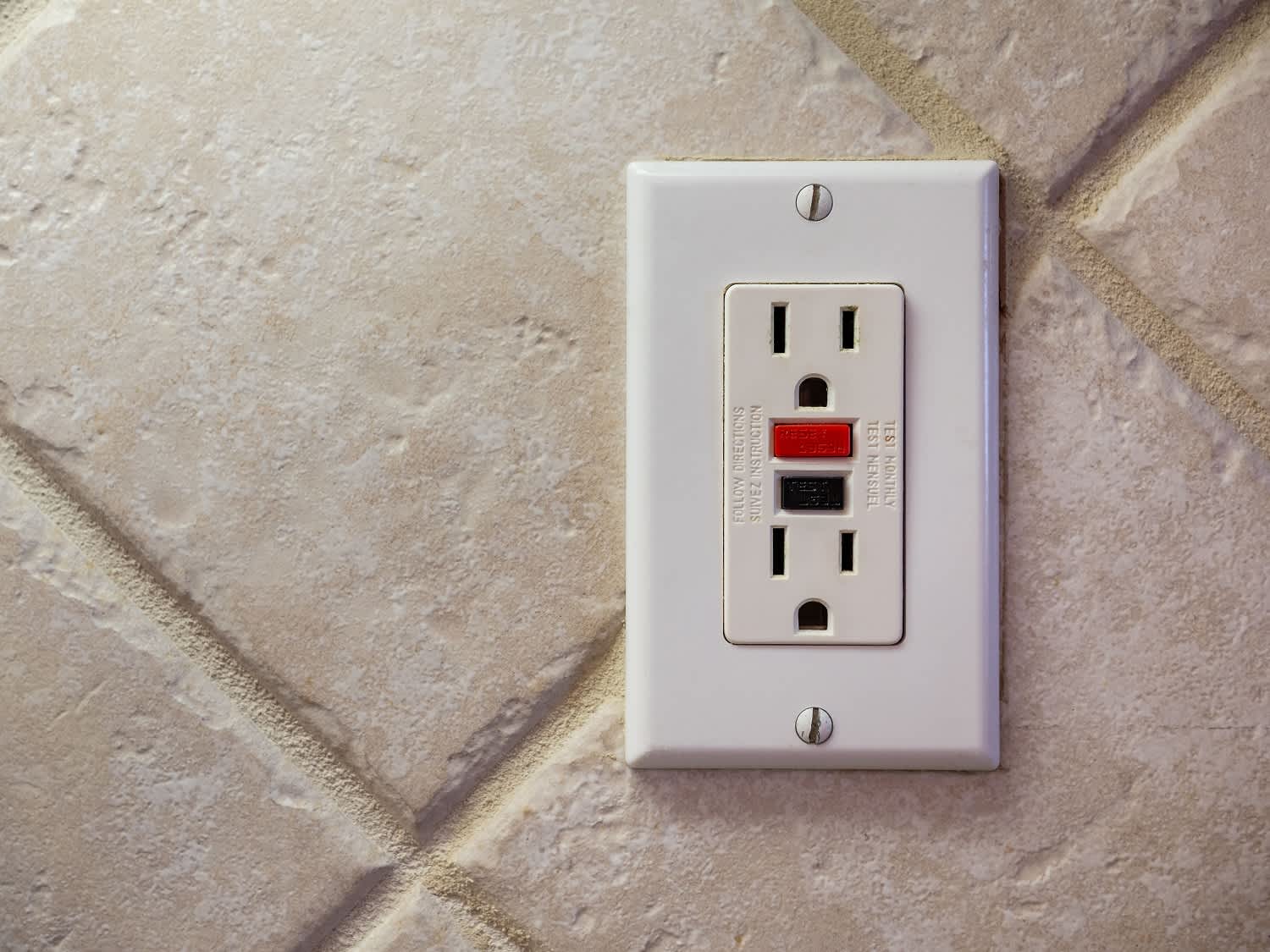
If you want to upgrade outdated outlets, you may be wondering if you can replace ungrounded outlets with GFCI outlets. Keep reading to find out.

Compare electrical outlet types, learn how to identify each one, see where code requires them, and know when to call a pro to upgrade.
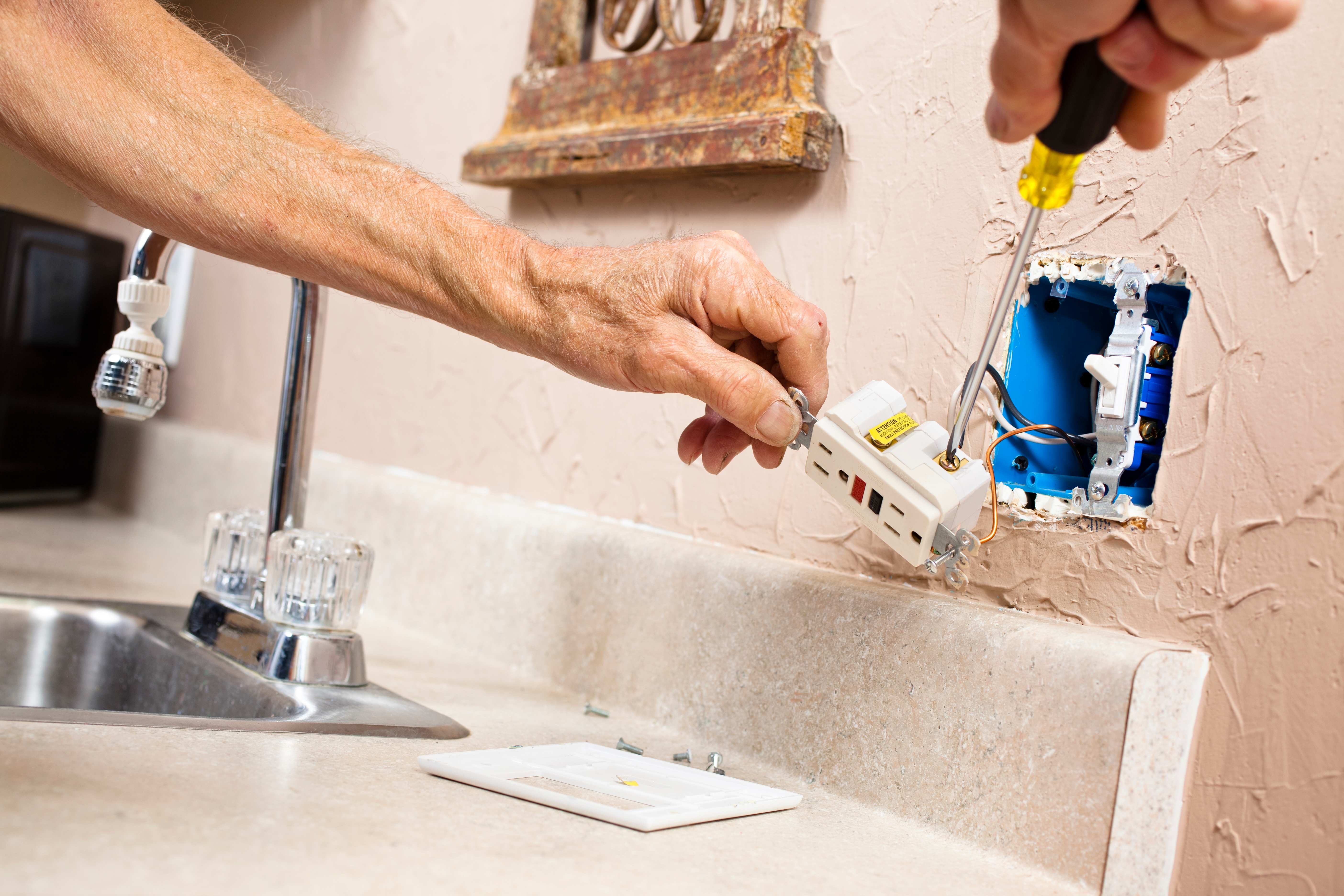
GFI and GFCI can be interchangeable terms, but there are differences in usage. Learn everything you need to know about GFI vs GFCI.