

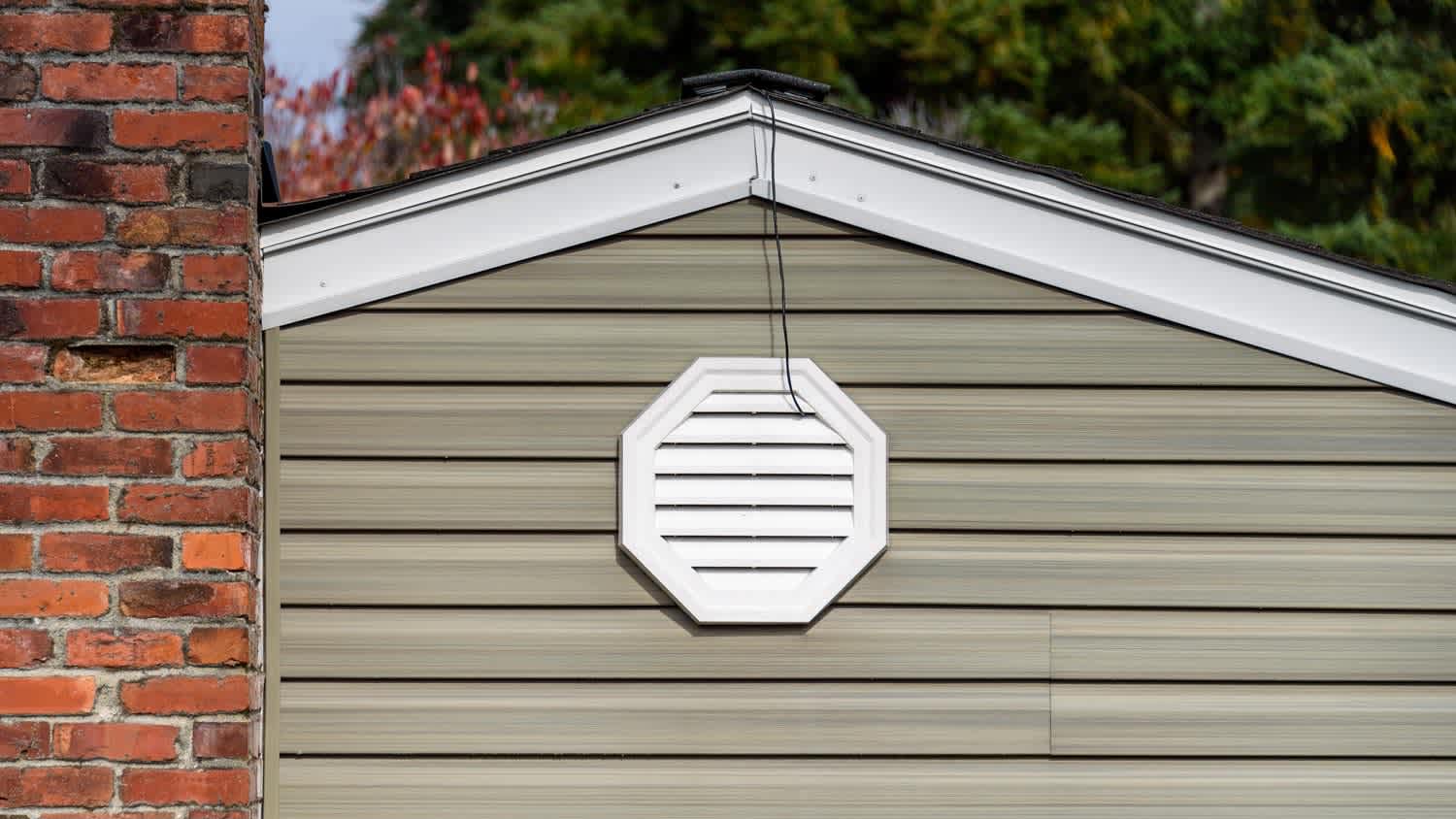
•
Get a clear estimate for attic fan repair costs to learn what impacts pricing, how to save, and whether to repair or replace your attic fan.
Electrical service costs depend on your project and location. Check with a local pro for your specific job.

Professional attic fan installation runs between $369 and $914, based on your fan type and home setup.
Your fan style, attic size, and roof access drive labor time, wiring needs, and the final scope.
You should budget for supplies and add-ons like shingles, vents, and a thermostat, around $150 to $400.
Hiring a local attic fan installation professional prevents leaks and electrical hazards by sealing the roof and wiring safely.
In 2026, the national average cost to install an attic fan is $626, based on 2,806 verified projects from Angi Pros. Most homeowners pay between $369 and $914, with fan type, attic size, and wiring complexity driving the range. Budget an additional $150 to $400 for supplies and add-ons like shingles, vents, and a thermostat.
Several key factors determine what you'll pay to install an attic fan, from the size of your attic to the type of fan you choose. The fan type has the biggest influence on price, followed closely by attic size and the complexity of the installation. Understanding these variables upfront helps you set a realistic budget and avoid surprises once work begins.
Attic fan costs range from $75 to $1,000, depending on which of the six available fan types you choose. Passive and roof turbine models are the most affordable options, while solar and dual-powered fans sit at the higher end of the range.
Each fan type carries different installation requirements that directly affect your total project cost
| Fan Type | Average Cost in 2026 |
|---|---|
| Passive: Passive fans use no electricity and work with the airflow in your home. But, because it doesn't run on electricity, a passive fan can't be connected to a thermostat, so there's no way to control its operation. | $75–$100 |
| Roof turbine: Roof turbines work with your home's airflow and spin as hot air rises and pushes against the turbine. Because a roof turbine fan doesn't use electricity, it's more energy efficient (but it cannot work with a thermostat). And take note: In severe weather, rain may enter the attic through the turbine. So, if your area is prone to heavy rainfall, this may not be the best option. | $100–$150 |
| Attic exhaust: Attic exhaust fans can be either passive or electric. Passive models cannot be hooked up to a thermostat, but they cost next to nothing to run as they don't use power. Electric exhaust fans are more efficient and have a thermostat control. “There are many non-electrical ventilation products for the attic,” says Bob Tschudi, Angi Expert Review Board Member and general contractor in Raleigh, NC. “For example, on hot days, cool air can flow in through a soffit vent and push warmer attic air out through the ridge and gable vents.” | $100–$450 |
| Electric attic: These use electricity to run and connect to a thermostat. The thermostat tells the fan motor when to engage so your home stays comfortably cool, even on the hottest days. Because it draws power, an electric fan can ramp up your electric bill. But a quality model should be efficient and cost very little per year to operate. | $100–$450 |
| Solar: While pricier than many other attic fans, solar models are super efficient because they use the sun's energy instead of electricity. A solar attic fan pays for itself very quickly in energy savings. | $300–$1,000 |
| Dual-powered: This premium attic fan uses the sun's energy as its primary power source. But, if there isn't enough sunlight to adequately power the fan, it switches to electric power. | $300–$1,000 |
The size of your attic directly affects which fan you need, since a higher CFM rating typically means a higher cost. To find the right fit, you'll need to measure your attic's square footage and calculate its cubic footage based on ceiling height.
Use the steps below to determine the CFM your attic requires before selecting a fan:
Measure your attic: Start by measuring the length and width of your attic space in feet. Multiply these two dimensions together to calculate the square footage of the space.
Calculate the cubic feet: Determine the height of your attic from the floor to the peak of the ceiling. Multiply the square footage by the height to find the cubic footage of your attic.
Find the required CFM: Find your required cubic feet by minute (CFM) by multiplying the space's cubic footage by 0.7. Then, consider factors like roof attributes (multiply by 0.5 for steep roofs or 0.15 for dark roofs). The resulting number represents the required attic CFM for effective ventilation.
Choose the right fan: Select an attic fan with a CFM rating that meets or exceeds the calculated value. Most fan models will indicate their CFM capacity on the packaging or product specifications.
Here is a breakdown of attic size and the corresponding fan size needed:
| Attic Size | Fan Size Needed |
|---|---|
| 1,000 sq. ft. | 700 CFM |
| 1,500 sq. ft. | 1,050 CFM |
| 2,000 sq. ft. | 1,400 CFM |
Keep in mind that factors like attic insulation, climate, roof pitch (or steepness), and local building codes can also influence your choice. Consult with a professional or an attic ventilation expert for personalized recommendations to ensure optimal attic ventilation and energy efficiency.
When budgeting for attic fan installation, it's useful to know how your money gets spent to uncover any opportunities to save. Or, if there's a little more room in your budget, you can plan for some enhancements.
Labor for attic fan installation runs $45 to $85 per hour, with the rate depending on the complexity of the job and the type of installer required. Roof and ridge-mounted fans fall at the lower end of the labor range, while electric and solar units require more specialized experience and command higher rates.
Consult a local attic fan installer to get an accurate estimate for your specific project:
| Type of Installation | Average Hourly Rate in 2026 |
|---|---|
| Roof and ridge-mounted fans | $45–$75 |
| Electric and solar units | $65–$85 |
| Gable-mounted unit | $70 |
The fan unit itself is your largest material expense, ranging from $65 to $650 based on type and size. Installation supplies add to that cost, covering items like shingles, vents, and caulking.
Here is a breakdown of common supply costs:
| Supplies | Average Cost in 2026 |
|---|---|
| Shingles | $25–$35 per bundle |
| Siding | Up to $100 |
| Caulking | $5 |
| Gable-mounted vents | $10–$60 |
| Roof-mounted vents | $30–$50 |
A few optional add-ons can improve how well your attic fan performs and how conveniently it operates. A thermostat or humidistat gives you automated control, while an automatic shutter or roof fan cap helps protect the installation.
Consider these extras when planning your budget:
| Extra | Average Cost in 2026 |
|---|---|
| Automatic shutter | $50–$80 |
| Roof fan cap | $50 |
| Insulation | $1,700–$2,000 |
| Humidistat | $50–$100 |
| Thermostat | $150–$400 |
Here are the average costs to install an attic fan around the U.S.:
| State | Average Cost in 2026 |
|---|---|
| Orlando, FL | $425 |
| Raleigh, NC | $485 |
| New York, NY | $465 |
| Portland, ME | $595 |
| Chicago, IL | $455 |
| Kansas City, MO | $700 |
| Dallas, TX | $460 |
| Phoenix, AZ | $660 |
| Denver, CO | $955 |
| Sacramento, CA | $1,110 |
| Portland, OR | $765 |
Whole-house fans cost $300 to $1,400 or more, depending on the size and wattage you need to cool your home effectively. These fans are installed in a central upstairs ceiling location and vent through the attic, drawing hot air out and pulling cooler air in at a rapid rate. In milder climates, they can replace central air conditioning entirely and are generally more energy efficient and easier to install than traditional cooling systems.
Almost all homeowners should hire a professional attic installer in their area, rather than attempt to install it on their own.
We highly recommend hiring a professional attic fan installation company or a certified electrician near you to install an attic fan in your home. Here's why:
Creating an opening in the exterior of your home, such as the roof, invites the potential for water damage, energy loss, or pest invasions if not properly sealed. Professional installers can ensure correct sealing.
Attic fan professionals have the proper experience and tools to install these fans; homeowners without the right tools and experience can make easy mistakes that damage the fan, their exterior walls, or their roof.
Passive fans are a little safer to install, but any fans using electrical power pose serious safety hazards to homeowners without experience working with electrical systems.
Calculating the required CFM for your attic fan can be hard work; to ensure you choose the right-sized fan, work with a pro. They can recommend the proper size and power, and even brand, that meets your needs and fits your budget, works with your climate, and meets all building code requirements.
If you have prior experience working on roofs or with electrical, and feel like you have all the necessary tools and knowledge to figure out such a complex installation, it's technically possible to complete this project yourself. Here's how to install an attic fan if you're up for the challenge.
Check out these helpful ways to get the best deal on an attic fan without compromising its quality or installation.
The more service quotes you compare, the more you'll get a feel for the average cost and scope of work being offered. Plus, some companies may offer to match other quotes in order to secure your business. You may want to reach out to three to five local fan installation companies to get an estimate, then you can see which one offers the most bang for your buck.
If you can schedule your attic fan installation outside of peak season, which is typically spring or summer, you'll likely get better rates. Aim for fall or winter, if possible, when contractors are more likely to have extra time and offer discounts on select services.
If you install energy-efficient or solar-powered fans, you may be eligible for incentives or rebates offered through a federal tax credit. Check with your utility company to see if they offer any additional programs for installing a solar-powered attic fan. Some federal tax credits can be as much as 30% of the purchase and installation cost of your fan.
Review the various types of attic fans with your contractor and get their recommendation for the best type for your needs and your budget.
Work with the attic fan installer to calculate the appropriate CFM for your home.
Ask if there are any building codes you’ll need to keep in mind for this install.
Make sure the pro reviews any rebates for which you’re eligible with this installation.
Home is the most important place on earth, which is why Angi has helped more than 150 million homeowners transform their houses into homes they adore. To help homeowners with their next project, Angi provides readers with the most accurate cost data and upholds strict editorial standards. We’ve surveyed thousands of real Angi customers about their project costs to develop the pricing data you see, so you can make the best decisions for you and your home. We pair this data with research from reputable sources, including the U.S. Bureau of Labor Statistics, academic journals, market studies, and interviews with industry experts—all to ensure our prices reflect real-world projects.
Want to help us improve our cost data? Send us a recent project quote to [email protected]. Quotes and personal information will not be shared publicly.
I recently had Mosby Electric perform an electrical installation on 8-14-2026, and I couldn’t be more satisfied with the service. From the moment I called, their team demonstrated fast arrival and professionalism. The electricians were highly knowledgeable, completing the installation...
 Mosby Electric
Great company! Price was competitive, technician showed up on time and completed the job (exterior electric Radon fan replacement) quickly. Would hire them again.
 MaGen Property Inspections and Radon Mitigation
I conferred with 2 other contractors before Armstrong Electric. Nick and his crew showed me that the project was not as convoluted as the other contractors made it appear to be. They completed the entire project on time. They were professional, friendly and cleaned up after at completion. I...
 ARMSTRONG ELECTRIC, LLC
The techs on my project, Shawn and Cliff, were great. They were prompt, courteous, and efficient. I am very happy with the results and would definitely contact Mr. Electric for any future electrical projects.
 Mr. Electric of Columbus
Victor was wonderful. He was on time, professional, and explained everything he was doing. He was thorough and figured out that the problem was electrical instead of with my HVAC system. Very knowledgeable. I will be using this company in the future for any HVAC needs. Thanks!
 Hubbs Heating & Air LLC
They were excellent. They did a great job. I was totally satisfied. They put tremendous effort in making sure the work was completed. They were great. They provided immediate response to any inquires I made. I would hire them again. I would recommend them to anyone who needs electrical work....
 JCB & Associates, LLC DBA Property-Tech Industries
Initially, the repairman could not find the problem. Apparently, there was some electrical shortage, but he could not find the definite problem. He left, but called back later to say he had a new idea. He returned and replaced the light switches on the doors. The refrigerator seemed to return...
 Appliance Pro LLC
The initial quoted price from a walk-through seemed high, but we discussed that the quote represented worst case scenario (re-wiring to two floors) and we were excited about the opportunity to have the work done in a timely manner with closing for fire safety reasons, etc. When the job was...
I have to tell you I am all about customer service - I will go out of my way and even pay more for it if you give me great customer service. <br> <br>In a world where this is hard to find, these guys were awesome! I can not sing their praises enough. They were prompt, personable, funny, got...
 Waibel Electric
When I challenged the markup on the generator, Bruder Electric withdrew its bid. They only want naïve customers.
From average costs to expert advice, get all the answers you need to get your job done.
Get a clear estimate for attic fan repair costs to learn what impacts pricing, how to save, and whether to repair or replace your attic fan.

Whole-house fans can help reduce your electric bills by providing ventilation and cool, fresh air. Use this whole house fan cost guide to price out the project.

Discover the cost to install a ceiling fan, including labor, materials, and tips to save. Learn what impacts your price and how to budget for your project.
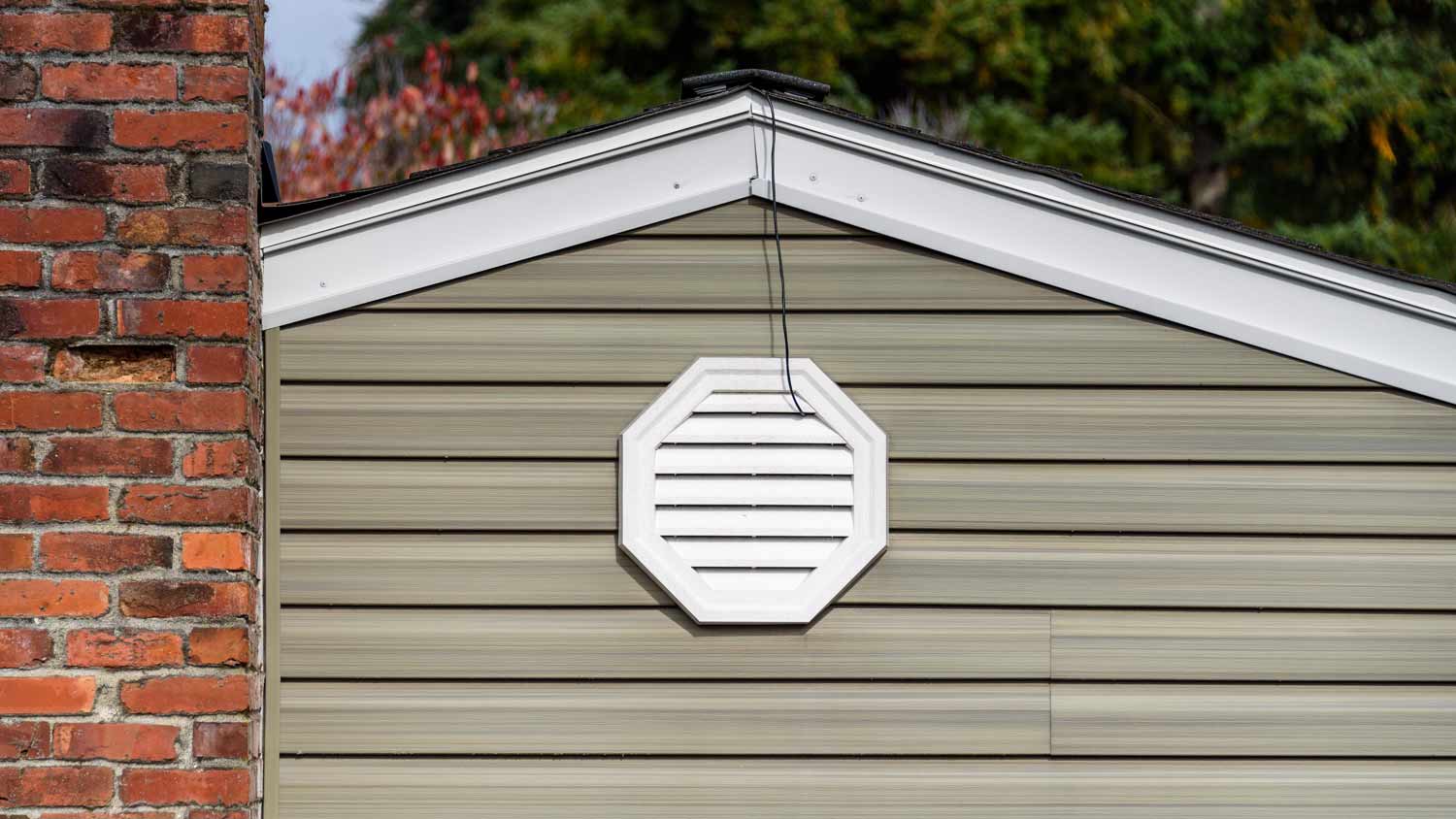
Asking and answering these attic fan questions will help you understand how a fan can help maintain your home’s temperature and protect against humidity.
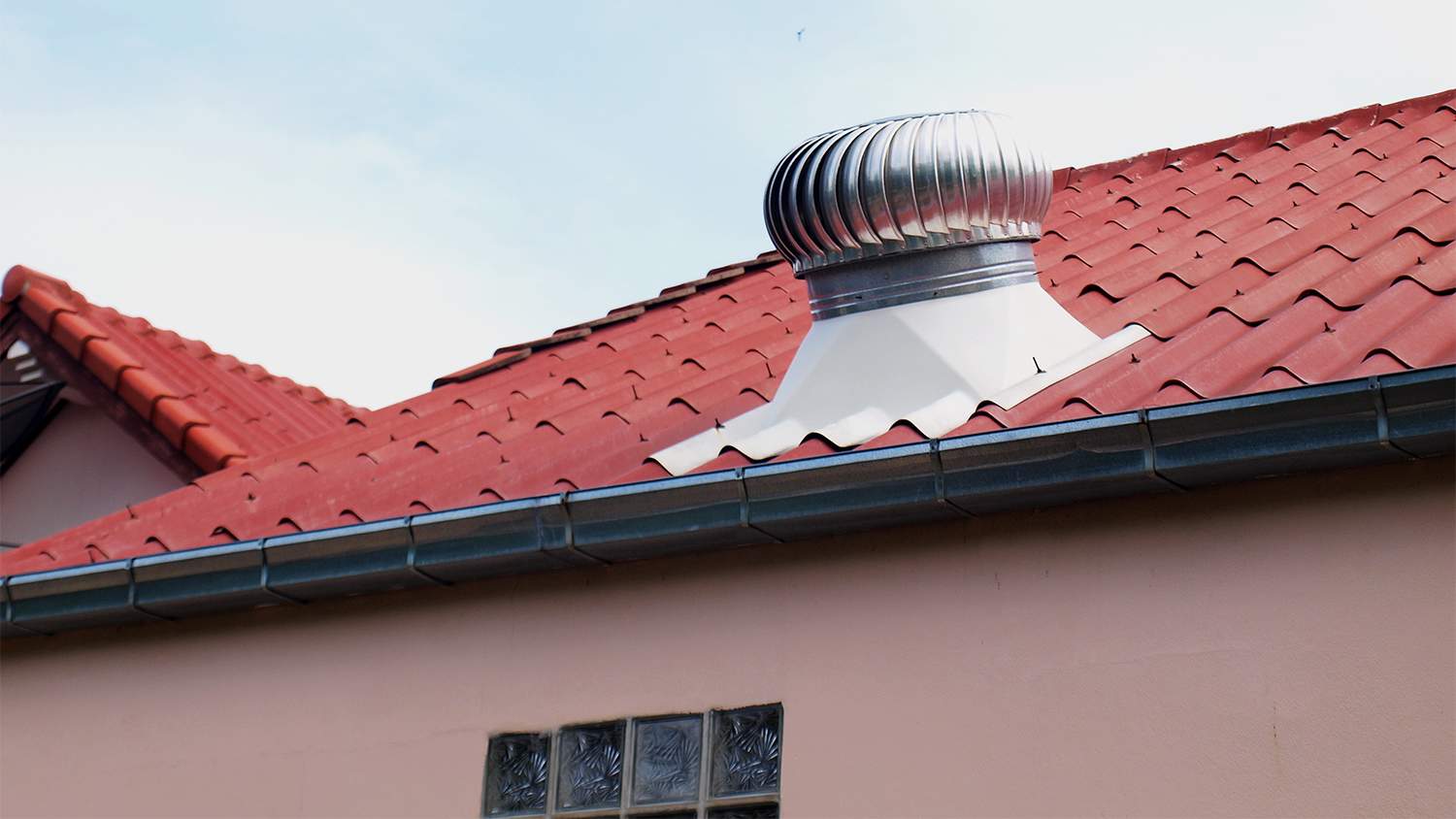
Learn how to hire an attic fan installation pro. Find qualified electricians, HVAC specialists, and roofers for safe, efficient installation.
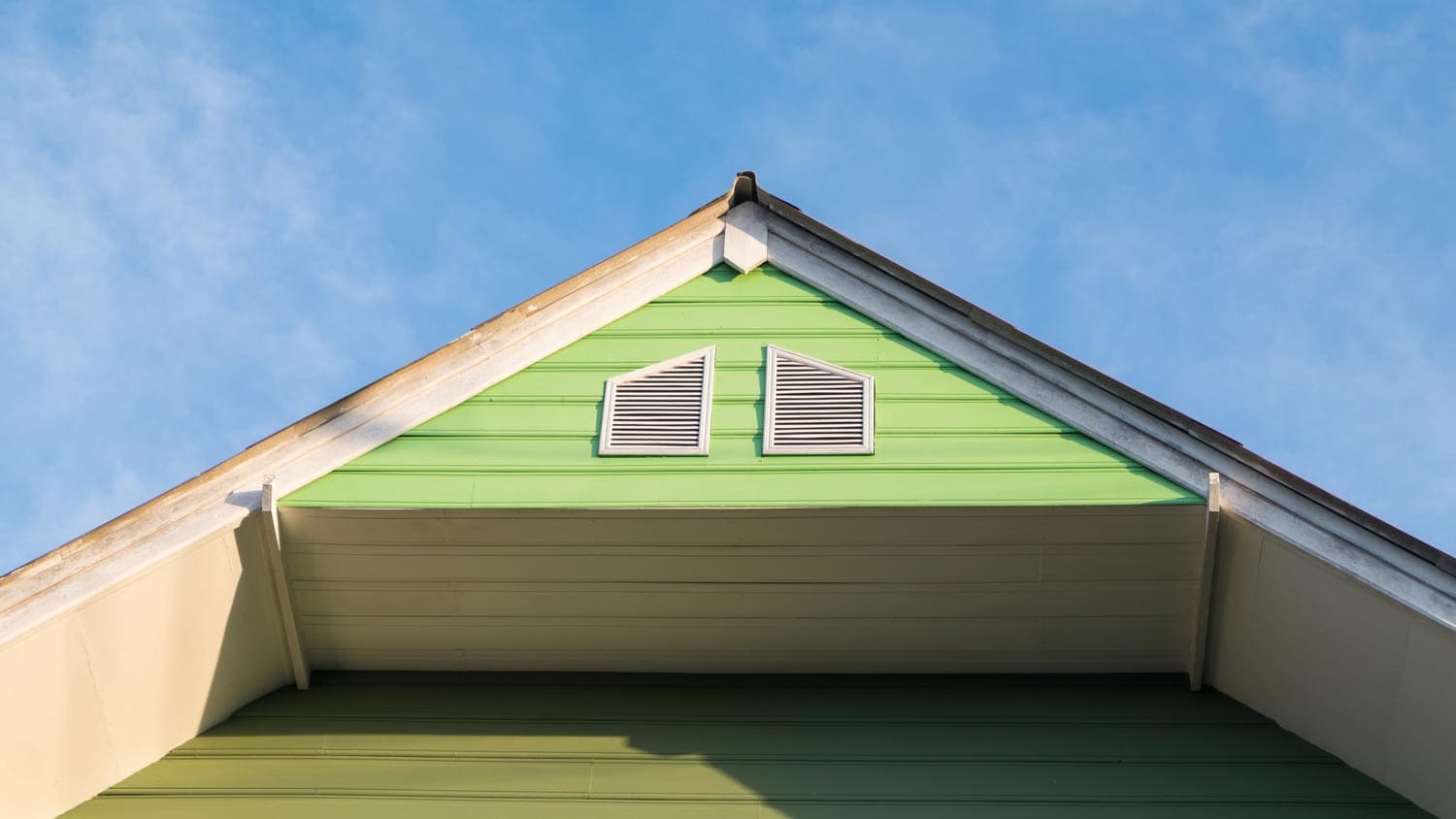
A new or replacement attic fan will help your home stay well-ventilated and cool. If you're sold on the idea, learn how to install an attic fan in this guide.