

Discover the electrical outlet repair cost of different outlet types depending on the problem, location, amperage, and other factors.
Don’t attempt a DIY fix—this is a job for a licensed electrician

A plug getting warm is dangerous because it signals electrical problems that can cause fires, damage your home's wiring, and create serious shock risks.
Hiring an electrician costs around $350 on average, and addressing hot plugs early helps you avoid more expensive repairs and potential fire damage.
Turn off the circuit breaker immediately when you discover a hot plug, then unplug all devices from that outlet to eliminate the power source.
Hiring a local electrical professional provides reliable help identifying whether your hot outlet stems from circuit overload, faulty wiring, or loose connections before damage spreads.
Picture this: You reach behind your toaster to unplug it, and the plug is suspiciously warm. You’re likely wondering, “Is it dangerous if a plug gets hot?”
You use electrical appliances daily to heat up food, entertain, and charge electronics. And 99% of the time, the cord feels normal to the touch—the same as it does when not plugged in. So if you touch a plug or cord in an outlet that feels warm or hot, there’s likely a problem. Let’s review the dangers associated with plugs getting hot when plugged into an outlet, how to stop it, and how to prevent it from happening again.
The simple answer is yes—hot plugs are a clear warning sign of danger. If your plug or cord is hot, this is potentially very hazardous and can significantly increase the risk of an electrical fire or shock. And when faulty plugs are near any flammable materials, such as furniture, curtains, or wood, these can ignite. Problematic plugs and electrical outlets that aren’t working can also damage the wiring within your walls, and any insulation surrounding them. Practicing safety with electrical wiring and outlets is crucial.
A note on safety: If you move into a house with outlets that have burn marks, do not plug anything in until you hire a local licensed electrician to assess them.
This is a quality electrical company with very professional and well-trained technicians. They installed new switches, outlets and light fixtures in my 2nd floor, removing the knob and tube wiring and installing new grounded lines. I will be recommending them to all my friends and family.
It’s not uncommon for a plug to become somewhat warm from electricity running through it, but the body should never get hot. When your cord or plug does heat up, here are some possible reasons:
Overheating due to circuit overload: Plugging multiple appliances into outlets that are on the same series will overload the circuit. If this happens, it can cause a breaker to trip or an outlet to overheat.
Faulty wiring: The pressure from one wire to another can cause the outlet to get hot, even if you're not using that specific socket.
Loose connection: A loose connection can produce dangerous heat from other wires, often damaging the outlet or plug.
Dust and debris build-up: A common electrical issue with older homes is dust and debris buildup from electrical wiring that hasn’t been updated in several decades. There may be a short circuit within the socket, which can spark fire when combined with dust and debris. If that’s the case, it’s a clear sign to upgrade your electrical system.
Device chargers with internal transformers: The voltage supply input for phone chargers, computer chargers, cordless drills, and printers can make the power adapter and outlets warm, but never hot. If your device has an internal transformer unit and is hot to the touch, unplug it until it cools down.

If you suspect your plug is faulty due to overheating, there are some steps you can take to stop a plug from overheating. Keep in mind that hot plugs and outlets indicate a more serious electrical problem that will likely require the help of a professional electrician.
If you discover a hot plug in your home, it’s essential that you eliminate its power source as quickly as possible. Start by opening your circuit breaker and locating the breaker for the outlet in question. Then, turn off the breaker that powers the hot outlet.
Now that you’ve shut off the power connected to the hot outlet, carefully unplug everything from it, especially devices with a transformer like an air conditioner. Keep in mind that the plugs are likely still warm, so wear protective gloves during this step.
To ensure there aren’t any other hot outlets in that room or home, check how much energy your appliances are taking out of the circuit with a utility meter. Different gauges help to avoid overheating wires and later damage.
While there are several types of outlets, standard outlets should not draw more than 80% of the circuit's energy at any given time. The extra 20% is a reserve for power surges and tripped fuses. When you are drawing too much power from a circuit, the fuses will trip, and you’ll have to reset it.
The electrical code sets the wire gauge for a maximum current flow:
Residential 120-volt circuits use wiring with an indicator of 14-gauge.
Circuits drawing more than 15 amps must switch to 12-gauge wire.
240-volt circuits and higher current loads need the thickest wires available.

Unless you’re a licensed electrician, you should hire a local electrician for any home task involving electricity. Electricians have the tools, knowledge, and safety materials necessary to assess your home’s connections and decide what repairs are needed. Plus, they can determine whether the problem is isolated to the hot outlet or part of a larger electrical issue. The average cost of hiring an electrician is $350, depending on the severity of the electrical problem and its location.
If you notice this happening late at night, or if the outlet is smoking hot or emitting sparks, call a local emergency electrician immediately. It's possible that there is a fire behind the wall, and you need to act fast before it becomes dangerous.
I recently had Mosby Electric perform an electrical installation on 8-14-2026, and I couldn’t be more satisfied with the service. From the moment I called, their team demonstrated fast arrival and professionalism. The electricians were highly knowledgeable, completing the installation...
 Mosby Electric
Great company! Price was competitive, technician showed up on time and completed the job (exterior electric Radon fan replacement) quickly. Would hire them again.
 MaGen Property Inspections and Radon Mitigation
I conferred with 2 other contractors before Armstrong Electric. Nick and his crew showed me that the project was not as convoluted as the other contractors made it appear to be. They completed the entire project on time. They were professional, friendly and cleaned up after at completion. I...
 ARMSTRONG ELECTRIC, LLC
The techs on my project, Shawn and Cliff, were great. They were prompt, courteous, and efficient. I am very happy with the results and would definitely contact Mr. Electric for any future electrical projects.
 Mr. Electric of Columbus
Victor was wonderful. He was on time, professional, and explained everything he was doing. He was thorough and figured out that the problem was electrical instead of with my HVAC system. Very knowledgeable. I will be using this company in the future for any HVAC needs. Thanks!
 Hubbs Heating & Air LLC
They were excellent. They did a great job. I was totally satisfied. They put tremendous effort in making sure the work was completed. They were great. They provided immediate response to any inquires I made. I would hire them again. I would recommend them to anyone who needs electrical work....
 JCB & Associates, LLC DBA Property-Tech Industries
Initially, the repairman could not find the problem. Apparently, there was some electrical shortage, but he could not find the definite problem. He left, but called back later to say he had a new idea. He returned and replaced the light switches on the doors. The refrigerator seemed to return...
 Appliance Pro LLC
The initial quoted price from a walk-through seemed high, but we discussed that the quote represented worst case scenario (re-wiring to two floors) and we were excited about the opportunity to have the work done in a timely manner with closing for fire safety reasons, etc. When the job was...
I have to tell you I am all about customer service - I will go out of my way and even pay more for it if you give me great customer service. <br> <br>In a world where this is hard to find, these guys were awesome! I can not sing their praises enough. They were prompt, personable, funny, got...
 Waibel Electric
When I challenged the markup on the generator, Bruder Electric withdrew its bid. They only want naïve customers.
From average costs to expert advice, get all the answers you need to get your job done.
Discover the electrical outlet repair cost of different outlet types depending on the problem, location, amperage, and other factors.
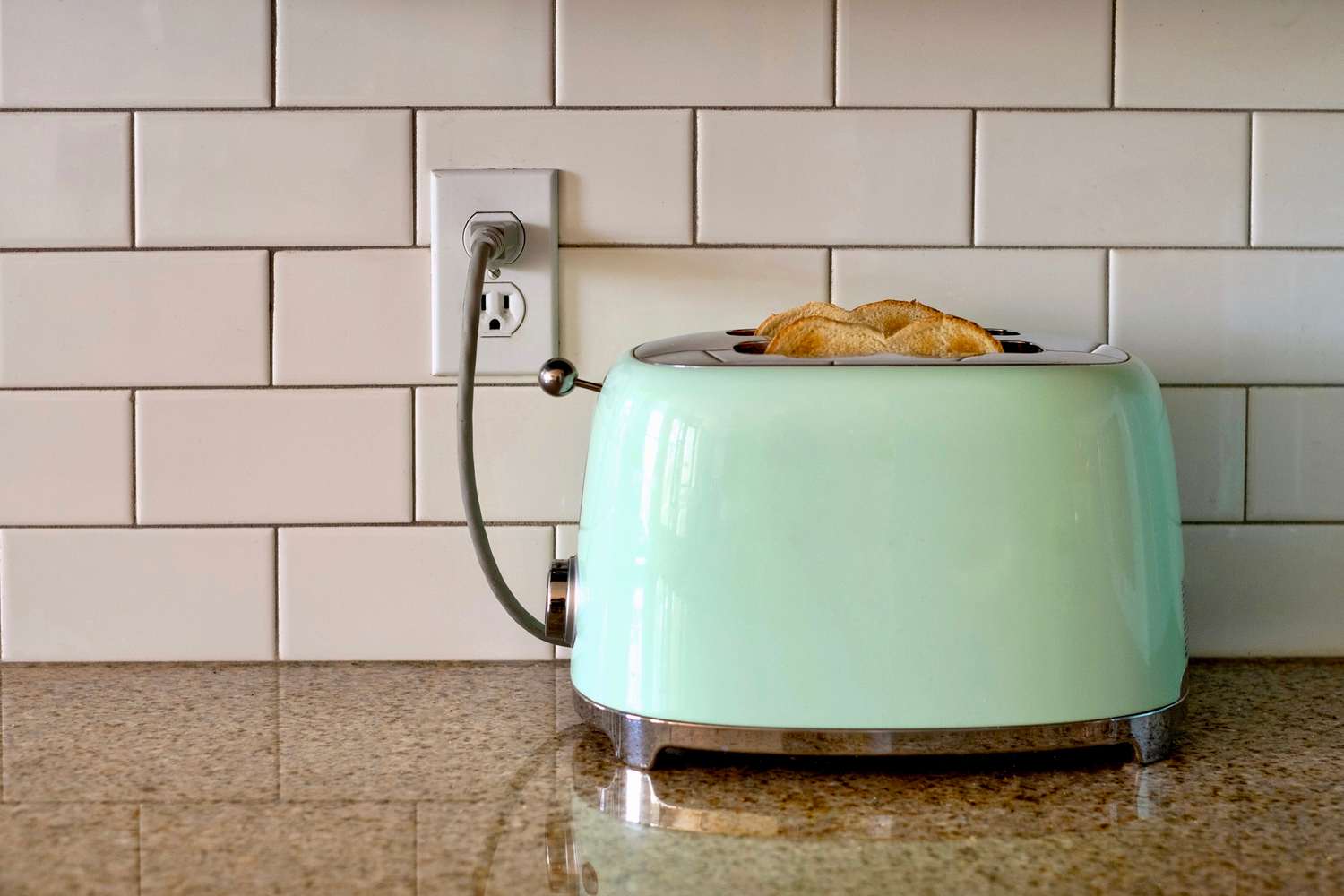
The average cost to install an electrical outlet is $133 to $296 each. This guide explains what factors impact the total cost of installing an outlet.
When you find yourself asking, why is my outlet hot?, you probably need an electrician. These tips can help you identify the source of the problem.
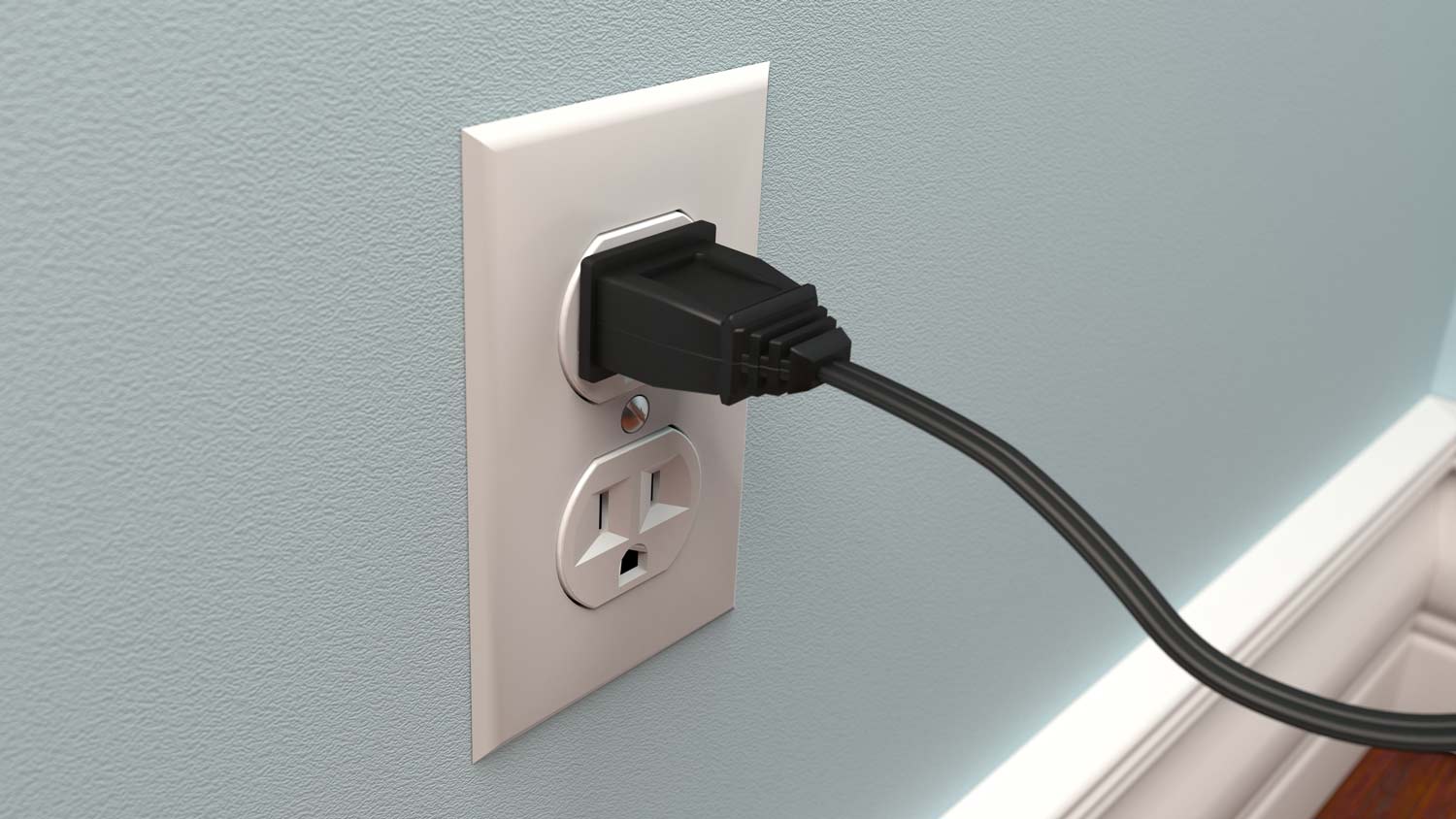
Today’s polarized plugs and outlets have a hot and neutral side, which is important for any receptacle wiring. Here’s what that means, why it happened, and how to take advantage of it.
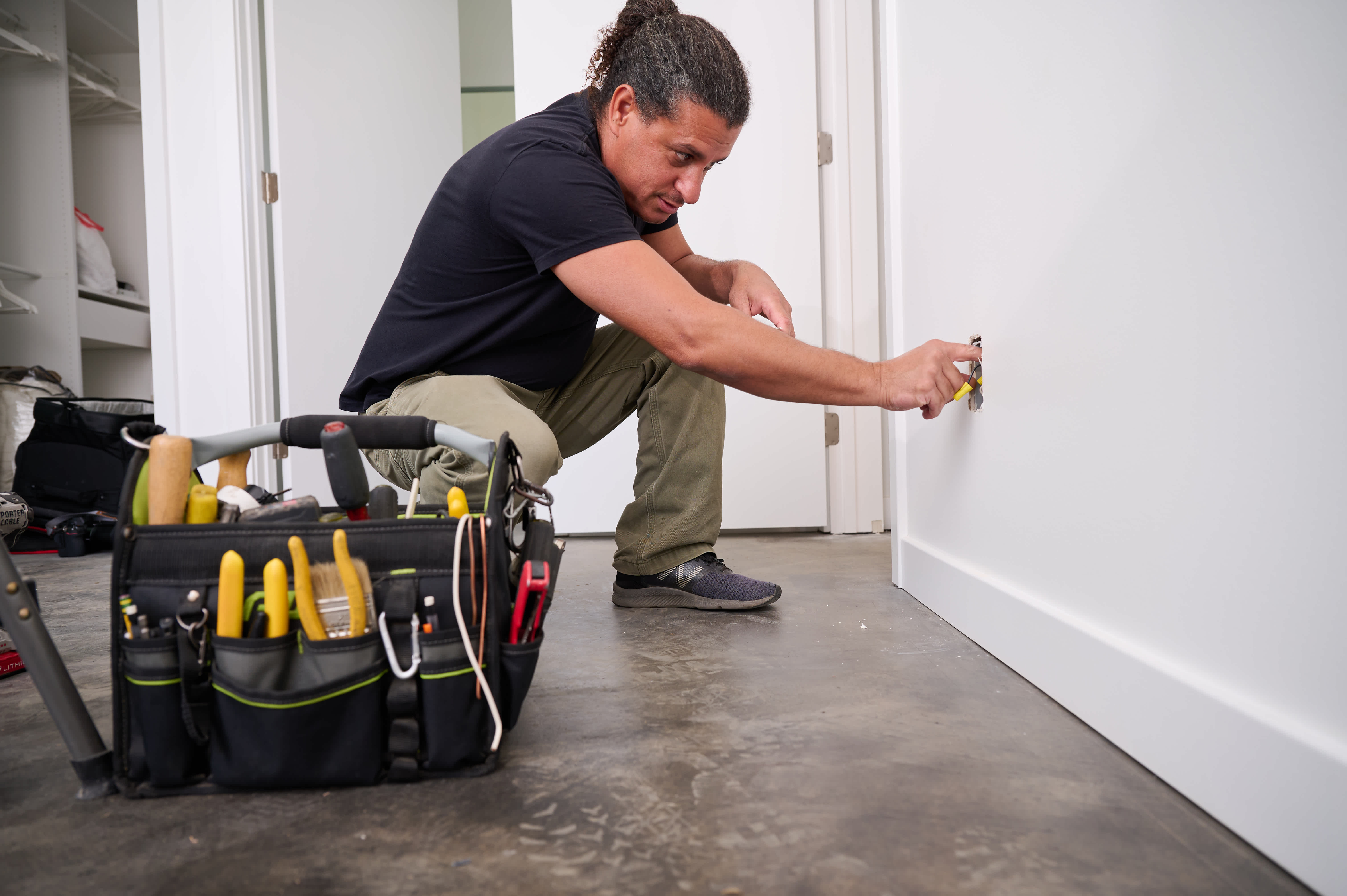
If your outlet stopped working and your breaker has not tripped, it could be due to several reasons. Learn how to fix an outlet with our guide.
If your plugs are sliding out halfway after you insert them into the outlet, this is a fire hazard. Learn how to fix loose outlets in your home.