


If your outside electrical meter box has sustained wear and tear, it might be time for a replacement. How much it costs to replace an electrical meter box depends on labor, model, and box type.
Electrical service costs depend on your project and location. Check with a local pro for your specific job.

Electrical service line replacement costs $225 to $500 for your project, based on your home’s setup and access.
Your home’s layout and local code set your total wire length, especially from the meter to breaker box.
Your project needs permits and utility coordination, and underground service lines cost $1,500 to $5,000.
Hiring a local electrical professional prevents fire hazards and ensures code-compliant connections, protecting your household from shock and outages.
The cost to replace wire from a meter to a breaker box is about $225 to $500, including the cost of new wires and professional installation. The average cost is $250. The cost of replacement wires varies from $1.50 to $15 per foot for just the wiring, not including labor.
When it comes to powering the appliances and devices in your home, you want your electrical wiring to be safe and reliable. Service entrance cables keep your home connected to the local grid. But if they become cracked or otherwise faulty, you’ll want to consider hiring a licensed electrician to fix the problem.

The cost of replacement wires varies from $1.50 to $15 per foot for just the wiring, not including labor. Modern homes have 200 amp service breakers, which can better handle the amount of electronics and appliances we use today. These types of panels require specific wires, which may vary in cost. Copper and aluminum are two common types of wire you can choose from.
| Type of Wire | Average Cost Per Foot |
|---|---|
| Copper | $5–$15 |
| Aluminum | $1.50–$5 |
While aluminum wires are less expensive, they are also less conductive. Copper wires tend to be more stable and durable, meaning they will last longer and won’t corrode like aluminum wires can. You can also check your local electrical codes to verify which wiring type is required.
The cost of replacing an electrical service line primarily depends on the length of wires required, which ranges from $1.50 to $15 per foot. The total length is contingent on your home’s electrical setup and local electrical codes, but expect to purchase about 10 to 15 feet of wiring. Many codes allow a maximum of 5 to 6 feet of wire inside the home.
| Wire Length | Average Cost |
|---|---|
| 1 foot | $1.50–$15 |
| 10 to 15 feet | $15–$225 |
Hiring an electrician costs an average of $50 to $100 per hour. For example, replacing 10 feet of wires or cables will take about 1 to 2 hours for an electrician. If your pro finishes the job early, you might also consider budgeting for other common projects including:
Installing an outlet: $100–$450
Installing a light switch: $60–$300
Adding a light fixture: $150–$1,000
There are additional factors that can impact the final cost of replacing electrical wires. This isn’t a project to cut corners on, so you’ll need to work with a licensed electrician to obtain proper permits to start the necessary repairs.
Working with these electrical wires typically requires a permit and must adhere to local electrical codes. Obtaining a permit for this project may cost anywhere from $10 to $500.
Replacing exterior cables requires help from your local utility company, and costs about $1,500 or up to $5,000 if the cables are underground.
Your electrical service line supplies electricity to your entire home, and replacing it means working with high-voltage components and coordinating with the utility provider. Working on electrical systems comes with inherent risks, including fire, shock, and long-term electrical reliability issues. Hire a licensed electrician near you to ensure the line, panel, grounding, and meter setup work safely together.
Other reasons you should hire an electrician include:
Electricians understand utility coordination, code requirements, and safe wiring practices.
Pros know how to correctly size and install service lines and panels.
They have the necessary equipment to do the job correctly.
Pros are able to ensure that grounding and bonding systems are secure for future safety.
Your electrician can assess circuit capacity and distribution to ensure optimal electrical service.
Licensed electricians obtain permits and have their work inspected for code compliance.
Some offer warranties on their work and the materials they install.
Consider these practical ways to save money when replacing a service line:
Shop around for the best deals and buy materials on your own.
Opt for a quality but budget-friendly wire material, such as aluminum.
Call a licensed electrician at the first sign of an issue to avoid more expensive future issues.
Get a detailed quote from at least three electricians before hiring one.
Bundle multiple electrical jobs on the same visit to save on service costs.
Yes, replacing a service line in your home can increase the value of your home. A quality electrical job increases the safety of your home and minimizes the likelihood that more serious, costlier electrical problems will occur in the future. Aside from the monetary value, you can’t quite put a price on the peace of mind that comes from knowing your service cables are in working order and you’ll have access to electricity.
Ask your electrician if your service line upgrade will be overhead or underground, and how this affects the cost and functionality.
Confirm the new service amperage and determine if it's sufficient for your household's needs.
Consider whether this is a good time to relocate your electrical panel to a more accessible or convenient area.
Review the project timeline to find out if your power will be interrupted for extended periods during the installation.
Let your pro know if you want to add items like surge protectors, backup power connection ports, and smart energy monitoring devices.
Home is the most important place on earth, which is why Angi has helped more than 150 million homeowners transform their houses into homes they adore. To help homeowners with their next project, Angi provides readers with the most accurate cost data and upholds strict editorial standards. We survey real Angi customers about their project costs to develop the pricing data you see, so you can make the best decisions for you and your home. We pair this data with research from reputable sources, including the U.S. Bureau of Labor Statistics, academic journals, market studies, and interviews with industry experts—all to ensure our prices reflect real-world projects.
Want to help us improve our cost data? Send us a recent project quote to [email protected]. Quotes and personal information will not be shared publicly.
I recently had Mosby Electric perform an electrical installation on 8-14-2026, and I couldn’t be more satisfied with the service. From the moment I called, their team demonstrated fast arrival and professionalism. The electricians were highly knowledgeable, completing the installation...
 Mosby Electric
Great company! Price was competitive, technician showed up on time and completed the job (exterior electric Radon fan replacement) quickly. Would hire them again.
 MaGen Property Inspections and Radon Mitigation
I conferred with 2 other contractors before Armstrong Electric. Nick and his crew showed me that the project was not as convoluted as the other contractors made it appear to be. They completed the entire project on time. They were professional, friendly and cleaned up after at completion. I...
 ARMSTRONG ELECTRIC, LLC
The techs on my project, Shawn and Cliff, were great. They were prompt, courteous, and efficient. I am very happy with the results and would definitely contact Mr. Electric for any future electrical projects.
 Mr. Electric of Columbus
Victor was wonderful. He was on time, professional, and explained everything he was doing. He was thorough and figured out that the problem was electrical instead of with my HVAC system. Very knowledgeable. I will be using this company in the future for any HVAC needs. Thanks!
 Hubbs Heating & Air LLC
They were excellent. They did a great job. I was totally satisfied. They put tremendous effort in making sure the work was completed. They were great. They provided immediate response to any inquires I made. I would hire them again. I would recommend them to anyone who needs electrical work....
 JCB & Associates, LLC DBA Property-Tech Industries
Initially, the repairman could not find the problem. Apparently, there was some electrical shortage, but he could not find the definite problem. He left, but called back later to say he had a new idea. He returned and replaced the light switches on the doors. The refrigerator seemed to return...
 Appliance Pro LLC
The initial quoted price from a walk-through seemed high, but we discussed that the quote represented worst case scenario (re-wiring to two floors) and we were excited about the opportunity to have the work done in a timely manner with closing for fire safety reasons, etc. When the job was...
I have to tell you I am all about customer service - I will go out of my way and even pay more for it if you give me great customer service. <br> <br>In a world where this is hard to find, these guys were awesome! I can not sing their praises enough. They were prompt, personable, funny, got...
 Waibel Electric
When I challenged the markup on the generator, Bruder Electric withdrew its bid. They only want naïve customers.
From average costs to expert advice, get all the answers you need to get your job done.
If your outside electrical meter box has sustained wear and tear, it might be time for a replacement. How much it costs to replace an electrical meter box depends on labor, model, and box type.
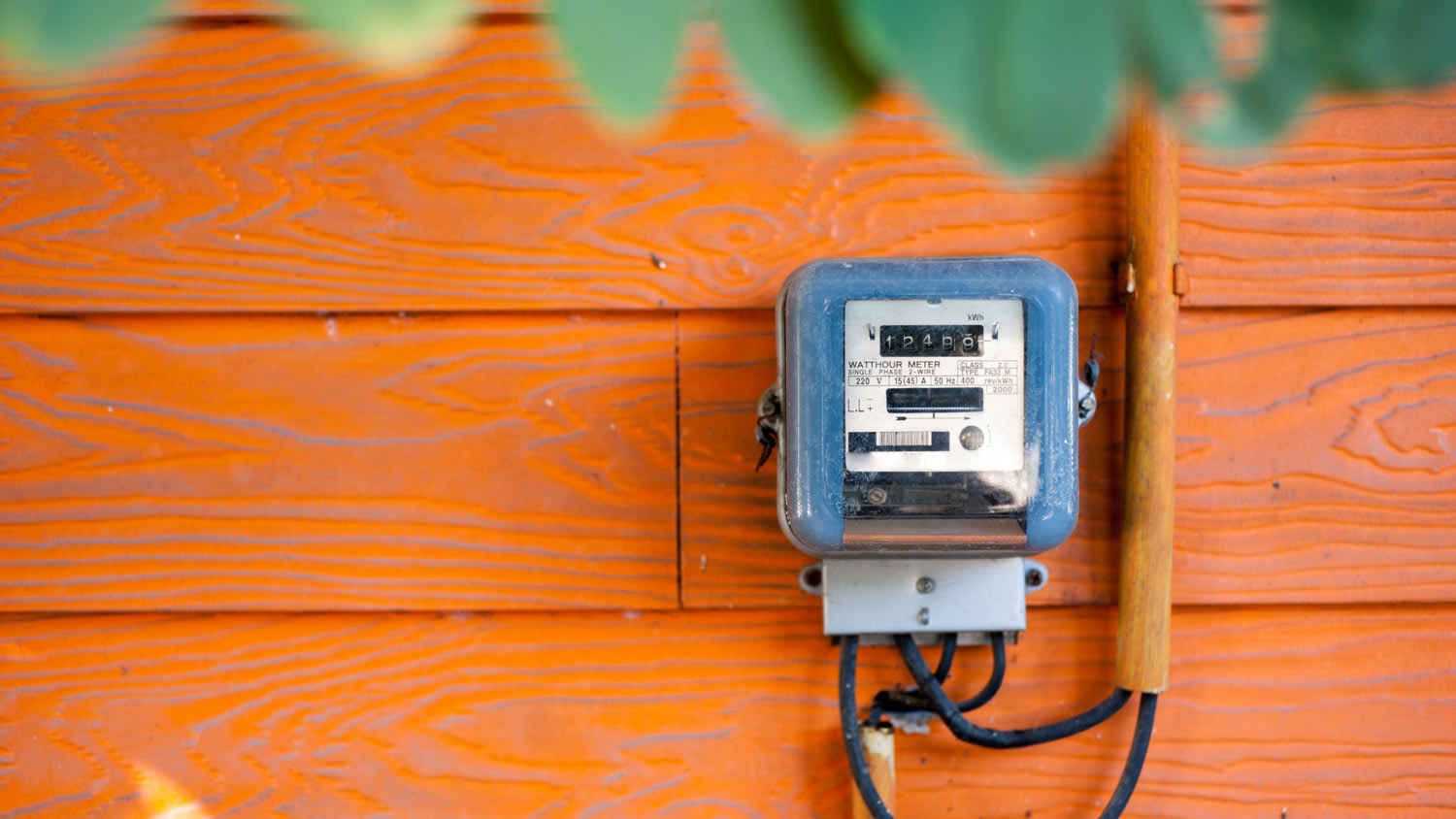
The cost to move an electric meter depends on how far you’re moving it, whether it needs replacing, and the cost of labor near you.

The average cost to replace an electrical mast is around $750, depending on the size and extent of the replacement. Read on to budget for a meter riser.
Are your lights flickering or breakers tripping? Learn about electrical wiring and panel service costs, warning signs, and how to hire the right local pro.

All home electrical wires follow standard color codes that identify how each one functions in a circuit. Learn about the colorful world of electrical wiring.

With recent upgrades to technology and appliances, many homeowners are seeking answers on how to get more electric power for their devices safely. Here are six smart (and hands-off) ways to upgrade your home electrical system.