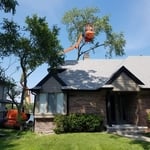
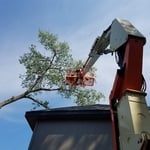
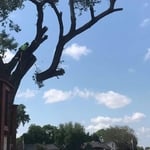
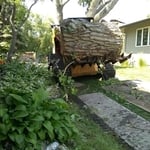
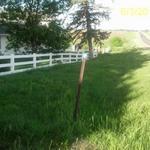
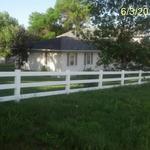
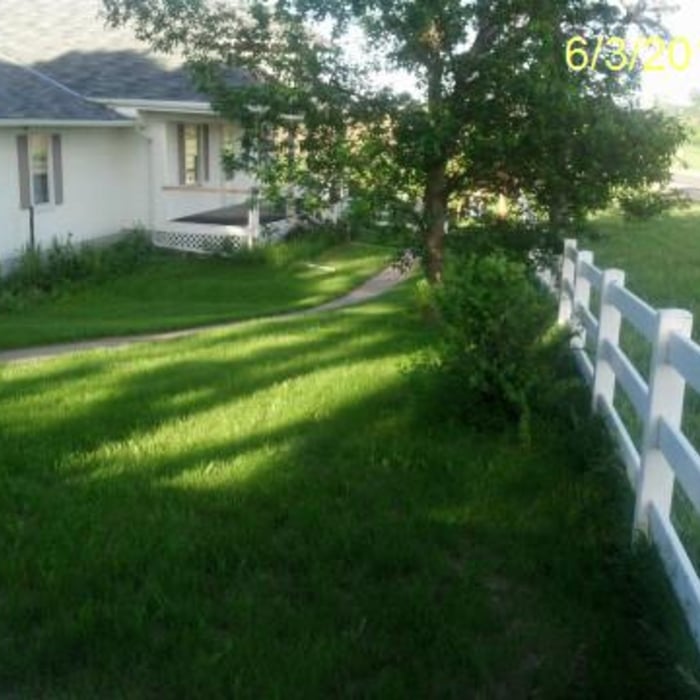
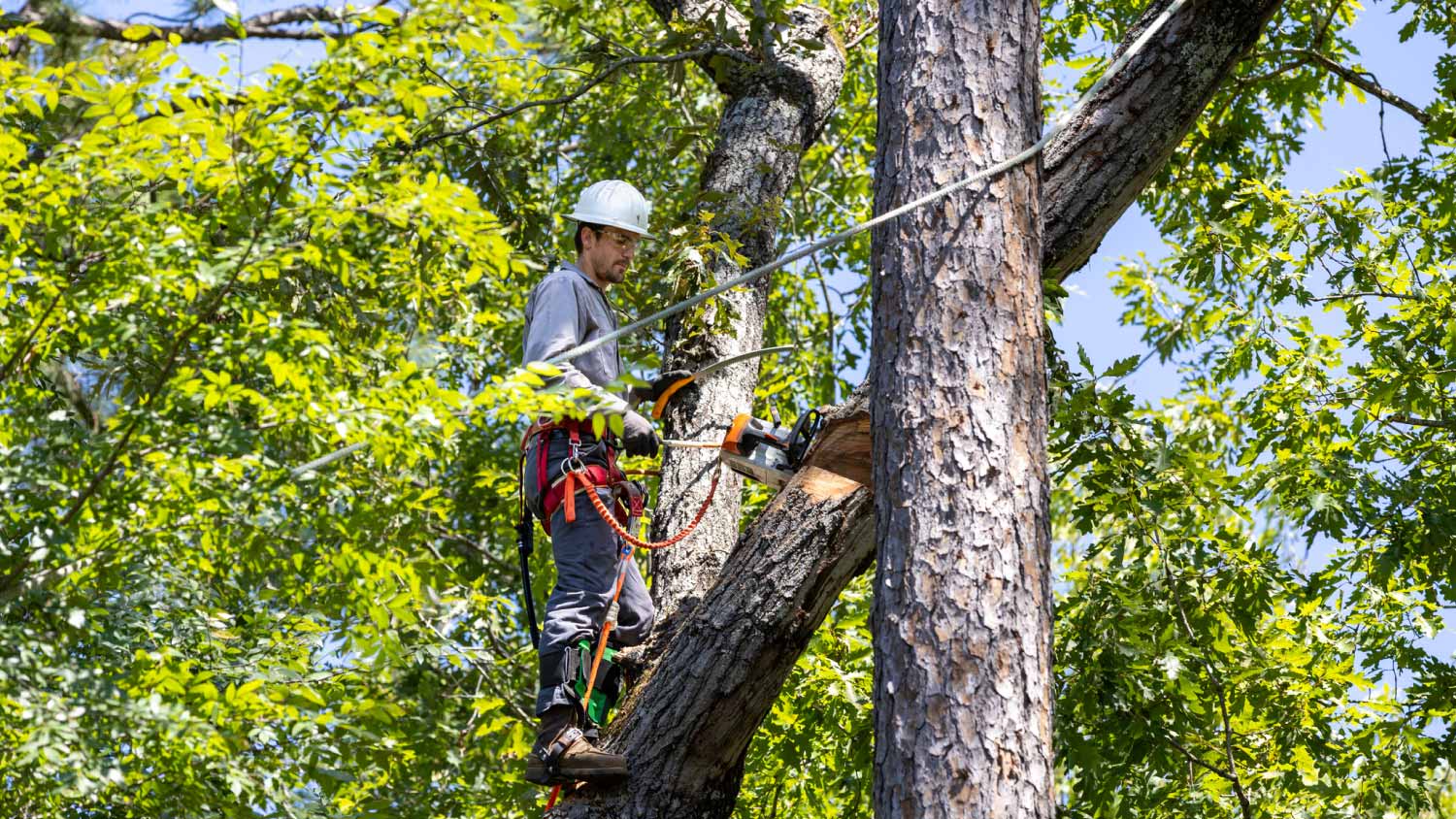
"The services performed went as smooth as expected. Mike was able to trim our biggest tree and remove an entire evergreen that had been exposed to bag worms. The work was quick and efficient and I would highly recommend him to anyone. We will definitely utilize his expertise in the future."
"He did such an awesome job and did exactly what I asked. He even double checked all of his work and it was great. I will definitely be calling him again."
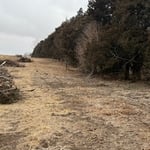
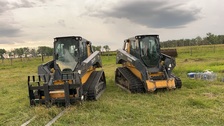
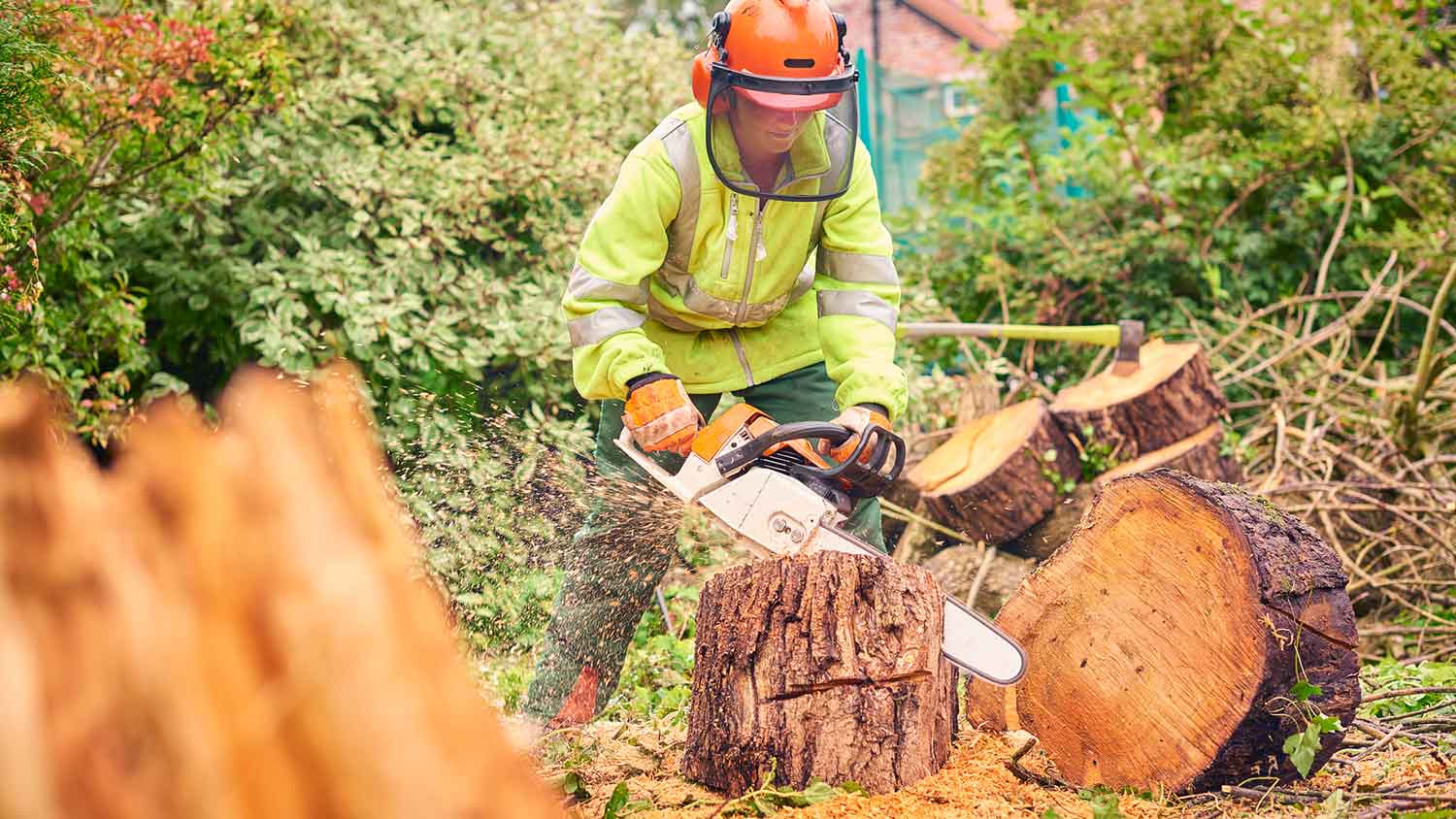
We are a small business that specializes in tree removal services like mulching, shredding trees and tall brush, we also specialize in agriculture fencing and some commercial fence we also do specialized dirt work, like building pads, driveways and land leveling
Hiring an arborist costs around $900 on average, with prices ranging from $250 to $2,500 or more. Some arborists charge an hourly rate, typically between $100 and $350 per hour. The final cost depends on several factors, including the type of work, the number of trees, accessibility, and whether you hire an independent arborist or a larger tree service company. When hiring, you should also consider their experience and insurance coverage.
Below are some estimated costs for common arborist jobs:
Small tree removal: $300 to $500
Large tree removal: $500 to $2,000 or more
Tree health assessment: $150
Trimming a small tree: $75 to $200
Trimming a large tree: $150 to $400
Dealing with invasive species: $150 to $1,000 or more
Generally, you’ll want to prune back the trunk by 1 to 2 feet each year to promote bushy growth. Doing so concentrates vegetative buds closer to the bottom of the tree, where you can easily harvest fruit. For side shoots that are a year old, leave at least six leaves.
Never remove more than 30% of a tree’s foliage during pruning—even if your tree is really overgrown. Removing this much foliage at a time could kill your tree.
It depends on the type of tree. Typically, late spring on the cusp of winter is ideal for trees about to emerge from dormancy and produce new buds. That said, late fall is ideal for certain deciduous trees prone to bleeding sap. Avoid trimming trees in early spring, when they’re prone to disease.
Generally, no, tree topping isn’t a good technique, and you should avoid using it in most cases. Tree topping may be the only good option to save a tree following severe damage after a storm, but in most other cases, it’s not the right choice. Tree topping can leave trees vulnerable to disease and further damage, and most pros will suggest against it.
Yes, it’s possible to overwater a newly-planted tree. Daily watering is great for the first few weeks, but it’s important not to go overboard. Excessive watering can lead to various problems, including root rot, fungal diseases, and a lack of root development.
The Schuyler, NE homeowners’ guide to arboricultural services
From average costs to expert advice, get all the answers you need to get your job done.
How much does an arborist cost? This guide explains the cost of different services, ongoing expenses, and other factors to consider when hiring an arborist.
Tree inspections can ensure your trees stay healthy and safe, preventing costly damage. Learn how much tree inspections cost and what can affect the price.
Arborists are specialized tree care experts. This guide will help you hire an arborist with all the qualifications to give your trees the best care possible.