


Discover the average tree maintenance cost, key price factors, and tips to save. Get expert insights to plan your tree care budget with confidence.
Tree service costs depend on your project and location. Check with a local pro for your specific job.

Professional tree inspection services range from $100 to $600 depending on the inspection type and detail level your property needs.
The number of trees you need assessed and how easy they are to access will change your final inspection cost.
You should account for the cost of tree trimming, root removal, stump grinding, or full tree removal when you create your budget.
Hiring a local tree service professional keeps your household safe by identifying diseased trees and hazardous branches before storms arrive.
Having a tree-lined yard is ideal for privacy and a peaceful landscape, but an unhealthy or unsafe tree can cause a lot of stress and result in costly damages. A tree inspection can put your mind at ease about your trees’ condition and identify any trees that may need to be trimmed or removed before they potentially cause damage. Learn how much a tree inspection costs and what may affect how much you’ll pay.
The cost of a tree inspection can vary depending on the type of inspection, the number of trees, and their accessibility.
Several types of tree inspections are available, varying in detail and intensity. A basic visual inspection from a tree service’s arborist costs an average of up to $100, although some companies may offer this service for free. A routine full inspection that more specifically evaluates a tree’s condition averages between $100 and $250, and an arborist’s report, which is the most in-depth and detailed type, will cost an average of between $350 and $550. Some tree services and arborists may deduct the inspection cost from the price of removal if one is necessary.
| Type of Inspection | Average Cost |
|---|---|
| Basic visual inspection | $0–$100 |
| Routine full inspection | $100–$250 |
| Full arborist report | $350–$550 |
If you have more than one tree you’re worried about or you want an overall health survey of all the trees in your yard, a tree service may offer a discounted rate for inspecting multiple trees in one visit. An overall health survey won’t include an in-depth inspection of each tree, so if the visual inspection identifies any trees with potential problems, you may need to pay an additional fee for a more thorough inspection.
Trees that are hard to access may cost more to assess, especially if your pro charges by the hour. Clearing out the area around obstructed trees can help make them more accessible, but if a tree is far away or remote enough to involve a hike or a climb to access it, expect to pay more.
Average hourly arborist fees range between $100 and $350 an hour. Independent arborists fall on the higher end of that range, while fees for an arborist who works with a larger tree service may be lower. When hiring an arborist, take into account their experience, references, insurance coverage, and fees.
Any homeowner with multiple mature trees on their property should have a tree inspection or survey every five years. If you have trees that are of particular concern, have them inspected more frequently—a checkup every two to three years will confirm if any worrying conditions have progressed far enough to warrant action.
A local tree service has the expertise to diagnose tree health issues and make recommendations to ensure your trees don’t pose a safety hazard.
Hiring a tree removal service for an inspection can keep your home and everyone in it safe. Here’s why hiring a pro is the best option:
Arborists are trained and certified to safely inspect trees for damage, decay, or other issues.
They have the proper safety equipment and tools to complete the inspection without damaging the tree.
DIY tree inspections can result in serious injuries for inexperienced homeowners.
Licensed tree experts carry liability insurance and offer warranties on their work.
Pros are knowledgeable about the permits you might need if tree removal is necessary.
Tree experts are familiar with the various diseases that can affect trees and can identify problems a homeowner might overlook.
An expert will complete the tree inspection safely and efficiently.
While it’s a good idea to perform regular visual inspections of the trees on your property, only a tree professional can accurately assess the health and safety of your trees. However, you can tackle the following minor tasks:
Look for potential defects, like dead branches or broken limbs
Check your trees for damage after storms
Clear the area around the tree before the inspection to improve accessibility
Tree inspections often result in recommendations for additional services to keep your trees healthy and safe. From tree injections to tree removal, here are some common tree inspection add-ons:
Tree injections: Injections to treat disease and insect infestations cost $50–$130 per tree.
Tree trimming: Trimming or pruning trees ranges between $270 and $1800.
Root removal: Getting rid of tree roots can cost between $180 and $550.
Stump removal: Grinding or removing a stump costs an average of $170–$550.
Tree removal: Removing a tree costs between $200 and $2,000, depending on the size, type, and health of the tree.
Tree safety isn’t something to skimp on, but there are ways to save money on a tree inspection. Arborists may offer a discounted rate for multiple trees inspected at once, so if you have more than one tree of concern, have them all inspected in one visit. Tree services often discount inspection fees if you end up getting trimming or removal services with them, so research local tree services to find one that offers lower-cost inspections.
Discuss any damage you’ve noticed with the tree inspector.
Determine your budget for any potential tree services, like removal, before you speak to a pro.
Consider what other tree-related tasks you can have completed at the same time to save on labor costs.
Home is the most important place on earth, which is why Angi has helped more than 150 million homeowners transform their houses into homes they adore. To help homeowners with their next project, Angi provides readers with the most accurate cost data and upholds strict editorial standards. We extensively research project costs to develop the pricing data you see, so you can make the best decisions for you and your home. We rely on reputable sources, including the U.S. Bureau of Labor Statistics, academic journals, market studies, and interviews with industry experts—all to ensure our prices reflect real-world projects.
Want to help us improve our cost data? Send us a recent project quote to [email protected]. Quotes and personal information will not be shared publicly.
This service was great. My air conditioner went out during the heat spell that we had. My husband has health issues and they came out that night and at 9:30pm the air conditioner was fixed and running. We are sooo very thankful, this is the company I will be using from now on and would...
 Mr. Mechanical Ohio
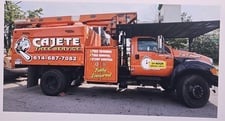
One of my old tall evergreen trees was suddenly leaning toward the busy street in front of my house. I submitted a request for an emergency tree inspection, and Alejandro, owner of Cajete Tree Service, contacted me immediately and arrived to look at it just 20 minutes later. We agreed the...
 Cajete Tree Service LLC
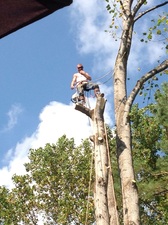
1 tree was cut down and 5 others including a large willow tree were trimmed. The Grant Tree Service men were professional and cleaned up afterwards. The cost of the 6 trees were affordable. I am very happy with the results. I would hire them again.
 Grants Tree Service
D1 Roofing delivers outstanding service from beginning to end, backed by a strong warranty and expert teams. I highly recommend them for their excellence in meeting and surpassing expectations with unmatched communication. Choosing D1 Roofing was flawless decision
 Division 1 Roofing LLC
Promptly arrived for quoting! Demonstrated superb customer service, affordable pricing, and completed service swiftly! Looking forward to the spring for our service!
 All Star Paving and Sealing
Seth was very professional, prompt in responding to queries about the work required , gave sincere advice as to what would be best for tree trimming and did the job timely.
Ace Fireplace Services' chimney sweep service is truly exceptional. They used advanced technology to ensure a thorough cleaning process, and my chimney has never looked better. I highly recommend their services.
 Ace Fireplace Services
I definitely recommend Ramonaâ s cleaning service! I have booked services with her many times and she arrives on time, ready to work and provides a great service.
 Your Cleaning Solutions LLC
Webb â s was priced well, flexible on scheduling, great with communication, and detailed in their work. Iâ ll definitely use their services again.
 Webbs Pressure and Paint LLC
Great tree company, very professional and honest. Glad we found them, they had the best pricing
From average costs to expert advice, get all the answers you need to get your job done.
Discover the average tree maintenance cost, key price factors, and tips to save. Get expert insights to plan your tree care budget with confidence.

Discover what the current average tree removal cost is based on different factors to know how much it will cost to take care of a dead or troublesome tree on your property.
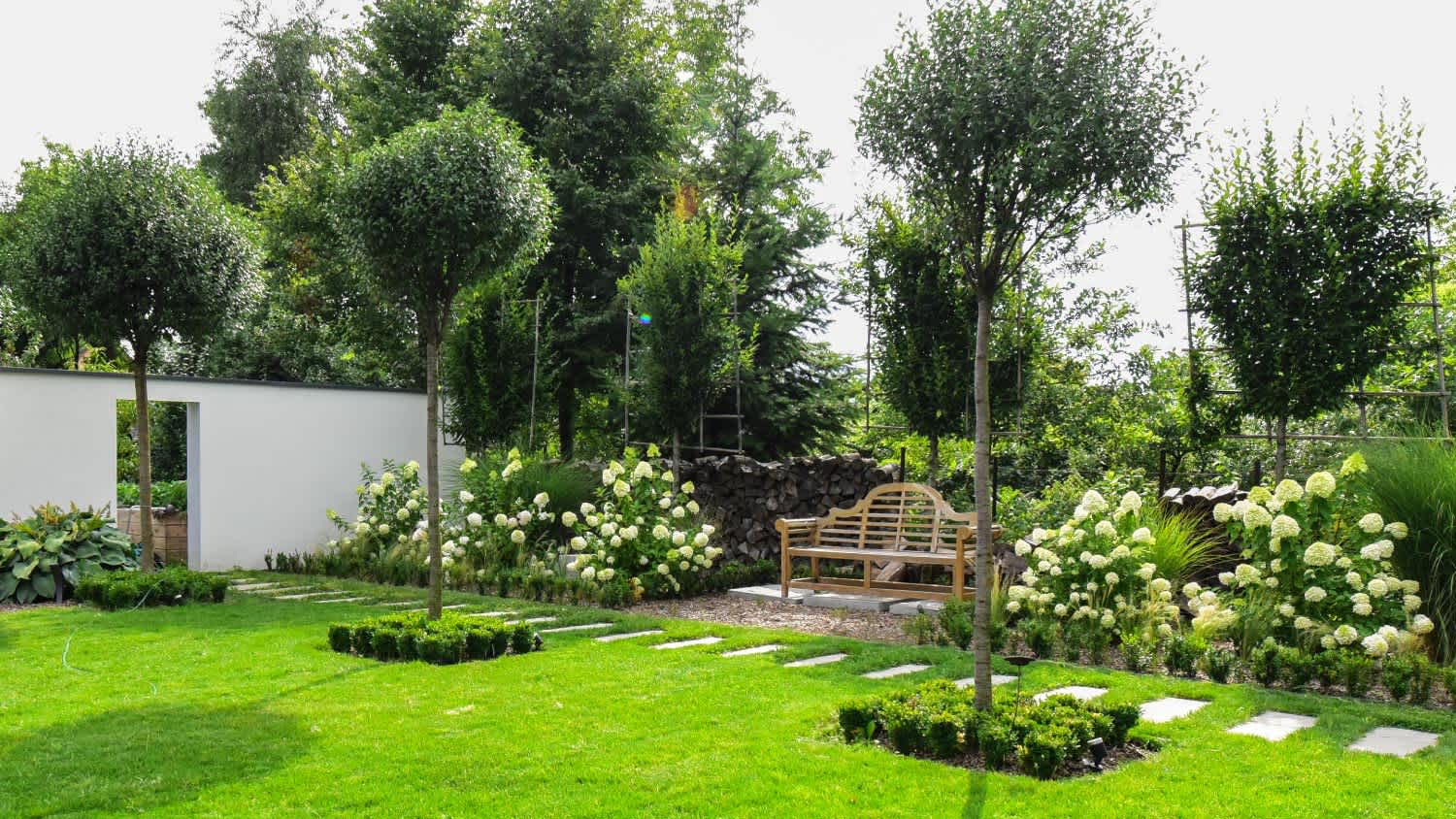
Moving your favorite tree isn’t exactly a small task, so we’ll break down some common tree transplanting costs so you can be prepared.

Nothing ruins the look of a maple tree like dying branches. If you’re wondering why are branches on my maple tree dying, our guide explains the common causes and what you can do.

The new year is a perfect time to tune up your home and avoid costly repairs. From HVAC inspections to tree removal, here’s who to hire in the new year.
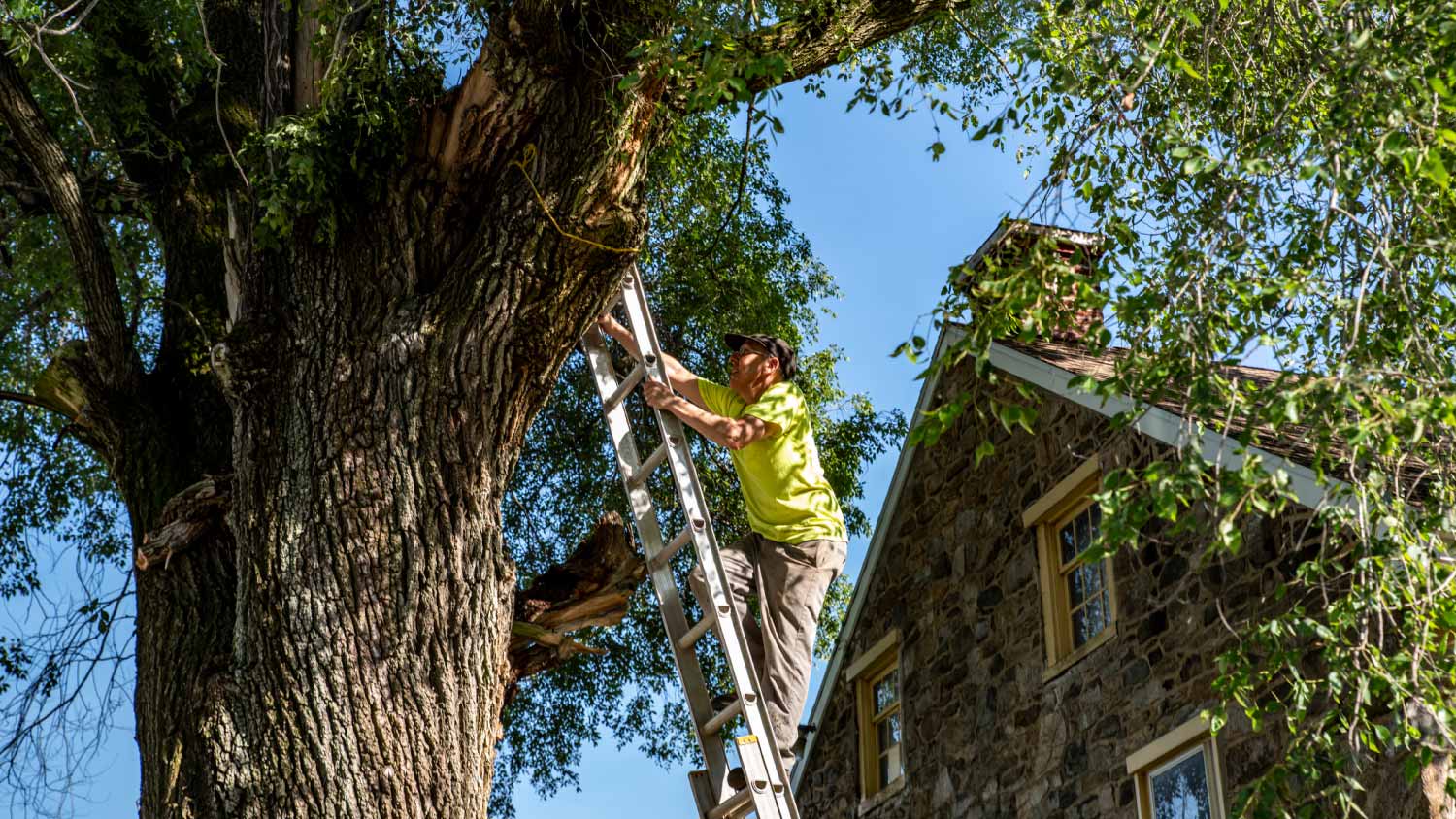
Wondering who to call for a sick tree? Your best bet is a tree maintenance pro who can help diagnose the issue and advise you on the best course of action.