







Top-rated arborists.

Get matched with top arborists in Scribner, NE

Enter your zip and get matched with up to 5 pros

Need a pro for your arboricultural service project in Scribner, NE?

Select your specific project to find the pro for you.

Find Arborists in Scribner

Avatar for M. S. Wiekhorst Arbor Company
M. S. Wiekhorst Arbor Company
5.0(
10
)

Serving Scribner, NE and surrounding areas

Free estimates

Emergency services offered

Warranties offered

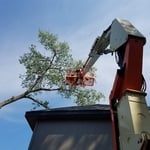
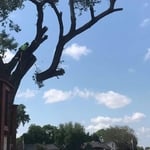
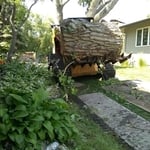
"The services performed went as smooth as expected. Mike was able to trim our biggest tree and remove an entire evergreen that had been exposed to bag worms. The work was quick and efficient and I would highly recommend him to anyone. We will definitely utilize his expertise in the future."

Large Cottonwood Removal

+12

Response time2 days
Response rate100%
Recommended by100%of homeowners
Arborists questions, answered by experts

Finding a reliable arborist starts with researching specialists in your area and checking their licensing and certifications. Use online resources like the Better Business Bureau (BBB) to conduct research on each company. Next, contact the arborist and ask the following questions to see whether they are the right fit for your project:

  • Do you handle or specialize in dealing with the issue I’m having?

  • Are you fully insured?

  • Do you have customer references I can call?

  • Do you have any third-party certifications?

  • What equipment and strategies do you plan to use?

Trees should be pruned every two to five years, depending on its age and type. Young trees should be inspected and pruned every two to three years. Mature trees should be inspected and trimmed every three to five years, and fruit trees should be pruned annually with a careful eye on seasonal growth. Evergreens typically don’t need pruning, unless branches or limbs are damaged, diseased, or harboring pests.

Tree roots don’t necessarily break through concrete on their own, but they can certainly take advantage of existing cracks, even very small ones. As roots grow, they expand the cracks, making them larger and leading to serious and costly foundation damage. It’s a good idea to have repairs on any foundation cracks you’re concerned about.

Tree roots can take weeks to years to die, depending on the method you use. Chemical herbicides take the least amount of time—typically between three and four weeks—while homemade methods, like covering an old stump with leaves, could take between seven and eight years. If you’re unsure which method to use or how quickly you need to act, consulting with a pro is always a good idea.

Make sure the tree roots soak around a day before you dig the tree up for the transplant. Keep the roots wet while the tree is above ground. After the transplant is finished, provide consistent water every day for the first month or so. You don’t want to overwater the tree, but you do want to keep the roots wet so they can thrive in their new environment.

The Scribner, NE homeowners’ guide to arboricultural services

From average costs to expert advice, get all the answers you need to get your job done.