






Top-rated arborists.

Get matched with top arborists in West Point, NE

Enter your zip and get matched with up to 5 pros

Need a pro for your arboricultural service project in West Point, NE?

Select your specific project to find the pro for you.

Find Arborists in West Point

Avatar for M. S. Wiekhorst Arbor Company
M. S. Wiekhorst Arbor Company
5.0(
10
)
Tree RemovalTree Removal - For BusinessTree Stump - Remove+5 more

Serving West Point, NE and surrounding areas

Free estimates

Emergency services offered

Warranties offered

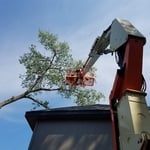
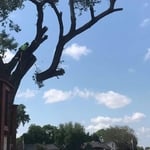
"The services performed went as smooth as expected. Mike was able to trim our biggest tree and remove an entire evergreen that had been exposed to bag worms. The work was quick and efficient and I would highly recommend him to anyone. We will definitely utilize his expertise in the future."
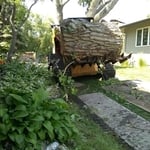
Large Cottonwood Removal

+12

Response time2 days
Recommended by100%of homeowners
Arborists questions, answered by experts

The best tools for tree removal include a chainsaw for large trees, an ax for notching and cutting down small trees, and a wedge to help control the direction a tree falls in. A hatchet can be useful for very small trees, but won’t be effective for medium to large trees. 

Any tree that needs to be pruned should be pruned to remove dead branches at least once a year. You may need to prune far more often if you’re trying to maintain a certain shape or to save a tree that suddenly becomes infected.

For safety reasons, leaning trees are best removed by a professional, as they may often tear away from the hinge, causing you to lose control over where the tree falls. If you choose to cut down a tree leaning slightly, avoid cutting off root protrusions before you start. Make your hinge a little longer than usual by cutting it deeper (up to 30% of the diameter) and applying a wedge into the felling cut on the side the tree is leaning. Stand away from the direction the tree leans while making your felling cut.

Most experts recommend removing a tree that has sustained more than 25% loss in the limbs, trunk, or circumference of the bark. Doing an initial trimming of damaged and dangling branches, but then waiting a few days of monitoring to decide how much more you might need to cut can help you better assess the total damage to the tree. However, consulting a tree maintenance pro to make this determination the best course of action before removing a tree.

If a disease has attacked and destroyed the roots, then the tree may fall over as soon as it has died or while part of it is still alive. Trees that die with their roots left in place tend to stay standing for much longer, but those roots will decay eventually, allowing gravity to do the rest.

The West Point, NE homeowners’ guide to arboricultural services

From average costs to expert advice, get all the answers you need to get your job done.